
How to Define Brand Values That Guide Every Business Decision
Brand values are the principles that guide company decisions, define what a brand stands for, and shape how it treats customers, employees, and partners.
Updated April 2, 2026

Online shopping is no longer just about convenience and price. As online scams become more prevalent, consumers are changing their behavior, expectations, and trust in the brands and platforms they use.
Picture this.
You’ve been having neck trouble for weeks with no relief. One day, when one day you’re scrolling on Instagram, you get an ad for a device that is meant to ease neck tension. Day after day, this ad keeps popping up. With the pain lingering, you eventually do some light research by looking through comments for the device, ultimately placing an order.
Looking for a Public Relations agency?
Compare our list of top Public Relations companies near you
Weeks go by, and you have received very little communication beyond the initial confirmation email. You searched online for a website, contact email, and more to no avail. But you do find some negative, unsavory comments about the product’s credibility. The package never comes, and it’s official…you’re down $44.99 plus shipping and have been scammed.
This experience isn’t new; if anything, it is more prevalent than ever. From high-profile celebrity cases like Jen Shah’s federal fraud conviction to irreverent deep dives on podcasts like Scam Goddess, scam culture is everywhere.
In February 2026, Clutch surveyed 401 consumers to understand their personal experiences and attitudes toward online and e-commerce scams. The findings make it clear: deceptive digital deals aren’t just a headline, but part of the modern online shopping experience.
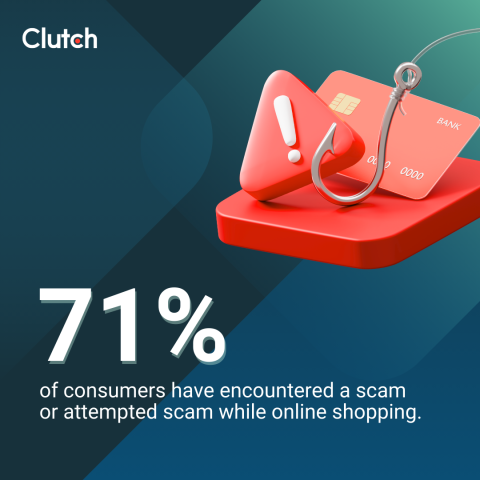
A striking 71% of consumers reported encountering a scam or attempted scam while shopping online, highlighting just how pervasive these threats have become.
Beyond consumers, these threaten businesses as well, eroding their credibility as most people encounter brand impersonation scams online. Whether they damage a brand’s public image or consumer trust, e-commerce scams pose a threat to any brand with an online presence, impacting its bottom line and market standing.
“Brands should assume impersonation attempts will occur and prepare accordingly. That means maintaining verified accounts, consistent naming across platforms, and clearly documented official domains and communication channels,” said Austin Mallar, CTO of Longhouse Branding + Marketing.

This report will explore the negative feelings brands and consumers have regarding e-commerce scams, how both groups aim to protect themselves, and more.
Online scams aren’t just a background concern; they’re actively shaping how people shop.
Our data shows that most consumers (92%) are concerned about the influence online scams have on their purchases.
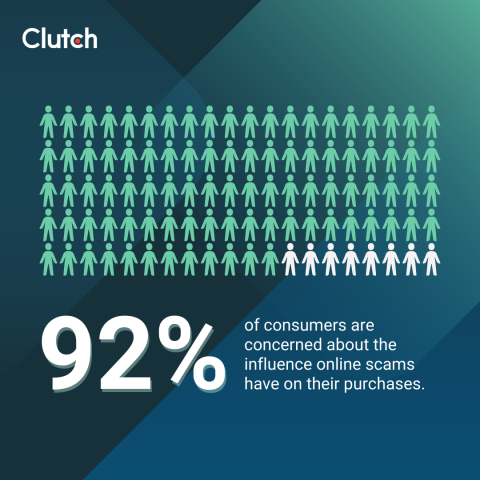
This nearly universal level of concern signals a clear shift toward more cautious shopping habits. Consumers aren’t passively browsing; they’re evaluating risk. The widespread familiarity with e-commerce scams, reinforced by personal experience, has made skepticism a default setting for many online shoppers. For most, the question is no longer if scams exist, but how to avoid them.
That concern is translating into smarter online habits like cross-checking reviews across multiple platforms, verifying seller credentials, scrutinizing return policies, and opting for more secure payment methods.
Consumers are adapting, and brands must respond in kind. Clear trust signals, transparency, visible security measures, and proactive fraud prevention are required to maintain engagement and earn brand loyalty.
More than half of consumers (56%) report they’ve been scammed while shopping online. Among those who have been scammed, 42% say it happened within the last year.
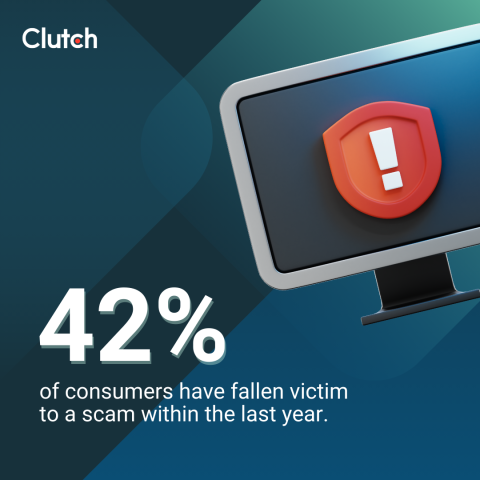
This is an ongoing problem. The stigma around admitting to falling for a fraudulent listing or fake storefront is also high, which suggests susceptibility to online scams may be more widespread.
Generational differences also reveal important nuances. Gen Z (92%) is ten percent more likely than Baby Boomers (82%) to say they’re familiar with e-commerce scams, suggesting younger consumers may have greater awareness.
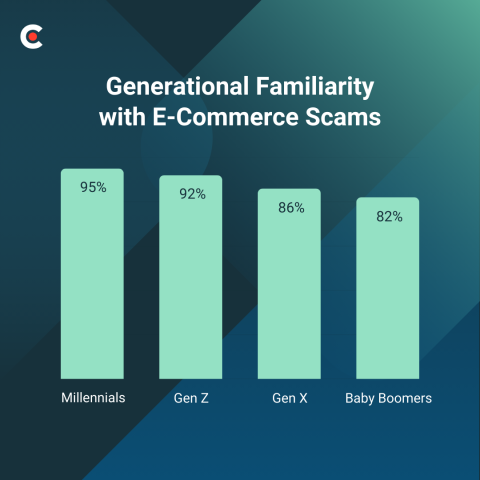
Older consumers may require clearer trust signals and reassurance from brands, while younger consumers expect all of that to be standard. As e-commerce scams persist, no matter the generation, brands must take an active role in educating customers and protecting their privacy at every touchpoint.
When it comes to accountability, consumers point first to the platforms facilitating online transactions.
Sixty-one percent of consumers say platforms, including social media networks, online marketplaces, and search engines, are the most responsible for preventing e-commerce scams.
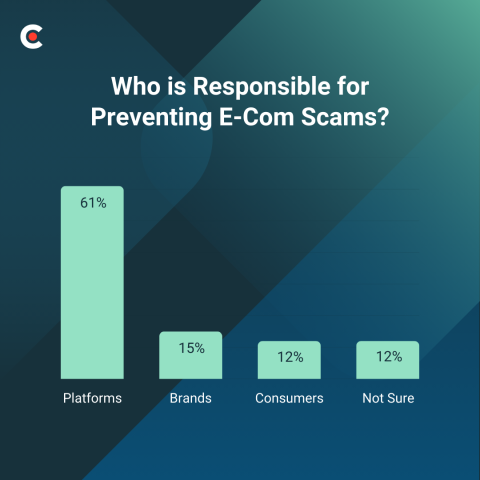
This finding suggests that consumers see platforms as the front line of defense. Because these digital spaces host listings, ads, and seller profiles, consumers expect them to screen bad actors before fraudulent offers ever reach their feeds.
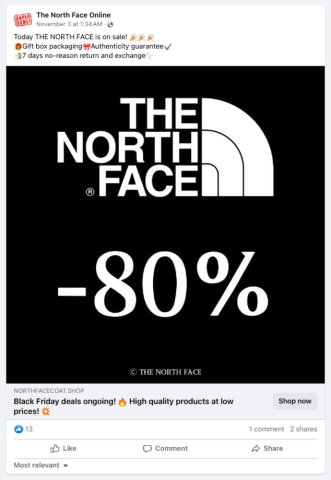
As a result, platforms may face mounting pressure to strengthen seller verification processes, monitor suspicious activity, and clearly flag illegitimate businesses. Brands advertising or selling through these channels must also ensure their accounts are verified, their ads are clearly labeled, and their customer service channels are easy to authenticate.
“Trust is protected through visibility and speed,” said Mallar.
Consumers understand that scams don’t only come from obscure sources. They can easily appear alongside or impersonate well-known brands. Ultimately, while platforms are viewed as primary gatekeepers, preventing e-commerce scams requires shared vigilance.
All parties in the ecosystem need to play an active role in protecting consumer trust.
Additional Reading: ‘The Rise of TikTok Shopping’
Fake ads are a common type of scam. In fact, 58% of consumers say they’ve seen a fake ad impersonating a well-known brand, reinforcing just how widespread and convincing these schemes have become.
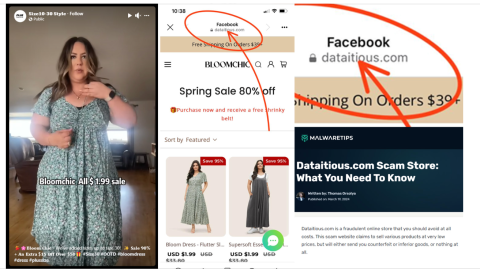
High-profile companies across industries have grappled with fraudulent ads circulating on social and search platforms. These scams are often shown as counterfeit product listings or spoofed promotions that mimic official branding with logos, colors, and more.
Although most consumers primarily place responsibility for scam prevention on platforms, brands don’t escape the fallout.
More than half (54%) of consumers say their trust in a brand decreases after they encounter a scam involving it, even if the company wasn’t directly at fault.
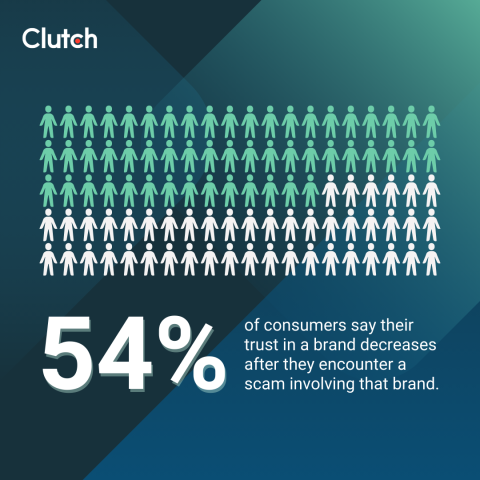
Reputation seems to be collateral damage. Consumers increasingly view brand responsibility as extending beyond mere product sales; they expect proactive intervention.
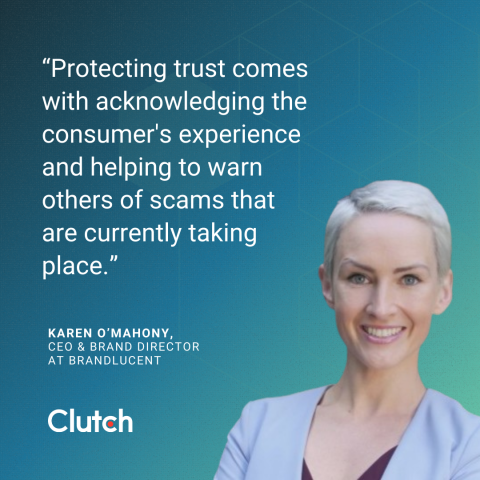
“Protecting trust comes with acknowledging the consumer's experience and helping to warn others of scams that are currently taking place,” said Karen O’Mahony, CEO & Brand Director at Brandlucent. “As usual, transparency is the name of the game when it comes to helping consumers feel heard.”
Our data found that 67% of consumers believe brands can help protect customers by actively monitoring for and removing fake ads.
Shoppers want brands to monitor online ad spaces for misuse, educate customers about common scam tactics, and respond quickly when fraudulent activity surfaces. While platforms may carry much of the perceived burden for preventing scams, brands that take visible steps to combat impersonation and fraud are better positioned to safeguard their reputations.
Social media has become the most common environment for suspected online scams.
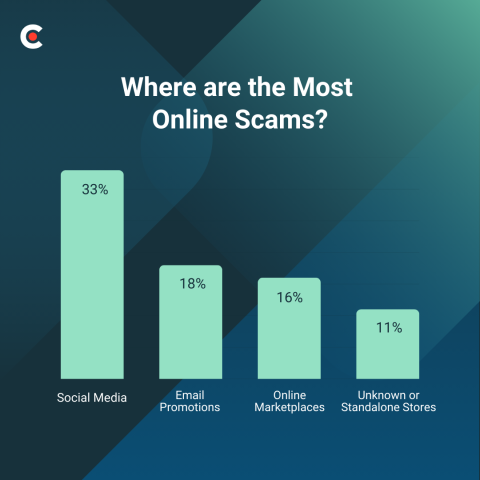
One-third of consumers (33%) say they recently encountered a suspected scam on social media, making it the leading channel for scam exposure, compared to email (18%), online marketplaces (16%), or unfamiliar storefronts (11%).
It’s not hard to see why these platforms attract fraudulent activity. Social media feeds are fast-moving and ad-heavy, which is an ideal combo for bad actors. Sponsored posts, influencer partnerships, and in-app checkout features can blur the line between legitimate promotions and impersonation attempts.

Fraudsters often mimic flash sales, limited-time offers, or trending products to create urgency and drive impulsive clicks. As seen in the example above, scammers frequently clone brand pages or run counterfeit ads promoting steep discounts to capitalize on the trust consumers place in familiar brand names.
After encountering scams, many users adjust their behavior. Consumers report avoiding suspicious posts, double-checking account verification badges, reporting fraudulent listings, and being more strategic about clicking social shopping links.
While brands don’t control every corner of a social media platform, they can take proactive steps like monitoring for impersonation, educating followers, and collaborating with platforms to remove fake ads.
“Paid social strategies need tighter controls,” said Mallar. “Brands should audit placements regularly, exclude risky inventory, and verify all domains and business accounts.”
In a space where trust can erode with a single deceptive post, brands that prioritize transparency are best equipped to maintain credibility.
Consumers are increasingly relying on instinct and skepticism to protect themselves online.
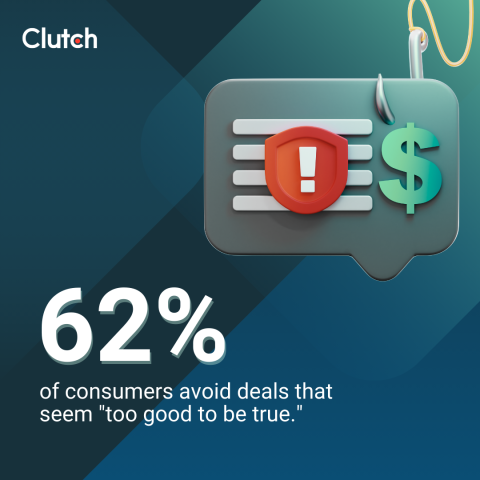
Sixty-two percent of consumers say they avoid deals that seem too good to be true in an effort to steer clear of e-commerce scams.
This caution reflects a growing ability to spot red flags. Shoppers have become more attuned to common scam tactics, such as time-sensitive discounts on high-demand items, slightly misspelled brand URLs, or ads promoting luxury products at implausible prices.
The risk of being scammed is clearly shaping more deliberate shopping habits. Consumers are slowing down purchases, scrutinizing unfamiliar storefronts, and defaulting to safer payment methods. As consumers grow more cautious, brands must support that awareness with consistent messaging.
“One-and-done offers may seem too good to be true, but if you have a solid communication plan for several weeks detailing the offer, then it may help consumers trust the veracity of the promotion,” said O’Mahony.
When brands align with consumers’ heightened scrutiny, they reinforce trust rather than leave shoppers navigating risk alone.
E-commerce scams are no longer isolated incidents. Scams are now a defining feature of the modern online shopping experience.
While scammers may be the perpetrators and most consumers see platforms at fault, brands are still the ones customers associate with the experience. The consequences of being scammed can shape a consumer's trust, loyalty, and reputation in a brand. All businesses should care about the threat that these scams pose.
As online scams become more common, companies can’t afford to treat them as external threats alone. Consumers expect brands to take them seriously, and increasingly, they’re holding them accountable. In an environment where skepticism is the default, companies that prioritize protection and transparency won’t just prevent fraud; they’ll earn the trust that drives sustainable growth.
Clutch surveyed 401 consumers in the U.S. during February 2026 about their thoughts and experiences regarding e-commerce scams.
Of the respondents, 49% of respondents were male and 51% were female.
16% of respondents were ages 18 to 29; 33% of respondents were ages 30 to 44; 53% of respondents were 45 and older.