
How to Define Brand Values That Guide Every Business Decision
Brand values are the principles that guide company decisions, define what a brand stands for, and shape how it treats customers, employees, and partners.
Updated November 26, 2025

Brand loyalty is alive, but it’s evolving. Discover what today’s consumers expect from brands through recent data.
With endless choices at their fingertips, today’s consumers are quick to move on if a brand doesn’t meet their expectations.
In September 2025, Clutch surveyed 416 consumers to better understand how they define brand loyalty, what builds their trust, and what, if anything, will make them walk away.
Looking for a Public Relations agency?
Compare our list of top Public Relations companies near you
While 98% of consumers will make repeat purchases from the same brand at least once a year, more than half (55%) have stated that their loyalty to brands they’ve purchased has changed (negatively or positively) in the past five years..
“Loyalty today is fragile,” said Paul Bies, Co-Founder + President of Mystique Brand Communications. “Customers have endless choices, so the question is: are you staying relevant in their lives?”
Brand loyalty is no longer guaranteed. It is more complex and conditional than ever. This report will explore what today’s consumers expect from brands, and what truly drives brand loyalty in 2025 and beyond.
In today’s consumer landscape, transparency isn’t optional. A staggering 96% of consumers say that brand transparency is important to earning their loyalty, making it one of the most universal expectations.
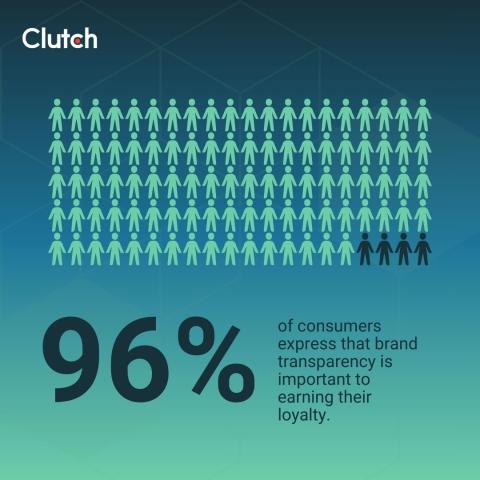
While quality and price are still important, trust is built on how openly and honestly a brand communicates with their audience. For consumers, transparency means clarity and openness about a brand's story, values, and even mistakes.
“Transparency stops being a buzzword when you've got receipts,” said Quincy Samycia, the CEO & Founder of The Branded Agency. “Our job is to make those receipts undeniable and easy to find.”
When companies own their actions, admit missteps, and clearly explain their intentions, they foster a stronger emotional connection with consumers. On the flip side, a lack of transparency can quickly erode that trust, making it difficult, if not impossible, to win back loyal customers.
Consider the well-known case of Facebook and the Cambridge Analytica scandal. When it was revealed that user data had been harvested without consent for political advertising, the public backlash was swift.
Facebook’s initial slow and vague response only deepened the mistrust. The lesson was clear: when brands aren’t upfront with consumers, loyalty is one of the first casualties.
Transparency is not a one-time campaign or a press release; it’s an ongoing commitment for brands. In a marketplace where trust is required, authenticity is currency, and transparency is how you earn it.
Consumers naturally gravitate towards the familiar. Our data shows that 77% of consumers prefer to buy from brands they already know. Familiarity breeds comfort and a sense of reliability, which is why it plays such a powerful role in purchasing behavior.
But brand familiarity alone isn’t enough to guarantee long-term loyalty.
When a brand raises prices or lets product or service quality slip, consumers start rethinking their choices. 73% say they would switch brands due to a price increase, and 64% would do the same if quality declines.
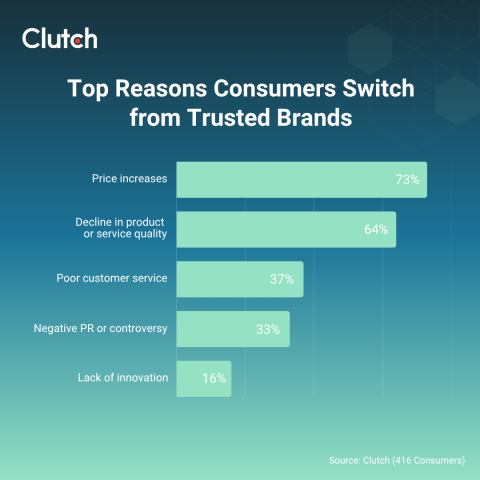
These findings show that while consumers may start with a brand or creator they know, they stay with one that continues to deliver value.
Netflix, once the undisputed leader in streaming, has faced growing consumer backlash over multiple price increases in recent years, especially when combined with perceived content quality declines or the removal of popular shows. The company also raised subscription fees and introduced password-sharing rules, which prompted many users to cancel.
Despite strong brand familiarity, many subscribers questioned the value they were getting.
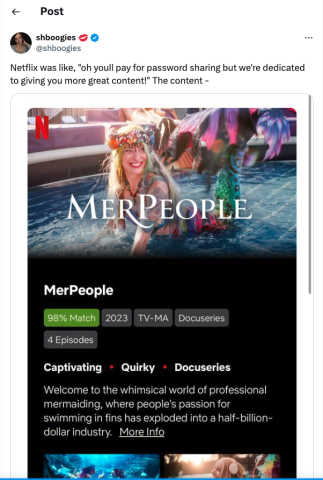
It’s a textbook example of familiarity not being enough to outweigh lost value. Today’s consumers expect consistency, quality, and fairness. Brands must work to continuously re-earn trust through reliable performance and customer-centric practices.
Once that trust is broken, familiarity alone won’t be enough to win it back.
In the age of purpose-driven branding and highly polished marketing campaigns, consumers are more skeptical than impressed.
While brands are investing heavily in looking good, many are failing short when it comes to delivering value. In fact, our data shows that 62% of consumers believe brands today prioritize maintaining a positive image over providing real value for their consumers. This is a striking indicator of growing mistrust, and this skepticism carries real consequences.
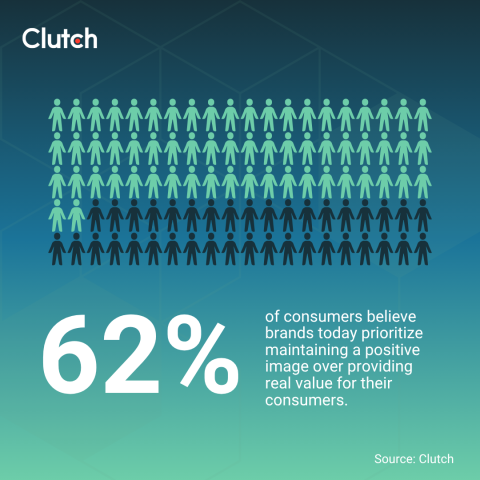
Nearly half of consumers (48%) say they would stop buying from a brand if its marketing felt inauthentic. In other words, if your brand messaging doesn’t match your actions, consumers take notice.
One clear example of this disconnect is the overuse of labels like “natural” or “all natural.” Once seen as indicators of health and trustworthiness, these terms have become marketing fluff, and often meaningless.
Before 2016, Nature Valley granola bars were marketed as “100% natural,” but some of their products contained highly processed ingredients.
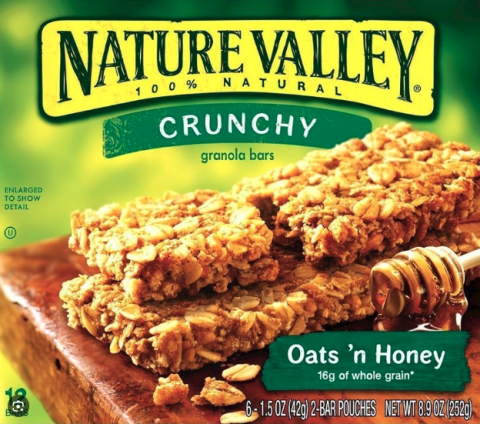
Multiple lawsuits challenged the validity of these claims, which led to General Mills agreeing to remove the phrasing from their packaging as part of a settlement.
Inauthentic branding can be dangerous for consumption and integrity. Today’s consumers expect brands to align their words with their actions. If a company claims to stand for sustainability, it had better be making real investments in sustainable practices.
“A restaurant with beautiful plating and terrible food fails, but so does one with excellent food served on paper plates,” said Adam Bird, Director of Strategy at DEKSIA. ”The solution isn't balancing image and value but making them identical.”
Consumers don’t just want feel-good messaging; they want results and proof. When a brand image is prioritized over integrity, loyalty suffers.
No brand is immune to missteps. But how a brand responds in the aftermath can either repair trust or accelerate its decline.
“Silence or defensiveness erodes trust faster than mistakes themselves,” said Lutfi Aydeniz, CEO at fasinatid.
Our data shows that 63% of consumers are willing to forgive a brand after controversy…if they respond well. There is a catch, as “responding well” doesn’t mean the same thing to everyone.
In fact, how a brand handles a crisis is now a direct reflection of their identity. With 61% of consumers saying they would publicly share a negative experience, whether through social media or online reviews, the stakes for brand identity and reputation are higher than ever.
What consumers expect in these tough moments varies by generation:
This data reveals a key insight: there’s no one-size-fits-all response to controversy. What reassures one group might feel performative to another.
Aydeniz agrees that, “younger audiences, especially Gen Z, reward transparency and vulnerability, while older generations value professionalism and responsibility.”
Although decades old, the Tylenol Crisis in the early eighties showed a masterclass in clear, controlled crisis response. After cyanide-laced capsules caused deaths, Johnson & Johnson issued immediate, clear explanations about the risks and recalled millions of bottles. With this, the brand introduced “tamper-proof packaging,” which showed a clear plan to prevent future issues.
Older generations were directly aware of or even impacted by this event. Today, it is still shown as a gold standard of response, with a recent Netflix documentary shining a light on the mystery and the company’s actions in the aftermath.
In 2020, former Glossier retail employees publicly criticized the company for poor treatment and a lack of inclusivity.
An Instagram account, @OuttaTheGloss, gathered thousands of followers and stories, which led the makeup and skincare brand to publicly acknowledge the criticism.
Along with issuing a public statement that took accountability, the company pledged a million dollars to racial equity causes and restructured internal policies. They “owned” the issue, which showed action and vulnerability, which is just what younger consumers are looking for.
Ultimately, consumers don’t expect brands to be flawless; they expect them to be human. Controversy, when handled with honesty and accountability, can become a turning point: a moment to rebuild trust and deepen loyalty.
In today’s increasingly skeptical marketplace, it’s easy to assume that consumer trust is eroding completely. But there is some hope.
Our data shows 77% of consumers believe that companies care (at least to some degree) about keeping and earning their loyalty.
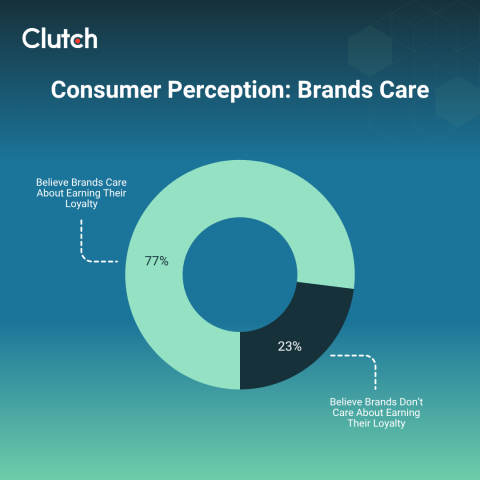
This belief creates a powerful opportunity for brands. Despite past disappointments or public controversies, most consumers are still open to trusting brands, signaling that loyalty is not out of reach. While this data is optimistic for brands and marketers, it is also a quiet warning. People are paying attention to your actions, consistency, and whether your values match your behavior.
Brands can no longer rely on traditional strategies to “retain” customers. They want to be valued and feel seen. That means brands need to be transparent, deliver high-quality, and show up authentically when it matters the most.
The data is clear: brand loyalty still matters, and for many consumers, it is very much alive. But that belief is fragile, and it comes with conditions.
To earn lasting loyalty, brands must go far beyond transaction tactics. Transparency, consistency, and authenticity are non-negotiable. Consumers are watching how brands behave, especially when things go wrong, and they’re making purchasing decisions based on more than just price.
Consumers want to build a relationship with brands that they support. But many companies still optimize for short-term gains: quick conversions and scripted customer service. The brands that will be in the long run will be those that recognize the value of a consumer relationship. Loyalty isn’t something you buy; it’s something you build.
Clutch surveyed 416 consumers in the U.S. during September 2025 about their views on brand loyalty.
51% of respondents were female and 48% were male.
11% of respondents were ages 18 to 28; 41% of respondents were ages 29 to 44; 48% of respondents were 45 and older.