
How to Define Brand Values That Guide Every Business Decision
Brand values are the principles that guide company decisions, define what a brand stands for, and shape how it treats customers, employees, and partners.
Updated May 28, 2026

A strong brand identity will help you build your reputation and leave a lasting impression on customers. Our brand identity checklist includes everything you need to shape your identity, from a unique logo to thoughtful values.
Top brands often have a few distinct elements that stick in customers’ memories. McDonald’s signature golden arches stand out on any crowded roadway, while the “do do a dollop of Daisy” jingle conjures visions of delicious sour cream. And no grocery shopper would ever mistake a bright yellow box of Cheerios for Frosted Flakes.
Strong branding offers many benefits for businesses. A cohesive identity builds familiarity and confidence in your brand. For instance, many customers trust Honda to make high-quality cars, while REI has reliable outdoor gear. A unique brand identity will also help you stand out from competitors and make it easier for your audience to share your business through word of mouth.
Looking for a Public Relations agency?
Compare our list of top Public Relations companies near you
Working with an expert branding agency makes it even easier – but what do clients look for in a branding agency?
After analyzing the reviews of 46,358 branding agencies, we found specific trends on working with a branding team. The ideas of “timely” and “responsive” appeared over 7,000 times in various reviews.
Our team only recommends agencies that bring the best to their clients. Our reviews provide specific project details to help buyers like you vet potential providers and consider which company would be the best match.
The top trends with our vetted branding agencies are:
Other highlights include understanding their clients' needs, being collaborative and innovative, providing customized support, and being detail-oriented.
Let’s face it: Creating a brand can be incredibly time-consuming, especially if you’re building one from scratch. Outsourcing parts of this process can save time and help you conserve your creative energy for other projects. Here are four popular branding services to consider:
Choosing a brand name is an art form. The best brand names are catchy and easy to remember. They also tell the audience something about the brand’s history, products, or values. For instance, Ben & Jerry’s is named after its founders.

A naming agency can help you pick the perfect name for your brand. They’ll also test it to ensure it accurately reflects your identity and appeals to potential customers.
You can control many aspects of your business’s identity — like your color palette and tone — but customers also influence perceptions of your brand. They may leave online reviews, post about your products on social media, and discuss your brand with their friends.
Reputation management involves monitoring these interactions and strategically improving your brand’s image. For example, a provider may respond to customer complaints and handle public relations crises.
Brand messaging is communicating what your brand offers and why it’s valuable. It includes the language and images you use to address your audience. A branding provider will help you shape a coherent and positive message that works across marketing channels.
Your products are tangible pieces of your brand that can represent your company for many years. Product branding focuses on creating a unique identity for each product.
For instance, McDonald’s Grimace milkshake is bright purple, making it the perfect subject for social media parodies.
Meanwhile, Dawn dish soap bottles typically feature an adorable duckling, reminding customers of the company’s prominent role in oil spill recovery efforts.
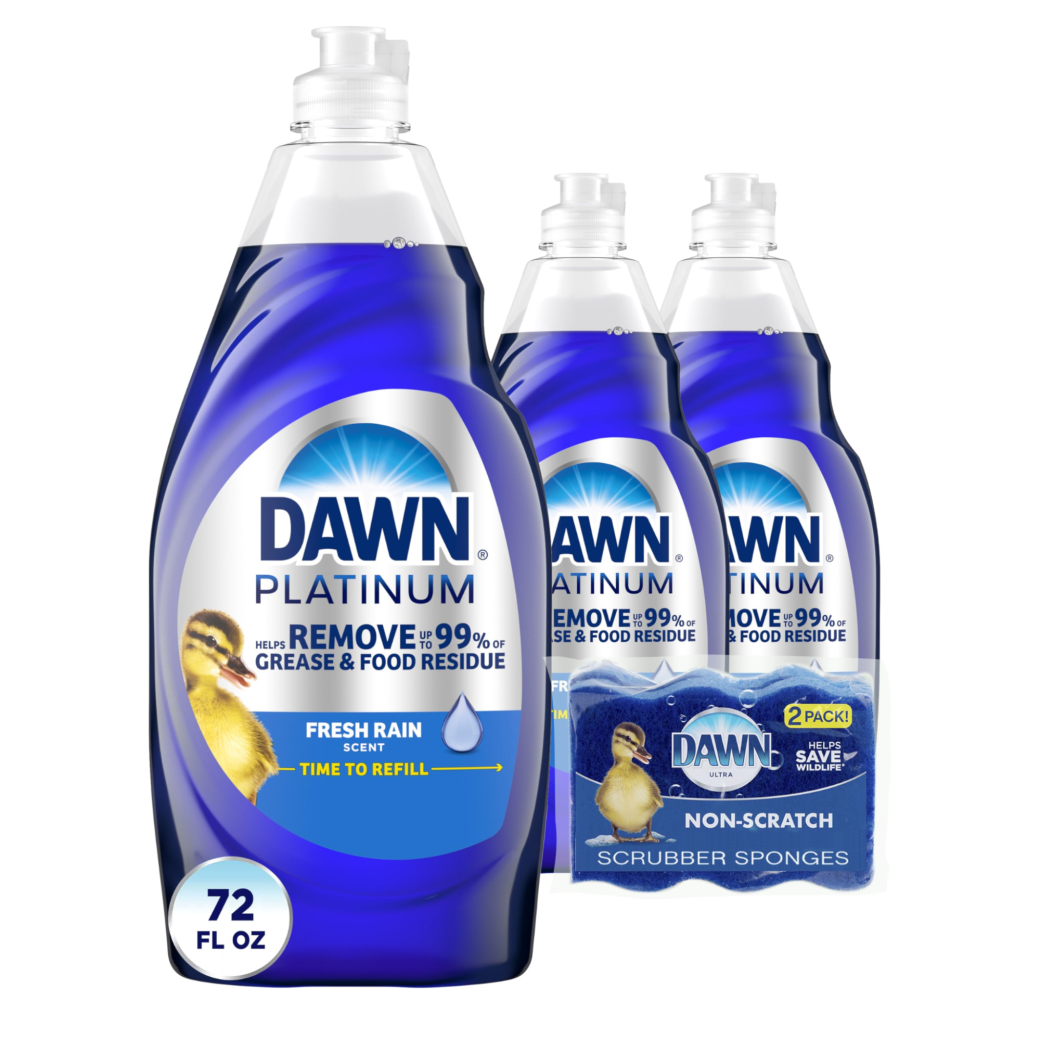
Examples demonstrate how unique visuals or emotional storytelling can leave a lasting impression.
Developing a great identity involves more than designing an iconic logo or a fun slogan. You’ll need to create consistent branding that appeals to your target audience. No matter your industry, our brand identity checklist will help you define your brand and make a lasting impression.
View our top considerations and branding checklist for your next project.
If you're looking to revamp your company's brand, download our brand identity checklist
Shaping a brand identity may seem intimidating, but you don’t need to be a marketing genius to get started. Use this brand project checklist to develop a compelling identity:
The most famous brands always have powerful stories. These narratives sum up each company’s “why” — why they exist and why customers should support them.
These questions will help you brainstorm:
Use the most emotional or meaningful answers to shape your brand story. Like any good yarn, it should have a clear beginning, middle, and end. Take Sniffspot’s story as an example.
Founder David Adams created the private dog park app after he adopted a reactive dog and couldn’t find a safe space for off-leash walks. Today, Sniffspot helps users find dog-friendly spaces where their pets can run free — a feel-good solution for a relatable problem.
A friend of Erin Milnes, Creative Director & Senior Strategist of Catchword, referred to branding as “codifying your mojo.”
Great brands engage, draw you in, make you care why they exist.
Milnes breaks it down into three keys for creating an effective brand strategy:
Creating a compelling story will help customers understand your mission and value proposition.
Brand research is the process of investigating how customers feel about your brand or competitors’ brands. There are many ways to gather brand data, including:
This process allows you to develop an identity that resonates with your target audience. For instance, you may discover that your seemingly hilarious logo confuses customers instead of amusing them.
According to Clutch reviews, clients look for branding agencies that are “open to customization,” “data-driven,” and “well-versed in subject matter.” These attributes assist with conducting brand research.
Paul Bies, Co-Founder of Mystique Brand Communications, believes in the importance of discovery and research.
“Before anything gets designed or decided, diving into research is essential. This is where we take time to understand your business, competitors, and, most importantly, your target audience,” said Bies. “We ask questions, do some market research, and get the lay of the land. Without this step, everything else would be a shot in the dark.”
Conducting thorough research also helps you check that your identity doesn’t overlap too closely with another brand.
A brand positioning statement briefly describes your products or services and explains your brand’s unique value proposition.
The best positioning statements are:
For inspiration, here’s Chewy’s positioning statement: “We’re here to stick by your side through the highs, lows, and in-betweens of pet parenthood, with everything you and your pet need for a happy and healthy life. At Chewy, our mission is to be the most trusted and convenient destination for pet parents and partners everywhere.”
This statement succinctly explains Chewy’s core values—inclusivity and convenience—and highlights its commitment to pet well-being.
Use your brand positioning statement to guide your marketing choices.
Every brand needs a consistent visual identity. These elements should express your brand personality, values, or industry. For instance, IKEA’s famous blue and yellow logo reflects the Swedish flag.
As you design your brand identity, consider these essential visual components:
Austin Schulenburg, Owner of Pen & Mug, encourages brand owners to think about how their brand will be shown in different spaces.
“Looking great is only half the battle – consider your audience, your competition, different mediums, and the overall perception you want to give people, whether it's their first impression or their hundredth time seeing your brand,” said Schulenburg.
Use the same elements for your website, social media posts, and product packaging. This will build credibility and brand recognition.
Businesses often have several individuals or teams representing their brands. One person might handle your social media posts, while a third-party provider designs product packaging. Writing brand guidelines will help you share the same messaging across channels.
“When choosing a branding partner, the most crucial thing is alignment with your business goals. It's not just about getting a nice logo or a fancy website—it's about finding someone who really gets your brand,” said Bies. “They need to understand what makes your business tick, your audience, and where you're headed.”
Brand guidelines are a set of rules that define how you want to represent your business. They should include detailed descriptions of your brand tone, core mission, imagery, and style. Your teams should refer to this document whenever they create content for your brand.
Picture this: You discover a new brand on Instagram and love their hip photos. But when you visit their website, you’re shocked to discover a completely different aesthetic that doesn’t appeal to you. You’d probably feel confused and maybe even lose interest.
“Being intentional and consistent with your brand is the name of the game,” said Schulenburg.
Creating a consistent identity across channels will help you avoid this scenario and grow your authority. Encourage your team to follow your brand guidelines closely and collect all your marketing assets in one place so you can detect any deviations quickly.
Designing a brand identity isn’t a one-and-done deal. To stay competitive, you must actively shape and maintain your image throughout your company's lifetime.
Once you’ve developed a solid foundation, consider hiring a branding agency to take your work to the finish line. They’ll help you refine your identity and measure its impact on customers. They can also manage your brand reputation and help you navigate common challenges, such as adapting your messaging across marketing channels.
Additional Reading: ‘Branding Services Guide’
Many agencies offer branding services, but they’re not all created equal. The right provider will have industry experience and a proven track record of successful branding projects.
Veronika Zamecnikova, Founder & CEO of Pill Creative, believes that clients should pick a branding partner that prioritizes brand strategy from the beginning.
“We believe in focusing 70% on strategy and 30% on design,” said Zamecnikova. “It’s not just about creating beautiful visuals; it’s about crafting functional designs that align with your brand’s goals.” Zamecnikova follows up that a solid strategy helps ensure your brand resonates with the right people – so it is critical to work with a branding partner that understands that.
Explore Clutch’s directory of top branding agencies to find the best partner for your project. Our trusted branding agencies are:
We vet our providers thoroughly based on verified reviews, case studies, portfolio items, social media presence, and other factors.
An effective brand identity captures the essence of your business and influences your relationship with customers. Following our branding checklist, you can craft a memorable and intriguing identity.
Once you’ve defined your identity, use social listening tools to see how your audience responds. Use this data to identify areas of improvement so you can strengthen your relationships with your customers.
Working with a branding agency can also help you continuously refine and adapt your brand to your audience’s changing needs.