
How to Define Brand Values That Guide Every Business Decision
Brand values are the principles that guide company decisions, define what a brand stands for, and shape how it treats customers, employees, and partners.
Updated March 24, 2026

If your company provides a variety of services and products, you aren’t marketing for a new brand but your overall family brand. Explore what multi-branding is and how businesses can begin using the strategy.
Imagine – you’re a major company with different products and different brands. You’ve done some consumer research and have realized there is a new product line for your services that hasn’t been launched into the market. It is time to consider a multi-brand strategy to avoid confusion and neglect for your other products.
Multi-branding is a brand strategy in which a company launches several products within the same market. However, each product is branded differently to capture different audiences, avoid internal competition, and solidify its brand reputation.
Looking for a Public Relations agency?
Compare our list of top Public Relations companies near you
Multi-branding involves a company, such as a retailer or reseller, that has a portfolio of products with distinct brands and names. Instead of focusing on one brand approach, companies need to take on a multi-branding strategy to reach different audiences and appeal to a set of consumers.
Multi-branding is typically used by established brands or parent companies. To avoid internal competition and negatively impact their brand reputation, a parent company must curate marketing efforts that allow each sub-brand to become a strong brand outside of the parent brand.
All sub-brands within a multi-brand strategy must have distinctive:
To ensure a successful brand, each sub-brand within a multi-branding strategy need to have their own brand personality to develop customer loyalty and have a presence in different market segments.
Multi-branding and multi-product branding cross paths frequently, but there are different brand strategies.
As we’ve mentioned, a multi-brand strategy involves a parent company using a product or product line that targets different markets and audiences. For example, an automobile line is a classic, real-life example. Ford has a subset of cars and automobiles under its umbrella that have popular brand names.
Multi-product branding is different in the sense that a company uses one brand name for all of its products. For example, Sony creates different types of digital products, but consumers see the name Sony on televisions, game consoles, and more.
There are benefits to multi-product branding like growing brand awareness and lower promotion efforts, but there can be some issues like product dilution.
Companies need to keep up with their developing consumer base as their brand evolves. Consider which multi-strategy could be the most beneficial if your products and services change.
The top advantages of a multi-branding strategy include:
Additionally, multi-branding strategies can be implemented by both enterprise-level and smaller businesses to expand market presence.
Along with the benefits, companies need to consider the potential disadvantages of a multi-brand strategy.
Companies with successful multi-branding strategies benefit from having established brand equity.
Here are three examples of parent brands that have established multi-branding strategies that work well:
Nestle is a Swiss food and drink corporation that sells more than chocolate.
As of 2022, Nestle has over 2,000 brands under its parent company, including candy, water, pet and baby food, coffee, and more.
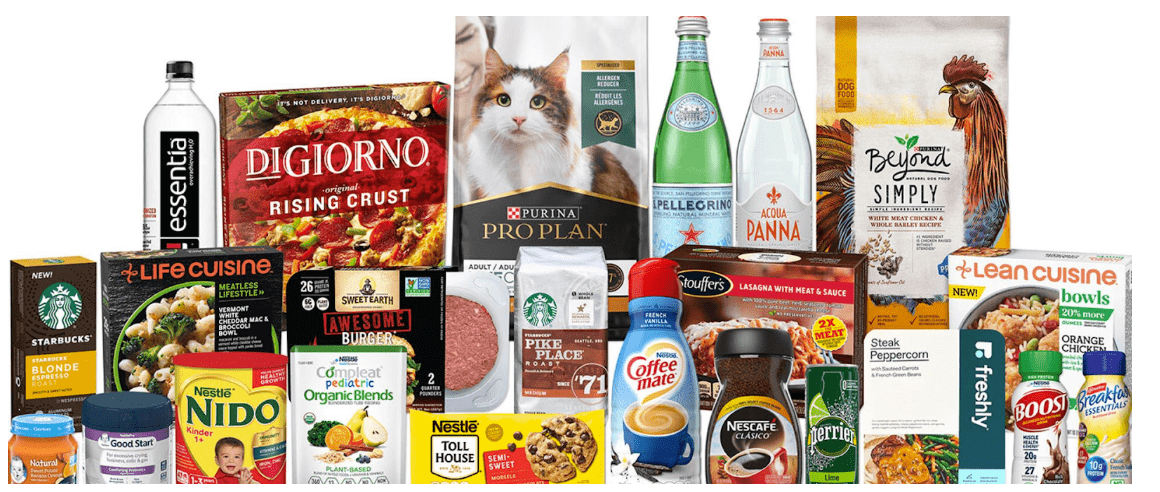
Some of their most popular products include Nespresso, Purina, KitKat, and DiGiornio.
Nestle has also been a part of co-branding partnerships with companies like Dawn and Android.
Consumers look at Nestle as one of the leading food and drink industry companies without even knowing their impact in other areas.
P&G classifies itself as a company with “iconic brands that you can trust in your home.”
Procter & Gamble products have been a staple in homes for nearly 200 years.
Their company delivers baby, feminine, grooming, and home care products.
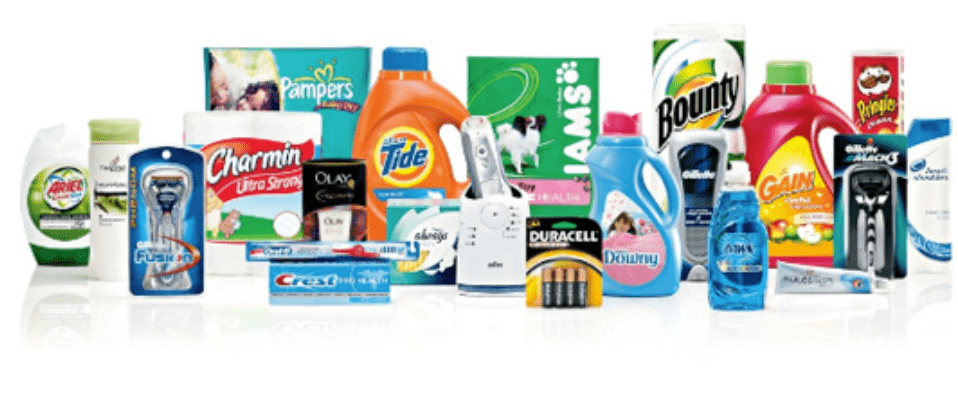
Some of their popular brand names include Febreze, Gain, Pampers, Always, and Venus.
It is practically impossible to walk into a home and not find a Procter & Gamble product.
L’Oreal is a global beauty brand that has a rich portfolio of diverse brand names within the beauty industry.
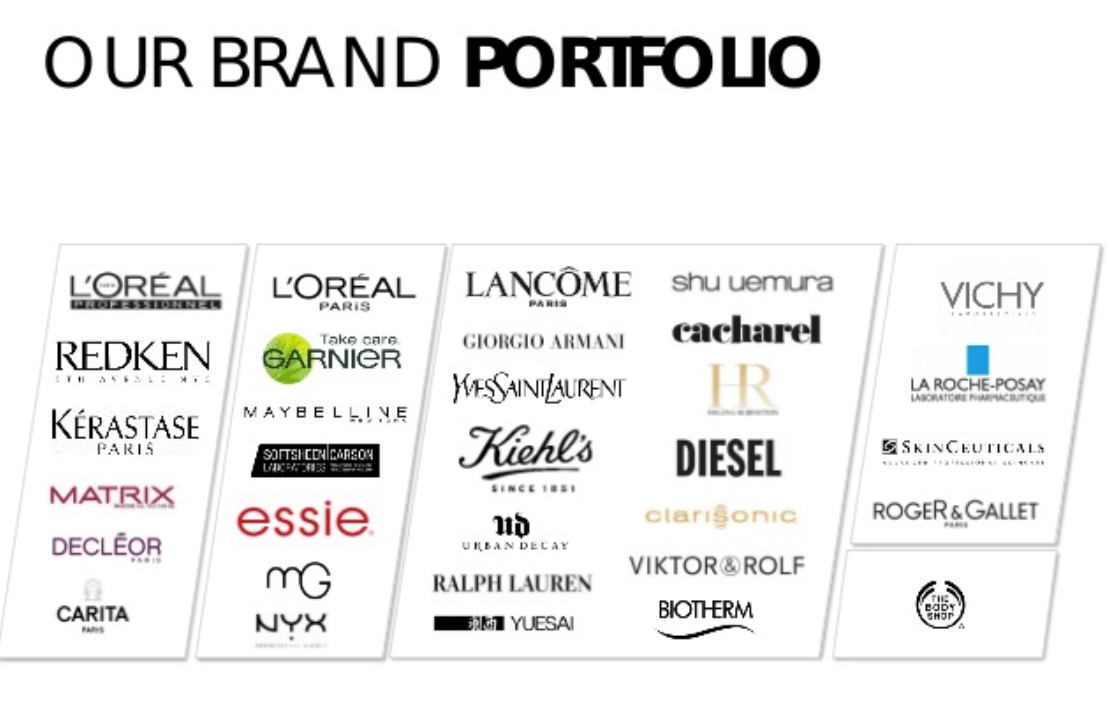
Some of their most popular brands include Maybelline New York, Essie, YSL, Ralph Lauren, and Garnier.
Because of its reach in all sectors of the beauty industry, L’Oreal has become a titan in multi-brand strategy.
A multi-branding strategy can be extremely beneficial to larger brands, and not necessarily for new businesses.
With the correct approach, businesses can increase market share, appeal to newer audiences, and satisfy loyal customers that might want to see or try something new.
To implement a solid multi-branding strategy, businesses need to think strongly about consumer impact, market life cycles, and, most importantly, brand management.