
How to Define Brand Values That Guide Every Business Decision
Brand values are the principles that guide company decisions, define what a brand stands for, and shape how it treats customers, employees, and partners.
Updated February 24, 2026

While a new look may reflect evolving company values, it can also alienate the customer base. Many people are loyal to a company’s existing brand. With a poorly executed rebrand, customers may begin to question a company’s core identity.
According to Clutch data, 87% of consumers form assumptions the moment a brand changes, visually or verbally, and not all of these assumptions are positive. While 43% may see it as an attempt to stay modern, 13% view it as an effort to shift its audience, and 12% suspect the changes are covering up a problem.
These reactions underscore the importance of a strong rebranding strategy. Appreciating how branding affects customer trust and the long-term success of your company helps you understand how to properly rebrand. You have to test, communicate, and execute the change effectively so it feels authentic and well-aligned with your customers' needs.
Looking for a Public Relations agency?
Compare our list of top Public Relations companies near you
Consumer backlash to unpopular rebrands can be brutal, costing companies millions in failed marketing campaigns. Not to mention, some of the worst rebrands even become infamous internet memes. Marketing teams need to plan their rebranding strategies carefully and avoid these five major mistakes.
Many companies rebrand simply because they feel their logos are outdated and not because of any real strategy. But when they don't understand the reasons for a rebrand, customers can get confused by the changes.
“The ‘why’ is everything,” states Austin Schulenburg, Founder and Creative Director of design studio Pen & Mug. “If a rebrand is tied to actual business evolution that brings more value to customers, they’ll get in on it and share the excitement.”

Unfortunately, the opposite can be true when a brand lacks a good reason for the change. In 2010, Gap switched its logo from the familiar, elegant blue-box design to a more minimalistic look, with the word “Gap” next to a small, semi-transparent blue square. With no apparent rationale for the change, customers reacted poorly to the bland new logo, and the company returned to the original version after only six days.
Unfortunately, marketing teams don’t always research how the public perceives their current branding strategy before they change course. Without understanding existing perceptions, marketers can’t accurately anticipate customer reactions to their rebrand.
Replacing existing branding with popular trends doesn’t guarantee a positive reaction. If anything, switching familiarity for current fads weakens trust and risks alienation.
Brands connect with people on many levels. A familiar name or catchy tagline can engender trust and evoke positive emotions. Classic logos like McDonald’s golden arches or Coca-Cola’s flowing script are iconic symbols that many people have nostalgic personal associations with.
When a well-known brand transforms without warning, people instinctively react with confusion or anger at the loss of something they’ve grown comfortable with.
In August 2025, Cracker Barrel removed the iconic Uncle Herschel image from its logo after almost 40 years. Customers who saw Herschel as a symbol of Southern nostalgia found the new yellow logo sterile and out of touch. Business value plummeted by nearly $100 million, and the company switched back to its original logo within a week.
Concept testing, A/B testing, and soft rollouts offer opportunities for companies to test new branding concepts before investing time and money in a major rebranding campaign. They also help customers get used to a rebrand and even offer feedback before a full launch.
When a company skips concept testing, it's hard for marketing teams to know if the new branding aligns with customer preferences. They can’t validate their ideas or refine concepts to resonate with the target market.
For example, in 2009, Tropicana switched its familiar logo of an orange with a straw for a simple glass of orange juice. While the marketers were excited by what they'd come up with, they failed to do enough testing to gauge customer reactions. Upon release, customers found the new logo generic and unrecognizable, leading to a 20% drop in sales over two months. Tropicana changed back to its familiar logo after spending $35 million on its marketing campaign.
Many companies have valid reasons for business rebranding. Maybe it has expanded its product line and wants to reflect that in its branding. Or perhaps the organization's values have shifted in response to customer feedback, and the brand wants to create a more positive image.
However, if a company fails to effectively communicate the reasons for a rebrand to its customers, the public will fill in the blanks. Allowing assumptions to spread unchecked can erode brand trust, especially if people start wondering whether your core values no longer align with theirs.
In 2018, the weight loss company Weight Watchers rebranded as “WW International, Inc.,” stating it wanted to shift focus from losing weight to general wellness. The problem arose out of a lack of explanation. Without a clear message of what “wellness” meant or what the new name stood for, people lost faith in the brand.
To avoid common rebranding mistakes, your strategy needs to systematically address every factor associated with creating, testing, and communicating a brand change that resonates clearly with your core audience.
Are you rebranding to communicate a change in your business practices or values, or are you updating out of boredom?
Failing to identify why you need to rebrand can signify a problem, according to Schulenburg, who warns, "If you’re refreshing your brand without changing anything else, it may ring hollow to your customers."
Identify the strategic triggers for your rebrand. For example, if you've merged with another company, you may want to blend multiple company identities into a single brand. Expanding your brand to international markets can require creating a brand identity that appeals to multiple cultures.
However, if you're hoping that changing your logo or adopting a new tagline will attract more customers, you may be chasing trends rather than establishing an evolving identity. Invest resources to highlight fundamental shifts in your business, not cosmetic changes.
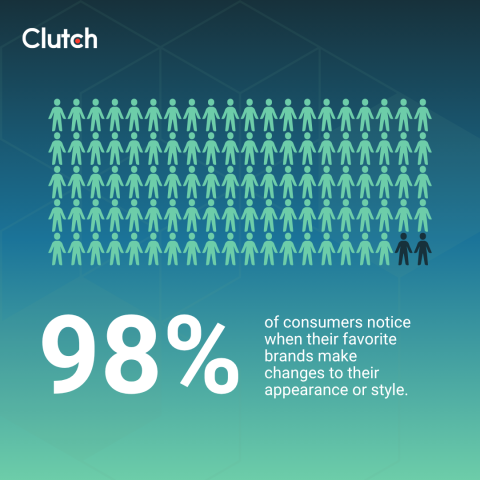
According to Clutch data, 98% of consumers notice when brands change. Even subtle adjustments can trigger strong reactions. Marketing teams need to understand what customers have become emotionally attached to before making any brand changes.
“When it comes to subjective feedback, be sure you value your target customers’ preferences equally to, if not more than, the preferences of your leadership team,” states Schulenburg.
Conduct customer interviews to learn about their experiences with your company and how they perceive your brand. Let them share ideas for potential new logos and rebranding strategies in focus groups. Collect their opinions through surveys, and monitor discussions they have about your products or services on social media to assess your brand’s online reputation.
All this customer data helps you construct more detailed and accurate buyer personas. By understanding customer motivations and pain points, you can see where they experience confusion or frustration in their buyer’s journey and tailor your messaging to appeal to their sensitivities.
Rebranding doesn't mean changing everything about your business. In fact, 60% of consumers say rebranding feels authentic when the new look still matches the product or experience, while 52% want brands to stay mostly consistent, with only small updates every few years.
Use your research to create a “brand memory” checklist that identifies the colors, shapes, phrases, and core ideas consumers are emotionally attached to. By preserving the most vital elements in your rebrand, you can keep your messaging recognizable and retain consumer trust.
Once you create brand concepts, identify testable elements like different color schemes, icons/imagery, or landing page designs. Create two versions (A/B) of your brand content with a single difference between them, and define the key metric that determines success (for instance, an increase in conversion rates). Test both versions simultaneously with two test audiences to see which generates a preferred response.
You can soft-launch rebrand concepts to loyal users or regional markets through exclusive previews. Gather feedback on new elements, such as logos or page redesigns, and use the additional data to refine them before a wider release.
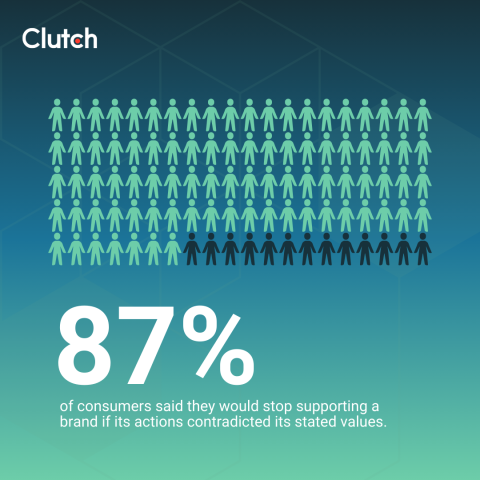
Clutch data shows 50% of consumers who learn the reason behind a rebrand find that it makes the change feel more authentic, while 87% form their own assumptions when left without an explanation for rebranding.
Be transparent with customers about why you’re changing certain brand elements and which concepts you’re retaining. “A rebrand is an outward expression of the internal growth that your customers will never see,” Schulenburg explains. “It’s a great opportunity to celebrate those wins and get people excited about where you’re heading next.”
Connect your rebranding efforts to customer benefits by explaining how your updated messaging and service will improve buyers’ experiences. By showing consumers tangible improvements alongside your rebrand, they’re more likely to respond positively.
Make your employees active participants in the rebranding process. Explain the reasons behind the rebrand and gather feedback from them to help create and/or refine rebrand concepts. Select internal “brand ambassadors” to communicate the change among peers and address any concerns.
Provide comprehensive training through FAQs, scripts, internal launch decks, and workshops. All your teams must be comfortable showcasing new brand values and messaging before your public rollout.
Build excitement for your new brand by rolling out your rebrand in multiple phases, starting with your internal teams and moving up to the public with confidence.
“When a rebrand brings real value that aligns with your brand’s core values and value propositions, your audience will love it,” reminds Schulenburg.
Hold an internal launch event weeks before your public announcement. Offer employees branded merchandise, activities, and opportunities to practice updated brand guidelines.
Connect with partners, vendors, and loyal customers in advance of your launch. Let them know how the rebrand will benefit them and provide vendors with new branded materials.
Announce the rebrand to the public through teaser campaigns via social media and other channels. On launch day, provide press releases, website updates, email campaigns, and social media posts informing everyone of the changes. Offer product experiences that demonstrate the new brand. Communicate a clear narrative that emphasizes how this rebrand will benefit everyone moving forward.
Companies that spring new messaging and packaging designs on unsuspecting consumers, just assuming their customers will “get it,” risk alienating the markets they hope to attract. On the other hand, companies that understand why their brand needs to evolve can develop growth strategies that lead to sustainable, long-term profitability.
By researching customer needs, testing concepts, and communicating how the new brand improves the consumer experience, you can offer a change that your customers embrace.
Working with experienced branding agencies helps you navigate the rebrand process with confidence. Review profiles from top agencies and start revitalizing your brand today.