
How to Define Brand Values That Guide Every Business Decision
Brand values are the principles that guide company decisions, define what a brand stands for, and shape how it treats customers, employees, and partners.
Updated September 29, 2026

Rebranding can be an epic transformation — or a catastrophe your customers never let you live down. How can you avoid a spot in the Worst Rebrands Hall of Fame?
The worst rebrands of all time include Gap (2010), Tropicana (2009), Jaguar (2024), Twitter's switch to X (2023), and Cracker Barrel (2025). Each one stripped away something customers loved without explaining why. The fallout ranged from a 20% sales drop to nearly $100 million in lost market value, and several brands reversed course within days.
Tropicana learned that lesson twice. In July 2024, the brand rolled out slimmer orange juice bottles with a screw-top cap in place of its iconic crown cap. By November, shoppers were in open revolt. The new bottles held 46 ounces instead of 52, and customers saw the change as an attempt to hide shrinkflation (TODAY). One critic called the design "uninspiring" and "a brand misstep."
Looking for a Public Relations agency?
Compare our list of top Public Relations companies near you
This cautionary tale shows how poorly executed rebrands can damage trust and brand recognition, eroding hard-won customer loyalty.
Of course, not all rebrands flop, as effective branding agencies can attest. When done well, these transformations can feel bold and signal a new direction for your business. A recent Clutch survey found that 98% of customers notice brand changes, and 51% like updates from their favorite brands.
So, how can you pull your rebrand off without a hitch? Start by learning from the mistakes of companies before you. We've ranked the worst rebrands of all time, why they backfired, and how you can avoid suffering the same fate as Tropicana.
Plenty of rebrands fail, but most get forgotten quickly. The truly terrible ones leave lasting stains on their companies. We ranked this list of the worst rebrands based on five factors:
We've backed up our rankings with available data so you can see just how much a bad rebrand affects business. Here's the quick version:
| Rank | Brand | Year | What changed | Fallout | Reversed? |
| 1 | Gap | 2010 | Serif logo swapped for Helvetica | Viral backlash, press ridicule | Yes, within a week |
| 2 | Tropicana | 2009 | Orange-and-straw packaging replaced with a generic glass of juice | 20% sales drop in two months | Yes |
| 3 | Jaguar | 2024 | New logo, "Copy Nothing" campaign, no cars shown | European sales down 97.5% in April 2025 | No |
| 4 | Twitter to X | 2023 | New name, bird logo scrapped | 23% usage decline, advertiser exodus | No |
| 5 | Cracker Barrel | 2025 | Uncle Herschel and "Old Country Store" removed | ~$100M in market value lost, 8% traffic drop | Yes, within days |
| 6 | Weight Watchers to WW | 2018 | Name shortened to "WW" | Member confusion | Yes, back to WeightWatchers |
| 7 | Standard Life Aberdeen to abrdn | 2021 | Vowels dropped from name | Became an online meme | No |
| 8 | Yahoo | 2013 & 2019 | Two logo overhauls in six years | Seen as unfocused | N/A |
| 9 | RadioShack to The Shack | 2009 | Name shortened, later a crypto pivot | Widespread ridicule | Partly |
| 10 | Petco | 2020 | Ruff and Mews mascots dropped | Customer anger online | Partly |
The list also highlights the red flags that show up again and again. Add these rebranding sins to your "to-don't" list.
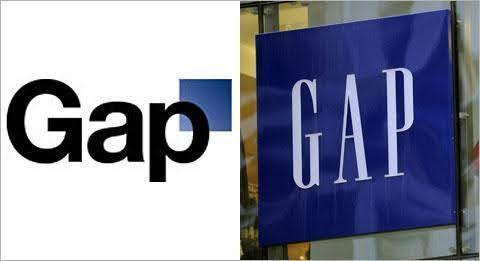
Gap's logo redesign started innocently enough. The fashion retailer wanted a more modern logo, so it swapped its signature serif font for Helvetica. It also shrunk its signature blue background into a small box and stuck it behind the now lowercase "p." Classy, right?
Nope. These seemingly small changes kicked off one of the most infamous rebranding disasters of the 21st century. Customers felt alienated by the unexplained update, their loyalty vanishing faster than a stack of half-price jeans. Soon, Facebook feeds were filled with outraged posts about the change. Journalists joined the condemnation, with one writer claiming the new logo "looks like something my pet hamster could cook up in PowerPoint."
To Gap's credit, the brand recognized its mistake almost immediately. It reversed the change within six days, and it hasn't touched the beloved logo since.
Severity of the mistake: Extremely high. Gap immediately lost all its credibility and had to completely abandon its rebranding attempt. It's an excellent case study of the perils of "corporate banality." Customers didn't ask for a modern Gap logo, and they certainly weren't happy to see it.
Lesson: Customers are nostalgic, and they don't appreciate unexpected changes. If you want to strip brand recognition, make sure your change comes with a strong narrative or product change.

Tropicana has had two failed rebranding debacles within 15 years. The first happened in 2009, when the company launched a more modern package for its orange juice.
The 2009 redesign replaced the orange and straw with a bland glass of orange juice. The text on the package still said "pure & natural," but the image of the juice looked artificial and less appealing than the orange. The new package also rotated the Tropicana logo 90 degrees and used a sleeker font.
Tropicana quickly discovered its audience's attachment to the original packaging. Many people failed to recognize the new version as the same juice, and those who did weren't fans of the ultra-modern, corporatized look. Within two months, sales had dropped a staggering 20%, costing the company an estimated $30 million.
It's not surprising that customers had such a strong reaction when Tropicana erased its familiar visual anchors. According to the Clutch survey, 64% of consumers notice logo updates, and 60% spot packaging redesigns. When the juice company changed both at once, shoppers were left confused and frustrated.
The 2024 bottle redesign repeated the pattern. Tropicana's sales fell 19% year over year by October 2024, and the brand lost about 4% market share to Simply Orange, according to Circana data reported by TODAY.
Severity: Extremely high. This misguided attempt at rebranding was financially devastating, and totally avoidable if Tropicana had understood its audience's connection to the brand.
Lesson: Visual anchors matter a lot to customers. If they can't recognize a product on the shelf, they might skip it entirely.
In November 2024, Jaguar unveiled a new identity built around the slogan "Copy Nothing." The British carmaker replaced its leaping cat emblem with a rounded, mixed-case wordmark and launched a teaser video full of models in bright colors. It didn't show a single car.
The internet reacted fast. Fans and critics mocked the campaign, and Jaguar's managing director, Rawdon Glover, publicly defended the rebrand against what he called "hatred and intolerance" online.
The numbers got worse from there. Jaguar registered just 49 cars across Europe in April 2025, down 97.5% from 1,961 a year earlier, according to European Automobile Manufacturers' Association data reported by DesignRush. Part of that drop was planned: Jaguar had retired most of its lineup ahead of its switch to electric vehicles. But the rebrand gave customers nothing to buy and no clear reason to wait.
Jaguar design chief Gerry McGovern, who led the rebrand, left the company in late 2025, shortly after a new CEO took over. Jaguar hasn't said whether the two are connected.
Severity: Extremely high. Jaguar alienated its loyal buyers before it had a product to win over new ones.
Lesson: A rebrand has to connect to what you actually sell. If customers can't see the product in your new identity, they'll fill the gap with their own story.
While Gap's and Tropicana's rebrands have faded from public memory, the death (or rebirth, depending on who you ask) of Twitter is still fresh. Tech tycoon Elon Musk took over the social media site in October 2022 and rebranded it less than a year later. This dramatic update changed the platform's name to X and scrapped the charming blue and white bird logo. Musk even gleefully announced, "We're cutting the Twitter logo off the building with blow torches."
Unsurprisingly, rebranding Twitter caused widespread criticism and confusion. Advertisers felt alienated, and many users deactivated their accounts in protest. X usage declined by 23% in the first 16 months of Musk's ownership, eroding billions of dollars of brand equity.
The name change also didn't stick. News outlets frequently refer to the site as "X, formerly Twitter," and a 2023 poll found that 95% of users still call the platform by its original name.
"The most successful rebrands don't demand instant approval," explains Kristijan Binski, Co-Founder & Creative Director of Uniko Studio. "They allow audiences to grow into them, at their own pace, with trust leading the way."
Effective rebrands also explain the reason for the change. Clutch data reveals that 87% of consumers make assumptions when brands change their look. X gave no narrative to fill that gap, which is why it's one of the worst rebranding attempts in recent history.
Severity: Culturally catastrophic. This mishap demonstrates how ownership-driven rebrands can ruin years of goodwill.
Lesson: When brands have deep emotional or cultural ties, rebranding is much riskier.
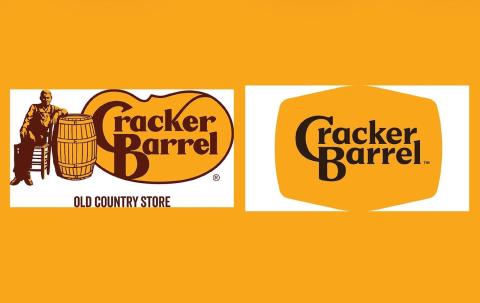
When you picture people eating in Cracker Barrel, you probably see older people and families. In August 2025, the restaurant tried to appeal to younger diners by modernizing its logo. Gone were the famous illustration of Uncle Herschel and the slogan "Old Country Store." It also replaced the rustic font with a generic one and put it inside a bland hexagon.
Like the Gap debacle, the new design immediately sparked cultural and political backlash. For people in the core audience, the rebrand felt unrecognizable. Other naysayers thought the update didn't distance the restaurant enough from its outdated associations. While Cracker Barrel quickly reverted to the original logo, the backlash reportedly cost it almost $100 million in market value.
The damage outlasted the reversal. Restaurant traffic fell 8% after the logo rollout, and the company scrapped its planned store remodels after updating just 4 of its 660 locations, according to FOX 10.
Severity: High. This botched rebranding shows how nostalgia brands can't change their identity overnight, at least not without extensive audience research and a tightly controlled narrative.
Lesson: For brands tied to nostalgia or cultural identity, even minor updates can feel like a betrayal if the business isn't transparent. Avoid unpleasant surprises by testing messaging before the rollout and clearly explaining why you're pivoting.

Strict dieting fell out of fashion in the 2010s as customers started prioritizing holistic wellness over the number on the scale. Weight Watchers tried to adapt to this trend by rebranding as the more generic "WW."
Half of consumers say brand refreshes feel authentic when the brand explains why they made the change, according to Clutch data. WW didn't clearly explain what its new name meant. This ambiguity left loyal members baffled and concerned that the brand was abandoning its entire premise.
"The true rebrand lies in balance, evolving without losing what made the brand trusted in the first place," explains Binski. Lose that familiarity, and customers may revolt.
Severity: Moderate. The shift confused members and diluted the company's mission. The company now goes by WeightWatchers again. It filed for Chapter 11 bankruptcy in May 2025, a move driven mostly by the rise of GLP-1 weight-loss drugs (CBC News).
Lesson: Clarity is key. A rebrand should build on your legacy and purpose, not erase them.
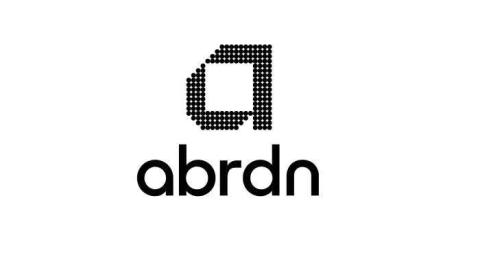
In 2021, the investment company Standard Life Aberdeen tried to become more "modern" and "agile" by renaming itself abrdn. But the vowels weren't the only casualty of this botched rebrand. abrdn also damaged its reputation, with many people ridiculing the name change online. Instead of becoming more relevant, the company became a meme. Ouch.
Severity: High. By prioritizing cleverness over clarity, abrdn lost credibility and respect.
Lesson: Changing your brand name is high stakes, so don't do it on a whim. Legacy matters.

Brand consistency matters to consumers. Nearly half (44%) say they lose trust if a brand makes updates more than once within a year, Clutch data shows. While Yahoo's rebrands weren't that frequent, it did have major updates twice in six years.
In 2013, the search engine tried to gain relevance with a "30 Logos in 30 Days" campaign. It showed off 30 variations of the company's new purple logo before finally unveiling the final, 31st version. While some people thought the stunt was innovative, others saw it as unfocused and gimmicky. Six years later, Yahoo debuted another logo that was even more purple, yet also geometric and forgettable.
According to Binski, patience is the key to a successful rebrand. "For brands with established equity, subtle evolution often signals confidence," she says. "It tells the world, we know who we are." With its frequent updates, Yahoo seemed like it was having an identity crisis, which hurt its credibility.
Severity: Moderate. Two back-to-back rebrands made Yahoo seem unfocused and damaged trust.
Lesson: Frequent rebrands make companies look unstable. Branding should establish your identity, not muddle it.
In a desperate attempt to become hip, RadioShack shortened its name to "The Shack" in 2009. Like abrdn, the transformation was widely ridiculed as out of touch, with one journalist suggesting it rebrand as "JunkShack" instead.
In 2021, the brand mystified its remaining customers once again by pivoting to a crypto platform. While neither rebrand was catastrophic, RadioShack made this list for alienating its audience twice.
Severity: Moderate. These failed rebrands were a dying brand's desperate attempts to cling to relevancy.
Lesson: Companies should rebrand when they're transforming their strategies, not as an effort to revive a failing business model.

When Petco rebranded as a health and wellness company, it left something behind: Ruff and Mews. These adorable cartoon pets had been part of the logo for years, but they didn't have a place in the new, simple blue design.
Customers responded to the loss of the familiar mascots with anger and confusion. One Twitter user wrote, "Your new logo is cold and lifeless." The company later added the mascots back in a less colorful form.
This redesign is lower on our list because the logo change was just one part of an overall rebranding strategy. Still, Petco could have avoided confusing customers with better communication.
"When a company rebrands, explaining why is essential," says Binski. "Silence breeds speculation, but storytelling builds trust. The goal is to help people recognize continuity through change and understand that evolution represents positive growth." If Petco had explained the reason for erasing Ruff and Mews, customers probably would have been more receptive.
Severity: Mild. This rebranding was only a misstep, not a full-blown crisis.
Lesson: When you remove beloved brand elements, customers may feel disconnected or upset.
The worst rebrands on this list fail for the same five reasons:
These missteps matter. Clutch found that 87% of consumers make assumptions when a brand changes its look, and 50% want to know the reason why. Authenticity also matters to 60%. Fail to meet these expectations, and backlash often swiftly follows.
"A successful rebrand isn't about chasing trends or aesthetics," Binski explains. "It's about reshaping how people feel about a brand's evolution. When done with intention, it becomes the next natural chapter of a story that already feels familiar."
As this list shows, the worst rebranding strategies often flop because they feel like an entirely new book, not a fresh chapter.
Set yourself up for success by focusing on purposeful changes, not boardroom wins. Only rebrand if your new identity is tied to a strategy or mission change, or audience growth.
Start testing your new identity as soon as possible. "Every successful rebrand should begin with an extensive presentation deck that showcases how the new identity lives in the real world," Binski suggests. "Seeing the brand applied across various touchpoints allows decision-makers to visualize consistency, tone, and impact before any public reveal."
For example, show what your rebranded packaging and Instagram account would look like, not just the new logo in isolation.
Don't assume your customers will automatically love your rebrand.
Binski recommends extensive testing before you go live: "Pilot the new direction through limited campaigns or soft launches. Test your audience's emotional reactions in real contexts. Behavioral data on how people engage, share, and respond offers far deeper insight into sentiment and readiness than words on a feedback form ever could."
Rebranding your website? Use heat mapping to measure interaction. If you're testing new packaging, simulate a shopping experience and see how many people pick it up off the shelf. These experiments tell you more than simply asking if someone likes your rebrand.
Consider easing into your rebrand instead of hard-launching everything at once. This lets you collect constructive feedback along the way.
"Taking a phased approach that combines data with real human feedback helps build confidence and momentum from within," says Binski. "The goal isn't to force instant acceptance, but to create clarity and continuity, allowing people to connect with the new identity naturally and with trust."
This could be as simple as launching a new slogan or color palette before you unveil a different logo.
Gap's 2010 logo change is widely considered the worst rebrand of all time. The retailer swapped its classic serif logo for Helvetica, faced immediate online backlash, and reversed the change within a week. Tropicana's 2009 packaging redesign is a close second because it caused a 20% sales drop in two months.
Most rebrands fail because they remove elements customers recognize without explaining why. Clutch's rebranding survey found that 87% of consumers make assumptions when a brand changes its look, and 50% want to know the reason behind the change.
Yes, if it's temporary and tied to a clear goal. In 2018, IHOP briefly changed its name to IHOb to promote a new line of burgers. The internet mocked the stunt with memes, but it quadrupled IHOP's burger sales. The difference is that IHOP had an exit plan and went back to its original name.
Rarely. Nearly half (44%) of consumers say they lose trust if a brand makes updates more than once within a year, according to Clutch data. Most successful brands make small visual updates over time and save full rebrands for major changes in strategy, mission, or audience.
Rebranding isn't inherently bad or dangerous. In fact, it's often necessary to keep businesses competitive. However, the worst rebrands rankle customers and erode trust. It's an expensive lesson to learn.
Stay on your audience's good side with thoughtful, well-tested updates. Check out these 10 rebranding examples that broke the rules and won for more ideas on how to launch a successful rebranding campaign.
Not sure where to start? Consider hiring a branding agency for expert guidance. Professionals can work with you to revamp your image without losing your core identity or turning off customers. Best of all, they'll help you avoid becoming one of these case studies, or worse, another internet meme.