
Your Brand Strategy Problem Probably Isn't a Messaging Problem
AI made brand execution cheap, but not brand strategy. Here's why agencies must shift from logos to diagnosing the gap between what companies say and do.
Updated May 25, 2026

From memorable logos to unique messaging, a distinct brand identity is essential for building recognition and connecting with your audience. With insights from BRIGADE’s executive creative director, Kirsten Modestow, this article will help you develop an effective brand identity strategy for your business.
When you think about famous brands, you probably picture specific images, colors, or even tunes. For example, anyone who has ever eaten at a McDonald’s will instantly recognize its signature golden arches and red and yellow color scheme. These iconic visual elements build familiarity and clearly distinguish the brands from competitors.
Large corporations may have multi-million dollar marketing budgets, but you don’t need to spend a fortune to build a unique brand identity. By creating consistent messaging and highlighting your business’s strengths, you can make a lasting impression on potential customers.
Looking for a Public Relations agency?
Compare our list of top Public Relations companies near you
A solid brand identity strategy also lets you showcase your company’s personality and values, strengthening your relationship with your audience.
There’s no one-size-fits-all approach to building a powerful brand image — if there were, every business would be as well-known as McDonald’s. However, our proven strategies will help you define your brand identity and connect with customers.
Looking to hire a branding agency? Search for industry-leading service providers on Clutch. Filter by location, pricing, and client ratings to find the perfect partner for your project.
Brand identity refers to the unique set of visual and textual elements that represent a business. These characteristics give the brand personality and differentiate it from other companies. Many elements combine to form a brand identity, such as:
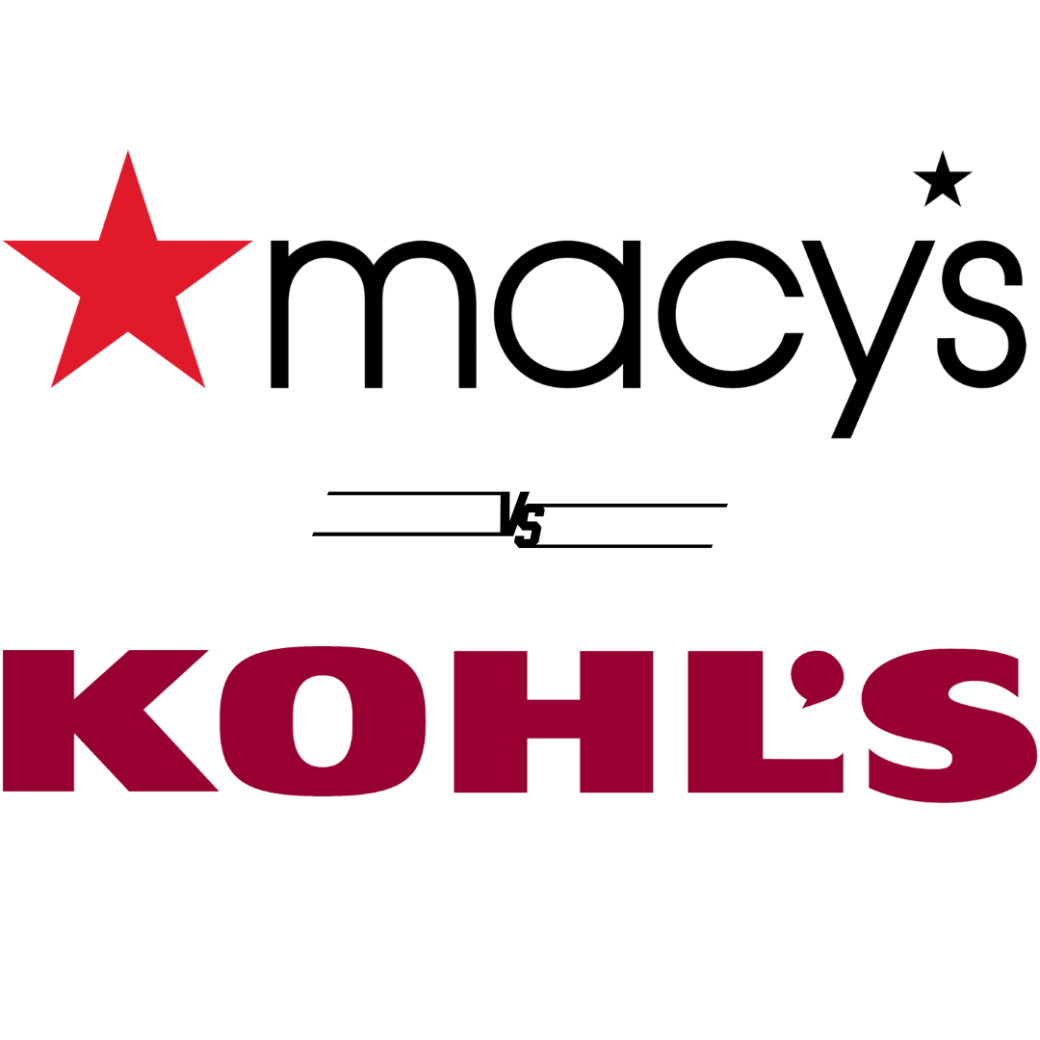
For instance, the Kohl’s logo spells its name in bold, blocky font, while the Macy’s logo features a bright red star and slim, lower-case letters. These distinct typographies enable customers to distinguish between the two clothing brands at a glance and reflect each company’s unique personality. Kohl’s logo radiates confidence and modernity, while Macy’s has a chic and elegant feel.
Of course, shaping your business’s identity isn’t just about picking the right visual elements. Your brand strategy should also resonate with your target audience.
“Chances are, the market already has products or services that are similar to yours,” says Kirsten Modestow, founder and executive creative director at BRIGADE. “Designing a brand identity that is attractive to your very specific target market and then getting your message to that audience in the most surgical ways possible is going to help you not only connect to the right person but also create a halo effect for an aspiring audience.”
This customer-centric approach will help you attract customers and stand out in a crowded market.
While a few brands become household names overnight, that’s not the norm. Even globally recognized brands have spent years carefully building and improving their brand identity. This process takes careful planning, time, and research.
Here are five strategies to help you build a one-of-a-kind brand identity that engages your target audience.
You can’t describe what makes your brand unique unless you understand where you fit into the larger industry. Market research helps you analyze your target audience’s needs and identify gaps your business can fill.
“Understand your positioning as a brand,” Modestow advises. “Your brand’s positioning is essential to your business’ success. Positioning considers where you fall in the market relative to your competitors, and is thoughtfully articulated to ensure your audiences choose you over any other options.”
Let’s say your business sells dog treats. You could start your market research by surveying customers about their preferences, such as their pets’ favorite flavors and health needs. Next, examine your competitors’ offerings to identify what sets you apart and look for untapped opportunities. For example, if customers express interest in treats for pets with allergies, you could brand yourself as a health-conscious company.
The benefits of market research go beyond shaping your brand identity. “When done well, it can act to align your internal stakeholders and workforce, create efficiencies in sales and marketing efforts, boost brand awareness and sentiment among your audiences, and ultimately, impact business outcomes (be it sales, donations, participation, recruitment, retention, etc.),” Modestow observes. “This will be your north star when it comes to your branding.”
In other words, the time you invest in market research can influence every aspect of your business, helping you achieve sustainable growth and strengthen client relationships.
Your brand identity is more than its color scheme or logo. Telling a compelling story about your brand’s origins and values will make your brand more memorable and relatable.
For instance, Häagen-Dazs has built a reputation as a luxury ice cream brand. The brand’s promotional materials consistently reinforce this message, with taglines like “Every moment elevated” and “Discover your indulgence.”
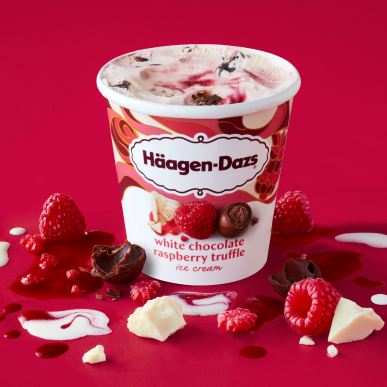
The brand’s elegant packaging adds to the storytelling, with rich colors, minimalist design, and indulgent flavor names like “DIVINE.” Together, these elements define the brand’s identity as one of quality and sophistication.
By focusing on your brand’s story, you’ll set yourself up for long-term success. “Shoring up your foundational elements and storytelling not only ensures visuals are consistent and everyone on the team speaks the same language, but it also positions you for future growth,” Modestow notes. “When done correctly, your customers will also speak about your brand the way you do!”
This storytelling can have a significant impact on your brand identity, making it more memorable and emotionally resonant.
Many businesses invest significant time into designing and perfecting their logos. This image will appear on your packaging, marketing materials, and website, so it’s only natural to want to create the best visual representation possible. However, it’s important not to focus all your energy on the logo alone.
“Many people believe, ‘A logo will solve my problems,’” Modestow explains. However, she cautions marketers not to get too caught up in this element. “Branding digs deeper than a wordmark or logo. It encapsulates your entire identity and perception of a company or product. Branding is built through consistency, differentiation, experience, culture, and adaptability.”
Hydro Flask, for example, has successfully tailored its brand identity to appeal to adventure lovers and outdoor enthusiasts who care about their carbon footprints.

It caters to this audience with recycled packaging, nature-filled marketing imagery, and eco-conscious slogans like "Refill for Good."
Instead of obsessing over your logo, channel your energy into developing meaningful content, tailoring your message to your audience, and sharing thought leadership pieces. These strategies will help you build stronger relationships with your audience and establish your brand’s authority.
4. Identify What Long-Term and Short-Term Success Looks Like
There are many ways to measure success in branding. When you're first establishing your brand, you might be thrilled to get 100 likes on a social media post or be spotlighted in a local news article. As your brand matures, you may aim for loftier goals, such as gaining household name recognition or becoming an industry leader.
Establishing clear goals from the get-go will help you set reasonable expectations and measure your progress as you shape your brand identity. Use the SMART framework to create goals that are:
Start by identifying long-term objectives you want to accomplish in six months to a year. Here are a few examples for inspiration:
Next, break these major objectives into short-term goals that you can achieve in one to three months. For instance, you might aim to launch a social media campaign with your new slogan this quarter. This systematic approach will help you make steady progress and stay motivated.
It’s best to define your brand identity as early as possible. That way, you can share uniform messaging across all your platforms.
“Since one of the keys to branding is consistency, the sooner you can define the visual and verbal identity of your brand, the stronger [chance] your brand has of becoming a household name,” says Modestow.
When customers encounter consistent messaging about your brand, they're more likely to understand your products, mission, and values. Over time, this consistency builds familiarity and strengthens trust, helping you develop lasting relationships.
However, don’t be afraid to switch up your brand identity later. Adapting your persona to new trends or business directions will keep your messaging fresh and relevant.
Creating a distinct brand identity is the key to standing out in a crowded market. By developing a consistent and fascinating story, you’ll hook customers and build a loyal following.
Forming a brand identity can be time-consuming, but you don’t have to do it alone. Browse Clutch’s directory of the top brand strategy providers for specialized assistance. These experts can conduct market research, design graphics, and more to help you craft a cohesive and engaging brand identity.