
How to Define Brand Values That Guide Every Business Decision
Brand values are the principles that guide company decisions, define what a brand stands for, and shape how it treats customers, employees, and partners.
Updated May 28, 2026

Building a unique brand identity is vital for B2B companies seeking to stand out and build lasting relationships, specifically in competitive markets. Learn how to create a powerful B2B brand identity that stands out, builds trust, and resonates with your target clients.
In the world of B2B, a common misconception among many companies is that branding is less relevant than B2C. The truth is that a B2B needs a strong brand identity to make an impression and instill trust. A strong brand identity communicates your values, establishes trust, and differentiates you in a competitive market.
According to a recent Boston Consulting Group study, 25% of B2B companies allocate less than 20% of their marketing budget to branding, even though those with strong brands generate ROI that is more than twice as high (+74%) and have significantly larger market shares (46%).
Looking for a Public Relations agency?
Compare our list of top Public Relations companies near you
That's why having a strong B2B brand identity is crucial for the success of your business!
In this guide, we'll discuss the seven steps with real examples that will help you build a recognized, trusted, attract new customers and respected B2B brand identity.
Looking for a branding agency? Search for industry-leading service providers on Clutch. Filter by client ratings, location, and budget to find the perfect partner for your project.
B2C is typically smaller and provides immediate results, while B2B, due to its larger nature, can take longer to land the deal.
When you have a strong brand in place, it builds trust from day one, which will make sealing those big projects and keeping clients around far easier in the long run.
While B2B may have fewer clients than B2C, the ones they do have continue to grow revenue with them in their long tenure. If you are not, your business is far less predictable because those existing clients don't return, and a strong brand ensures they do.
B2B customers simply don't change providers once they're happy with you. A strong brand helps retain that loyalty but also makes it harder for others to tempt them elsewhere.
A reputable B2B brand can easily get away with charging more because customers expect to pay honored, albeit higher, prices due to your experience and knowledge. This leads to more significant profits.
Again, a strong brand helps decision-making by reassuring purchasers that they are making the correct decision. It simplifies everything to make it faster and easier.
Ultimately, a strong B2B brand isn’t just about making sales. It’s about creating relationships, improving ROI, and setting your business up for long-term success.
In this section, we’ll walk you through seven key steps that will help you build a brand identity that not only connects with your audience but also positions your company as one of the top branding companies in the B2B world.
Every great brand starts with a clear sense of what it stands for. Your core values and mission are the foundation of your brand identity. In the B2B world, trust is everything. Clients feel more connected to your brand when your company's values are clear. It's not just about what you do—it's about:
To define your core values and mission, firstly, be authentic. Don't just copy another company's values. Your brand should reflect what makes your company unique. Then involve your team. Get feedback from your employees and key stakeholders.
Finally, keep it simple. A straightforward mission and value statement is more memorable and effective than overly complicated.

For example, take the Clutch’s values and mission. Their mission? "Meet Clutch - We make it easy to find the right partners to scale your business." Simple and clear. And their core values—transparency, trust, and accuracy—show up in everything they do. That's why Clutch is trusted by many companies looking for reliable partnerships.
Your B2B brand identity only matters if it reaches and resonates with the right people. To build trust and relationships, you must understand the audience's challenges, pain points, and goals. Developing buyer personas ensures that your brand speaks to the right people correctly.
Create buyer personas that include:
First, research your audience to develop buyer personas. Use tools such as Google Analytics, CRM data, and social media insights to understand your usual audience.
Secondly, survey your clients. Ask your existing clients what challenges led them to seek your solutions and what factors influenced their decision to choose your company. Then, segment your audience. Group similar types of buyers into personas based on job roles, industries, or company sizes.
Finally, create detailed profiles. In a detailed profile, document each persona's goals, challenges, and decision-making process.
A strong visual identity is crucial for creating a lasting impression in the B2B marketplace. People always notice it. And it says a lot about you before you even open your mouth.
A consistent visual identity across all media and touchpoints helps create a unified brand experience for potential clients. This consistency breeds familiarity, and familiarity leads to trust.
Key elements of a unique visual identity:
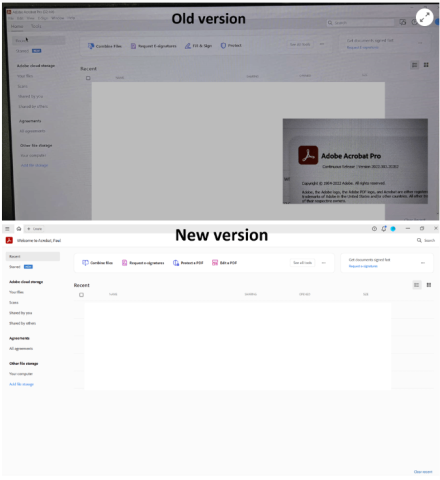
For example, Adobe doesn't change its look every six months. They're steady, consistent, and professional. It's like they've been reading the same style guide since day one, and it works.
Your brand voice defines how you communicate with your audience. In B2B, your voice must balance professionalism with approachability.
It’s essential to maintain a consistent tone across all communication channels (blog posts, emails, or social media). This helps build trust and ensures that your brand is skillfully recognizable.
So, to build a strong brand voice for your B2B brand identity, first ask yourself:
The purpose is to be human, relatable, and trustworthy so that clients feel like they’re talking to experts who understand their world.
Content is your secret weapon for building thought leadership in B2B. It’s not enough to just sell a product or service—you must show that you’re an expert in your field. The more value you provide through quality content, the more likely clients will see your brand as a trusted partner.
Ways to build thought leadership:
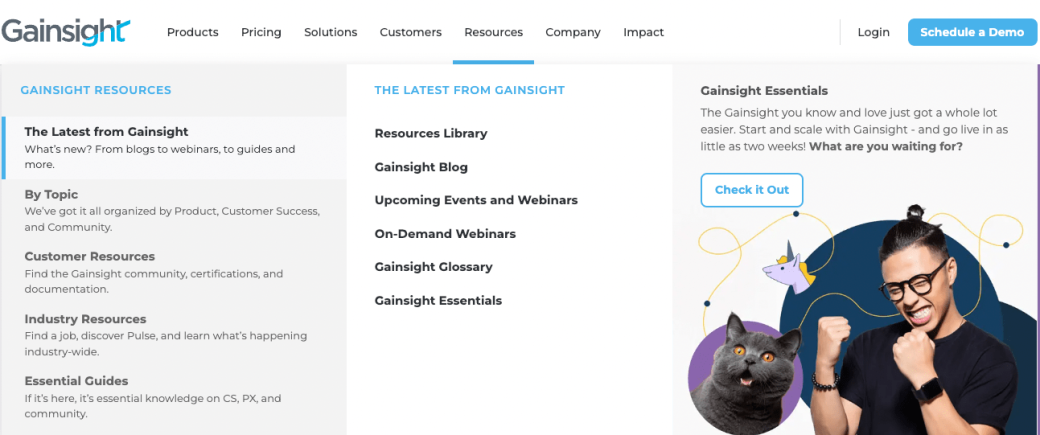
Gainsight uses content to position itself as the go-to expert on customer success, with blog posts, case studies, and webinars that provide value to its audience. Their tone is educational, focusing on delivering value to their audience while maintaining a friendly and supportive vibe.
Owned media refers to any content or platforms that your company fully controls. It relates to the content and platforms —like your website, blog, podcast, or email newsletter. It is crucial to build and maintain a strong B2B brand identity because you're not relying on other platforms to tell your story—you're doing it directly.
Ways to leverage owned media:

HubSpot is a master of owned media. Their blog and HubSpot Academy provide massive value to marketers and business owners and have helped establish the company as a thought leader in marketing automation.
Your brand identity isn't something you set once and never need to update. It needs to evolve as your business grows and the market shifts. If you don't update your brand, even a great product can feel old, and your company might seem outdated. That's why marketing experts suggest reviewing your brand every 3-5 years to ensure it stays fresh.
Strategies To Evolve:
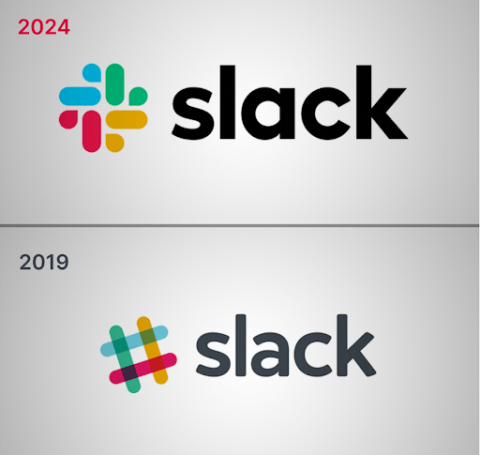
In 2019, Slack underwent a major logo redesign. Their old logo, a colorful hashtag, was fun but pretty complicated, so they simplified it.
The new logo is simple and modern, showing how Slack has grown from a startup into a major player in business communication. This change helped them align their look with who they are now—a leading B2B brand.
If your brand doesn’t look and feel the same across your website, social media, and marketing materials, it can confuse potential clients. So, ensure your visuals, messaging, and tone are the same on all platforms.
Your brand should evolve with the customer’s experience—from first hearing about you to after-sales support. So, adjust your messaging and visuals to meet their needs at every step.
Don’t get lost in the crowd. Highlight what makes your brand unique.
A cluttered logo or confusing message can drive people away. So, try to keep it simple, clear and valuable.
Track key metrics like brand awareness, customer engagement, customer perception, and loyalty to see how well your brand performs. Use tools like Google Analytics, HubSpot, Brandwatch, and SurveyMonkey to gather insights and constantly refine your brand strategy.
If you want to build a powerful B2B branding agency, you first need to start at the basics. Start to identify your ideal customer, assess brand trust, and define your values and USP.
Then, create a consistent, recognizable brand with engaging content and a seamless customer experience. Over time, this will help you connect with your audience, stand out, and reach your B2B marketing goals.
Building brand trust takes time, so stay patient and consistent. The results will come.
Raihan is Head of Design at Ofspace Digital Agency and is a seasoned product designer with over a decade of experience, having worked with leading companies like Augmedix, Gfinity, and Y-Combinator start-ups. As a design advisor and UX consultant, he specializes in mentoring teams and driving successful design outcomes.