
How to Define Brand Values That Guide Every Business Decision
Brand values are the principles that guide company decisions, define what a brand stands for, and shape how it treats customers, employees, and partners.
Updated November 20, 2025

Silence isn’t neutral anymore — customers notice the brands that show up when it counts. Choose your causes with intent and turn that stance into durable loyalty.
In September 2022, Patagonia transferred its ownership to a nonprofit. Any profit not needed to run the business went to climate and biodiversity work. The company framed it as "Earth is now our only shareholder." This move did an incredible job of strengthening the brand's reputation for environmental responsibility.
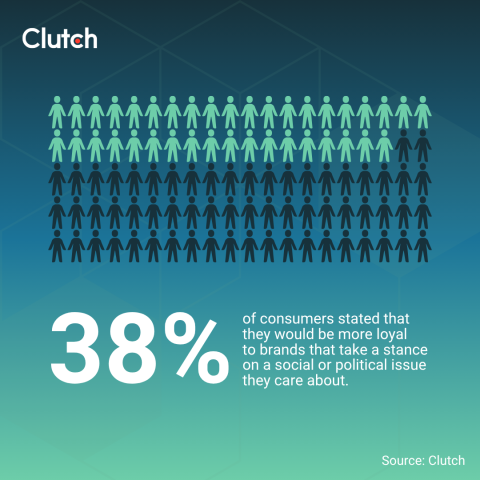
Patagonia's example sets a high bar for cause marketing and cause-driven branding. It also lines up with recent consumer sentiment. In a recent Clutch survey, 38% of consumers stated that they would be more loyal to brands that take a stance on a social or political issue they care about.
Looking for a Public Relations agency?
Compare our list of top Public Relations companies near you
Silence might feel safer in a polarized business environment. However, to many buyers, it reads as indifference. The 2024 Edelman Trust Barometer Report also reveals that people view brand behavior through a political lens and expect companies to take positions on issues such as climate change, fair pay, public health, and diversity. In fact, 71% say brands must take a position when under pressure to do so.
This article offers a practical path to cause-driven marketing. You'll understand how and when to engage with causes, as well as ways to translate brand advocacy into actions that deepen trust and loyalty.
Buyers still judge you on basics like price and quality first. However, they also consider whether your brand values align with what matters to them. In fact, many now view those values as integral to the brand itself.
Another report from Ipsos shows that 69% of people are more likely to buy from companies that align with their personal values, up from 53% a decade ago.
As Lutfi Aydeniz of fascinatid put it, “Loyalty today is earned through consistent value delivery and emotional connection.” That loyalty grows when your actions solve real problems and your brand voice signals respect for people’s beliefs.

Four key mechanisms tie cause marketing to brand loyalty:
Speaking out is effective when it aligns with how you create value and who you serve.
Not all cause marketing builds loyalty, though. The wrong approach can damage the momentum you spent years building.
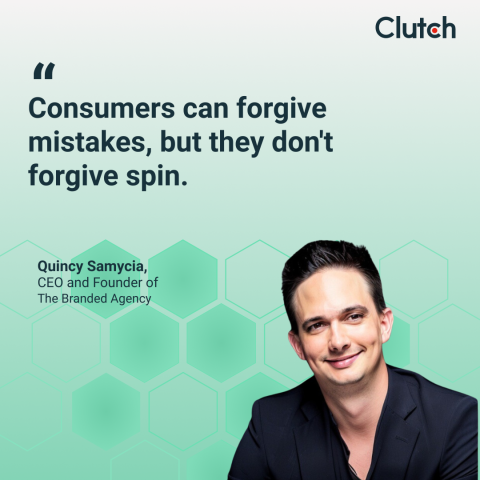
Quincy Samycia of The Branded Agency sums it up well: “Consumers can forgive mistakes, but they don't forgive spin.”
A defensive statement or a glossy campaign without action can raise suspicions. Buyers quickly pick up on the disconnect between a creator and a brand.
Here are the most common risks to avoid:
Adopt cause-driven marketing carefully, and only take stands that fit your brand. Because that's how you earn real trust.
Strong advocacy feels organic to your brand rather than opportunistic. It grows from the problems your company already solves and the communities you already serve:
Audit your mission and operating principles. Write down the specific behaviors those values require.
If you are a car company that promises safer roads, you might support road safety laws and fund crash research. For example, Volvo offers traffic safety programs. If your mission centers on digital access, you could fund broadband in underserved communities, as Microsoft does.
The point is to pick causes that fall inside your value chain. Patagonia’s cause resonated with the brand because environmental stewardship already shaped their product design and supply chain choices.
As a practical check, ask these key questions:
If you cannot answer 'yes,' you have a marketing story rather than an operational reality.
Utilize customer interviews and third-party research to identify the issues that your customers rank as most important. Frame expectations by highlighting the areas people perceive as legitimate for your brand, such as climate action or social justice.
Layer in commercial impact analysis as well. Identify which high-value customer segments value brand advocacy most, and which have the highest risk of churn.
Credibility grows when your cause relates to your core products or services. For example, a cloud provider that commits to renewable energy and discloses its data center efficiency metrics can have more credibility with consumers than a toy brand that posts climate slogans but fails to source sustainable materials.
When you choose an issue, list the proof points you can publish in the next quarter. If the list looks thin, re-scope or pick a different cause.
Also, consider your external partners. Who will vouch for your approach? Which nonprofits or research groups already do the work on the ground? The right partners can keep you honest. They also lend technical expertise that prevents missteps.
Aim for actions that survive leadership changes and news cycles. Patagonia has hardwired impact into its corporate structure by transferring ownership to a trust, ensuring that profits flow to a nonprofit in perpetuity. Most brands will not make such a significant move. However, you can still create an achievable plan that remains effective in the long term.
Examples include:
When you define impact, tie it to outcomes rather than inputs. Dollars donated matter, but the final results move hearts and minds. For example, the number of scholarships granted or the number of households connected to broadband provides clear accomplishments for the public to understand.
Once you know your cause and your audience, convert intent into a program that compounds over time.
Here is how companies can turn advocacy into action:
Start with the changes and fixes you can directly control. If you plan to discuss workforce opportunities, initiate a pay equity analysis and employee training programs. If you plan to take a stand on climate, start with company-wide carbon emission reduction measures.
Internal action prevents the most common accusations that advocacy is a publicity stunt rather than a business choice. You cannot preach purpose externally if people do not see it within your business.
In our recent study, 96% of consumers consider transparency essential to earning their loyalty to a brand. For a brand, transparency means explaining decisions openly and reporting progress in a regular and transparent manner.
If there's a backlash to any of your moves, lay out what happened and what you will do next. Your consumers are likely to judge your intent by how clear you are and whether you follow through on your plans.
To show that your brand is committed to a cause, partner with nonprofits and research institutions that specialize in your chosen cause. They can provide evidence-based guidance, and together you can set clear goals and share results.
Your brand brings reach and resources. Their organizations bring expertise and community trust. Together, you can make a greater difference while reducing the risk of running poorly planned campaigns that fall short of their mark.
Open the door for cause-related participation for both employees and customers. For example:
When action is easy, participation often climbs and advocacy spreads in authentic ways.
Tell real stories about people and causes that matter to consumers. Nike’s "Dream Crazy" ad campaign is a good case study here. The campaign featured Colin Kaepernick, a professional athlete turned social activist.
Reports showed a 31% increase in Nike sales in the days following the campaign's launch. It shows that clear brand values can coexist with strong sales when people genuinely believe the message.
Decide upfront how to measure outcomes. For cause marketing that supports communities, you could track people reached and program outcomes. For climate work, report emissions reductions. For inclusion commitments, report hiring, retention, and promotion trends by cohort.
Also, publish progress on a consistent schedule. Independent audits or third-party assurance can build more trust. That level of detail conveys to your target audience that your effort towards the cause is genuine and not just a marketing ploy.
Brand values drive loyalty when they manifest as genuine actions in the real world. Our survey results support this, with 38% of consumers stating they would be more loyal to brands that take a stance on issues they care about.
To take the next loyalty-building step for your business, choose a cause that aligns with your product and audience. Commit to one proof point you can deliver in the next quarter. Then openly share progress on that commitment. Over time, that steady rhythm can deepen loyalty, transforming cause-driven marketing into a genuine advocacy for your brand.