Lead Quality vs. Lead Quantity: Why B2B Teams Are Rethinking Their Funnel in 2026
Bigger buying committees and tighter budgets are forcing B2B teams to rethink lead quality vs. quantity. Here's how top teams rebalance the tradeoff in 2026.
Updated February 14, 2026

How do you really feel about advertising? Explore consumer insights on ad-skipping behavior, targeted personalization, and more to see what brands can do to capture attention in a crowded content world.
Advertising has evolved from static billboards to hyper-targeted digital campaigns. But despite innovation around personalization, most consumers are still tuning out.
Clutch surveyed 453 consumers to better understand how people perceive and respond to advertising in today's media landscape. By gathering insights directly from consumers, our results uncovered key trends that can help businesses tailor their advertising strategies and learn more about the continued plague of ad fatigue:
Looking for a Digital Marketing agency?
Compare our list of top Digital Marketing companies near you
Overall, consumers seem to have a low tolerance for advertising, so brands need to work hard in order to fully capture their attention. Despite encountering ads on almost every platform, only 3% of consumers say that they never skip ads.
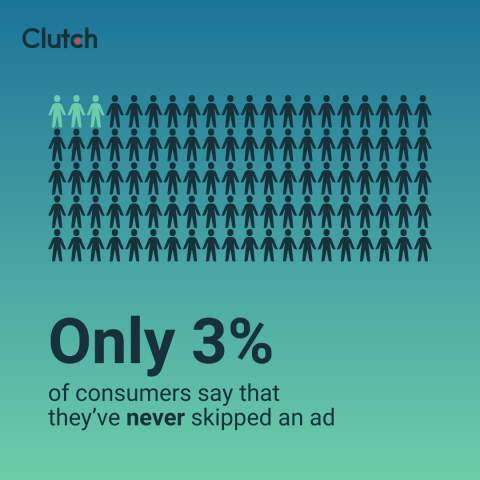
Most consumers (93%) actively skip ads, while others use ad blockers (2%) or do not have the option to skip (2%).
What can brands do to combat this? Besides working with a trusted advertising agency, brands need to create content that’s actually worth watching.
This article explores what consumers really think about advertising. The answers might surprise you, and how brands can take steps to combat ad fatigue.
It’s a universal experience – an ad pops up during a cliffhanger of your favorite TV show or in the middle of a great story during your favorite podcast. Despite this frustration, data finds that most consumers still aren’t willing to pay to eliminate them.
In fact, only 15% of consumers actually pay for ad-free versions of services, even as 55% will skip ads whenever possible and 37% actively ignore ads, regardless of the platform.

The data makes it clear: while users dislike ads, cost remains a major barrier to opting out.
For brands, this presents a double-edged opportunity. On the one hand, people are compelled to avoid ads; on the other hand, they’re not willing to pay to do so. That means advertisers still have a huge audience to reach, as long as they earn their attention.

The key lies in delivering value quickly. If an ad can engage viewers in the first few seconds, it becomes less skippable.
“An uninspired video ad is just a more disruptive version of a boring banner ad. The button to skip (or mentally skip) is just a few seconds away,” said Bill Nye, Chief Growth Officer at Caffeine Marketing.
Brands that invest in more compelling, fast-engaging content can cut through the noise. Rather than viewing “skip” buttons as the end, marketers should see them as a creative challenge.
Personalization in advertising is no longer a novelty, but an expectation for consumers. Our data found that 76% of consumers report seeing a relevant ad at least once a month, and nearly half (47%) feel comfortable with personalized advertising.
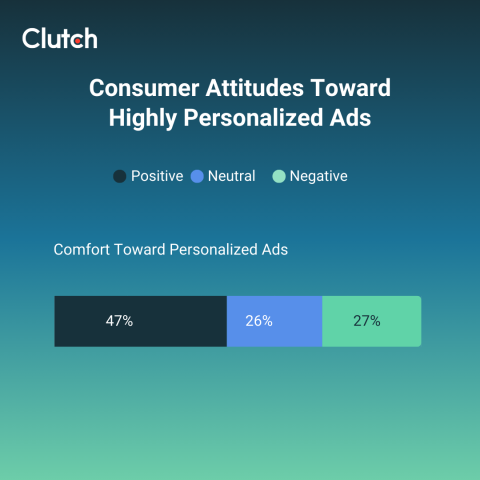
This marks a clear shift in consumer mindset: while privacy concerns haven’t completely disappeared, the tolerance is increasing, especially when it feels timely, relevant or convenient.
If consumers regularly encounter ads that speak to their interests or behavior, it means brands are effectively leveraging data to meet people where they are. But it’s a delicate balance. The same personalization that can make an ad seem helpful can also feel invasive if misapplied.
Here’s a classic case of targeting gone wrong: Amazon users received a congratulatory email informing them that someone recently purchased a gift from their baby registry. The issue is that many people, including those who weren’t pregnant or experienced fertility issues, received this along with the prompt to add more to their non-existent registries.

This clearly sparked backlash, not because the personalization is inherently bad, but because it was misaligned. It’s a reminder that even well-intentioned targeting can backfire.
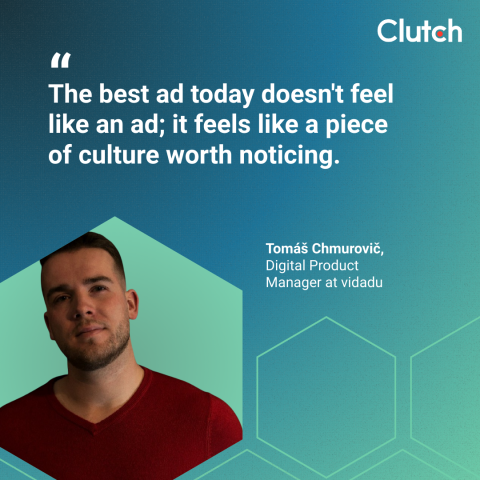
“In short, the issue isn’t targeting—it’s storytelling. The best ad today doesn’t feel like an ad; it feels like a piece of culture worth noticing,” said Tomáš Chmurovič, Digital Product Manager at vidadu.
Today’s audiences are open to being targeted, but only in measured and meaningful doses. Brands that respect this boundary, especially in advertising, can build trust.
Ad exposure is nearly unavoidable, but not all platforms are created equal when it comes to how, where, and how often consumers see ads.
Our data shows that 78% of consumers say they’ve seen or heard an ad on social media, making it the most dominant channel by far. This is followed by websites (60%), video streaming services (56%), and mobile apps (45%).

Digital platforms have become the primary battleground for consumer attention, with social media leading the charge. The “always-on” nature of platforms like TikTok and Instagram creates an environment where users are not just sometimes exposed to ads.
“In a feed where everyone fights for milliseconds of attention, brands should stop acting like broadcasters and start acting like creators,” said Chmurovič.
Unlike traditional advertising media, social media often serves more ads intrusively during short sessions. After a few scrolls of Instagram (testing implies they appear within 3-4), you’re likely to be inundated with an ad that encourages shopping.
This high density contributes to both increased brand visibility and, unfortunately, consumer burnout. The more obvious the ad, the easier it is for users to tune it out or begin to resent it.
Websites and mobile apps remain key touchpoints, especially for search-based advertising.
These platforms offer critical intent signals, which, if done right, can make ads feel more useful and less disruptive.
As ad fatigue becomes a growing concern, brands must assess their platform mix thoughtfully. High frequency touchpoints combined with low-quality creative is a fast track to being ignored. Brands should actively optimize their media strategies to reflect evolving consumer habits, prioritizing platforms that align with the audience's mindset.
When everything feels like an ad, only the best ads break through.
Video and audio advertising are becoming increasingly embedded in the way people consume content, as brands attempt to have their ads blend seamlessly into those experiences.
Over half of consumers (56%) report encountering ads on video streaming services. Interactive video ads have become a normalized part of platforms like YouTube, Hulu, and Netflix (now with ad-supported tiers). These platforms are not just entertainment hubs, but high-impact environments for advertisers to deliver well-aligned messaging that fits content preferences.
Audio is also emerging as a powerful, often under-leveraged advertising channel. 33% of consumers are exposed to ads via audio content, such as podcasts and programmatic audio on streaming services like Spotify and Pandora.
As podcast listenership continues to grow, especially among younger audiences, native audio placements are resonating.
What makes video and audio formats compelling is their ability to match the rhythm of content consumption. They often blend into the flow of what the audience is already doing, like listening to a daily news podcast during a commute or watching a show on the couch.
This shift signals a broader change in consumer mindset: Ads that align with content and do not interrupt it are more likely to be accepted. For brands, this means rethinking how ads are crafted for these mediums. It’s not just about visibility but about resonance.
Brands can no longer assume consumers are paying attention. They have to earn it.
With skip buttons, ad blockers, and endless scrolling, attention has become the most valuable currency in advertising. Consumers are clear about what grabs their attention: 78% say ads that are entertaining or interactive, including those that feature celebrities or influencers, are most likely to stand out.
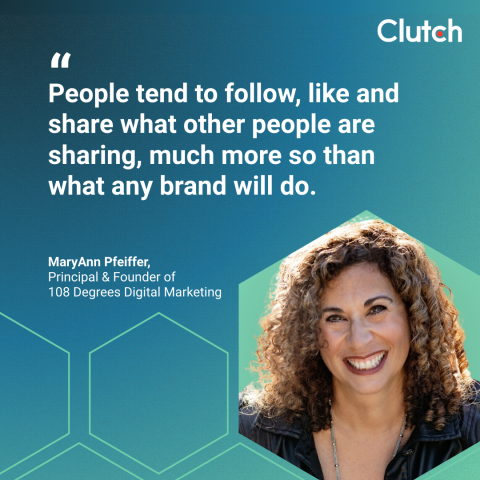
“One great way for advertisers to stand out on a platform is through the use and alignment with social media influencers,” said MaryAnn Pfeiffer, Principal & Founder of 108 Degrees Digital Marketing. “People tend to follow, like and share what other people are sharing, much more so than what any brand will do.”
Another 63% of consumers respond positively to inspirational or informative ads that provide emotional or practical value.
Here’s what works for consumers in advertising:
But attention isn’t guaranteed. It’s increasingly fragile, especially with ad fatigue and potential controversy.
Recent campaigns have shown both the upside and backlash of using cultural figures in advertising. Take the Gap x KATSEYE campaign, which successfully blended early-2000s with nostalgia with modern pop culture through a visually compelling ad (captures the audience within seconds!) featuring the viral girl group.
The campaign leaned into music, movement, and emotion – a formula that resonates with audiences. The story, tone, and context all matter in advertising.
Consumers are telling brands exactly what they want: ads that are worth their time.
Ad fatigue is real. Consumers aren’t rejecting advertising altogether; they’re rejecting bad advertising.
While the majority of consumers are tuning out ads, it’s not because they hate being marketed to. It’s because most ads fail to offer something in return: entertainment, relevance, or value. When ads are intrusive or creatively stale, they disappear into the background or become a way for consumers to disengage.
The opportunity is still massive for brands. Companies need to prioritize creative that connects, platforms that fit their desired behavior, and messaging that captures attention. People have made their preferences clear, and now it’s up to brands to rise to the moment.
Clutch surveyed 453 consumers in the U.S. during September 2025 about their views on advertising.
50% of respondents were female and 48% were male.
13% of respondents were ages 18 to 28; 39% of respondents were ages 29 to 44; 47% of respondents were 45 and older.