
Testimonial Advertising: How to Turn Customer Stories Into Sales
Testimonial advertising uses real customer stories and reviews to promote your brand. Discover popular types and how to put this content to work.
Updated February 16, 2026

The same ad can land differently with Gen Z, Millennials, and Boomers. It's time to test ad relevance through a generational lens.
Digital advertising grew fast and wide, yet not everyone feels the ads on their screen speak to them.
Clutch surveyed 453 consumers about their thoughts on advertising and found a sharp split. More than90% of Gen Z and 81% of Millennials find ads relevant monthly. In contrast, only 58% of baby boomers say the same.
Looking for a Advertising agency?
Compare our list of top Advertising companies near you
This article unpacks why younger cohorts perceive higher ad relevance and what lies behind Boomers’ disconnection. Find out what these gaps signal for generational marketing strategy on digital advertising platforms.
Gen Z spends 6.6 hours each day consuming media across platforms. Each tap teaches the algorithm what to show next. When platforms adapt quickly, ads become relevant to current interests and earn attention. Ad relevancy also raises recall and helps cut untargeted spend.
Gen Z and Millennials spend more time on platforms like TikTok, Instagram, YouTube, Spotify, and Hulu. This behavior leads to better ad relevance because these channels can then optimize around session length, interaction density, and content fit.
Approximately 73% of teens say they visit YouTube daily, with 15% using it almost constantly. Heavy viewing allows YouTube to recommend videos and show ads that match current interests and drive better results for advertisers.
TikTok’s For You page (FYP) is another great example. It adapts to micro signals such as time spent, swiping, and shares.

The company explains that its recommendations combine interactions, video information, and device settings to predict what comes next.
When feeds learn at that pace, ad slots fill with highly topical ad creatives, creators, and products. Targeting often feels very accurate to younger users who spend a lot of time on the app, so ads seem more relevant and get more attention.
Streaming audio shows a similar pattern. About 74% of internet users in the US will listen to digital audio at least once a month. These streaming platforms often have native ad formats that blend with listening routines. Those formats create frequent, low-friction touchpoints that further improve ad relevance over time.
Hulu and other ad-supported video streamers like Netflix also pull younger audiences. Across these major streamers, almost half of subscribers now select ad-supported plans. That shift increases reachable inventory where ads can be targeted by show, moment, and profile.
Younger generations spend time on digital platforms that learn their viewing habits quickly and keep serving personalized content.
The loop looks like this:
If a user on TikTok watches a handful of videos about outdoor cooking, the FYP feed changes. Ads for portable grills, spices, and camping gear follow within the same session.
Spotify’s ad ecosystem layers signals from listening history, moods, and moments into audience building. Even connected TV (streaming on a TV through internet apps like Hulu) benefits from profile-level signals.
Hulu and other services can segment users by show category, viewing time, and purchase intent. With ad-supported plan adoption rising, those tactics now reach larger pools across younger households.
Gen Z and Millennials often accept a value exchange. They will share data or give platforms room to learn as long as they get relevant experiences and controls.
This openness to personalization means that younger users want tools that cut noise and present better content fast. With clear settings and easy opt-outs, tailored ads feel helpful instead of a hard sell.
Older audiences often use fewer signed-in features and leave fewer signals. Platforms then personalize less, so ads feel generic. The disconnect comes from habits and data, not just age.
Older audiences spend less time on algorithm-heavy social platforms, which limits the feedback loop that drives personalized relevance. They still prefer lean-back media like live TV and radio, where shows run on a set schedule and interaction is minimal, or even invest in ad blockers. Even as streaming grows, many older viewers spend most of their big-screen time on services like Free Ad-supported Streaming Television (FAST) channels on connected TVs.
On many streaming apps and connected TVs, ads are targeted to the household or the active profile. They do not rely on third-party cookies. Because several people may share one screen, targeting stays broader than the one-to-one personalization you see in TikTok or Instagram feeds. So the ad experience can feel less “tuned” to an individual.
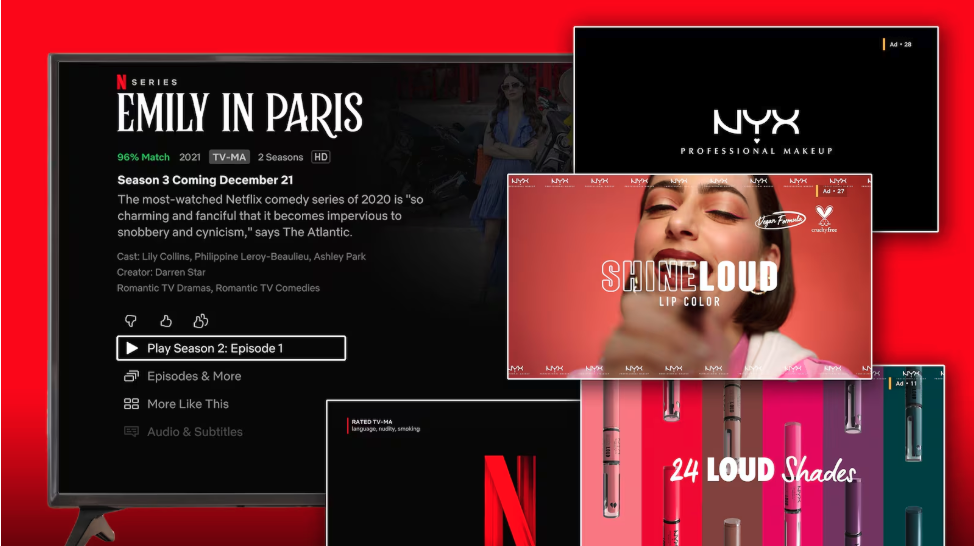
Audio paints a similar picture. Baby boomers spend 69% of their ad-supported audio listening time on AM/FM radio. That reduces the sense that ads “find” the listener in the same way feed-based placements do.
Privacy attitudes differ by age. Studies show older groups express more discomfort with personalized advertising and more reluctance to accept tracking or cookie prompts. Younger cohorts click “accept” more often, while Gen X and Boomers show the lowest acceptance.
This caution shows up in sign-in choices, app permissions, and email opt-ins. Many older generations also reject third-party cookies, so platforms can use only limited data. Ultimately, less data flows back to ad systems, which means fewer precise messages reach these users.
If the older generation's exposure centers on traditional advertising, which lacks precise targeting mechanisms, the ads become broader. It's because the ad creatives that are not refreshed to match local interests, time of day, or recent browsing lose context fast. Over time, the repetition of irrelevant ads could build fatigue.
Younger users see dynamic formats on social media apps that reflect creators, communities, and micro-moments. The contrast amplifies perceived relevance gaps.
Older users are less likely to sign in across devices and less likely to browse frequently on algorithmic feeds. These habits create fewer data signals, so platforms can personalize less.
With older viewers staying more on linear TV or radio and younger ones clustering in social and streaming, each channel holds a relatively smaller pool to target. Ad campaigns could then get fewer eligible impressions and less feedback to improve targeting.
Ad relevance depends on where people spend time and how they interact with each platform. Plan and budget your campaigns to match how each audience actually uses media, because channel habits and sign-in rates shape reach, data, and cost. Aligning spend upfront improves targeting and cuts waste in running campaigns. Here are a few pragmatic recommendations:
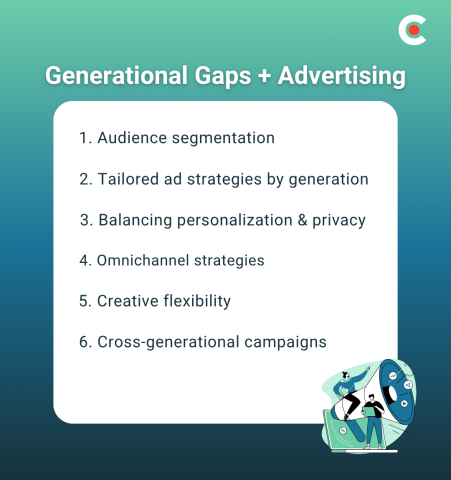
These moves keep media efficient and ad messages grounded in how audiences actually behave.
The best approach to improving ad results is to focus on where, how, and why each audience group engages.
Start with where people spend time and how they act on the platform. Let ad media plans reflect real behavior by generation and keep creative modular so it adapts to pace, mood, and moment. The future of effective generational advertising lies in nuance and respect for context across digital advertising platforms.