
Testimonial Advertising: How to Turn Customer Stories Into Sales
Testimonial advertising uses real customer stories and reviews to promote your brand. Discover popular types and how to put this content to work.
Updated November 21, 2025

Consumers have warmed to ad personalization. Clutch data shows that 47% now say they’re comfortable with tailored ads when value and consent are clear. This article distills practical ad personalization tips you can implement today.
Personalized ads used to trigger pushback due to “creepy retargeting” or “oddly specific copy.” The gut reaction was, “How did they know to show me this ad?”
That’s changed. Today, consumers still care about boundaries, but they reward relevance when it comes to ads. In a recent Clutch survey of 453 people, 47% said they’re comfortable with highly personalized ads.
Looking for a Advertising agency?
Compare our list of top Advertising companies near you
Chad de Lisle, VP of Marketing at Disruptive Advertising, has also noticed this change. “Consumers don’t hate personalization—they hate being reduced to a spreadsheet,” said de Lisle.
This guide breaks down where ad personalization actually helps and the practical steps to personalize ads across channels without going too far.
The volume of ads has climbed; however, consumers’ attention hasn’t. Brands are thus fighting ad clutter and rising CPMs with creative and audience strategy.
But it’s “relevance” that’s actually the reliable lever. People don’t want generic ads—they want the right message at the right moment, backed by consented data and clear value exchange. That mix explains why personalization is gaining traction:
Before we get tactical, here are three factors that explain why personalization matters now.
People reward ads that feel made for the current context, such as task or timing, not just a demographic label. For instance, when an ad copy references the job a consumer is doing and a constraint they face (budget, time, risk), engagement lifts. That’s the power of relevance.
Value comes next. Discounts and bundles work, sure, but “value” often means fewer steps. It could be pre-filled forms, saved cart states, or recommendations that skip the rabbit hole.
“Don’t personalize based on what you collected—personalize based on what you understand,” said de Lisle. “Data should feel like empathy, not surveillance.”
Finally, there’s transparency. Tell people what signals you used to target an ad and how to switch them off. EU guidance over the last year made the consent standard crisper, especially for “consent or pay,” and when teams should rely on a legitimate interest in direct marketing. In this environment, marketers who apply a clear consent framework are the ones to reduce pushback and achieve high conversions.
Comfort with ads grew because personalization now looks more like a feature than a tracking trick. People see tailored playlists, replenishment nudges, and loyalty upgrades as part of the product. But there’s a limit: The tolerance breaks when signals feel too intimate or come from places users never opted into.
Recent updates about Google’s step back from cookie deprecation are keeping this conversation alive. In short, opting in for personalized ads matters, and cross-site tracking without a clear story still lands badly.
When ad personalization mirrors service design, customer response improves, too.
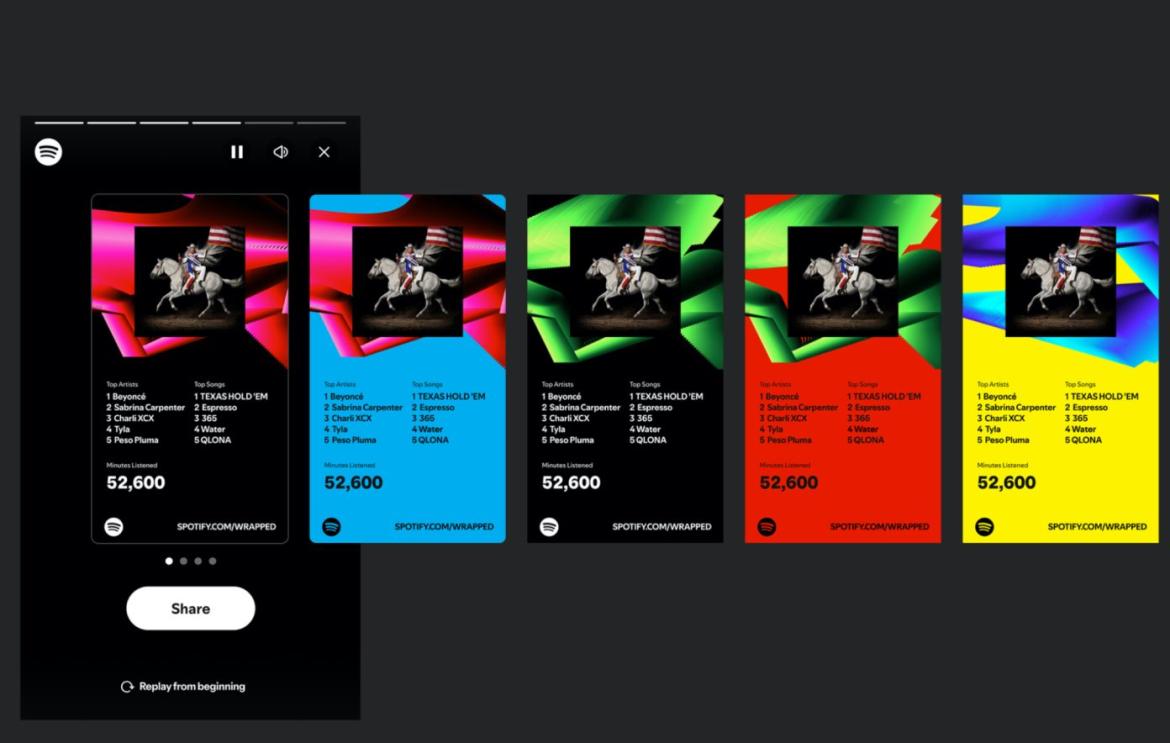
Spotify Wrapped is a great example. It turns a year of listening into shareable stories and prompts deeper engagement without screaming “audio ad.” The format acts like a gift and consistently earns massive social distribution each December.
Not every brand has the data and scale to do that. But the basic principle you can learn from is that useful recommendations and well-timed reminders outperform generic banners.
As Tomáš Chmurovič of Vidadu puts it, “Personalization works when it feels like a service, not surveillance. The line gets crossed when ads say, ‘We’re watching you’ instead of ‘we get you.’”
That framing is a practical test for any ad plan: Does the tactic feel like help or a hint you’re mining more than necessary?
With those consumer signals on the table, the next question is execution. Here are three actionable tips for ad personalization:
Think of these as operating rules you can hand to media, lifecycle, and product growth teams.
Start with first-party data, as it’s often the most reliable source and the one customers expect you to use:
Stitch those signals into your customer data platform and analytics layer, then activate across paid and owned channels.
But don't rush the process. Begin with simple rules that reflect obvious intents (e.g., abandoned demo form, repeat page visits for a feature page, stalled trial users), then layer scoring and lookalikes.
MaryAnn Pfeiffer, Principal & Founder at 108 Degrees Digital Marketing, captures the operational mindset, “Put yourself in your customer’s shoes (or phone) and think about when and where an ad would be relevant. If you’re selling food, think about when they are hungry; if you’re selling software, when are they likely to encounter the problem you solve?” Align segments to those micro-moments first; sophistication can come later.
In fact, ethical tracking doesn’t slow performance—it keeps the program durable. You can use these tools to further enrich your ad campaigns:
However, watch the edge cases. For example, interest inferred from one odd click is not intent. A single product view might reflect curiosity, not need. Overweighing such weak signals leads to awkward creative and frequency spikes that spook the very people you hope to convert.
Finally, be upfront. Include a plain-English line in your ad or landing page explaining why someone is seeing it, such as “Because you tried X last week.” That small addition reduces uncertainty and raises acceptance.
Classic segmentation by demographic and firmographic (company-level traits like industry, company size, and location) traits still helps with reach and creative focus. But ads often get compounding returns when you segment by jobs-to-be-done, lifecycle stage, and behavior patterns:
However, audience segments should evolve along with data. Refresh them regularly, and widen the segment pool when performance plateaus.
Take Starbucks’ loyalty rewards program as an example. It uses habitual order history and time-of-day patterns to push offers that match personal routines without asking users to share anything they didn’t already volunteer.
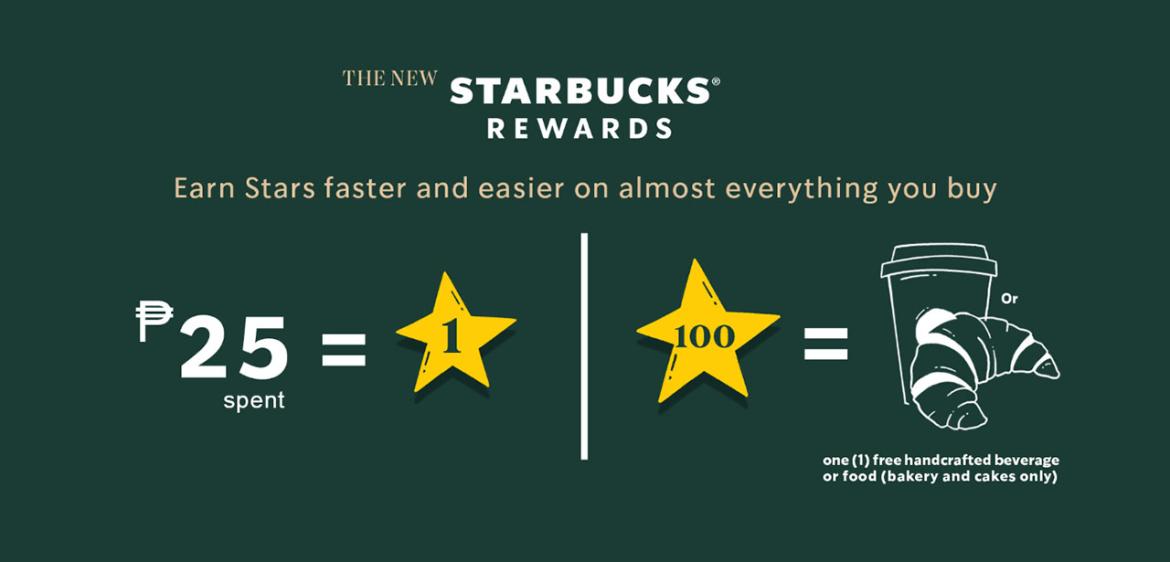
Customers might receive birthday rewards, custom upsells for their everyday morning coffee, or seasonal nudges to buy their first pumpkin spice latte of the season. The lesson here is to design segments around real behaviors your product already collects.
People don’t experience your brand by channel; they experience a continuous thread. Your ad personalization should reflect that by combining channels to deliver relevant ads:
The key is consistency. If you claim a benefit in a paid ad, repeat it with proof on your landing page. If you highlight an offer in an email, make it visible in-product. Essentially, the best practice is to treat each touchpoint as a continuation of the core message.
Missteps happen when teams push harder on ad targeting than on judgment. Here are a few patterns to watch out for:
Customers often notice heavy-handed ad retargeting, which could backfire. For instance, in Clutch’s survey, 93% of consumers said that they actively skip ads when they can. So the wiggle room for making ad campaign mistakes is tiny.
The mandate is clear. Nearly half of consumers are open to personalized advertising, but they reward brands that balance relevance with respect. To do so, anchor your ad personalization program on three habits:
That’s how ad personalization shifts from “feels invasive” to “feels helpful.” The next wave of ad performance gains will most likely come from the brands that respect the person as much as the profile.