
Testimonial Advertising: How to Turn Customer Stories Into Sales
Testimonial advertising uses real customer stories and reviews to promote your brand. Discover popular types and how to put this content to work.
Updated March 24, 2026

Streaming giant Netflix plans to bring ads and commercials to its platform on November 3, 2022. Businesses can start planning their advertising strategies today. Learn the basics of Netflix advertising in this comprehensive guide.
Netflix and chill might see a pause in the next few years.
The original streaming giant has plans to launch tiered ad services, which means that as consumers are binging the latest season of Nailed It!, they will receive a quick ad break right before the holiday-inspired cake hits the oven.
Looking for a Advertising agency?
Compare our list of top Advertising companies near you
As more consumers are cutting the cord within the debate of cable vs streaming, it is not shocking that streaming services like Netflix are looking for more ways to monetize.
Advertisers, until recently, have relied on traditional advertising methods, but with promising news in the video ad space, more businesses are able to find opportunities to reach their target audience on social media, mobile apps, and now while they’re binging their favorite show.
This article walks through the basics of Netflix ads to help companies plan their over-the-top (OTT) advertising campaigns.
Interested in advertising on Netflix? Connect with an OTT advertising company to discuss your campaign goals.
Remember Blockbuster or other video rental stores?
In 1997, Reed Hastings and Marc Randolph thought how convenient it would be to rent DVDs by mail, and with that the idea for Netflix was born. When launched, the company promised personalized recommendations and unlimited DVD rentals without due dates and late fees.
The idea of streaming was introduced in 2007, and as the platform grew and grew globally, original content like ‘House of Cards,” and “Orange is the New Black’ hit the service in 2013.
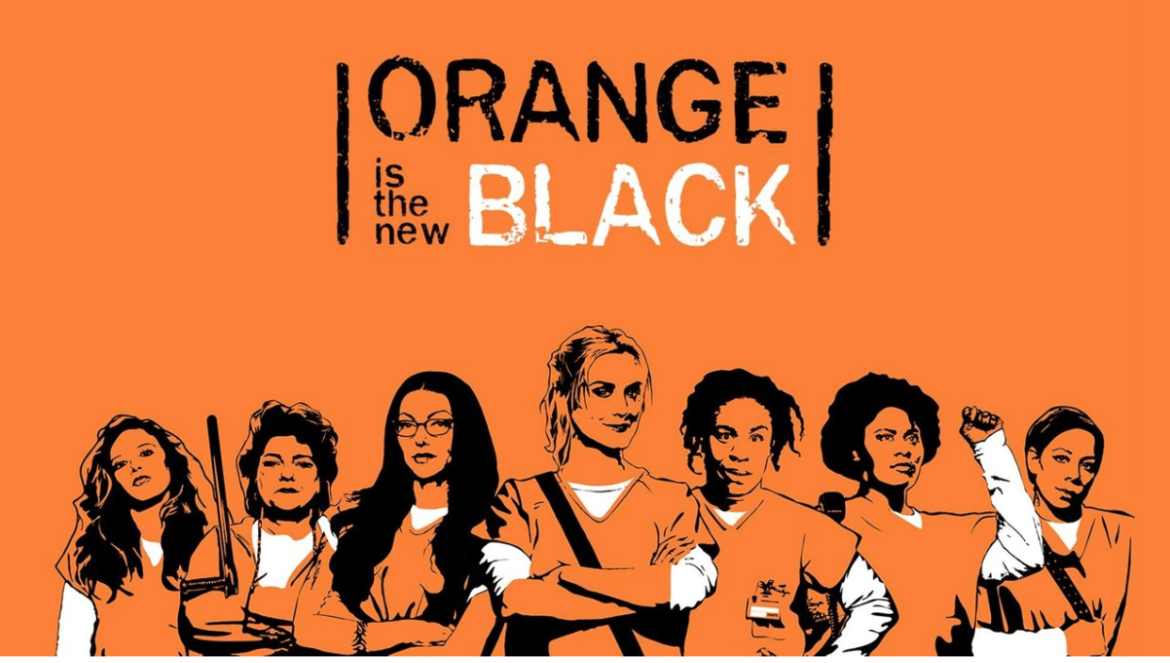
As original content hit the streamer, it became a staple during award season, with shows and films being nominated for Emmy and Academy Awards.
In August 2022, under co-CEOs Hastings and Ted Sarandos, Netflix has been in the media business for 25 years, with over 220 million subscribers around the globe. In 2025, that number increased to over 301 million.
Throughout its journey, Netflix has evolved. It now plans to enter a space that will impact subscribers and stakeholders alike.
In early July 2022, Netflix reported its Q2 earnings in a letter to stakeholders and announced that Netflix ads would soon become part of the platform.
The letter read, “our lower priced advertising-supported offering will complement our existing plans, which will remain ad-free.”
This came as a shock to many – including Netflix co-CEO Reed Hastings who had been long against introducing ads on the platform. But Hastings has changed his tune after announcing in Netflix’s Q1 report that the company lost subscribers (nearly 200,000) for the first time in a decade.
With the introduction of new streamers like HBO Max, Disney+, and Peacock, consumers are migrating from Netflix to find their favorite shows (Peacock now includes all episodes of the Office that left Netflix in 2021, along with their new spinoff). The Netflix executives had no choice but to go full speed ahead with their advertising plans.
The streamer also announced that Microsoft would be their choice to power its ad technology, meaning that companies that want to advertise on Netflix can through Microsoft’s platform.
Netflix advertising falls under the umbrella of over-the-top (OTT) advertising.
OTT content is media that is delivered through the internet, which includes podcasts, music, video games, and content found on streaming services.
Netflix has big plans for its launch into the OTT ads space.
Netflix launched "Basic With Ads" on November 3, 2022.
When Netflix initially announced its second quarter 2022 earnings, it mentioned its target for launching its ad-supported plan “around early next year,” but later moved up the date to ensure the service was available ahead of the holiday season and the Emily in Paris season 3 premiere date.
The rollout was phased by region:
Upon launch, Netflix offered different subscription tiers, including the new ad-supported option at a lower price point. This marked a significant shift in Netflix's business model, opening the platform to a wider audience while creating a new revenue stream.
As previously mentioned, Netflix continues to provide their existing plans that will remain ad-free. The basic plan has been discontinued as of 2025, but there are several other options for streamers.
This is how streaming plans at Netflix break down:
Over time and with the launch of ad-supported tiers, all prices will likely change depending on viewership and ad revenue. If Netflix is accessed through a third-party provider or package, prices may also differ.
During their 2022 talks, Netflix co-CEO Ted Sarandos mentioned that Netflix was currently in discussions with a few content providers about rights issues that might occur with ad-supported subscription plans.
A move to ad-supported versions will lead to extra payments from Netflix to studios and other creative talents. If the agreement isn’t seen as beneficial to the studios, a vast majority of what people view might not be on the streamer and might move to new services.
This likely won’t impact original content or new movies paid for by Netflix, but if the cost increases, the amount of content might decrease.
Recently, Netflix's ad-tier has gained millions of users globally, showing solid uptake. The team expects its ad business to become more meaningful, and studios are lining up for licensing conversations.
According to Netflix, here are the top most-viewed TV shows of all time on the streamer:
Note: Numbers pulled in September 2025 and based on total views in the first 91 days of release
Netflix is known for letting users know what’s trending for the top shows, along with recommendations on what to watch.
This is a continued trend with or without ads.
Netflix recently announced a partnership with Microsoft, so advertisers will likely need to use a custom programmatic advertising platform.
In 2021, Microsoft acquired Xander from AT&T and partnered with Taboola to design a programmatic ad platform that would allow users to bid for ad inventory.
Advertising on Netflix continues to come at a premium. While initial reports from Ad Age back in 2022 noted a $60 CPM from their buyers, more recent industry estimates suggest that has stabilized in the $45-$55 range for standard placements. That is still among the highest in the streaming landscape.
This doesn't seem to be deterring big-name and luxury brands, though. Jeremi Gorman, Netflix's president of worldwide advertising, has claimed they've sold out of nearly all of their inventory for the launch. This trend has largely continued due to Netflix's premium brand environment. As expected, automakers, travel companies, retail, and luxury brands are able to shoulder the cost.
Advertisers appear willing to pay a premium for access to Netflix's highly engaged audience and brand-safe content, with Netflix expected to generate over $1 billion in ad revenue by the end of 2025.
While targeting remains limited, advertisers can target based on country as well as genre, such as action, drama, or romance. They can also choose not to run ads against certain content, such as shows or movies that contain sex, nudity, or violence.
Despite these limitations, some brands are still able to make the most out of their campaigns. In a recent example, NYX Cosmetics and L'Oreal Paris are served on an episode of Emily in Paris, a show focused on luxury and fashion.
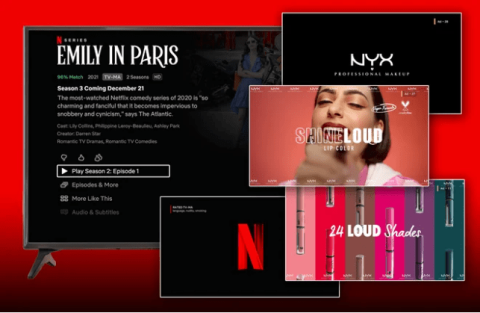
However, Netflix plans to roll out more targeting options in the future, such as subscriber age and gender, to improve performance.
For businesses looking into advertising on Netflix, they can follow these tips for advertising on streaming services:
Learn more: ‘OTT Advertising: How to Advertise on Streaming Services’
As of 2025, the future of Netflix streaming looks more defined than uncertain. With its ad-supported tier now well established, Netflix has shifted from experimentation to expansion. Early signs suggest it is paying off.
Netflix introduced ads with cautious optimisim, aiming to strike a balance between user experience and sustainable growth.
Far from being a disruption, advertising may now be seen as an essential part of Netflix's long-term strategy.