Why Familiar Brands Win the Campaigns That Stick: Why Brand Affinity Is the Goal
New Clutch data shows star power grabs attention. But brand affinity is the multiplier you can't buy inside a single event.
Updated May 15, 2026

No one has a more distinct brand than Duolingo, Poppi, and SKIMS are reshaping branding. Learn more about what this tells us about branding trends in 2026 and what that means for businesses like yours.
Some brands become cultural icons. Others crash and burn — sometimes after a single mistake.
Cracker Barrel is a cautionary tale for the ages. In August 2025, they launched a modern new logo without the familiar Old Timer drawing. It was supposed to signal a fresh chapter for the almost 40-year-old brand and help it connect with younger diners.
Looking for a Public Relations agency?
Compare our list of top Public Relations companies near you
Customers weren't having it. One Twitter user called the new logo "soulless and terrible," while others thought it was bland. Without the Old Timer, the Southern charm that made the brand so beloved vanished.
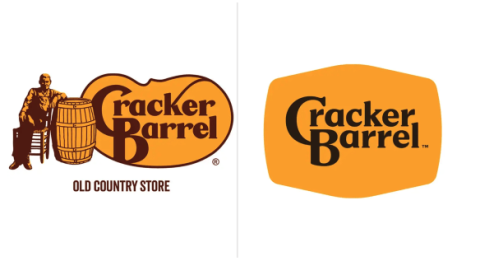
As the backlash grew on social media, Cracker Barrel lost almost $100 million in value in only a week. A few days later, they quietly put the old logo back in place. Lesson learned.
Of course, the Cracker Barrel controversy wasn't really about the logo. Branding is your business's identity and the foundation of your relationship with customers. If you get it wrong, even a small change can leave people confused or alienated.
In 2026, the top brands are approaching their strategy differently. They're bold without straying too far from their core identity, and they're authentic. And they're creating experiences that leave lasting impressions. Here are three companies that are killing it and what they tell us about the biggest branding trends of the moment.
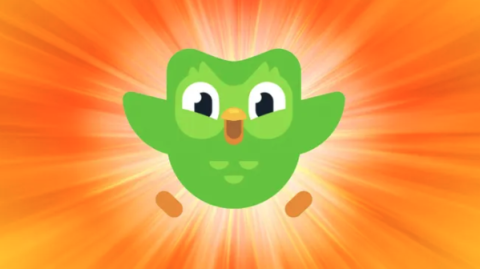
If you've spent any time on TikTok, you've probably seen a chaotic green owl. Known affectionately as Duo, he dances, plays chess, rides the subway, and even threatens users who don't study Spanish enough.
This mascot has helped the language-learning company Duolingo earn hundreds of millions of TikTok likes. But just inventing a quirky animal character isn't enough to go viral. Duolingo is winning because it's built one of the most recognizable brand personalities on social media. If you want to follow in its owl-shaped footsteps, here's what to do.
Forget about showing off your products and services. The latest brand trends help customers get to know your personality first, before you try to sell anything. It's all about feeling authentic and down-to-earth.
The Duolingo owl doesn't sound like a boring, corporate brand. As the company's TikTok bio says, he's "just an owl tryna vibe." That's relatable, especially for users looking to unwind with funny videos.
Duolingo also keeps the owl's personality consistent across all its appearances. Sometimes, Duo is a small, adorable plushie. Other times, he's a giant costumed figure, an animated character, or even a human in a slightly uncanny owl mask. No matter the form, he's always playful and irreverent.
That personality doesn't just shine through on social media. Duolingo makes its unhinged attitude part of the learning experience, too. For example, users often receive sassy or vaguely threatening notifications reminding them to do their lessons — or else. The company reinforced this message with a music video that includes the ominous lyrics, "It's either Spanish or Vanish."
With over 50 million daily active users, Duolingo's eccentric voice is clearly working. Its offbeat content sets it apart from more generic branding. By putting personality at the core of its marketing, the company shows that strong brand character can turn even an ordinary app into a cultural phenomenon.
Any brand can film its marketing intern in a costume, but Duolingo stands out because its content is consistently and unapologetically weird.
The company uses zany, irreverent humor that stops people mid-scroll. One recent TikTok series shows hilariously buff Duo owls reenacting scenes from the TV show "Heated Rivalry." The marketing team makes no attempt to hide their hands as they move the dolls around. It's peak low-budget humor.
Other videos put the owl in implausible situations. In February 2025, Duo was run over by a Tesla Cybertruck and launched into heaven. Duolingo committed to the bit by announcing his death in a press release, adding randomly, "We appreciate you respecting Dua Lipa's privacy at this time." Of course, the company quickly resurrected Duo.
This sort of humor taps into Gen Z and Gen Alpha's sense of humor, which has been described as absurdist. Young customers love chaotic and strange content, especially if it's self-aware.
"Chronically online" used to be an insult, but now it's how Duolingo stays relevant. The company constantly references the latest pop culture phenomena.
Take the "Barbie" movie. The 2023 movie briefly mentions the language learning app. Duolingo ran with this moment by creating a cinema ad with the owl dressed in a blonde wig and hot pink clothing. In a related Instagram Reel, the owl gets kicked out of the Barbie premiere for "twerking too much." This content tapped into the hype surrounding "Barbenheimer," the same-day release of "Barbie" and "Oppenheimer."
Duolingo also draws inspiration from social media trends. One TikTok video invites users to "Step into the dark charm of Zendaya's black hat!" Another shows Duo cuddling with a Punch plushie with the caption "brb learning Japanese so I can pull up on Punch's parents." This content may seem indecipherable to outsiders, but it's instantly familiar to chronic social media users.
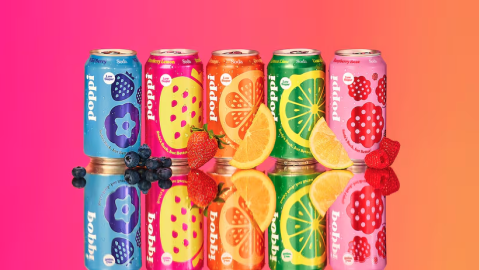
The end of minimalism is one of the biggest branding trends of 2026. Forget about boring beige backgrounds and simple designs. Companies like Poppi are experimenting with playful, expressive visuals across their websites, logos, ads, and even products.
For years, marketing experts urged companies to keep their designs simple, with plain graphics and plenty of white space.
Poppi throws those rules out the window. Its website brims with vibrant colors, from hot pink to cerulean blue and Chartreuse yellow. It also has fun gradients and textured elements like fizzy drinks bursting from glasses. Dynamic layers and playful typography round out the look.
Their social media is also filled with energetic, highly aesthetic visuals. One Instagram post shows boxer Jake Paul sitting on a giant pink octopus in a matching tracksuit, clutching a bright can of Poppi. Another shows a close-up of shimmering bubbles floating up through a glass of soda and into heart-shaped straws.
These designs reflect a broader shift toward gradients, textured elements, and more lifelike designs. Users want visuals that feel fun and full of personality, not boring.
Nostalgia is also driving many brand trends. Poppi's designs often look like they were pulled straight from the 1990s and early aughts.
One teaser video embraces that look with a layered heart graphic in blue, orange, pink, and yellow. A similar pattern appears on some Poppi cans. These bright colors echo classic Lisa Frank artwork (minus the dolphins, of course). In a world full of safe corporate designs, these visuals delight customers and spark curiosity.
Retro elements also make digital experiences feel more tangible and immersive. Instead of looking at an ad, it feels like you're looking at a memento or a window into the past. That familiarity helps turn every interaction into a moment that actually hooks viewers and sticks with them after they scroll.
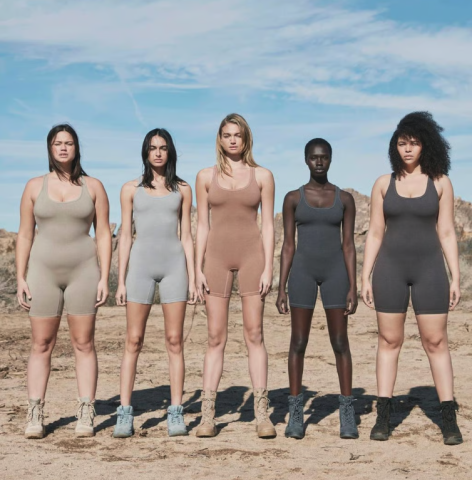
High-profile collaborations make brands more culturally relevant. Kim Kardashian's shapewear company SKIMS has absolutely mastered this strategy. Here's how they do it.
Plenty of brands hire celebrities to talk up their products. SKIMS goes beyond that by forming long-term partnerships with major brands.
In 2025, for instance, SKIMS and Nike announced that they were collaborating on a new line of activewear for female athletes. Called NikeSKIMS, this brand combines sport science with SKIMS' focus on comfort and fit. For even more star power, Nike released a video of Thai singer Lalisa Manobal dancing in the clothing.
This collaboration helped SKIMS expand its audience to women athletes, who might not buy its regular shapewear. But it hasn't given up its core identity. The NikeSKIMS activewear is still flattering and comfortable, just sportier.
When SKIMS' partners with other brands, it doesn't just slap another logo on its products. Each campaign feels authentic, purposeful, and culturally fluent. This thoughtful approach helps spark social media buzz and turn product launches into shareable experiences. That builds trust.
One excellent example is the Dolce&Gabbana x SKIMS collaboration. This limited-edition line combines comfort with "timeless Italian allure." By collaborating with a famous luxury brand, SKIMS gains fashion credibility and creates a sense of exclusivity. This keeps the shapewear company constantly in the conversation.
These partnerships prove that strategic collaborations can build as much hype and engagement as a full-scale ad campaign. At the same time, they build deeper emotional connections with SKIMS' audience.
If you want to replicate this strategy, resist the urge to choose partners based on name recognition. Look for brands that feel like a natural extension of your story and resonate with your audience. The best collaborations will amplify your identity, not change it.
Staying competitive in 2026 involves more than chasing trends. The most memorable brands have strong personalities and aren't afraid to experiment with bold designs. They also stay culturally relevant by tuning into popular culture like memes and movies.