
How to Define Brand Values That Guide Every Business Decision
Brand values are the principles that guide company decisions, define what a brand stands for, and shape how it treats customers, employees, and partners.
Updated August 17, 2026

How consumers find new brands has fundamentally changed, and the brands that understand those shifts are the ones positioned to grow. Clutch surveyed 408 consumers to better understand how modern brand discovery is evolving.
Finding a new brand isn’t a single moment, and it never has been. The path from awareness to purchase followed a familiar rhythm: A friend’s recommendation, a storefront on a busy street, a magazine spread, an ad during your favorite show.
But now, that rhythm has changed. Today’s consumers navigate a fragmented landscape of touchpoints that includes scrolling through social feeds, searching for information, and asking chatbots. Discovery is no longer linear, and the channels that earn a consumer’s attention are more varied than ever before.
Looking for a Public Relations agency?
Compare our list of top Public Relations companies near you
To better understand how consumers are actually finding new brands today, Clutch surveyed 408 consumers about their modern discovery habits in April 2026. The findings paint a picture of a market in transition: digital and physical discovery channels aren’t replacing each other; they’re coexisting, and trust has emerged as the decisive factor in whether discovery leads to a sale.
As AI-powered search and recommendation tools move into the mainstream, brands face a new question: how will we be found?
The implication for marketing teams and business leaders is clear. In a world where consumer attention is fractured across more channels than ever, brands that fail to actively invest in discovery risk becoming invisible.
The shift in how consumers find brands isn’t a marketing theory – it’s something consumers themselves are living.
A striking 85% of consumers say the way they discover brands has changed over the last five years.
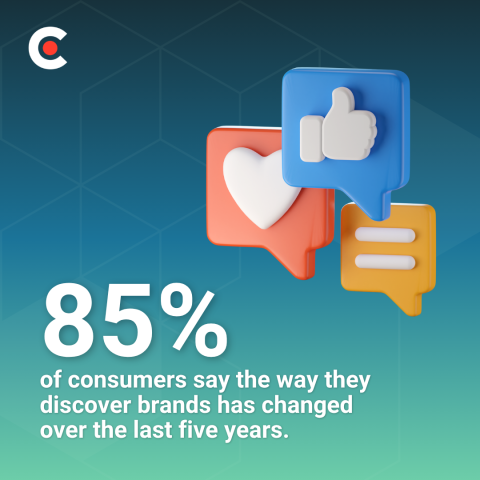
That’s not a marginal shift; it’s a near-universal experience that spans generations, platforms, and purchase categories.
Beyond channels, the pace of discovery is changing. Social feeds move faster, search results are more personalized, and a single viral moment can introduce a brand to millions overnight.
Consumers have adapted to this new rhythm, and their expectations have shifted.
Most consumers (72%) say they’ll buy from a newly discovered brand within a month. That window matters; discovery is a fast-moving trigger that gives brands a narrow window to act.
For marketers, that compression changes everything. A consumer who discovers a new brand on Tuesday afternoon may make a purchase decision by the weekend. If the experience after that first exposure doesn’t hold up, the moment is gone.
"The funnel isn't a funnel anymore — it's a loop. Consumers are constantly collecting micro-signals that build toward a decision, often without realizing it. That means your job isn't to catch them at one moment, it's to show up across all of them,” said Michael Toyber, CEO of TOYBER.
The brands winning today aren’t just showing up in the right places; they’re ready to convert the second an opportunity strikes.
When consumers discover a new brand, the internet is where it most often happens.
Nearly 60% of consumers (59%) say they first discovered their most recent new brand online (social media, search engine, or an online marketplace).
The way consumers discover brands through search looks different from how they encounter them on social.
Search is more intentional. When consumers are actively looking for something new, 43% start with Google or another search engine. It’s a deliberate act: a consumer with a need types in a query and then evaluates the results.
By contrast, social media is ambient. Over 30% of consumers (32%) first discover their most recent brand through social media – not because they went looking, but because something caught their eye mid-scroll.
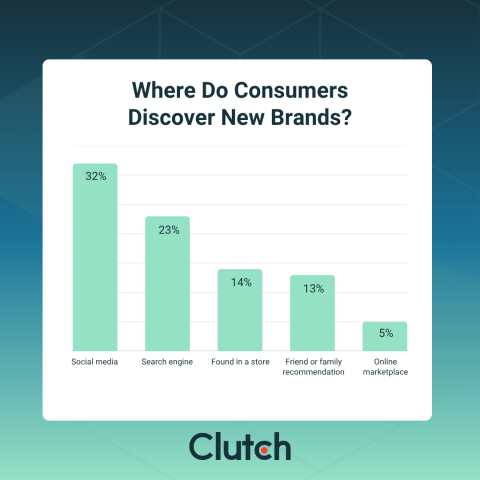
That passive exposure adds up fast. Thirty-four percent of consumers (34%) encounter a new brand on social media every single day, and another 30% do so weekly. Social isn’t just a channel brands post to – it’s a constant layer of discovery that consumers move through, whether they’re looking to shop or not. Think of it as an interruption.
Choosing the right channel has high stakes for businesses.

“The right question isn’t where can we show up – it’s where does our buyer actually form an opinion before they type our name?” said Iulia Vasciuc, CEO of ScaledOn.
Dan Drummond, Head of Digital Strategy at morphsites, agrees, “Once that journey is mapped, you'll typically find a small number of channels driving the majority of revenue. That's where focus should sit first. Depth over breadth."
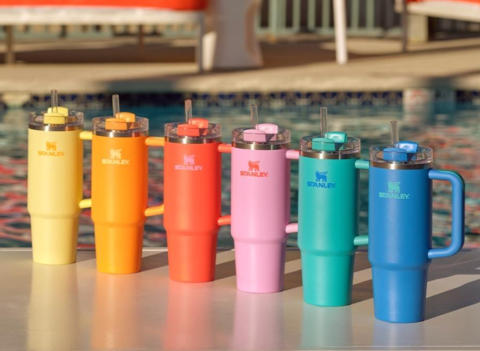
For example, Stanley, the drinkware brand founded in 1913, experienced a resurgence this century due to social media. Everyone who was anyone had one of these cups.
After a single TikTok video showing a Stanley tumbler surviving a car fire went viral, the brand exploded in popularity, turning a functional product into a cultural moment without a single paid campaign driving it.
It’s a model that reflects exactly how younger consumers move: among Gen Z and Millennials, Instagram and TikTok each top 38% as discovery platforms. For these consumers, the feed is the storefront.
The generational divide, however, is sharp. Facebook, which is often written off by younger marketers, remains the only platform where Baby Boomers are meaningfully influenced, with 29% citing it as a discovery channel. Brands targeting older consumers can’t afford to dismiss it in favor of platforms their audience simply isn’t on.
In an era defined by digital everything, it would be easy to assume that in-store discovery is a relic, but the data says otherwise.
A striking majority of consumers (81%) say in-store browsing has influenced their product discovery, with 78% of them discovering a new brand while physically shopping.
These numbers should be a reminder that the store shelf is still one of the most powerful discovery surfaces a brand can occupy. A consumer can pick up a product, read the label, feel the packaging, and make a judgment call in seconds.
There’s no algorithm mediating the experience, no ad competing for attention – it’s just a person and their new favorite purchase.
But physical and digital discovery aren’t operating in separate lanes. A consumer might spot a brand on a store shelf, pull out their phone to check reviews, and either complete the purchase on the spot or abandon it entirely after reading something unsavory. Conversely, a brand that’s been building awareness on TikTok for months may finally convert a follower the moment they encounter it in person. Digital can warm the lead; physical can close it…..and vice versa.
That overlap creates both an opportunity and a risk. Brands that show up consistently across both channels reinforce recognition and trust at every touch point. Companies that heavily invest in one while neglecting the other might find themselves losing out.
For brands that do have a physical retail presence, the in-store environment itself becomes a discovery lever worth pulling deliberately. Packaging design, shelf placement, and point-of-sale displays all influence whether a consumer pauses or walks away.
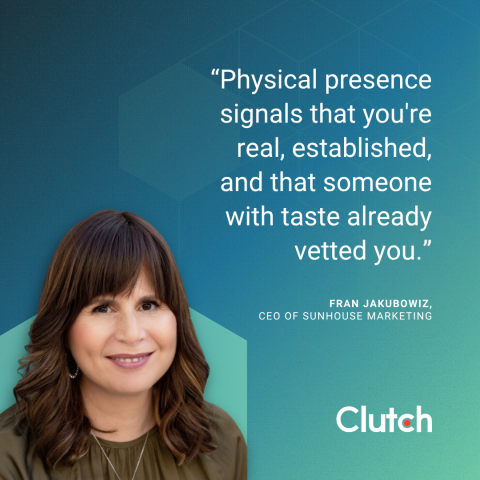
“There's something that happens when a consumer touches your product, sees it merchandised well, and encounters it in a curated context. It confers legitimacy that no paid social ad can replicate at the same cost. Physical presence signals that you're real, established, and that someone with taste already vetted you," said Fran Jakubowiz, CEO of Sunhouse Marketing.
A strong example is Fly By Jing, the Sichuan sauce brand that built a cult following online before entering retail.

The packaging alone stops shoppers in their tracks, doing the job of an ad in a space where ads don’t exist.
The lesson for brands isn’t to choose between digital and physical, but to treat them like a system if you plan to invest in both. Discovery can start anywhere.
Getting discovered and getting bought are two very different things. A brand can show up in all the right places and still lose the consumer at the moment that matters most. What closes the gap between discovery and purchases isn’t reach – it’s trust.
Our data shows that 42% of consumers say positive reviews or ratings are the single most important factor in deciding to buy from a newly discovered brand.
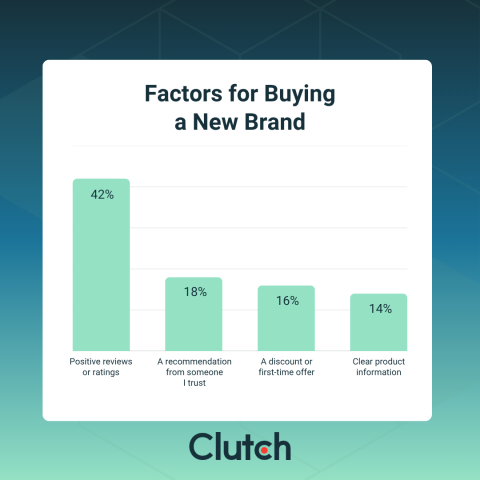
When it comes to who they trust when evaluating a new brand, nearly 40% of consumers say they trust their friends and family the most. Reviews and personal recommendations account for the majority of what actually moves consumers.
Then there are influencers. Despite the billions of dollars brands in the US pour into creative partnerships every year, only 5% of consumers say influencers are the source they trust the most when evaluating a new brand. Influencers can spark discovery, but trust is a different currency, and consumers aren’t handing it over based on a sponsored post alone.
Reach and credibility are not the same thing, and the gap between them is where a lot of marketing budget quietly disappears.
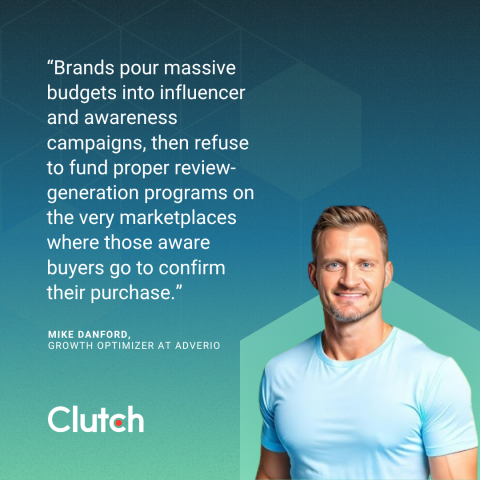
“Brands pour massive budgets into influencer and awareness campaigns, then refuse to fund proper review-generation programs on the very marketplaces where those aware buyers go to confirm their purchase,” said Mike Danford, Growth Optimizer at Adverio.
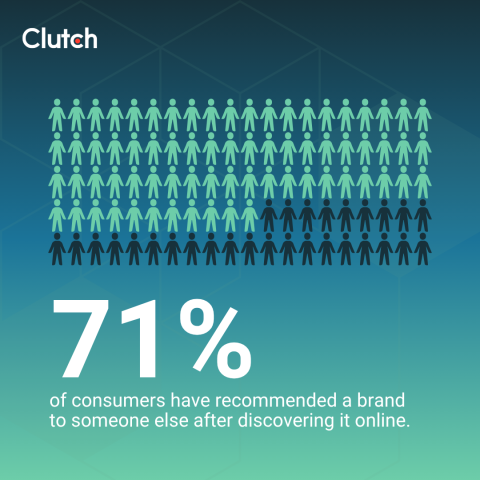
Consumers who discover and buy don’t stop there. Seventy-one percent of consumers have recommended a brand to someone else after discovering it online.
The purchase isn’t the end of the journey, but the beginning of the next one. Every converted customer becomes a potential discovery channel for someone in their orbit, carrying more credibility than any ad or influencer post ever could.
Discovery generates reach. Trust breeds loyalty, and when customers are treated well, they generate the kind of word-of-mouth no media budget can buy.
It’s easy to dismiss social media trends as fleeting, but our data tells a different story about how trends translate into actual sales.
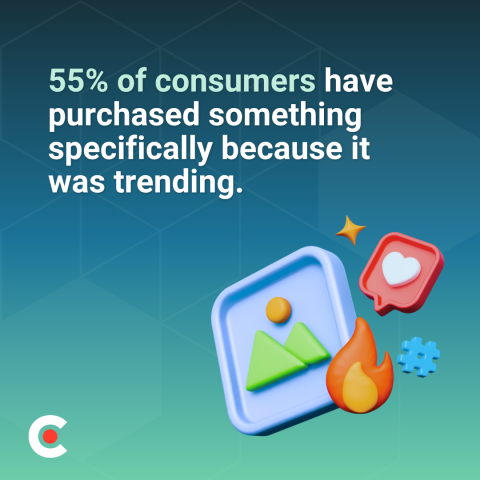
More than half of consumers (55%) have purchased something specifically because it was trending on social media or in the news. That’s a majority of consumers admitting that cultural momentum, not just personal need, has driven a real transaction.
Why do trends work so well? They tap into something deeper than marketing – it is the desire to be part of a moment. When a product is everywhere, owning it isn’t just about the product itself; it’s about belonging to a shared cultural conversation. Trends offer social proof at scale, lowering the perceived risk of trying something new. If everyone is talking about a brand, the thinking goes, it must be worth checking out.
The dynamic is exactly what propelled Poppi from a niche probiotic soda to a household name.
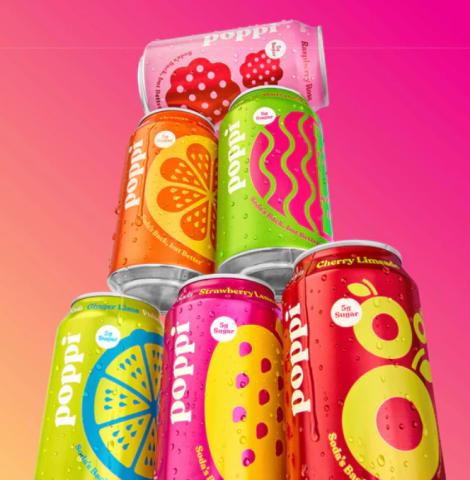
The brand leaned heavily into TikTok native content. Colorful, fast-paced, turning a functional beverage into a lifestyle accessory – a drink people wanted to be seen with.
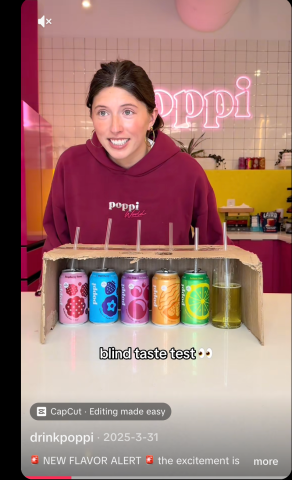
The trend created demand, and the demand drove retail expansion, even leading to a 2026 Super Bowl commercial with Charli xcx and Rachel Sennott.
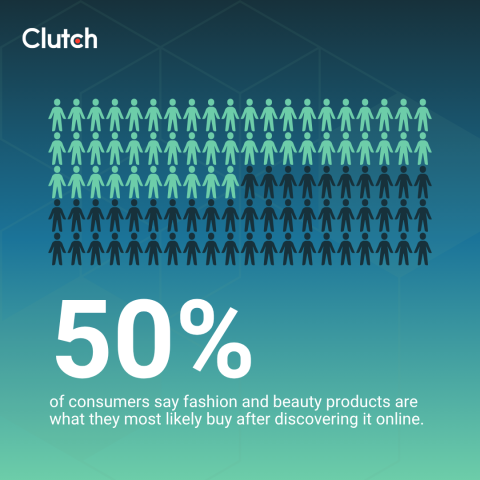
But not every category benefits from trend-driven discovery equally. Fashion and beauty emerged as a clear winner, with 50% of consumers saying it’s the category they’re most likely to buy after discovering a brand online.
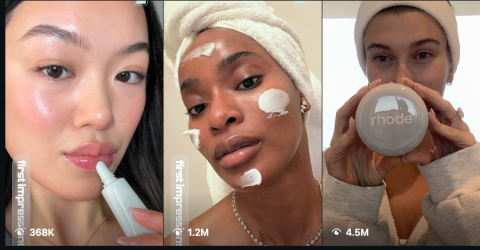
That makes sense given how visual social platforms are. A swipe of lipstick or a unique pair of shoes can be sold in a 15-second clip in a way that a financial service simply cannot.
The gender split in our data is also worth noting. Women lean heavily into fashion and beauty (60% vs. 40% for men), while men index higher on food and beverage (23% vs. 13% women) and general entertainment categories like tech, electronics, and books (28% vs. 12%). These show directional signals for brands in each category on how to think about their social-first content strategy.
Tom Bukevicius, Principal at SCUBE Marketing, believes that trends shouldn’t be the foundation of a growth strategy and that brands should be realistic when incorporating them.
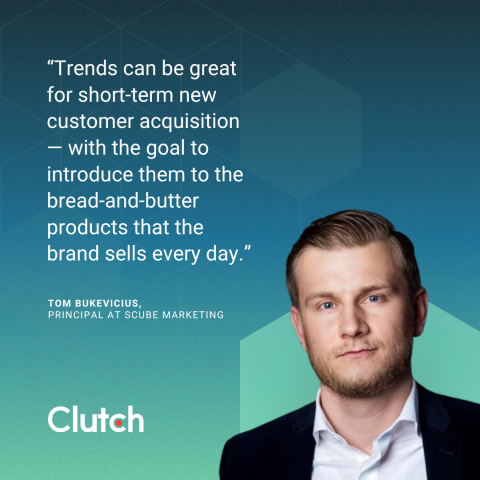
“Remember how many brands started selling masks during COVID and how many of them are around today. Trends can be great for short-term new customer acquisition — with the goal to introduce them to the bread-and-butter products that the brand sells every day,” said Bukevicius.
Trends aren’t just buzz. They’re a real engine of conversion, but only if brands meet consumers where they’re already primed to discover.
For all the talk about AI reshaping commerce, the honest baseline is this: most consumers haven’t actually used it to find a brand yet.
Fifty-six percent of consumers say they have not yet discovered a brand through an AI tool. But that doesn’t mean it won’t eventually become the most dominant channel.
Nearly half of consumers (47%) say AI tools and smarter search will most shape how they discover brands in the coming years, making it the single highest-ranking future channel in our data.
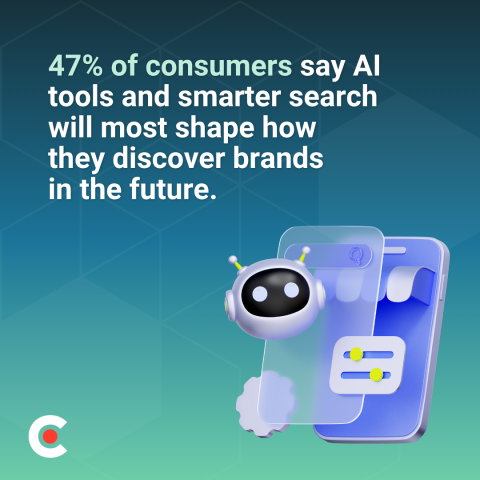
Consumers themselves are forecasting the shift, and they’re naming AI as the force most likely to define the next phase of discovery.
What makes the trend especially notable is how broadly it cuts across generations. Most generations (Gen Z - 57%, Millennials - 54%, Gen X - 57%) have already used AI tools for brand discovery.
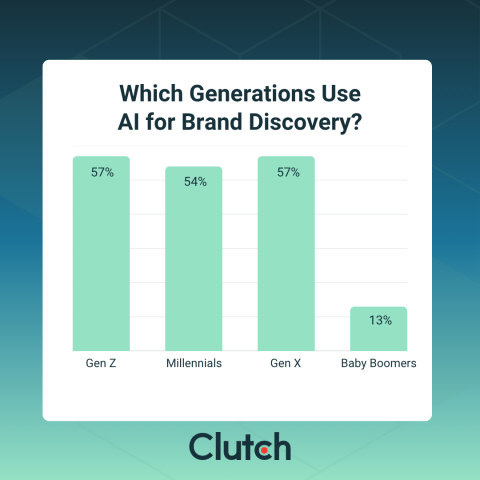
When three generations adopt something roughly at the same rate, the channel tends to mature quickly. The exception is Baby Boomers: only 13% have used AI for brand discovery, and over half (54%) wouldn’t even trust it for that purpose. For brands targeting older consumers, AI-driven discovery isn’t a near-term priority, but for almost everyone else, it’s a channel already in play.
Online users are increasingly using systems like ChatGPT as a starting point for shopping research. If a consumer asks, “What are the best running shoes for under $135?,” they will receive a curated list of brands to sort through. It’s intent-driven like search, but personalized like a trusted friend’s advice.
Brands that show up in those AI-generated answers get a powerful new form of word-of-mouth at scale.

“What AI tools surface when someone asks ‘what’s the best solution for X’ is not determined by your ad spend or your keyword ranking – it’s determined by whether credible, third-party sources mention you….” said Monika Siwek, COO + Co-Founder of MONSOON.
Reviews, third-party mentions, structured product information, and authoritative content all play a role in whether an AI tool surfaces a brand.
“Write content that’s genuinely useful and specific,” said Valentina Chiriacescu, Chief Commercial Officer at eCommerce Today. “The era of thin SEO content is ending fast – write like you’re trying to be the source someone cites, not the page someone clicks.”

AI discovery is no longer a hypothetical; it’s an emerging channel that consumers across nearly every age group are already exploring, and the brands that appear in those answers today will have a meaningful head start as adoption accelerates.
Brand discovery in 2026 looks nothing like it did even five years ago. Discovery now happens everywhere at once. No single channel dominates, meaning brands can no longer rely on a single playbook. Instead, the brands winning today are the ones that show up consistently across multiple touchpoints, build trust through reviews and customer experience, and convert quickly within the narrow window between discovery and purchase.
What’s certain is that the landscape will keep shifting. AI is poised to become the most influential discovery channel of the coming years, social platforms will continue to evolve, and consumer trust will remain the through-line that determines what actually converts.
Brands that invest in discovery as an ongoing strategic priority will stay relevant.
In April 2026, Clutch surveyed 408 consumers about their brand-discovery habits.
Of the respondents, 48% of the respondents were male and 52% were female.
11% of the respondents were ages 18 to 29; 36% of the respondents were 30 to 44; 52% of respondents were 45 and older.