Lead Quality vs. Lead Quantity: Why B2B Teams Are Rethinking Their Funnel in 2026
Bigger buying committees and tighter budgets are forcing B2B teams to rethink lead quality vs. quantity. Here's how top teams rebalance the tradeoff in 2026.
Updated February 26, 2026

Influencer marketing can be incredibly effective, but you need to go where your audience is. Discover where each generation finds influencers, so you can choose the right collaborators, based on data collected by Clutch.
You might not see old-school advertisers like Billy Mays on TV anymore, but they’ve got plenty of spiritual successors on social media.
For instance, YouTuber Miranda Goes Outside reviews hiking gear, while @myboyrudder promotes high-end dog food and other pet products on TikTok.
Looking for a Digital Marketing agency?
Compare our list of top Digital Marketing companies near you
Influencer marketing builds trust, but it’s not a one-platform kind of game. A recent Clutch survey of 277 consumers found that each generation turns to different social media platforms to find influencers:
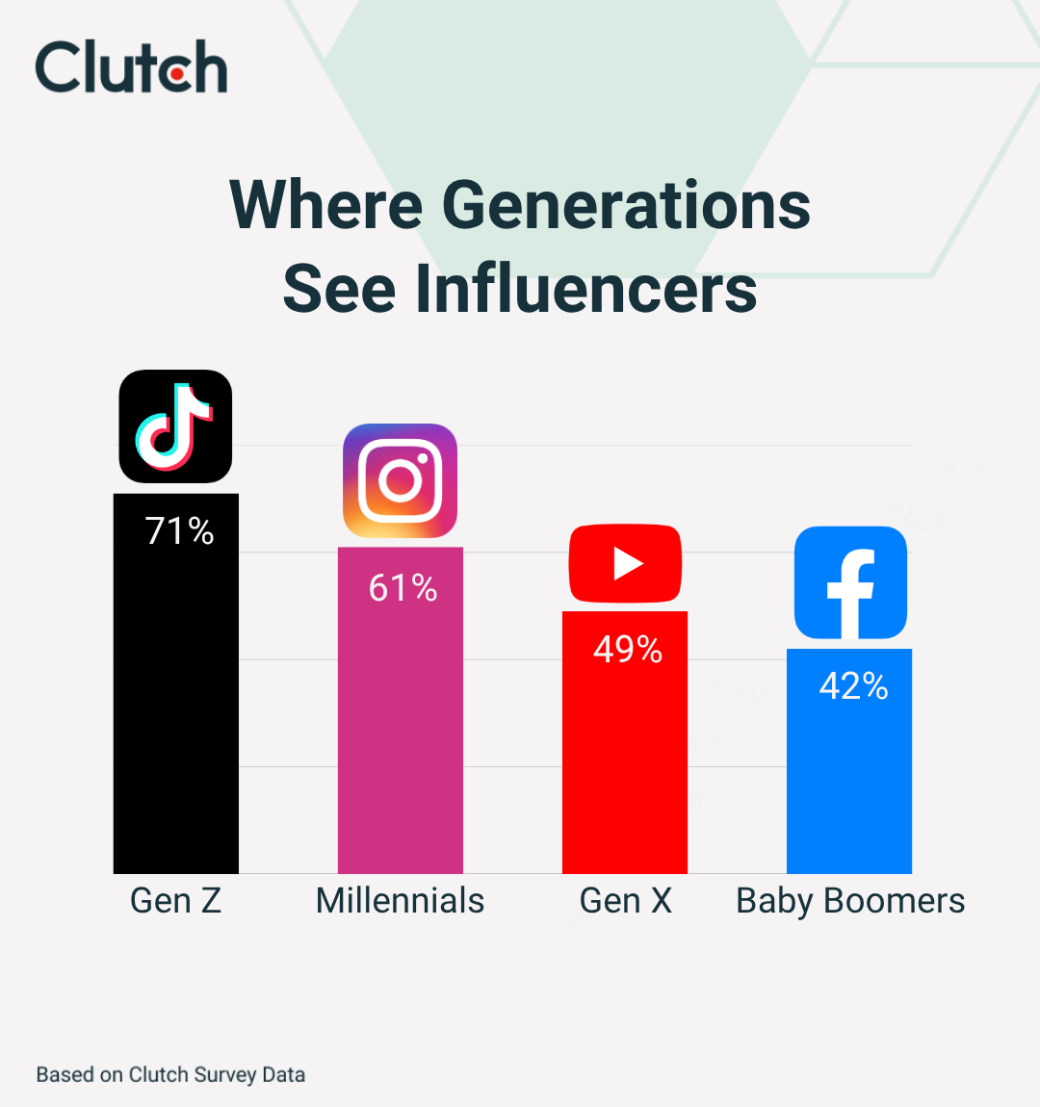
Of course, as a marketer, you already know that people in the same generation don’t all fit in identical boxes. Plenty of baby boomers will be commenting on TikTok, Millennials binge-watching videos on YouTube, and so on. However, understanding where each generation will most likely spend their time online will help you build more effective influencer partnerships.
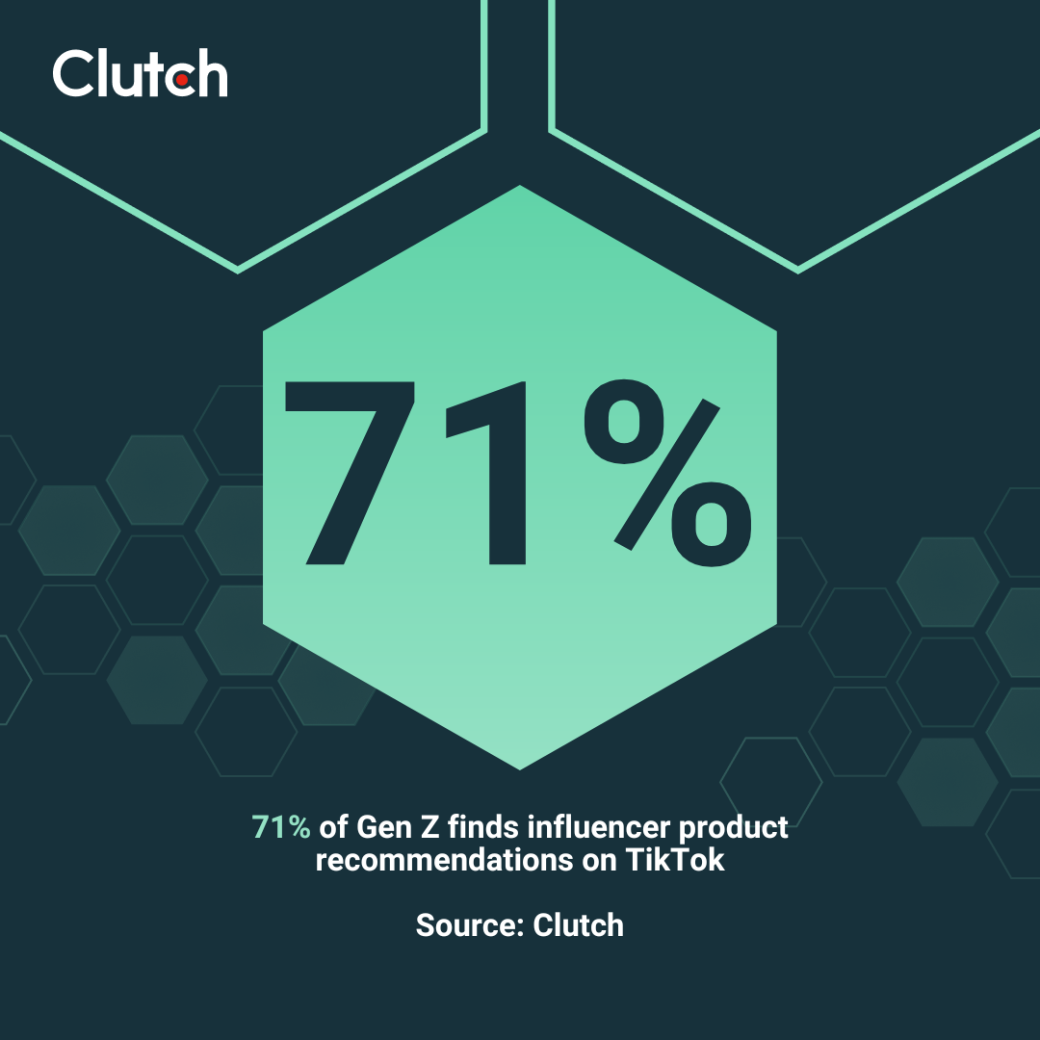
With its slang-filled comments (“no cap!”) and fresh-faced creators, TikTok is clearly Gen Z’s playground. Seventy-one percent of them get influencer product recommendations from this video platform.
Authenticity is always critical for influencer marketing, but it’s especially important on TikTok. Users tend to prefer relatable creators who share their real challenges and experiences. For instance, Kyra Mae Turner shares comfort videos about her travels and makeup tips.
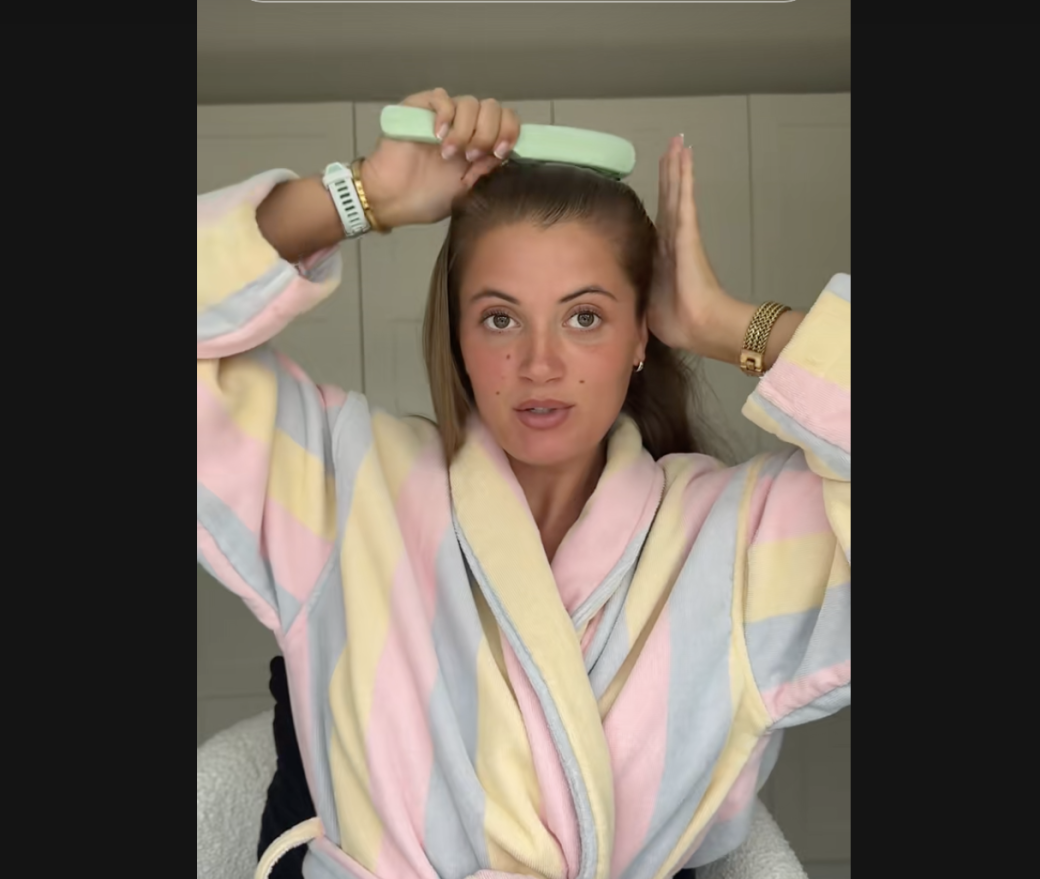
TikTok influencers often use fast-paced storytelling and viral formats to capture their audience’s attention. While older YouTube users might happily sit through a 20-minute video, Gen Z likes its content short and snappy.
These tips will help you ace influencer product promotion on TikTok:
Don’t have endless time to scroll? TikTok spotlights trending creators, hashtags, and songs to help you keep up.
Additional Reading: How Much Does TikTok Advertising Cost?
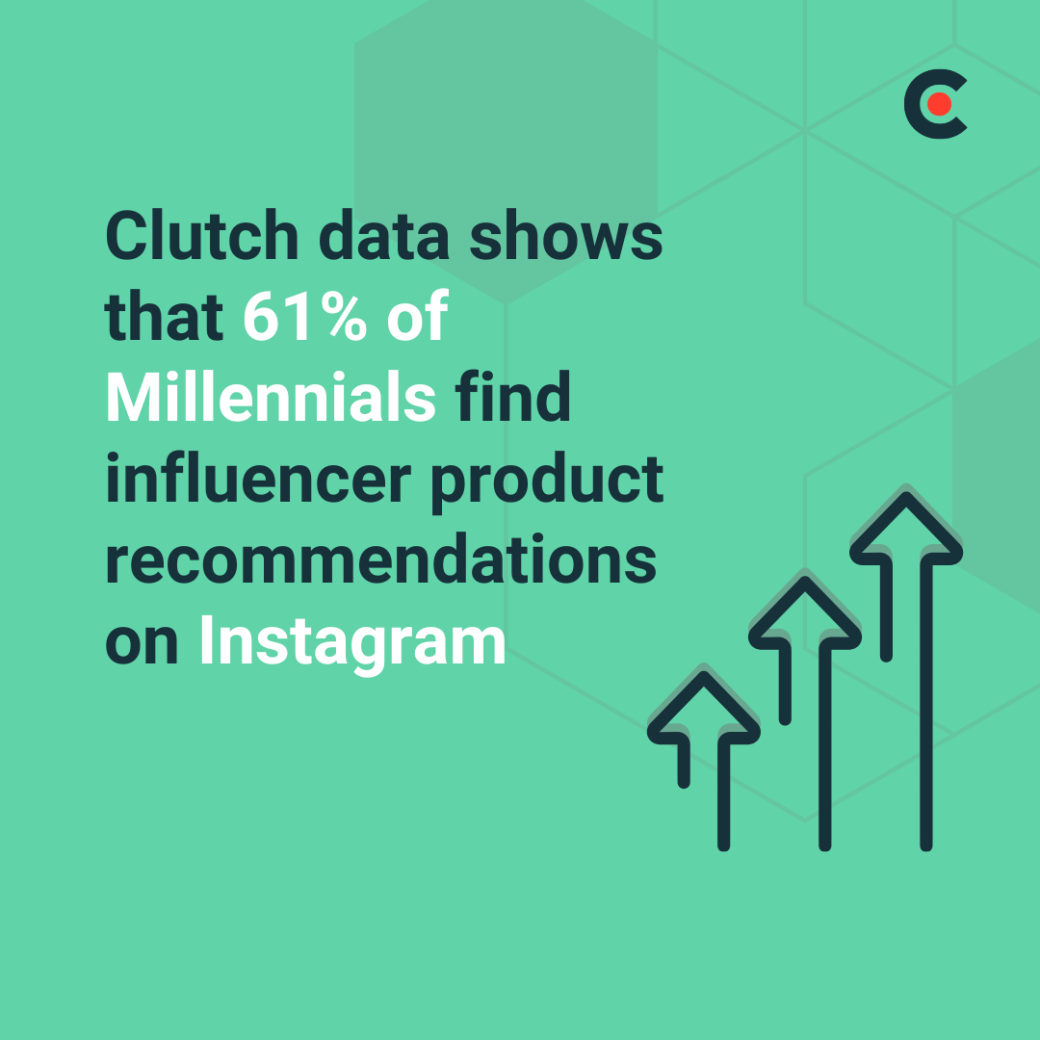
While TikTok is Gen Z’s domain, Millennials often turn to Instagram. Sixty-one percent find influencer product promotions here. That’s not surprising, considering Millennials were some of Instagram’s first users.
Instagram allows users to share photos and video content, though Reels tend to get the most reach. While authenticity still matters, influencers typically focus on creating high-quality content that fits a particular aesthetic.
For example, fashion influencer Lydia Tomlinson’s posts are filled with neutral colors and downright glamorous backdrops, such as Ascot Racecourse and the Swiss mountains (maybe not the most relatable, but a chic aesthetic).
In the same niche, Kylie Nelson uses bold text overlays and usually has plants in the background. These small touches help shape each creator's brand and appeal to fashion-loving millennials.
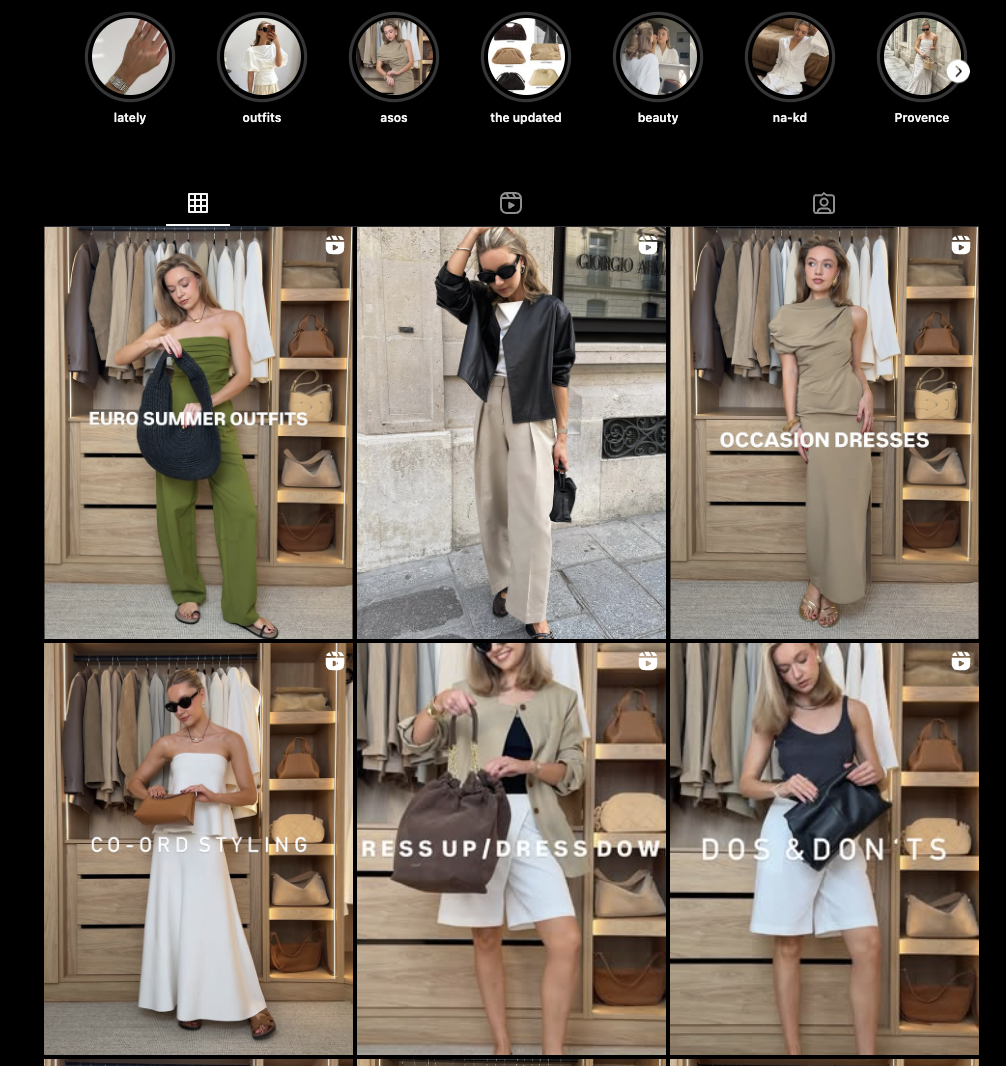
Other popular niches on the platform include:
For Instagram, collaborate with value-driven influencers who create content with real substance. Tomlinson and Nelson's feeds look pretty but also share very practical educational posts and style tips. This type of content feels less like direct marketing and more like a trusted friend sharing their firsthand experiences.
Effective influencer partnerships also combine authenticity with polished visuals. A shaky video filmed in a car might draw viewers on TikTok, but it probably won’t fly on Instagram. Instead, look for influencers with professional equipment and the editing skills to create great content.
Don’t get locked into any one format. Switch it up with carousels, Reels, and even quick stories so your influencers can experiment with different storytelling methods.
Additional Reading: ‘Instagram Reels: Video Ads Beyond TikTok’
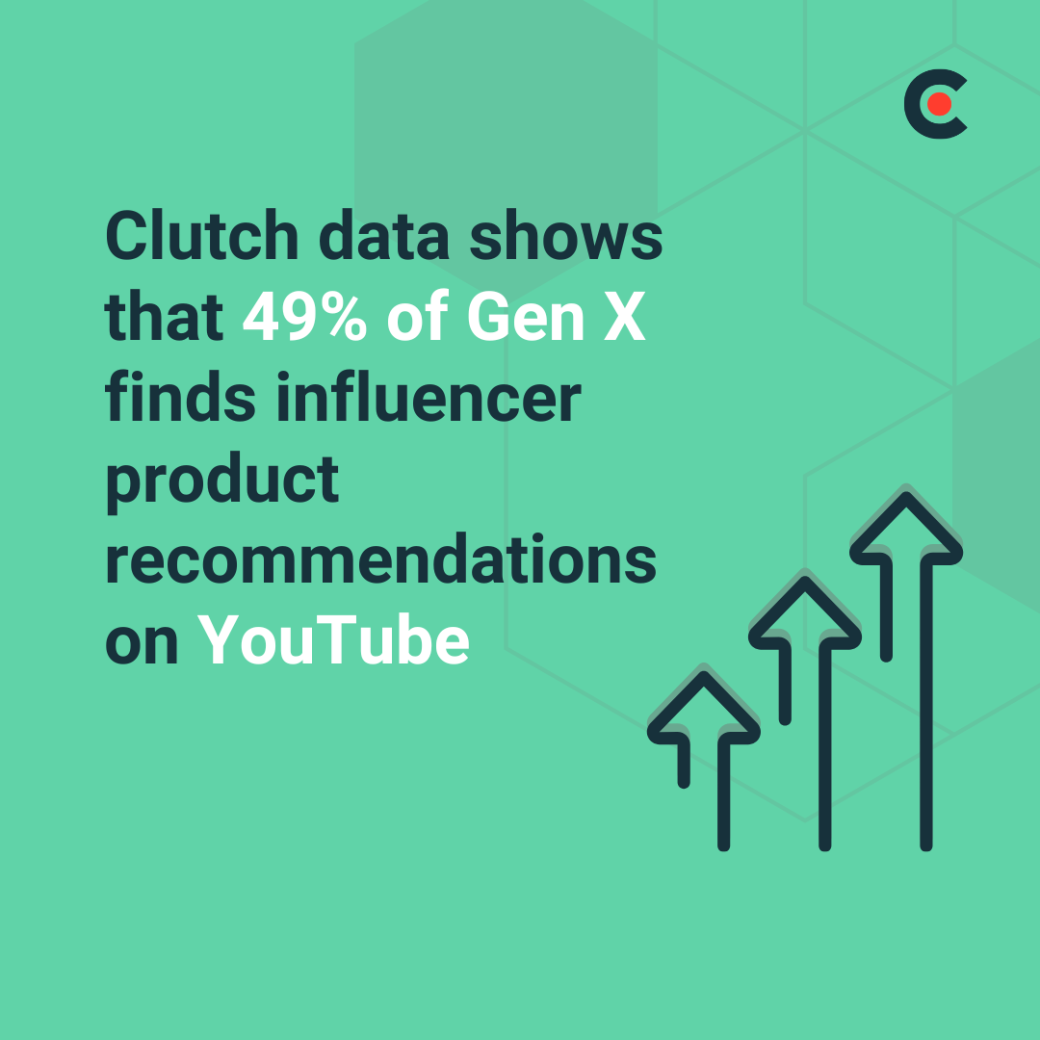
YouTube is the stomping grounds of Gen X. Around half (49%) of this generation discovers influencer product recommendations here.
While TikTok — and, to a lesser extent, Instagram — value short-form content, YouTube gives influencers the space to create in-depth content. They often share lengthy product reviews and how-to videos.
Tech reviewer Marques Brownlee is a great example. His videos typically range from 10 to 20 minutes and spotlight popular tech products. He builds trust by speaking directly to the camera and giving an expert breakdown of each device’s features.
Niche content also thrives on YouTube. Many influencers share detailed videos about their hobbies, careers, and other interests. For instance, April Wilkerson shares her DIY projects and teaches followers how to build everything from an outdoor kitchen to a simple workbench — perfect for Gen X homeowners.
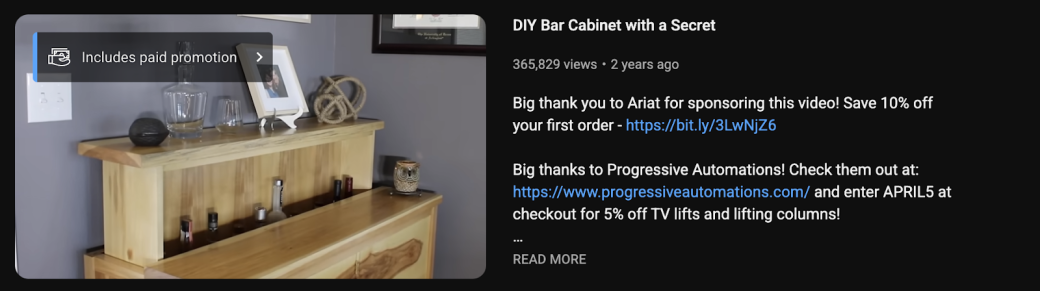
For marketing campaigns, look for YouTube influencers who balance practicality with personality. Their content should be educational without feeling like a textbook — or worse, a lifeless instruction manual. For example, you might ask an influencer to create a video showing them using your product for a project. Or invite them to unbox and review some of your offerings.
Consider searchability, too. Like a search engine, YouTube uses algorithms to help users discover relevant content. Adding strategic keywords to video titles and descriptions increases the odds that your content will be recommended.
For instance, the timestamps for one of Brownlee’s recent videos include keywords like “liquid glass” and “CarPlay.” Gen X iPhone owners (and other shoppers) might use these terms to search for reviews.
Consider YouTube Shorts, too. These videos can be up to 180 seconds long and are typically vertical, mimicking TikToks and Instagram Reels. Many influencers recycle clips from their longer videos as Shorts, expanding their reach.
Additional Reading: ‘YouTube Advertising: Video Ads Beyond TikTok’
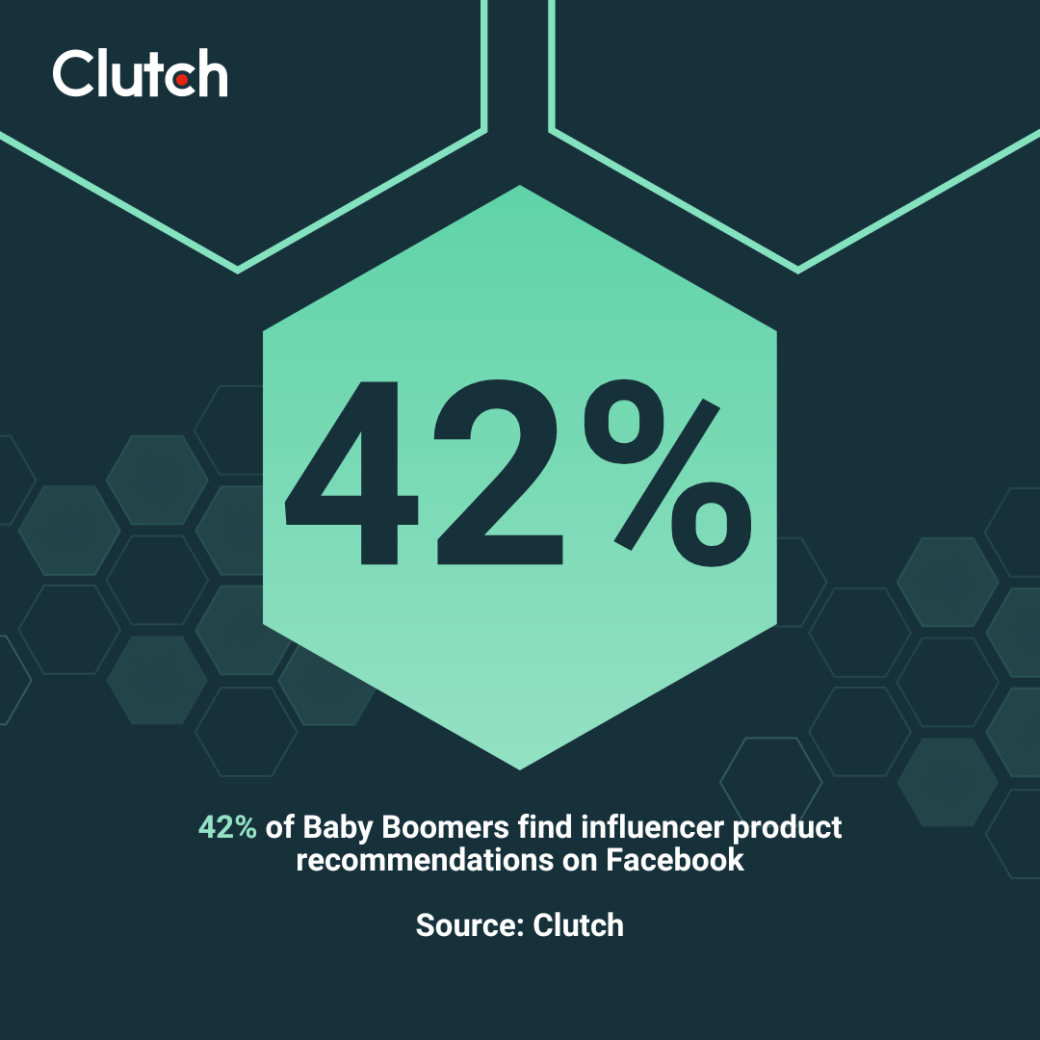
Facebook might not be the go-to platform for college students anymore (that’s TikTok and Snapchat), but it’s still going strong, especially for older users. Our survey found that 42% of Baby Boomers find influencers on Facebook.
On this platform, influencer marketing is typically community-oriented. Some influencers create groups where followers can join conversations and share relevant posts. Others host online events and invite followers to share user-generated content.
Dr. Eric Berg is an excellent model for this community approach. He frequently asks his audience direct questions, such as, “What’s one non-negotiable you have in your bedtime [sic] routine?” He also invites followers to join his regular live shows. Content like this allows users to interact with Dr. Berg and each other, strengthening their relationships.
Baby Boomers often care more about clarity and trust than trendiness, so they probably won’t be impressed by a viral dance. Instead, focus on educational content for your influencer partnerships.
Here are a few ideas to jumpstart your next Facebook collaboration:
Encourage your influencer partners to respond to comments and messages. Even a simple “Glad you liked it!” can go a long way toward building community with Baby Boomers and other generations.
Most brands don’t cater to just one generation. A walking cane company, for instance, might market to Baby Boomers and their Gen X children.
Influencer marketing can help you reach different audiences across platforms. But it’s not as simple as picking a few influencers from various age groups or swapping your cultural references (Nirvana for Gen X, Britney Spears for millennials, and so on).
Here’s how to market across generations strategically:
Take the time to gather feedback, too. You might assume that Baby Boomers love your influencer-led Facebook lives, but maybe they’d prefer a more interactive Q&A. Or they’re over on Reddit or YouTube.
By sending out surveys and analyzing the sentiment of comments, you can see if your influencer partnerships are succeeding or if it’s time to try new strategies.
Like birds of a feather flocking together, generations tend to gravitate toward the same social media platforms. You can focus on the right channels by studying where your target audience finds influencers.
Adapting your influencer product promotions can help you outperform competitors who take a one-size-fits-all approach. Plus, sharing relevant content will build brand loyalty — and that will last long after your influencer campaigns wrap up.
Read more insights into influencer marketing and consumer trust in our recent survey report.