As politicians duke it out over TikTok’s ownership, Instagram has become a safer alternative for video advertising. Learn about the history of this platform and how you can create amazing Instagram Reels.
“Video killed the radio star,” the Buggles sang, in one of the catchiest songs of the late 1970s. Today, video is drastically changing a new industry: advertising. No, it’s not exactly “killing” billboards and emails.
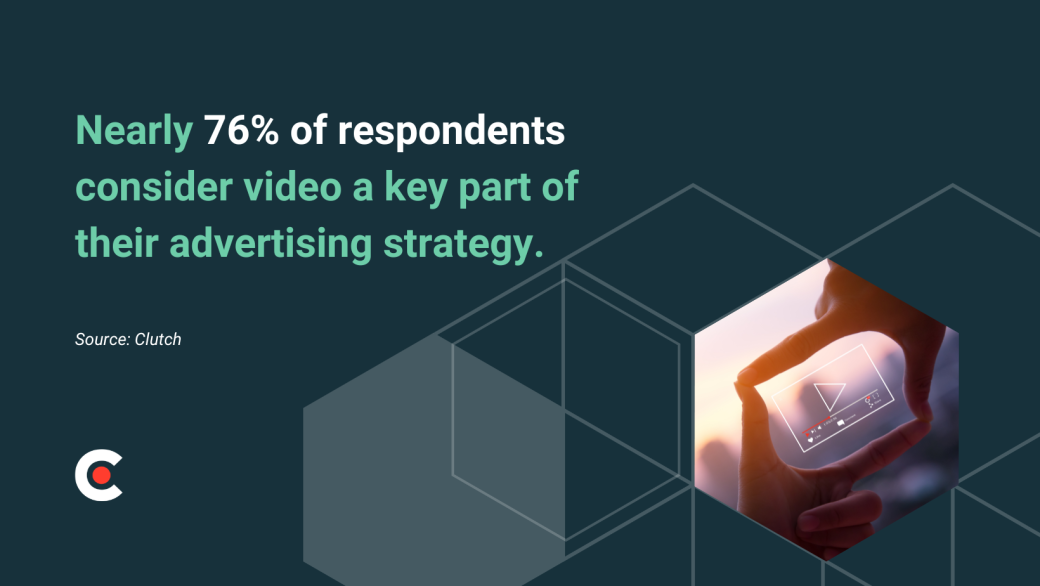
A Clutch survey of 260 professionals in the marketing industry found that almost 76% of respondents consider video a key part of their advertising strategy.
Looking for a Social Media Marketing agency?
Compare our list of top Social Media Marketing companies near you
Many brands have built huge followings on TikTok, often by sharing absurd or funny videos. For instance, Morning Brew has racked up over 25 million views on TikTok for its biting political skits. However, to put it mildly, TikTok isn’t the most stable platform.
The Chinese company’s future ownership remains uncertain as the United States government tries to force a sale, and it could still be permanently banned.
With so much at stake, some companies are turning to Instagram as an alternative. This platform has a much bigger audience than TikTok, with 2 billion active users compared to TikTok’s 1.59 billion. It’s also not plagued by political controversies, making it a relatively safe investment.
Are you unsure how to get started? This guide uncovers the history of Instagram advertising, including the explosion of Reels. It also explores the benefits of using this platform to share videos and potential challenges.
The Role of Instagram in Video Advertising
Instagram has always been a popular place for users to share short-form videos. You may have a personal account that you use to upload adorable cat videos or highlight reels from your latest hike.
Businesses post videos on Instagram, too.
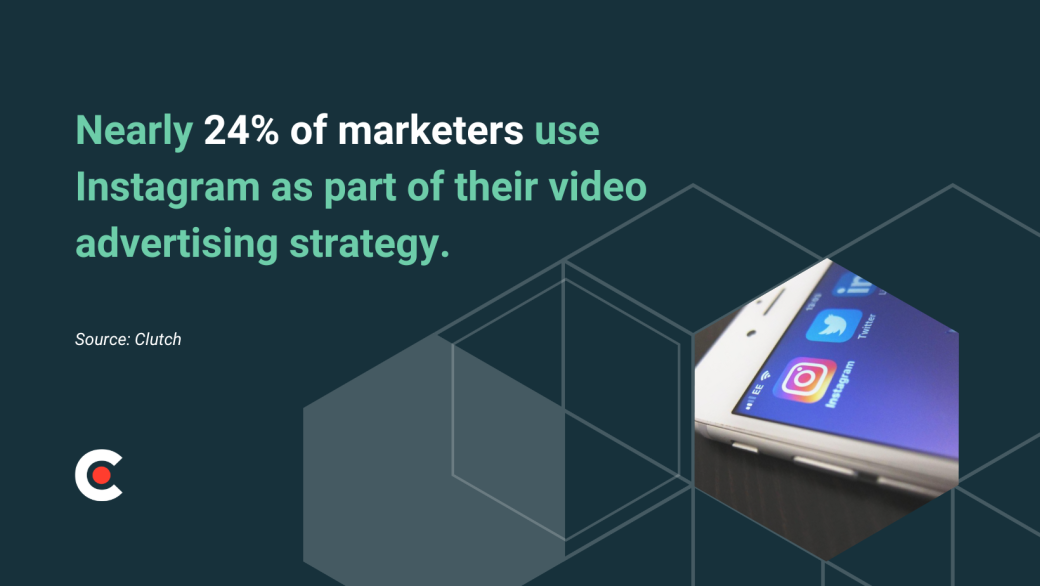
According to Clutch research, nearly 24% use Instagram as part of their video advertising strategy.
Adobe, for instance, frequently creates Reels showing off its software. These videos help customers see how the technology works instead of looking at static pictures.
At first glance, Reels might look like they’re copying TikTok's or YouTube Shorts. But Reels are their own thing, with unique ad opportunities that you won’t find anywhere else. That’s why they should be a central part of any video marketing strategy.
The Rise of Instagram Reels
Okay, so you already know that Reels aren’t just rip-offs of TikTok. But it's true that this format was inspired (at least partially) by the other platform.
In August 2020, Instagram officially launched Reels — short-form videos that combine different clips and photos. You can add many effects, such as:
- Filters
- Illustrations
- Stickers
- Sound effects
- Text
- Voiceovers
Initially, Reels were limited to 15 seconds. As of January 2025, though, you can add up to three minutes of content to a single Reel.
Reels appear throughout Instagram. Every profile has a Reels tab, and they also pop up in your feed. Even the Explore tab is filled with Reels. This consistent presence makes them a powerful marketing tool.
History of Instagram Advertising
Reels might be relatively new, but Instagram marketing definitely isn’t. Since 2015, the platform has allowed brands to pay for carousel ads. These early ads were simple images that users swiped through.
Businesses could also buy 30-second video ads and “marquees,” which pushed their content out to a mass audience for a short time.
Under Meta’s ownership, Instagram’s ad infrastructure has grown rapidly since then. In 2024, Instagram generated $32 billion in ad revenue—almost double the average revenue per user as TikTok ($250 versus $132).
It’s not all about making money, though. Instagram still focuses on maintaining the user experience by blending paid and organic content.
The platform also makes marketing content as relevant as possible for every individual.
“Instagram has great targeting capabilities,” observes Joyce Collarde, director of SEO and content at Obility. “Leveraging them as much as possible will help improve ROI and engagement.”
For instance, a software company executive scrolling through their feed may see something like this: photos from a coworker’s engagement party, then a video of Mark’s dog playing fetch, followed by an ad for an artificial intelligence productivity tool, Aunt Rachel’s Reel from her trip to Italy, and so on.
This format is much more engaging than seeing random ads for every other post.
Types of Instagram Video Ads
Instagram advertising comes in several formats, so you can switch up your approach for different campaigns. Here are a few options:
In-Feed Video Ads
Every user’s feed displays a constantly updating collection of content curated just for them. With in-feed advertising, you can create one-second to 60-second videos that appear alongside your audience’s stream of birthday Reels and latte photos.
The New York Times, for example, uses in-feed ads to promote its Cooking subscription.

This video shows someone making black sesame Rice Krispies, with plenty of close-ups of the gooey treats to grab the viewer’s attention. A “Subscribe” button at the bottom of the ad takes users to a landing page where they can buy a subscription.
Stories Video Ads
Instagram users can create temporary Stories, which is content that disappears after 24 hours (a la Snapchat). Businesses can create Stories ads that pop up as users tap through the Stories of accounts they follow.
Basically, they’re a skippable commercial break between all the shaky concert footage and clips of kids playing.

Disney Plus is one brand that regularly runs Stories ads. This example shows a montage of popular TV shows like "The White Lotus" and "The Pitt." Viewers can click the prominent “Sign Up” link to buy a subscription.
Reels Ads
Along with the main feed, Instagram has a dedicated Reels viewer where mobile users scroll through videos. Businesses can buy ad space for this section, which pops up as sponsored content.
This format can be incredibly persuasive — and lucrative. According to Meta, 79% of people have bought a product or service that they’ve seen on Reels.
This VRBO Reel ad is filled with dreamy clips of people vacationing in gorgeous houses.
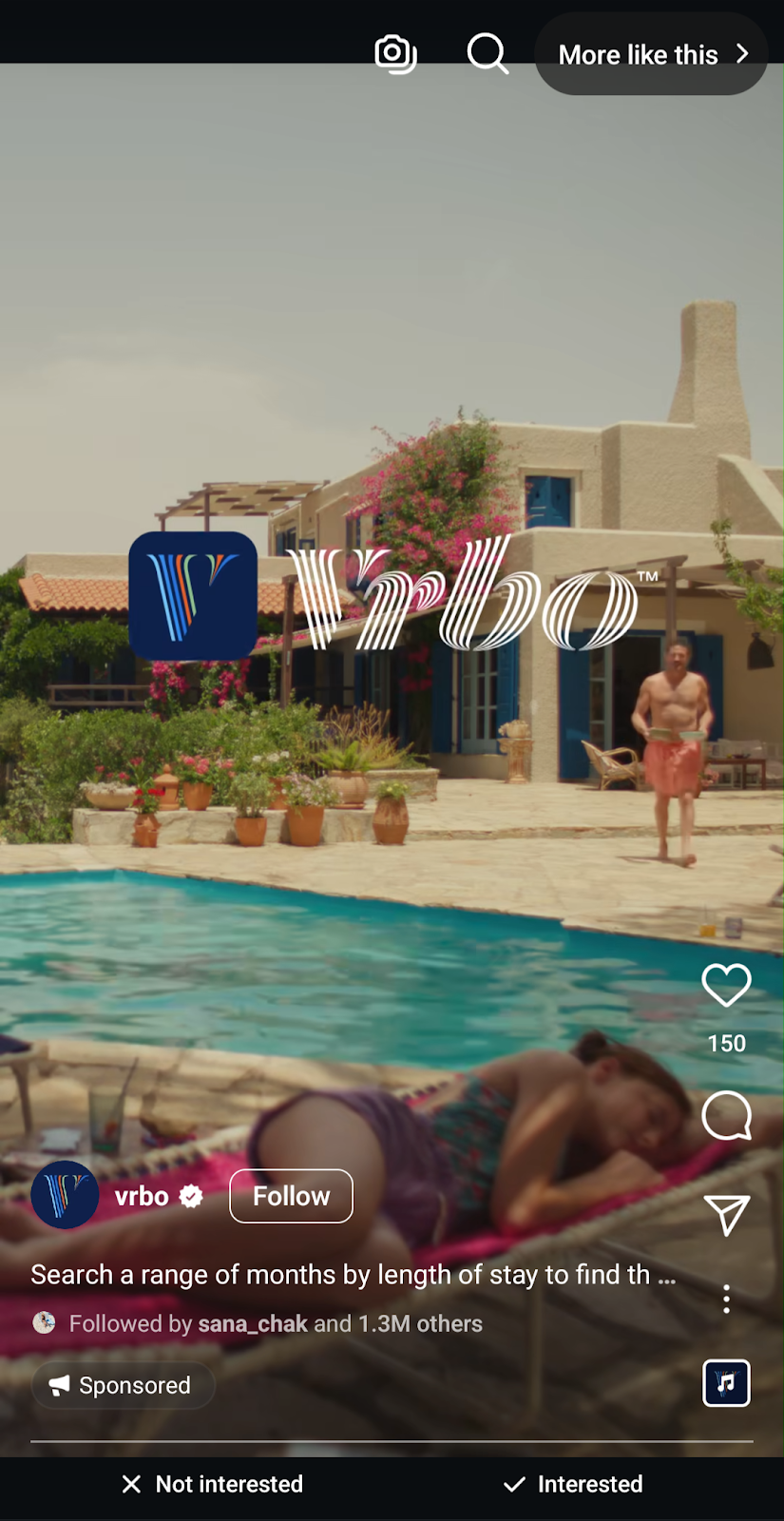
There are two buttons at the bottom: “Not interested” or “Interested.” This feature gives viewers more control over their experience and increases the chances that Instagram will only show your content to people who genuinely care about it.
Explore Video Ads
Sometimes, users get bored with their feeds and want to discover fresh creators. The Explore tab offers brand-new content that fits their preferences and engagement history.
You can place short (one-second to 60-second) ads between organic content to attract viewers who have already shown interest in your niche.
A sponsored Wendy’s advertisement appears at the right side of this Explore tab, surrounded by organic videos.
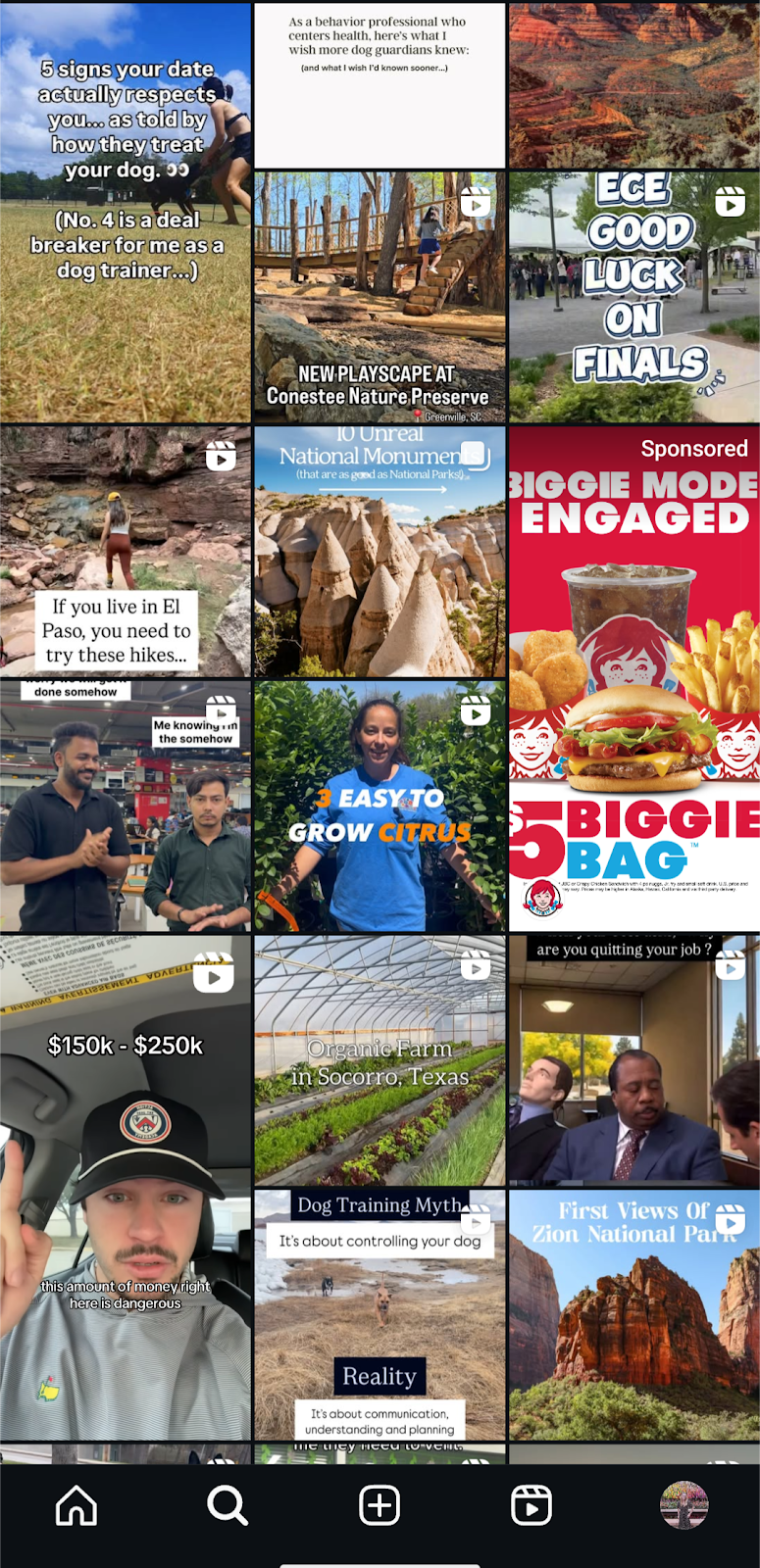
The ad autoplays as the user scrolls past, with moving images and text designed to grab their attention. The viewer can also tap the video to expand it and engage through likes or comments.
Instagram Live Ads
Many businesses use livestreams to promote their brands in a more interactive way. These aren’t traditional video advertisements — there’s nothing to record or edit ahead of time. Instead, you can simply spotlight your products and services while engaging with your audience on live video.
The car manufacturer DFSK International used a live stream to announce a new model.

During the event, two employees showed off the car’s features and answered questions from the audience. The company also recorded the stream and posted it on its Instagram page so viewers could find it later.
Why Marketers Should Prioritize Reels Ads
With so many advertising channels available, you might wonder, “Should I really spend some of my limited energy and time on Reels?” It’s a valid question, especially if you haven’t used Instagram much. Here are a few reasons why it’s worth it to add these short videos to your content calendar.
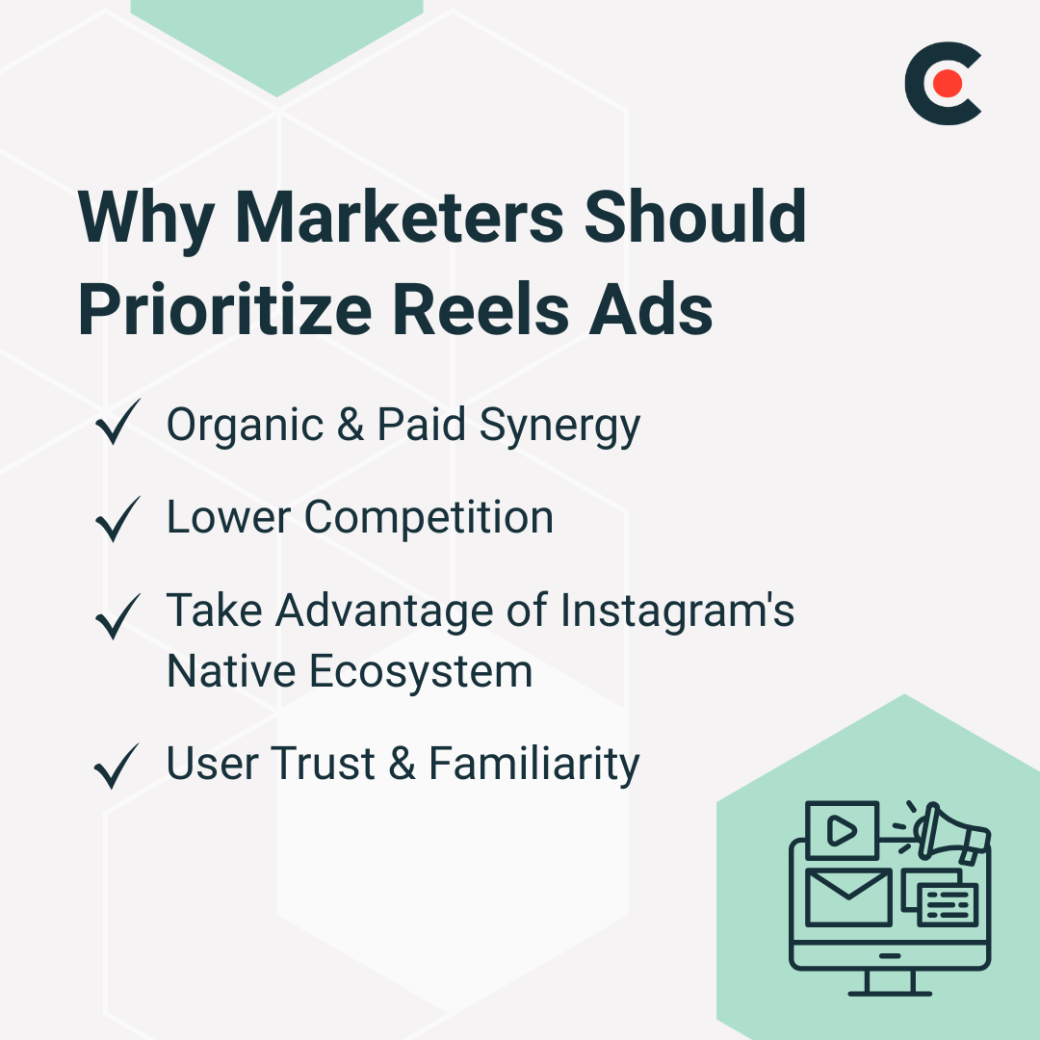
Organic and Paid Synergy
Instagram Reels tend to get more organic reach than single photos or image carousels. And you don’t need a large following to see impressive results. In 2024, Reels shared by accounts with 500 or fewer followers reached an average of 8,090 people, not bad for quick videos.
Paying for Reels ads can help you widen your audience even further. Some of these users might follow your account, creating a positive cycle of growth.
Lower Competition
While many brands have Instagram accounts, Reels haven’t really caught on yet. As a result, this content is less saturated with ads than TikTok or the main Instagram feeds. Investing in Reels now can give you a competitive edge, especially if TikTok gets banned and advertisers flock to this format in its place.
Take Advantage of Instagram’s Native Ecosystem
Instagram has quietly built an entire sales machine inside its platform. Customers can shop for products while scrolling through their feed and watching Stories. This ease of purchasing means there’s a higher chance of conversion during every interaction.
User Trust and Familiarity
Instagram’s been around since 2010, so it’s built over a decade of trust with some veteran users. This long history can make people feel more comfortable buying products from Instagram ads than from newer apps like Fizz and Lemon8.
Instagram’s Challenges and Considerations
Like any social media platform, Instagram has its flaws. Here are a few obstacles you might encounter while creating Reels and other types of content.
Algorithm Changes and Declining Organic Reach
Instagram uses a complex algorithm — or a set of rules — to understand each user’s behavior and show them the most relevant content. Someone who spends a lot of time engaging with horse videos, for instance, may see pet-related ads and influencers in their feed.
The company’s developers frequently tweak this algorithm to improve the user experience. Unfortunately, some of these changes seem to have reduced Reels' reach, at least according to a flurry of Reddit posts like this—which may make them less effective.
Additional Reading: ‘How to Build Your Reddit Marketing Strategy’
Content Saturation and Competition
Many brands have ramped up their content creation in an attempt to grow their audiences. With so many marketing materials floating around the internet, producing truly unique content is the only way to stand out.
Ad Fatigue
Advertisements have become an inescapable part of the online experience. Users may feel annoyed if they constantly have to swipe past your ads when they just want to see their cousin Kate’s graduation photos. You can reduce the risk of this by using Reels sparingly and mixing in plenty of organic content.
Targeting Limitations
Instagram’s targeting features are only as helpful as you make them. In other words, you need to research your niche carefully and customize your ads accordingly to get results — not blindly guess or target all women.
Evolving Platform Features
Meta frequently updates Instagram’s features. You might learn how to make Instagram Reels one month, then need to teach yourself new tools the next. However, a little practice should be enough to get you back up to speed.
Aesthetics vs Accountability
Sometimes, it’s tempting to create beautiful or hilarious ads, even if they’re not strictly true. After all, you want to get views, right? But your ads should never mislead viewers — that’s a scam, not marketing.
Instagram Advertising in the B2B Space
While this article has shared several examples from business-to-consumer (B2C) brands, Reels can also be a powerful business-to-business (B2B) tool.
Collarde explains, “The video format is an interesting value proposition because it really gives B2B marketers the opportunity to show behind-the-scenes of how their solution works and how other customers use their products. They can also interact directly with their audiences.”
Here are a few Instagram ads that work great for B2B marketing:
- Carousel ads
- Reels
- Video ads
- Stories
These formats can help you grow your brand visibility, potentially in a space that your competitors haven’t fully tapped yet. They’re also useful for generating new leads and encouraging your team to advocate for your business in fun ways.
Grow Your Influence on Instagram
Americans spend an average of 52 minutes a day watching videos on social media. Instagram advertising helps you stay in touch with your audience while they swipe and comment.
Get started by creating your first Reels. These formats can help you boost conversions while expressing your brand personality. Just don’t take it too seriously. Experiment with different trends, try out new content, and use Instagram’s built-in analytics tools to make sure you’re on the right track.
About the Author
Anna Peck
Content Marketing Manager at Clutch
Anna Peck is a content marketing manager at Clutch, where she crafts content on digital marketing, SEO, and public relations. Alongside editing and producing engaging B2B content, she plays a key role in Clutch's awards program and content initiatives. Originally joining Clutch on the reviews team, she now focuses on developing SEO-driven content strategies that deliver valuable insights to B2B buyers searching for the best service providers.
See full profile