The Community Advantage: Why Reddit and Quora Are Reshaping B2B Marketing
Reddit and Quora now shape B2B buying decisions long before a sales call. Learn how community trust, expert answers, and peer proof win buyers over.
Updated May 28, 2026

Influencer marketing isn’t as effective as it used to be, but it can still drive revenue with the right strategy. Learn how to adapt yours based on Clutch data.
Influencer marketing has grown rapidly over the last five years, and that may have made it less effective. In 2020, the global market for influencer partnerships was valued at around $10 billion. That’s expected to triple by the end of 2025.
However, as the market expands and more brands pay for sponsored posts, consumers have become less likely to trust them.
Looking for a Social Media Marketing agency?
Compare our list of top Social Media Marketing companies near you
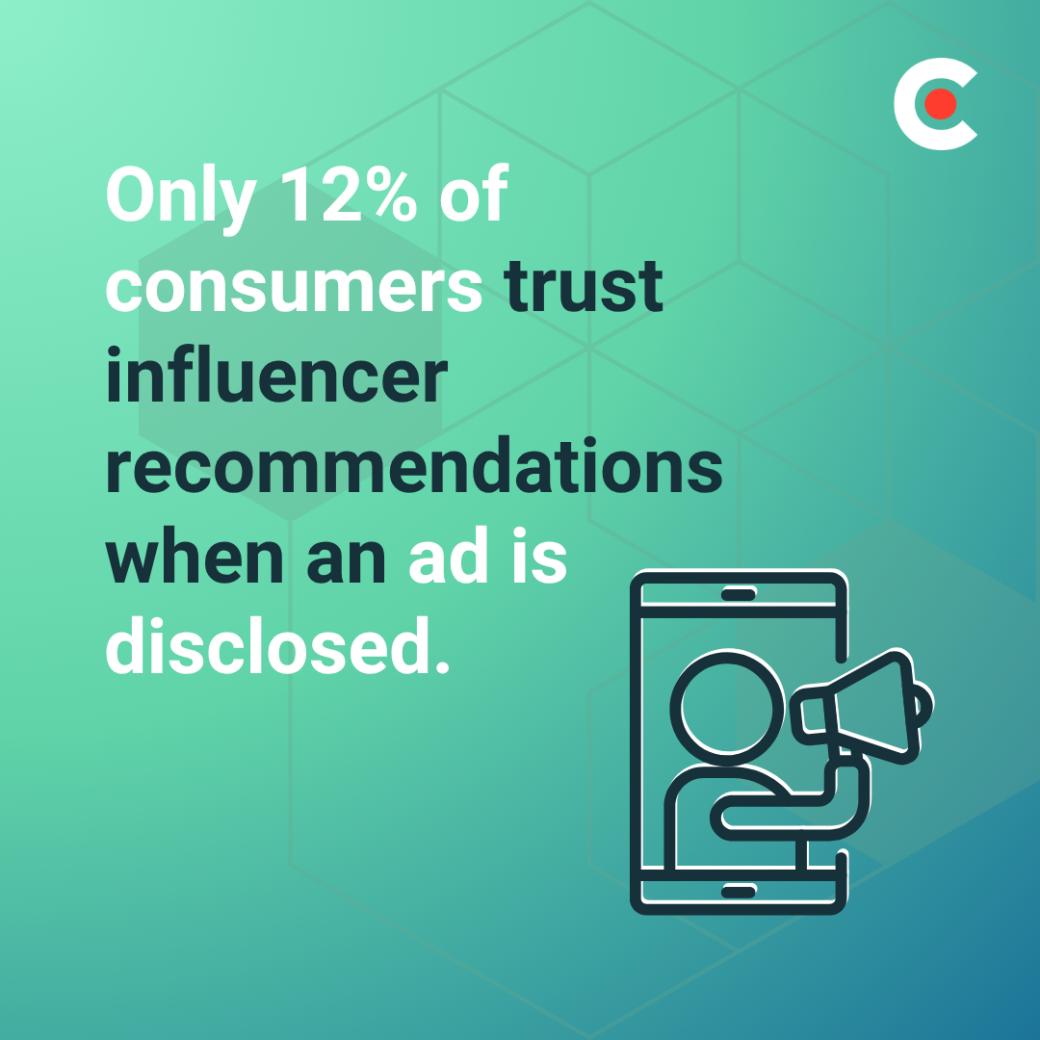
Clutch surveyed 277 consumers on their thoughts about influencer marketing and their product recommendations. Our data found something a bit surprising – only 12% of respondents trust influencer recommendations when an ad is disclosed. Despite the transparency, there is still a level of skepticism when money is involved.
To hit your targets in this new landscape, you may need to rethink your strategy for influencer sponsorships. This article provides actionable tips to help you do so and goes deeper into the current state of influencer marketing.
Influencer marketing began in the early 2000s, as social media platforms like Facebook and Twitter became popular. Creators built huge followings of fans who trusted their opinion and wanted to support them. This led to monetizing audiences, which involved taking sponsorship deals from brands.
Companies have used these relationships to target highly niche audiences, expand their reach, and connect with new consumers. What emerged was a mutually beneficial relationship between creators and brands. But the success of early campaigns led to explosive growth in the number of sponsored posts on users’ timelines.
This has shifted how people view sponsored ads from influencers. For example, people were more excited about Kylie Jenner's makeup line, which represented her first major foray into influencer marketing, than her recent Instagram ads advertising Puma with hashtags like #PumaAmbassador and #PumaAd.
Skepticism is growing. As creators post more ads, they start to resonate less with their audiences. Many social media users now think twice before trusting an ad from an influencer.
Your strategy will need to overcome this problem. You can still be effective with influencer sponsorships, but you’ll likely need a more targeted strategy.
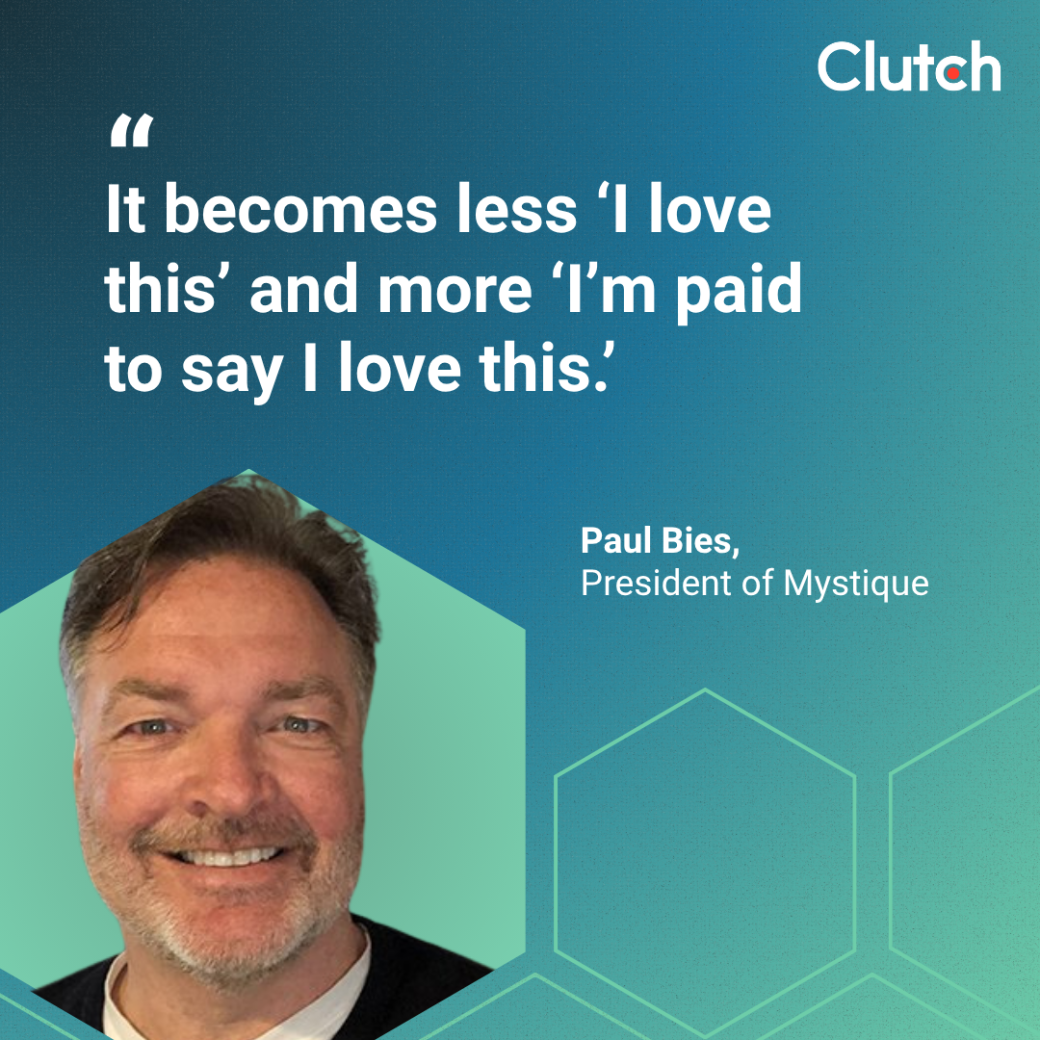
Paul Bies, president of Mystique, a branding agency, summarizes the growing trust gap between influencers and their audiences succinctly: “It becomes less ‘I love this’ and more ‘I’m paid to say I love this.’”
Results from our data show how this shift in consumer sentiment is impacting the effectiveness of influencer marketing:
Ultimately, people are starting to doubt the sincerity of sponsored posts. They know creators use them to make money, and don’t always trust influencers to be honest about their opinions. This has created a world where audiences are more likely to ignore paid posts than they’ve ever been.
The main issue with paid influence on social media today is the rise of the “#Sponsored” tag. Social media companies began requiring it so users would know when a post has been financed. But now, many people on social media ignore these posts entirely. Even those who don’t typically view sponsored posts much more skeptically than the others on their timeline.
Some of this is caused by social media algorithms becoming saturated with sponsored posts. As more of these proliferate, users’ feeds become less organic and useful to them. This creates a natural resentment for influencer marketing that can hurt your outcomes.
However, there are still ways to use influencer marketing effectively. Bies says, “What builds trust is realness: behind-the-scenes glimpses, unfiltered reviews, and content that shows the product in everyday use—not just in staged settings.”
One important goal is finding ways to bring authenticity back to the posts you sponsor. That could mean giving influencers more creative control, letting them share their honest opinions, or changing the tone of your ads, among other strategic shifts.
Another important factor to consider is the importance of peer and personal networks. Clutch data found that just 50% of consumers today trust product recommendations from influencers as much as those from friends and family.
So, at least half of your target audience will prioritize reviews from peer networks, friends, and family members over influencer posts. This means even authentic, honest ads could struggle to resonate.
The answer may be to target more online communities with your digital media ads. For example, many people use Reddit to find honest opinions from niche communities. Advertising on relevant subreddits and sponsoring events can provide your brand with the social support it needs to boost sales.
Given all this, you may be wondering what your company can do to hit its influencer marketing targets. Here are a few key takeaways.
First, note that traditional forms of paid influence may not be enough to cut through the noise. Instead of one-off ads, aim for long-term partnerships with influencers who have a true stake in your company’s performance.
This aligns incentives between you and the creator while encouraging them to promote your products often and authentically. Turning the right influencer into a long-term advocate for your brand can be much more effective than dozens of one-off ads.
Next, emphasize transparency, authenticity, and relatability in your influencer ads. Audiences are more likely to ignore overdone ads that feel like they come from a business instead of their favorite online creator.
This is why giving influencers creative control over the content they share is often a good idea. They know their audiences best and can create a message that resonates authentically if you incentivize them to do so. That could mean offering a percentage of profits for sales generated.
Another important step is diversifying the sources of your online credibility. Instead of partnering with a few select influencers, consider expanding your reach to include online communities, like subreddits. This can help you reach the segment of your audience that trusts niche internet groups over individual content creators.
Finally, consider partnering with niche creators instead of the largest accounts in your industry. Their followers tend to engage with sponsored ads more consistently. Plus, you’ll spend less per post, which should leave you with more resources to pursue other marketing goals.
Influencer marketing is far from dead, but it’s not the same field that it was in the early days of social media. Blind reliance on sponsored content is fading as consumers become more media-savvy. Your brand will likely need to adopt new strategies to stay competitive in this shifting landscape.
Adam Bird, director of strategy at DEKSIA, shares what this means to brands, in practice:
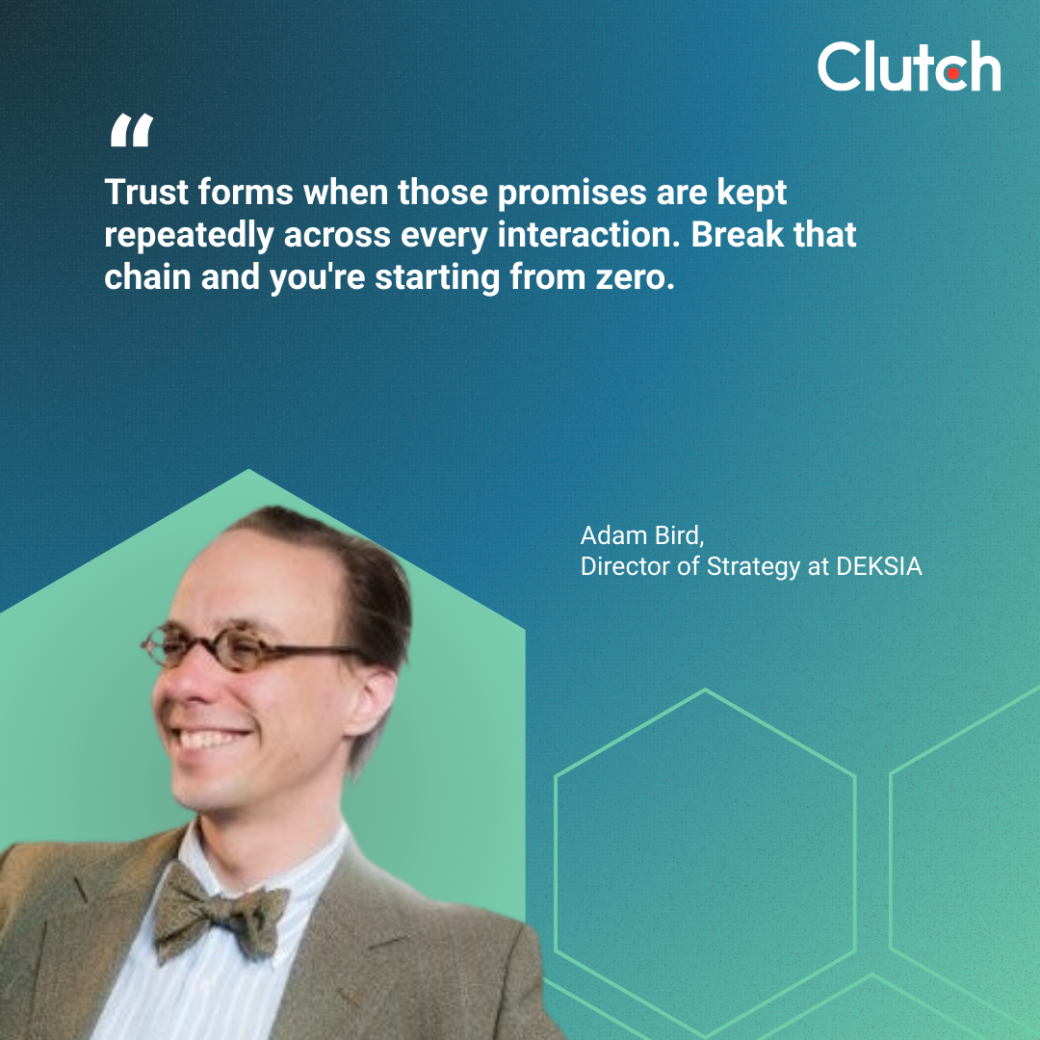
“Clarity and confidence come from behavioral consistency. Every brand—corporate or individual—makes promises. Trust forms when those promises are kept repeatedly across every interaction. Break that chain and you're starting from zero.” So, focus on follow-through, let creators help you connect with their audiences, and watch KPIs over time to track your progress.
If you’d like guidance, consider partnering with an agency that specializes in this new landscape of influencer marketing.
Read more thoughts about influencer trust and consumer behavior in our latest survey report.