The Community Advantage: Why Reddit and Quora Are Reshaping B2B Marketing
Reddit and Quora now shape B2B buying decisions long before a sales call. Learn how community trust, expert answers, and peer proof win buyers over.
Updated March 25, 2026

Keeping influencer marketing authentic in today’s landscape is key for successful campaigns. According to Clutch data, consumers are increasingly skeptical of influencer endorsements — yet they still follow brand recommendations when they feel genuine. Learn more about why consumers doubt influencers, but keep buying anyway.
Influencers remain an important part of social media marketing campaigns. Yet their effectiveness is tied to how much their followers trust them and their endorsements.
This creates some risk for businesses that partner with influencers based on the size of their followings and not on how much consumers trust them. Clutch surveyed 277 consumers about their thoughts on influencer marketing and product recommendations.
Looking for a Social Media Marketing agency?
Compare our list of top Social Media Marketing companies near you
According to Clutch data, while 87% of consumers believe influencers have used the products they recommend, 52% believe they’ve only used the product once — or not at all.
Remarkably, however, 41% of consumers still state they would buy from a brand they’ve never heard of, if an influencer they follow recommended it.
What accounts for this disparity in influencer skepticism and buying behavior, and what does this mean for marketers planning advertising campaigns? In this article, we’ll examine the current state of authentic influencer marketing and how brands and marketers can maintain trust with consumers.
“Perceived authenticity,” or the extent to which a person, brand, or product is seen as real or genuine — regardless of objective reality — plays a huge role in how consumers perceive a brand and choose to make purchases. In the past, brands sought to build this sense of authenticity by having social media influencers with large followings promote their products. However, consumer perception of many of these influencers has changed.
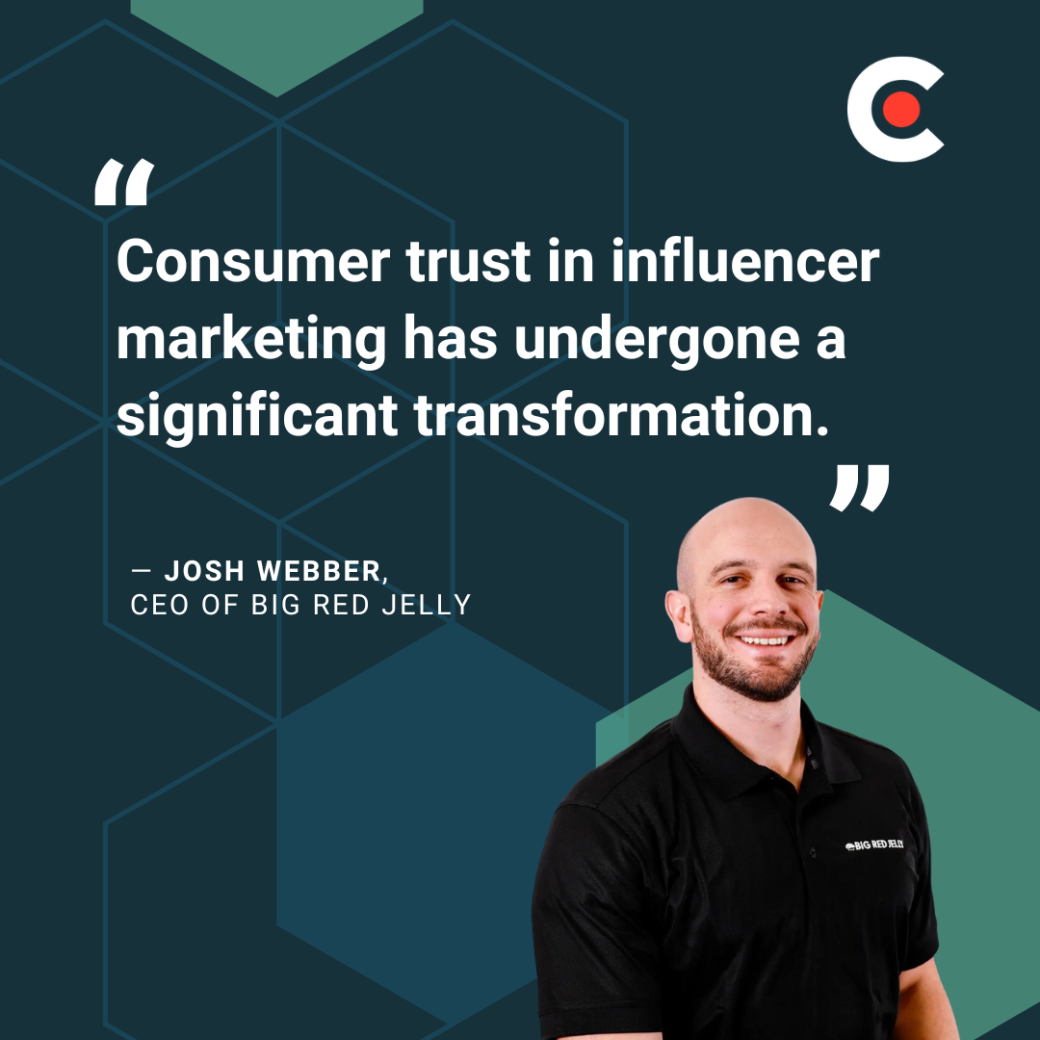
“Consumer trust in influencer marketing has undergone a significant transformation,” states Josh Webber, CEO of Big Red Jelly. “A few years ago, there was a novelty factor; influencers felt like a direct, authentic voice. However, as the industry matured and more brands jumped on board, consumers became savvier.”
Influencers who produce excessive sponsored content and promote products they don’t use may be perceived as mouthpieces for their sponsors rather than genuine people expressing honest opinions. As audiences begin to feel that they’re being fed constant advertisements, their trust and engagement may decrease.
Curated content and professional branding that appears superficial can also undermine consumer confidence. For instance, influencers who use filtered images of a product to idealize its appearance or brand ambassadors who make unsubstantiated or exaggerated claims about an item will lose their followers’ trust. When consumers see influencers manipulating content to present brands in a better light, those brands lose their perceived authenticity.
Yet, even skeptical consumers continue to listen to influencers and make purchases based on influencer-created content — as much as 41%, according to the statistics above. This highlights the continued viability of influencer marketing in an era of consumer skepticism, which begs the question: Why do we still listen to influencer recommendations?
Influencers with a strong social media presence are consistently visible, which helps build a sense of familiarity among their followers. This leads to a “familiarity bias” or a tendency to trust people we recognize.
Celebrity influencers such as Hailey Bieber or Bretman Rock have a big advantage in this realm.
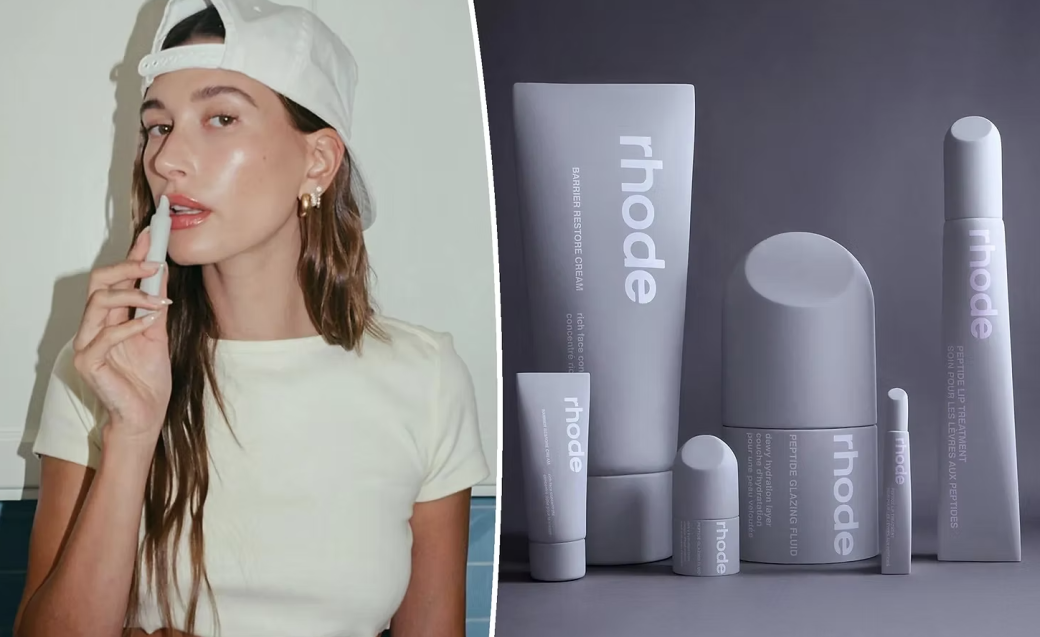
People are constantly exposed to figures like them across all types of media, building an emotional connection to them. Consequently, consumers begin to trust influencers' recommendations and make impulse purchases based on their endorsements.
As more followers make purchasing decisions based on an influencer’s recommendations, this leads to a “bandwagon effect,” where consumers buy products or follow trends because other people are doing the same. Eventually, people believe in the viability of a brand or product based on its mass popularity, developing a sense of “social proof.”
This bandwagon effect can be further heightened when consumers experience FOMO or “fear of missing out.” The anxiety that others are having a positive brand or product experience while they are not may drive consumers to make similar purchases, not necessarily because they want to be part of the “in crowd,” but because they fear being an outsider.
This fundamentally demonstrates how emotional influence can outweigh rational skepticism under certain circumstances. Although consumers may question influencer claims, familiarity and popularity remain powerful influences on consumer behavior.
Nevertheless, consumers are growing more discerning of influencers and actively seek out those they believe they can trust. This reveals a growing skepticism of traditional advertising and a desire for more relatable social media influencers.
Followers now focus on how aligned they are with an influencer’s personal values, as sharing similar values can impact how much they resonate with an influencer's endorsements.
For instance, an influencer who consistently produces content on environmentalism realizes their brand is tied with values such as sustainability and land stewardship. Thus, any products they endorse should reflect these values to maintain authenticity and trust. To align themselves with a company known for harming the environment would damage this trust and alienate followers.
Consumers also assess influencers on niche expertise. Social media influencers who offer in-depth knowledge and insight in specific areas gain significant credibility with their followers. When they make product recommendations for items related to their area of expertise, consumers tend to trust them, leading to higher conversion rates.
Ultimately, savvy consumers are learning to distinguish their trust in an influencer from their trust in an endorsement. While familiarity and popularity continue to sway some consumers, people now seek out influencers with niche authority and relatable experiences over media celebrities promoting their sponsors.
So, what does this mean for brands and marketers moving forward? While influencer campaigns continue to be a powerful marketing strategy, businesses need to be more selective about the influencers they work with.
Companies need to work with influencers whose personal brand genuinely aligns with their own brand values. For instance, sportswear companies can partner with fitness enthusiasts who embody the values of healthy living and athleticism. This communicates more authenticity than promoting products through a celebrity influencer who may never use their products.
Influencer campaigns also need to prioritize storytelling over scripted promotion. Audiences take influencers who share personal experiences with an endorsed product more seriously. This is particularly true if the content creator shares long-term product experiences and provides followers with a realistic picture of the product’s benefits and their overall satisfaction.
Lastly, influencers need to be transparent in their messaging. For example, they need to be upfront about sponsored content or paid partnerships. It also means they should be encouraged to share their honest feelings about a product, including any critical opinions, and not make false claims. Consumers appreciate genuine endorsements, which build greater trust with your brand.
Developing authenticity in influencer marketing is tricky. Although consumers are likely to question influencer claims, they still listen to recommendations from influencers they trust. Therefore, brands need to focus on earning this trust in order to connect with their target audience.
Partnering with niche influencers who value authenticity and transparency is a smart way to build positive consumer relationships. Niche influencers may not have the large followings of better-known celebrities, but their content is valued by their audience, who see them as trusted authorities with matching values. If you can discover influencers with an existing following that aligns with your target demographics, you can build a more trusted brand.
Read more about influencer marketing and consumer behavior in our latest data-driven report.