
How to Define Brand Values That Guide Every Business Decision
Brand values are the principles that guide company decisions, define what a brand stands for, and shape how it treats customers, employees, and partners.
Updated February 24, 2026

97% of consumers say authenticity matters when choosing whether to support a brand. The question is: Is your brand being seen as genuine or performative?
In 2017, Pepsi released its “Live for Now” campaign featuring Kendall Jenner diffusing a protest by handing a can of Pepsi to a police officer. Within 24 hours, the campaign was pulled.
The issue was more than a misread of the cultural moment. It was the way Pepsi positioned itself as a unifying voice in a conversation about racial justice without any meaningful connection to the cause. Pepsi didn’t need to be a social justice brand, but the moment it pretended to be one, with no substance to back it up, the entire façade collapsed.
Looking for a Public Relations agency?
Compare our list of top Public Relations companies near you
It’s a sharp example of a broader shift: consumers can sense when brands are performing authenticity rather than living it. And as AI-generated content accelerates and glossy messaging becomes easier than ever, the line between “appearing real” and “being real” is getting thinner — and riskier — for brands to walk.
This guide reveals what brand authenticity truly means in 2026, using consumer data to show what actually builds trust, what breaks it instantly, and how brands can create an authenticity strategy rooted in behavior rather than performance.
Not sure how to turn authenticity into action? Explore our directory of top-rated branding agencies to craft a strategy that truly resonates with your audience.
Consumers are approaching brands with a level of scrutiny that didn’t exist a decade ago. With trends shifting overnight and AI-generated content filling every feed, people want something that feels stable, human, and grounded in truth. That’s where authenticity becomes a competitive advantage.
Brand authenticity is a critical determining factor when it comes to brand loyalty, advocacy, and even price tolerance. In fact, 97% of consumers say authenticity matters when deciding whether to support a brand, and 85% have purchased from a brand because it felt authentic to them.
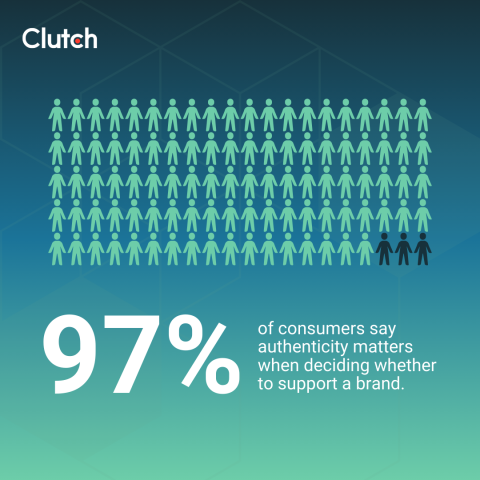
While the benefits of strong brand authenticity are clear, so are the consequences of inauthenticity: 81% have stopped supporting a brand because it did not feel authentic.

Authenticity drives action because it creates an emotional connection. The top emotional responses consumers have toward authentic brands include:
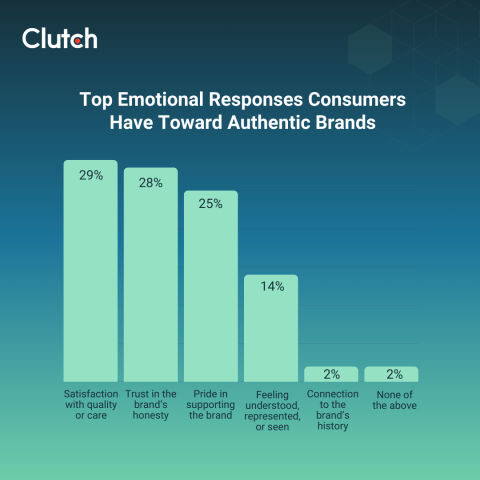
These feelings turn casual buyers into brand advocates, with 70% of consumers willing to pay more for brands they perceive as authentic, and 62% frequently recommending brands they feel are genuine.
Scott Darrohn, Managing Partner and Co-Founder at fishbat Media, explains, “Real brands don't just talk about their mission and vision; they live them. That kind of honesty makes customers feel connected to you, and they become passionate supporters. These loyal fans spread the word on their own, which is often more effective than any ad campaign.”

This pattern mirrors how consumers interpret rebrands or messaging shifts. Once they form a perception of a brand’s honesty and intentions, it shapes how they behave. When a brand feels aligned, consistent, and human, people lean in. When it feels scripted or disconnected, they pull back.
In practice, authenticity functions as a form of value. If a brand shows up in a way that feels real in tone, behavior, and experience, consumers reward that sense of integrity with attention, trust, and loyalty.
Brand authenticity is something consumers feel, but they can’t put a finger on it. They might not be able to list every reason a brand feels genuine, but they can immediately identify when something feels off. That’s because authenticity doesn’t live in slogans or mission statements. Instead, it lives in the everyday details of how a brand presents itself.
When asked to consider what qualities make a brand feel authentic, consumers responded with these top five signals:

Together, these signals shape how people define authenticity. When consumers describe what an authentic brand is, they point to:
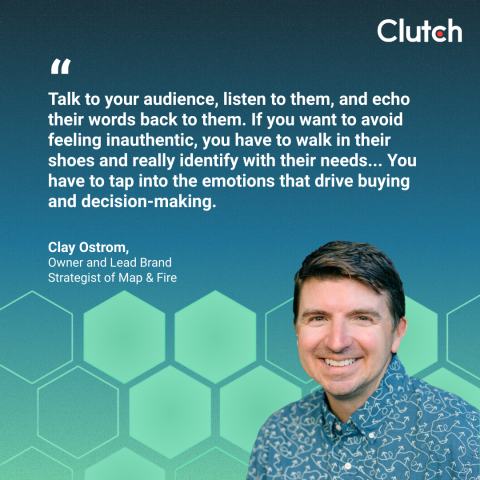
Clay Ostrom, Owner and Lead Brand Strategist of Map & Fire, offers his top advice for building brand authenticity: “Talk to your audience, listen to them, and echo their words back to them.” He explains further, “If you want to avoid feeling inauthentic, you have to walk in their shoes and really identify with their needs. You can’t just talk about superficial features. You have to tap into the emotions that drive buying and decision-making.”
When brands put these principles into practice, the results speak for themselves:
Ultimately, consumers see authenticity as the sum of consistency, transparency, and humanity. These factors must be demonstrated visibly and repeatedly. Otherwise, brands risk appearing performative and inauthentic.
Just as consumers intuitively recognize authentic behavior, they can instantly spot inauthenticity. And the consequences are immediate: disinterest, distrust, or, in some cases, backlash.
In today’s marketplace, authenticity erodes fastest when performance replaces purpose. Consumer expectations are higher than ever, and they can tell when a brand’s values are being used as a marketing device rather than a guide for behavior.
Here are the top five clearest signals that a brand is losing authenticity, according to consumers:
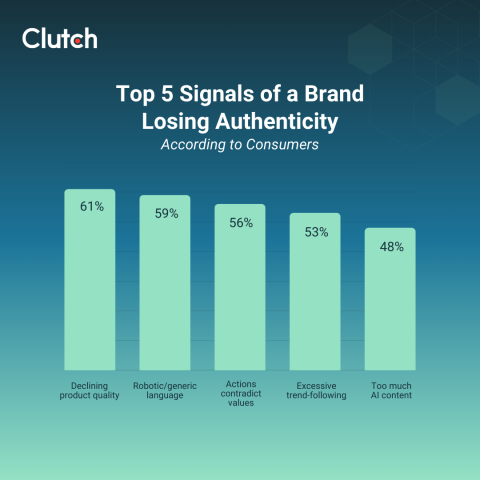
The biggest disconnects consumers experience from inauthentic brands include:
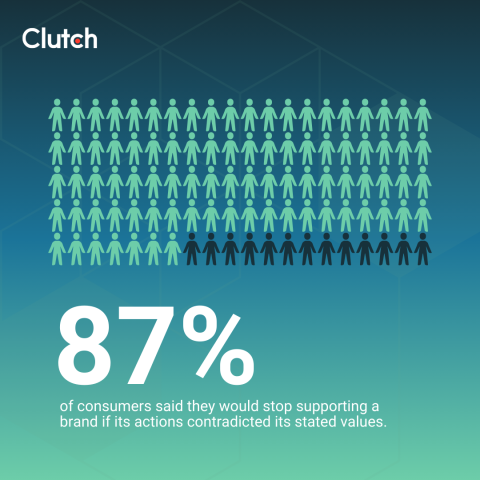
Basically, every performative gesture or hollow statement chips away at credibility. And when brands use values as a costume rather than a compass, trust evaporates fast. In fact, 87% of consumers said they would stop supporting a brand if its actions contradicted its stated values.
And when it comes to messaging, from every day emails to a reactive PR campaign, it has to be empathetic and genuine. That means, the response should come from a place of connection, not from a chatbot.
As Kate Neri, CEO of Syrup Marketing, explains, "AI can learn context. It can summarize research. It can mirror tone. What it can’t do, at least not on its own, is fully inhabit another human’s perspective. It doesn’t carry the weight of a hard decision, a missed quarter, a risky career move, or the pressure of getting it right. That depth of understanding is what makes communication feel human and it’s what builds trust."
Historical examples reinforce these lessons:
Authenticity isn’t about novelty. It’s about integrity. As Tom Conlon, Founder and CEO of North Street Creative, shares, “Don't just chase trends—stand for something consistent.” Even well-intentioned innovations, such as AI tools or influencer partnerships, can backfire when they feel forced.
To be a successful brand in 2026 and beyond, you must treat authenticity as a strategic framework.
The most trusted brands show integrity through consistent actions, honest storytelling, and genuine expressions of humanity. Every authentic choice a brand makes becomes a small “trust deposit,” and over time, those deposits build resilience.
If repeated over time, the frameworks outlined below will help your brand earn genuine authenticity.
Transparency serves the same purpose in brand trust that clear communication does in relationships: it prevents misunderstandings and fosters a deeper connection.
Consumers reward brands that openly share how things are made, who is behind the work, and where mistakes happen. Molly Ploe, AVP of Marketing at Brafton Inc., shares, “Authenticity doesn't mean making more noise. It means communicating what needs to be communicated, when and where your audience needs it.”

In practice, this looks like concrete, visible actions. According to consumers, the top five trust-building actions include:

The pattern is unmistakable: honesty compounds. When brands let people behind the curtain, they build resilience against skepticism and make even imperfect efforts feel credible.
Consumers aren’t directly opposed to AI and technology innovations. They just want real people in the loop, ensuring quality and bringing emotion and connection into the experience.
The future of authentic branding isn’t “no AI.” It’s human-led AI, with tools that support creativity while maintaining real oversight. As Conlon states, “The key is ensuring everything you produce with AI's help remains authentically yours.” When brands strike that balance, consumers feel both understood and respected.

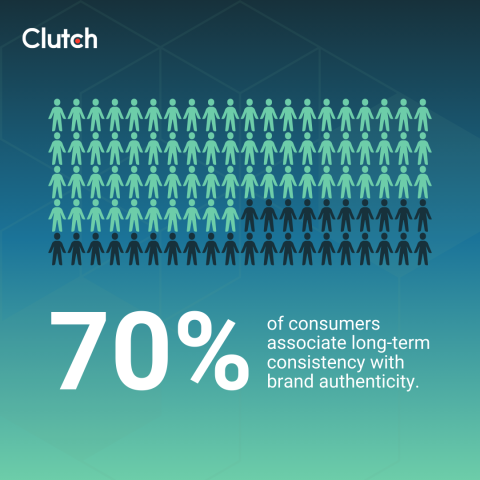
Being consistent as a brand doesn’t mean staying static. Rather, it’s about staying recognizable. Consumers overwhelmingly associate stability with sincerity, with 70% of respondents linking long-term consistency with authenticity. When every touchpoint reflects the same values and tone, it signals reliability and integrity.
Despite any misconceptions, consistency doesn’t limit creativity but anchors it. It gives brands the freedom to evolve, experiment, and grow without losing sight of their identity.
Daniel Cordwell, Founder of Visions Design, explains, “because everything is quick and fast these days, authenticity shows through consistency, where messages and actions are repeated.” He emphasizes, “Authenticity isn’t instant. You need to stay the course.”

This is especially true during moments of transition. In any rebranding, consumers immediately ask, “Does this still feel like them?” If the identity remains clear and cohesive, trust strengthens. If it doesn’t, the change can feel disorienting or performative.
Nostalgia is one of the strongest emotional drivers of authenticity because it reconnects consumers to memories that felt meaningful, human, and personal.
Consumers say nostalgia makes brands feel more authentic when expressed through:
When used intentionally, nostalgia transforms memories into meaning while creating continuity between a brand’s past and its present. The result is a brand’s identity anchored in something deeper than trend cycles, meaningfully connecting with its target audience.
Brand authenticity is a business strategy that consistently pays off. The brands that weave honesty, consistency, and transparency into everything they do are the ones that earn trust that lasts, no matter how trends shift or which platform rises next.
As consumers become more discerning and technology improves at imitation, the distinction between looking real and being real will only become more obvious. The brands that win will be the ones willing to align their identity, actions, and values in a way people can not only see, but feel.
If you’re ready to build a brand that people believe in, not just recognize, partnering with the right team can make all the difference. Hire a top-rated branding agency to bring your authentic identity to life across every touchpoint.
This report is based on a survey conducted on November 12, 2025, using the online polling platform SurveyMonkey. We surveyed 408 consumers in the United States between the ages 18-99 of all income levels. The respondents were 49% male and 51% female.
Participants were asked a series of multiple-choice and single-selection questions about their experiences and preferences for brand authenticity. Quotas were applied to ensure a balanced distribution across demographic segments. All respondents were required to complete the survey in full to be included in the final analysis.
Brand authenticity occurs when a brand presents itself in a way that genuinely reflects its values, personality, and purpose through its day-to-day behavior. People trust authentic brands because they feel real, consistent, and aligned with what they promise.