
How to Define Brand Values That Guide Every Business Decision
Brand values are the principles that guide company decisions, define what a brand stands for, and shape how it treats customers, employees, and partners.
Updated September 3, 2026

Every brand at the 2026 World Cup had the same captive global audience. Clutch surveyed 552 consumers to find out which advertisers cut through and what separated the winners from the noise.
For one month every four years, the FIFA World Cup commands more collective attention than any other event on the planet – and 2026 was the largest edition yet.
Co-hosted for the first time by three countries (the United States, Canada, and Mexico) and featuring more teams than ever, the games kicked off on June 11 and culminated in the final match on July 19, where Spain beat Argentina in extra time. The result gave Spain its second World Cup title, and closed the book on what looks to have been Lionel Messi’s final World Cup.
Looking for a Public Relations agency?
Compare our list of top Public Relations companies near you
For brands, a month of near-continuous global viewership is a rare and high-value window. Marketers competed for attention on every available surface: national ad spots and in-game hydration-break commercials, official FIFA sponsorships, campaigns fronted by athletes and celebrities, and social activations built to ride the tournament’s cultural pull.
To understand how all of that advertising landed with the people it was meant to reach, Clutch surveyed 552 consumers in July 2026, immediately after the tournament.
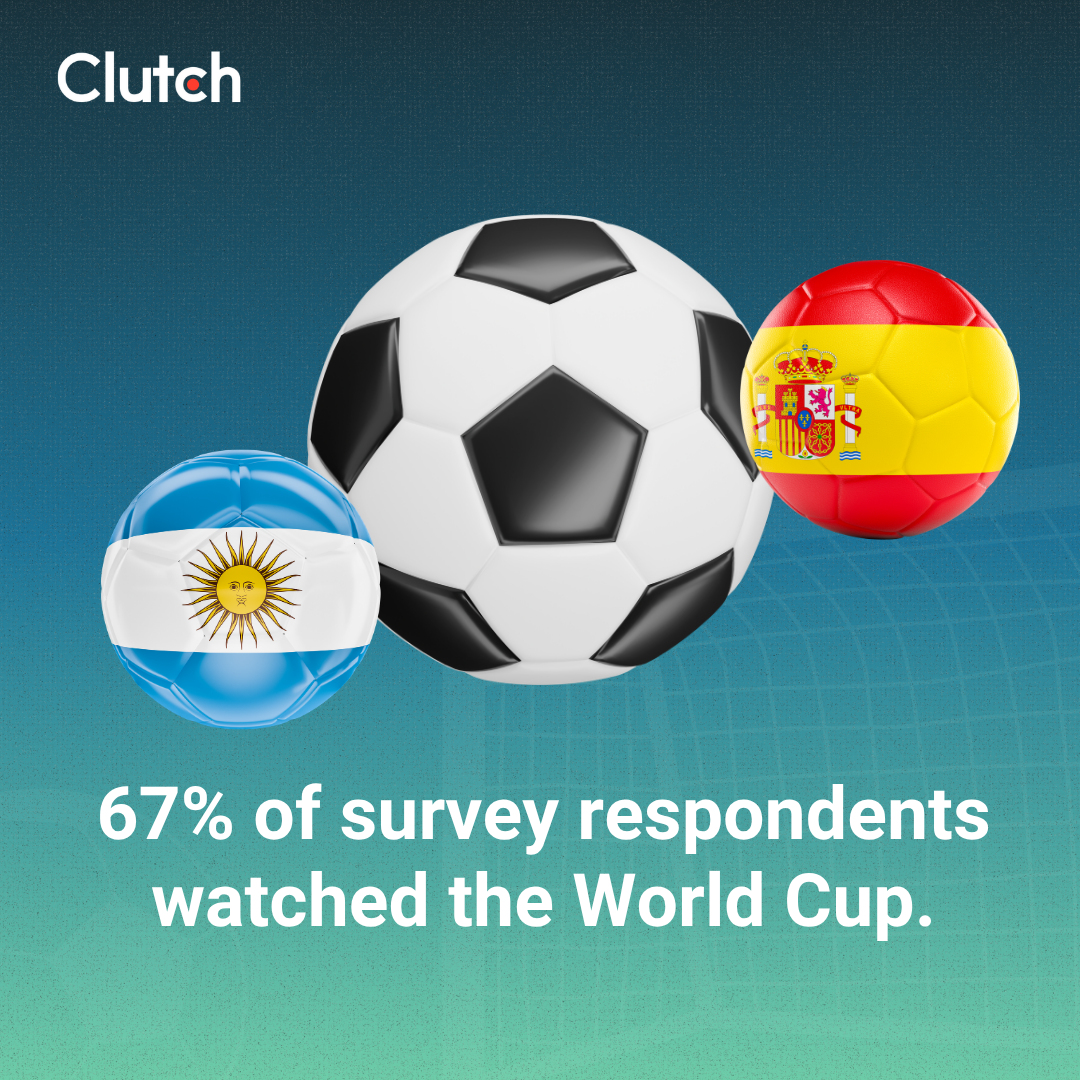
Roughly two-thirds (67%) said they watched the World Cup — a figure that signals broad exposure to the tournament environment rather than start-to-finish viewership, since respondents did not necessarily watch every match or see every ad.
Among those exposed to World Cup advertising, 40% said this year's ads were more memorable than those from past tournaments — an early sign that the 2026 marketing effort broke through.
This report explores what made that advertising stand out. Just as importantly, it examines how consumers actually responded to the brands competing for their attention and what marketers can learn from the difference between being seen and being remembered.
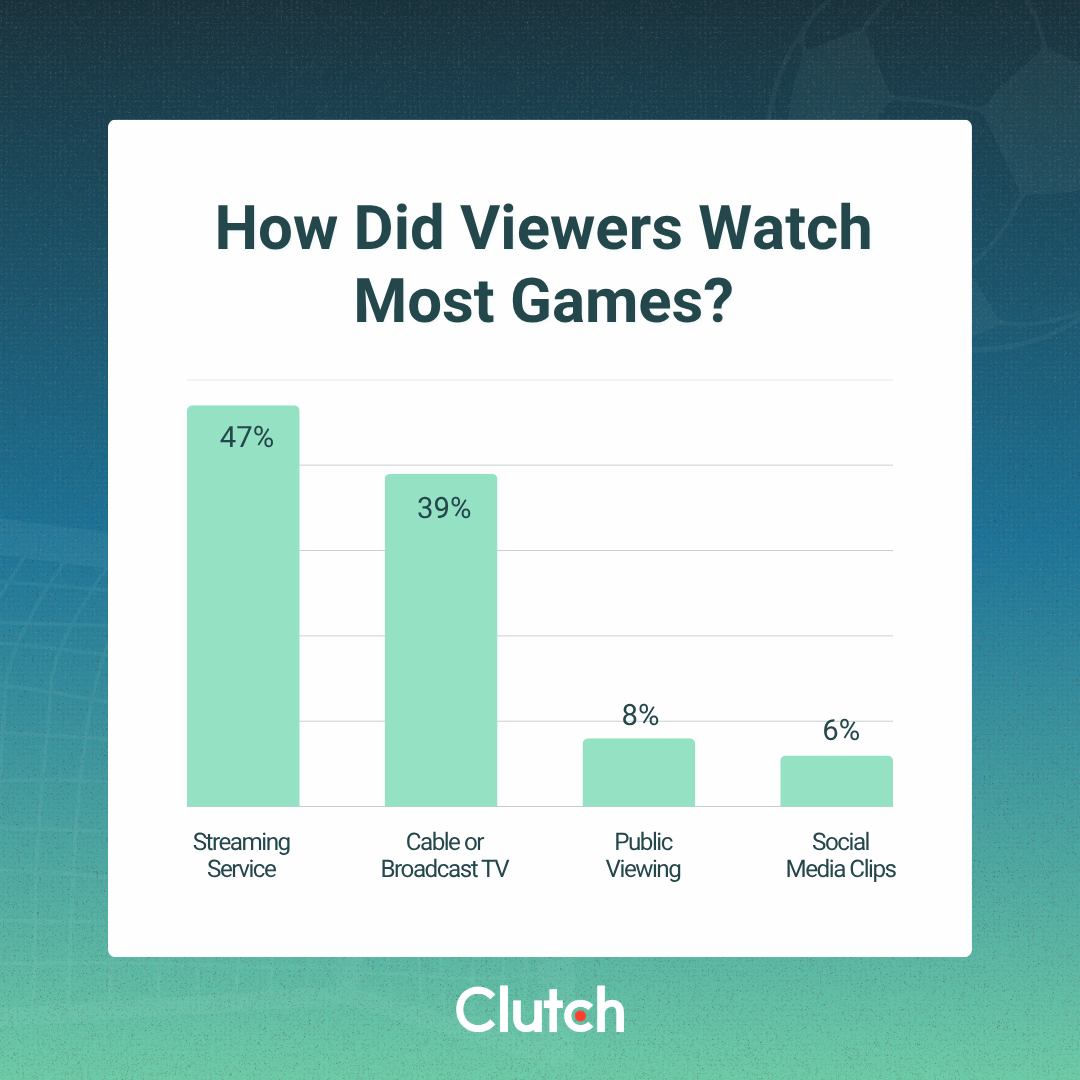
Where people watched the 2026 World Cup came down to a near-even split between two very different channels. Among viewers, 47% streamed the tournament while 39% watched on cable or broadcast TV.
The pattern holds even inside a single broadcaster’s numbers: Telemundo's record Spanish-language audience saw roughly a third of its viewers come through Peacock, a reminder that "TV" and "streaming" are less two separate audiences than two doors into the same match.
The two pipelines don’t deliver ads the same way during a match. Streaming inventory leans dynamic, shorter, and targeted, while broadcast runs fixed ads around the run of play. A brand that reuses one cut of creative across both is effectively running two campaigns without having planned for it.
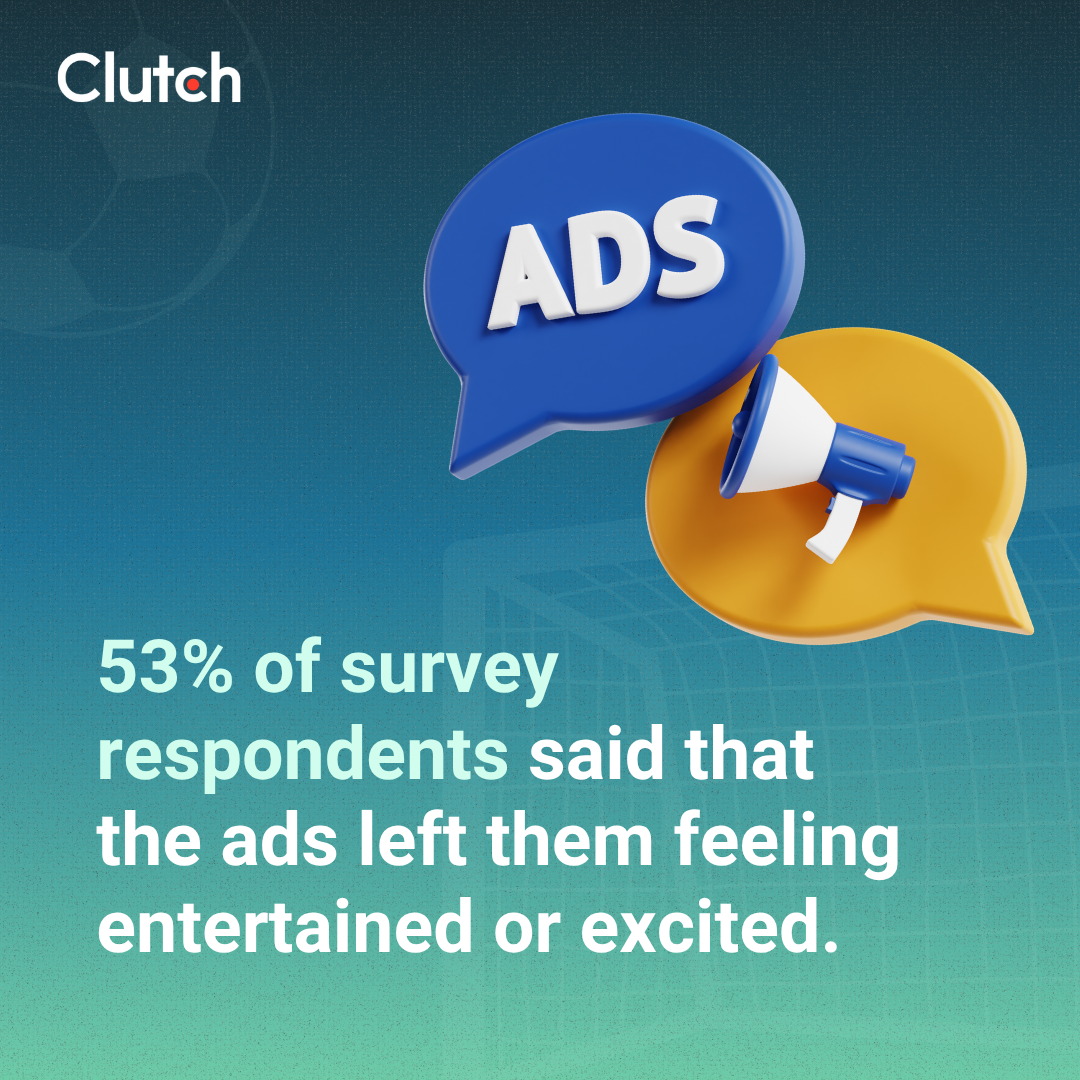
The communal, high-stakes nature of World Cup viewing primes the audience before a single ad runs. A majority of consumers (53%) said that the ads left them feeling entertained or excited.
But riding the emotion of the match, the hard part for brands wasn’t earning attention during a beloved global event; it was converting that in-the-moment excitement into a durable brand memory once the final whistle blew.
That is where the real contest lies. When every advertiser has access to the same captive, emotionally invested audience across both screens, reach and event affinity stop being differentiators. Brands that show up consistently wherever fans are watching, with a distinctive hook that fits the spirit of the tournament, are far better positioned to turn match-day excitement into lasting recall than those leaning on exposure alone.
For all the goodwill the ads generated, consumers also felt the overload. Campaigns broke through, but volume and sameness strained the audience. Among consumers who were bothered by the advertising, 58% named repetition as their top complaint – the sound of the same spots looping match after match.
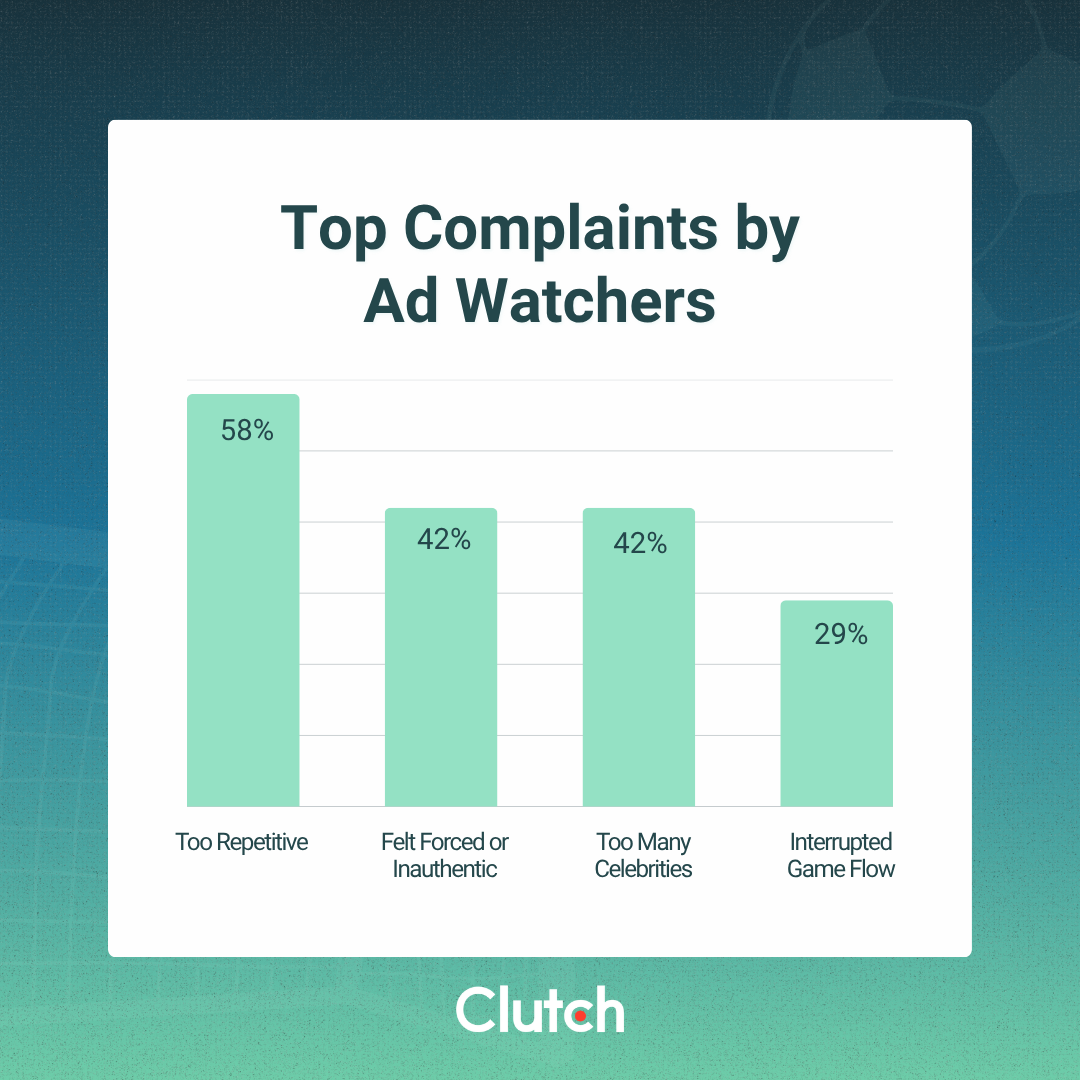
Beyond sheer volume, a sameness of approach grated. Among that same group, 42% found the ads forced or inauthentic, and another 42% felt there were simply too many celebrities.
The strain also collided with the game itself. A meaningful share said the ads interrupted the flow of play — a friction unique to live match viewing, where every commercial break competes with the emotion on the pitch. Fox's move to air commercials during hydration breaks drew audible backlash from viewers, tying the fatigue story directly to where and how brands bought their way into the match.
Context matters before overcorrecting, though. Across all consumers surveyed, 41% said nothing about the ads bothered them at all — so the fatigue, while real, was concentrated among a vocal segment rather than spread across the whole audience. The campaigns did break through; they just did it at the cost of some irritation among the people paying closest attention.
The lesson for brands is that during a month-long event with finite ad slots and heavy repetition, differentiation and restraint beat brute frequency. Teams that vary their creativity, earn their celebrity appearances with a genuine tie to the game, and respect the rhythm of the match are far more likely to turn World Cup reach into affection rather than annoyance.
Adidas took the podium in every measure that counts. Its “Backyard Legends” campaign was remembered by 42% of consumers, breaking through the noise in a tournament where dozens of brands fought for the same attention.
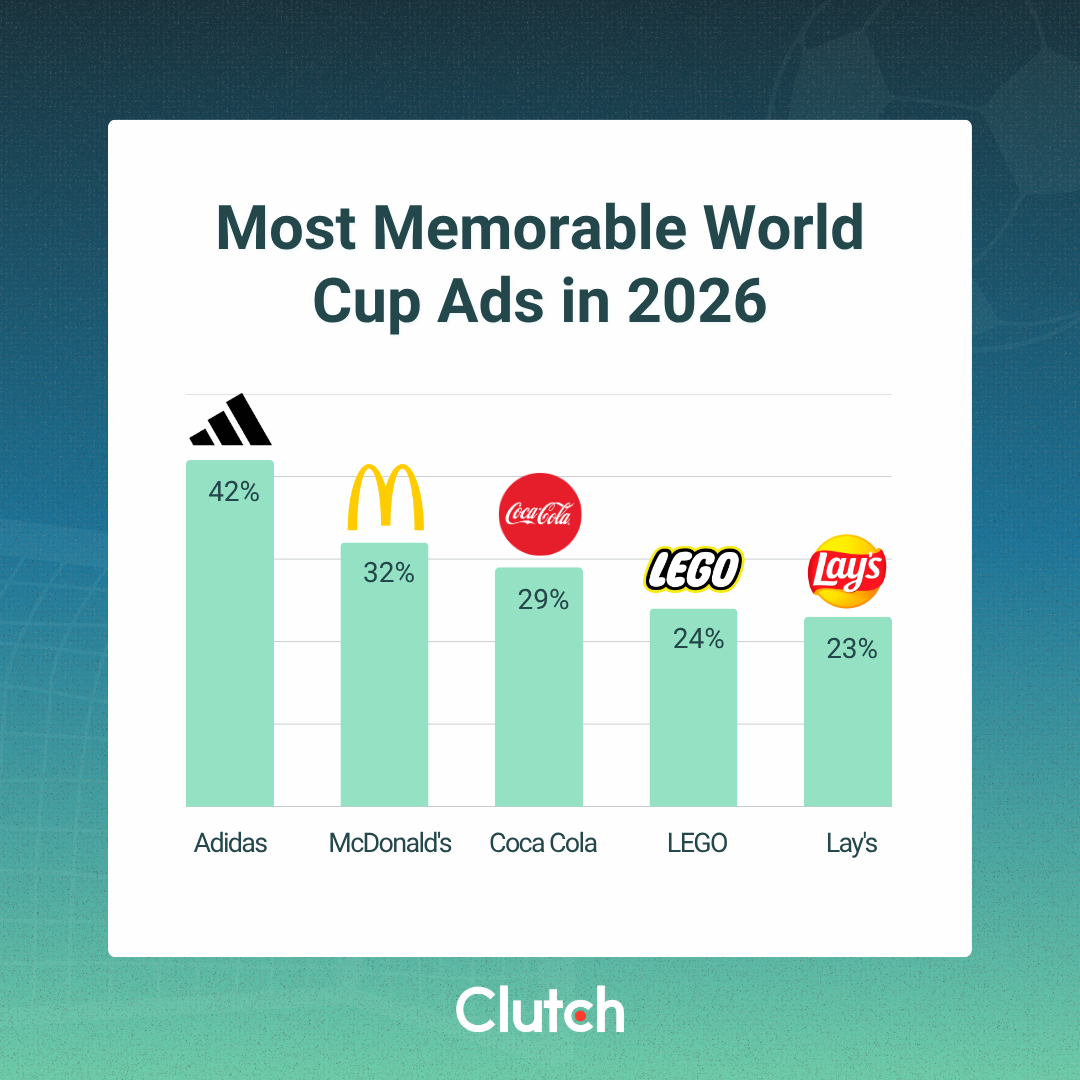
Central to that is, of course, the ad itself. Backyard Legends is a five-minute-plus cinematic short — Adidas's largest creative World Cup push in roughly two decades — that trades packed stadiums for the street-football roots of the game.
Timothée Chalamet plays a neighborhood recruiter assembling a team to take on an undefeated local crew whose winning streak has outlasted generations of challengers. The cast spans sports, music, and film with Lionel Messi, Bad Bunny, Jude Bellingham, Trinity Rodman, and de-aged versions of 90s icons like David Beckham.
The ad leans on nostalgia and star power without losing the emotional thread of why people fall for the game.
Recall alone can be hollow, but Adidas converted attention into staying power: it was also the campaign that stuck with consumers the most. When asked to pick, a third (33%) picked Adidas as the best overall World Cup campaign, more than triple the next brand — McDonald's at 11% and LEGO at 10%.
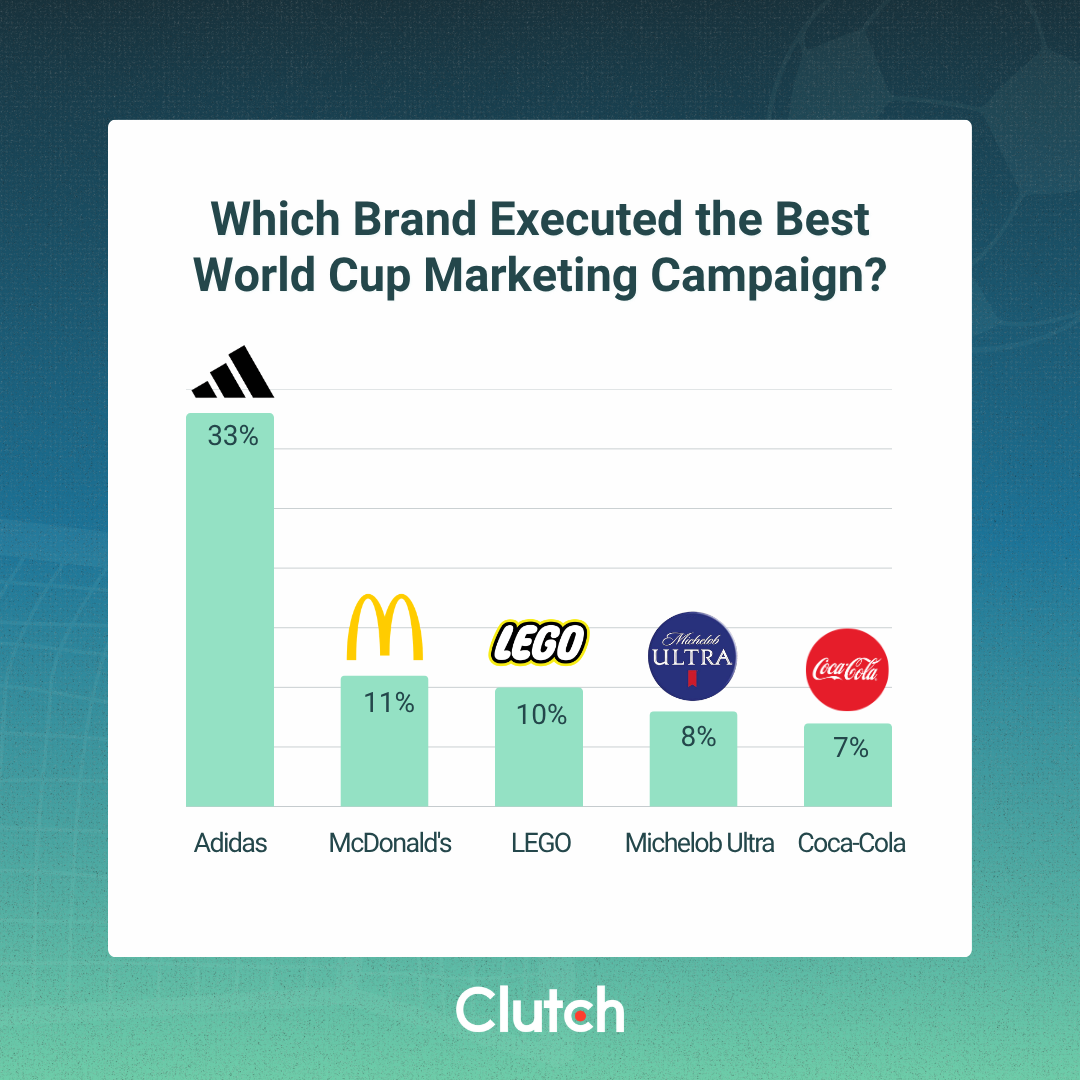
Visibility, stickiness, and perceived quality are usually split across different brands, but Adidas owned the full funnel, which is an outcome that every advertiser hopes for when they buy into an event this size.
"Adidas didn't just show up with a good ad. They showed up with a system. The campaigns that dominate a tournament like this treat the event as a stage for a narrative they've been building for months, while the campaigns that simply show up treat it as a media buy," said Gilad Bechar, Founder & CEO of moburst.
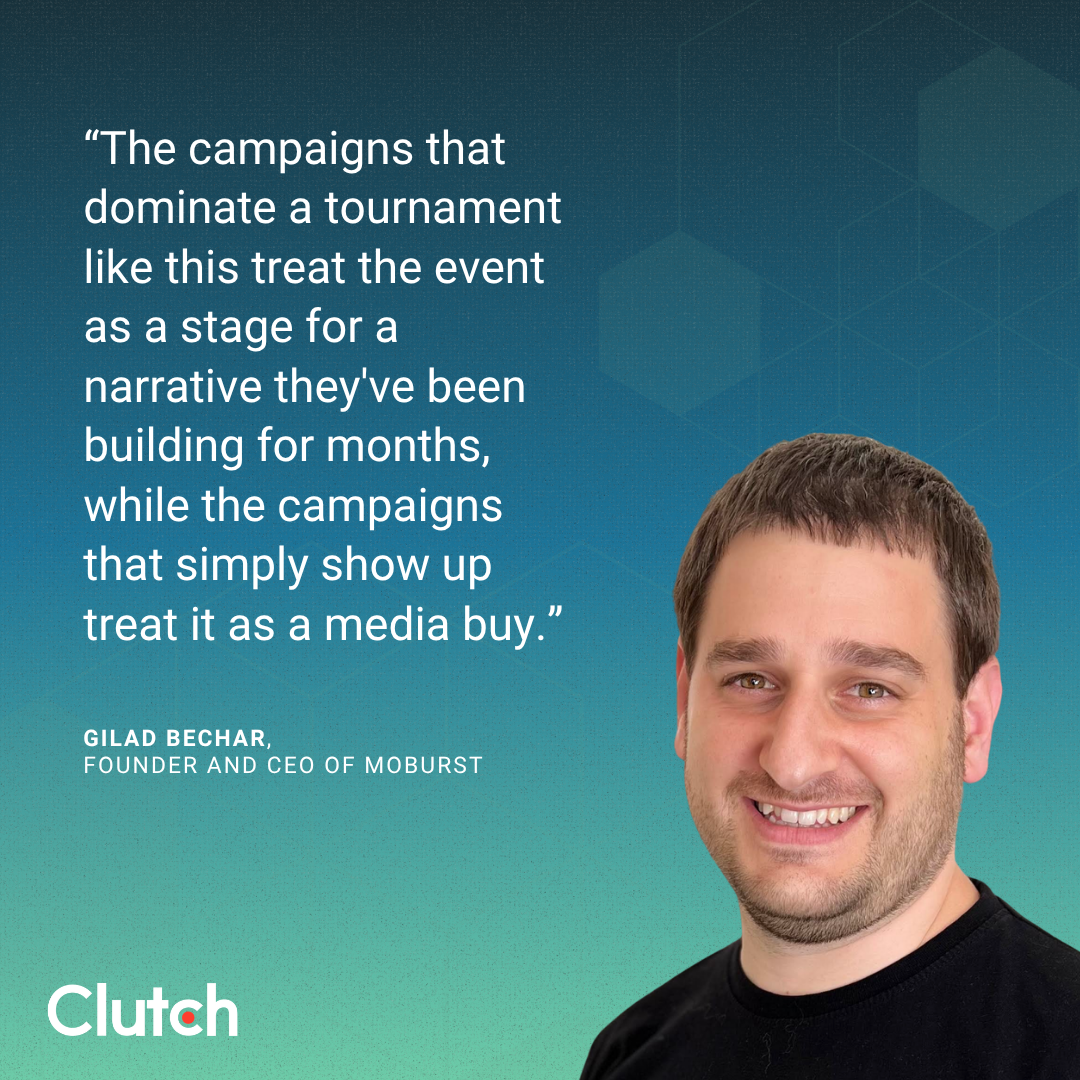
For brands, the lesson is that event dominance comes from a single ownable idea executed consistently across the tournament, not from scattered reach.
Two forces separated the standouts from the pack: attention and affection. The brands that won each did so in different ways.
One player towered over the field as an attention magnet. Nearly half of consumers — 45% — said Lionel Messi made them pay more attention to a campaign, ahead of Cristiano Ronaldo (36%) and Kylian Mbappé (27%). In a tournament crowded with famous faces, that is a striking concentration on a single one.
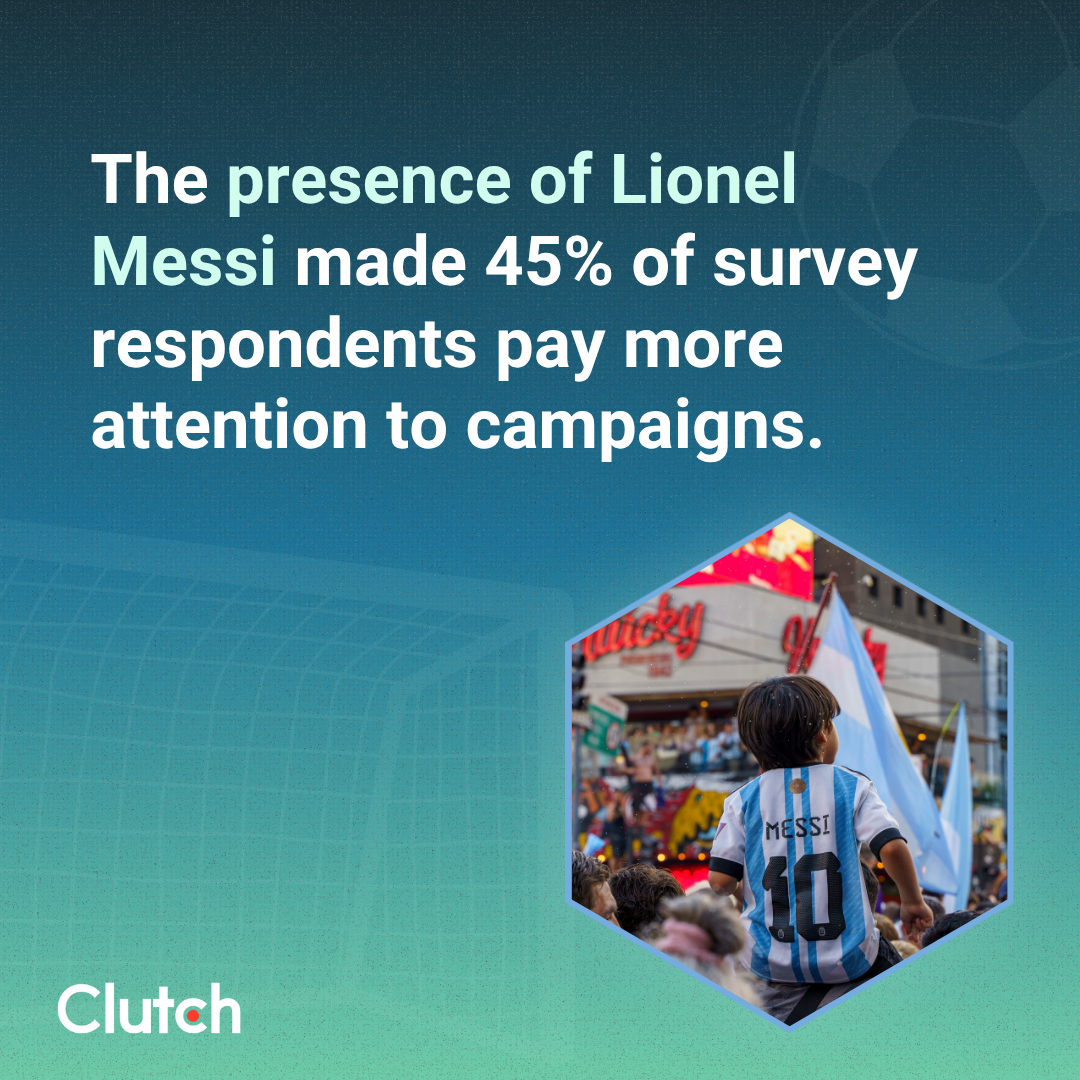
That pull wasn’t only about Messi himself; it quietly helps explain Adidas’s sweep, since he headlines “Backyard Legends.” It’s the clearest evidence that the right talent tie-in can carry a campaign’s visibility through a month of matches.
LEGO powered the other standout through a different route. It generated the strongest positive brand lift, with 37% saying that its World Cup advertising improved their perception of the brand.
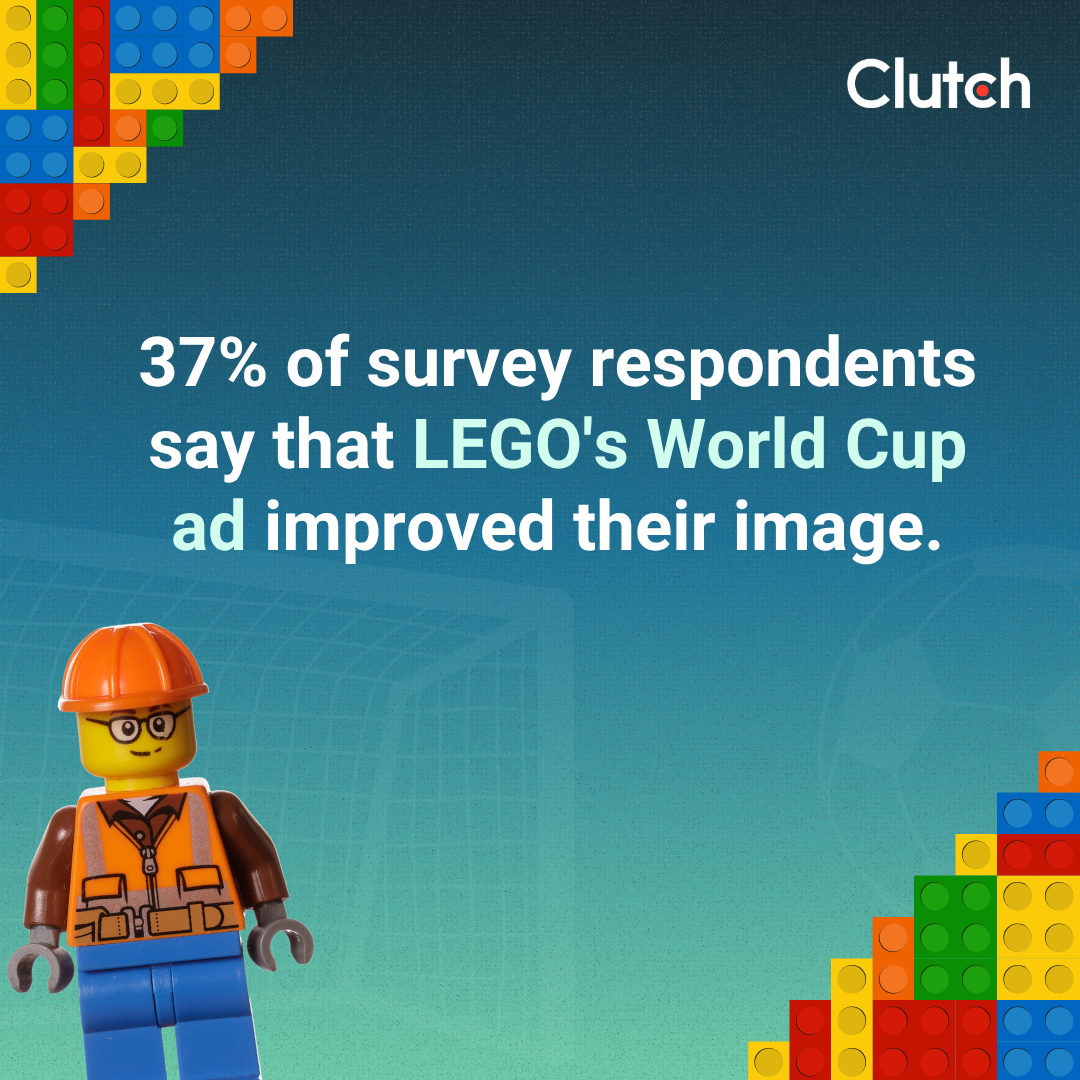
But it didn’t earn that warmth by skipping star power.
The minute-long ad gathers Messi, Ronaldo, Mbappé, and Vinícius Jr. around a single table, each competing to place their personalized minifigure atop a LEGO replica of the World Cup trophy — until a young boy walks in and does it himself. The affection came from tone and a disarming, endlessly remixable idea, not from the star wattage alone.
Together, the two results map two distinct routes for breaking through: attention, which star power reliably attracts buyers, and affection, which only likable and distinctive creative earns. Dominating recall and winning hearts are not the same play; stars are the price of entry for the first, not a guarantee of the second.
For brands, star power reliably buys attention during a World Cup, but it's expensive, crowded, and no substitute for a distinctive idea when the goal is affection.
On the surface, the World Cup looked like a tough sell. Nearly half of consumers (46%) said no campaign made them want to buy anything, suggesting that all that tournament spending barely moved the needle. But that average hides where the marketing actually worked.
The reason it misleads is that it blends in with people who weren’t really watching. Viewing skewed hard by generation: 85% of Gen X and 84% of Millennials tuned in, against just 56% of Boomers. A large share of the "nothing made me buy" responses came from an audience the ads never really reached.
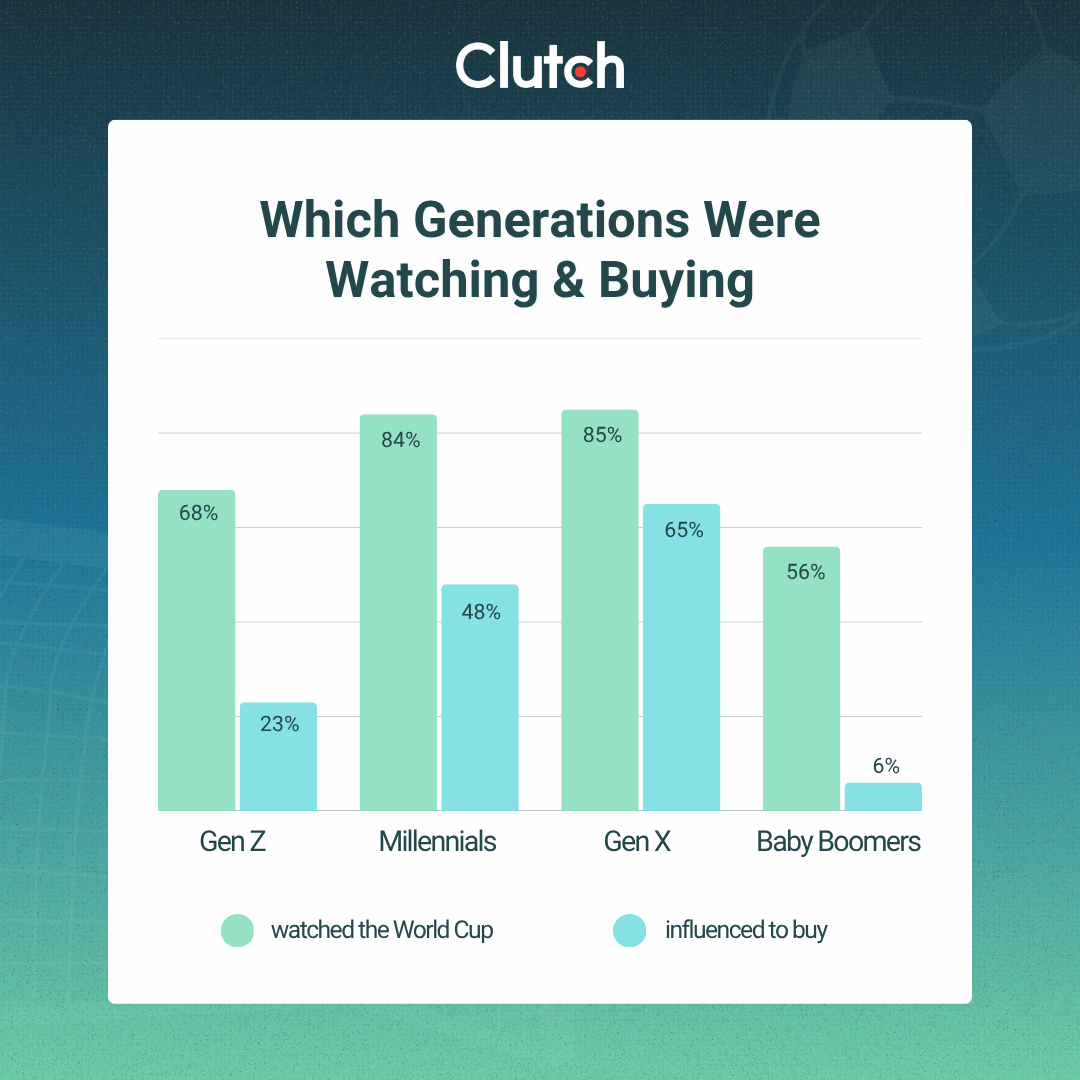
Among the generations actually watching, the picture flips. Some 65% of Gen X and 48% of Millennials said World Cup advertising drove them to buy or consider buying a product, against just 6% of Baby Boomers.
The cohorts sitting in front of the matches were the same ones opening their wallets. When the most valuable viewers are this concentrated, a well-placed non-sponsor can capture them just as effectively as an official partner.
Ambush marketing is when a brand that hasn’t paid for official sponsorship rights markets around an event to imply an association. With its global audience and strict, exclusive sponsor categories, the World Cup is one of the most fertile grounds for that tactic anywhere in sports.
Nike was the textbook case in 2026. Despite paying none of the sponsorship fees its rivals did, 36% of consumers named it an official FIFA sponsor — a striking level of misattribution for a brand with no official status at all. Nike didn't buy the rights; it built the presence. Its "Rip the Script" film — a six-minute Wieden+Kennedy anthem launched days before the tournament that is unmistakably timed to the World Cup, yet never presents Nike as an official FIFA partner.
Layered with paid in-game placements during Fox’s hydration breaks, it gave Nike a footprint big enough to read as official without ever being so.
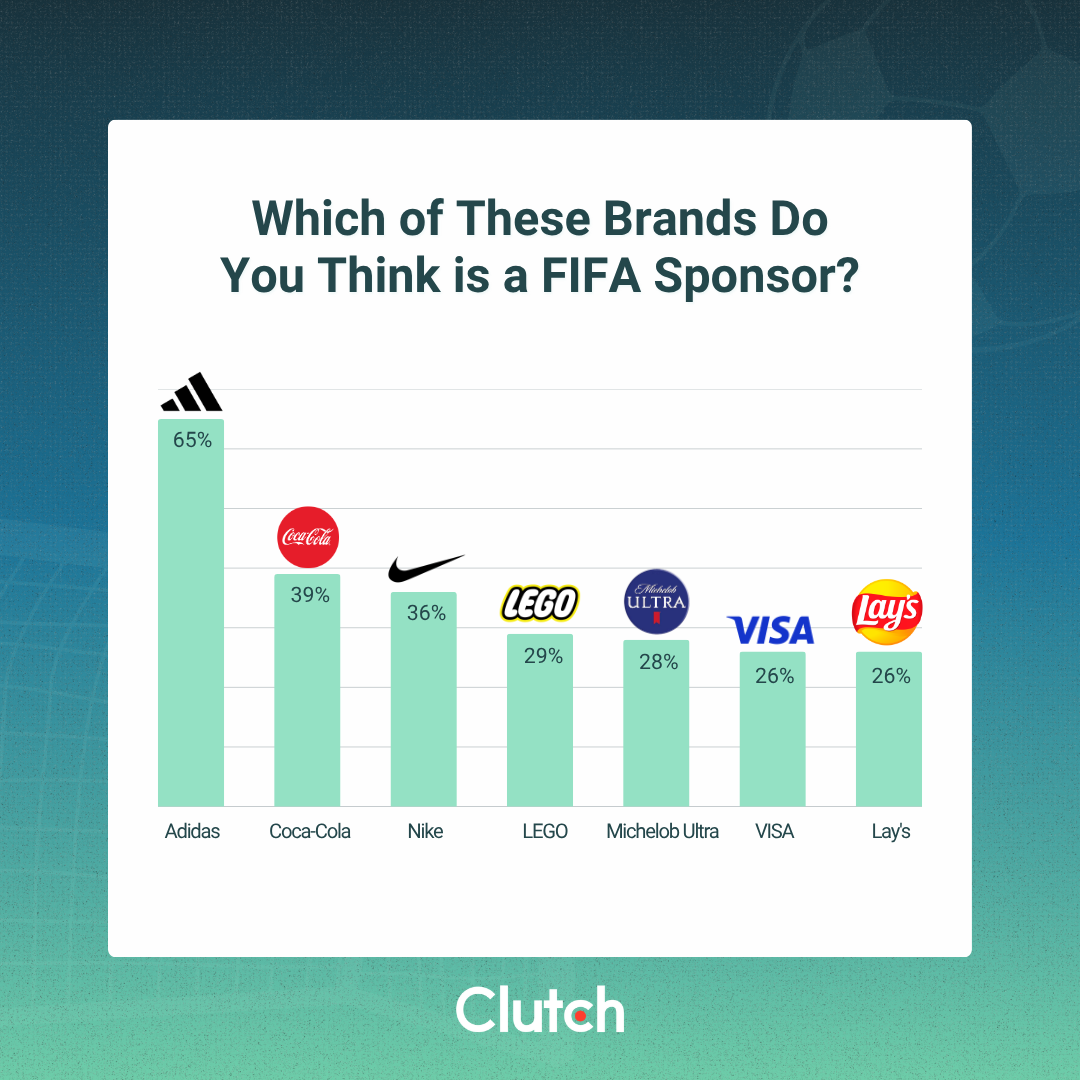
Nike ranked ahead of several actual sponsors — Michelob Ultra (28%), Visa (26%), and Lay's (26%) — meaning brands that wrote the checks were being out-credited by one that didn't.
“[Sponsorship] does not buy creativity, and creativity is what earns recall,” said Bechar.
Nike's was the expensive version of ambush; the cheapest came from brands FIFA tried to erase. Under its "clean stadium" rules, venues named for non-sponsors had to cover their branding and take neutral names.
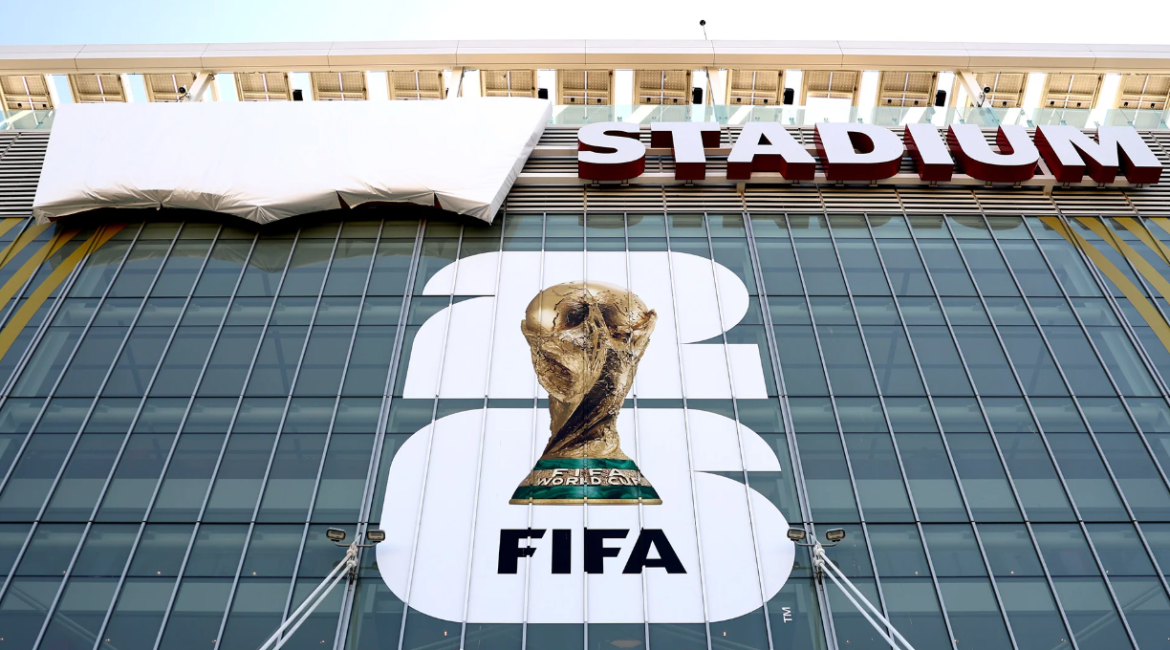
Levi's Stadium became "San Francisco Bay Area Stadium" — but rather than accept the erasure, Levi's swapped its social profile for the tarped-over logo and posted "Welcoming the world to the beautiful [redacted] stadium," a stunt that reportedly lifted brand engagement more than 400%.
Whether a challenger spends more than nine figures on a global campaign or almost nothing at all, official status is no guarantee that consumers will credit the brands that actually paid for it. For any advertiser at an event this size, the lesson is the same – the tournament’s halo goes to whoever claims it most convincingly.
The 2026 World Cup gave brands what almost no other event can: reach for everyone, but the real contest was what brands did with it.
Consumers arrived warm, yet fatigue set in fast, where campaigns leaned on repetition. Adidas won on every measure that mattered by owning one distinctive idea rather than buying the most airtime. Messi commanded nearly half the audience’s attention, but affection went to LEGO, which turned the same marquee names everyone had into warmth with a likable, creative twist.
Conversion wasn’t weak so much as concentrated in the Millennial and Gen X cohorts who were actually watching, and Nike showed that a brand could annex that valuable audience in a different, unofficial way.
Put together, these results suggest the default World Cup playbook: buy broad reach, attach a famous face, run the spot until everyone has seen it. This is exactly what produced the fatigue and the sameness. When every advertiser shares the same captive audience, the same access to stars, and the same event affinity, none of those things is a differentiator anymore.
The shift the tournament demands is that advertising at a global event is no longer about securing a place in front of the audience, but about earning a reason to be remembered. The brands that treated the World Cup as a creative problem rather than a media buy are the ones that turned a shared cultural moment into lasting brand equity.
In July 2026, Clutch surveyed 522 consumers about their thoughts on the World Cup. Of that pool, 67% surveyed watched some aspect of the event.
In terms of demographics, 52% of respondents identify themselves as male, with 48% reporting as female.
10% of respondents were ages 18 to 29; 33% of respondents were ages 30 to 44; 57% of respondents were 45 and older.