Lead Quality vs. Lead Quantity: Why B2B Teams Are Rethinking Their Funnel in 2026
Bigger buying committees and tighter budgets are forcing B2B teams to rethink lead quality vs. quantity. Here's how top teams rebalance the tradeoff in 2026.
Updated September 3, 2026

At an event with sponsorship categories that lock out every competitor but one, plenty of brands may still take advantage of the association without paying a cent — and viewers can’t tell the difference. Here’s what ambush marketing is, how brands pull it off, and how to defend against it.
Claiming a single official sponsorship category at the FIFA World Cup can cost a brand hundreds of millions of dollars, and the deal comes with a guarantee: No rival can share that spotlight. Still, plenty of brands routinely walk off with the credit anyway — and without handing FIFA a penny.
Clutch’s 2026 survey of World Cup viewers found that 36% named Nike as an official tournament sponsor, even though it wasn’t. That’s a larger share than the audiences that correctly named actual sponsors Michelob Ultra (28%), Visa (26%), or Lay’s (26%).
Looking for a Digital Marketing agency?
Compare our list of top Digital Marketing companies near you
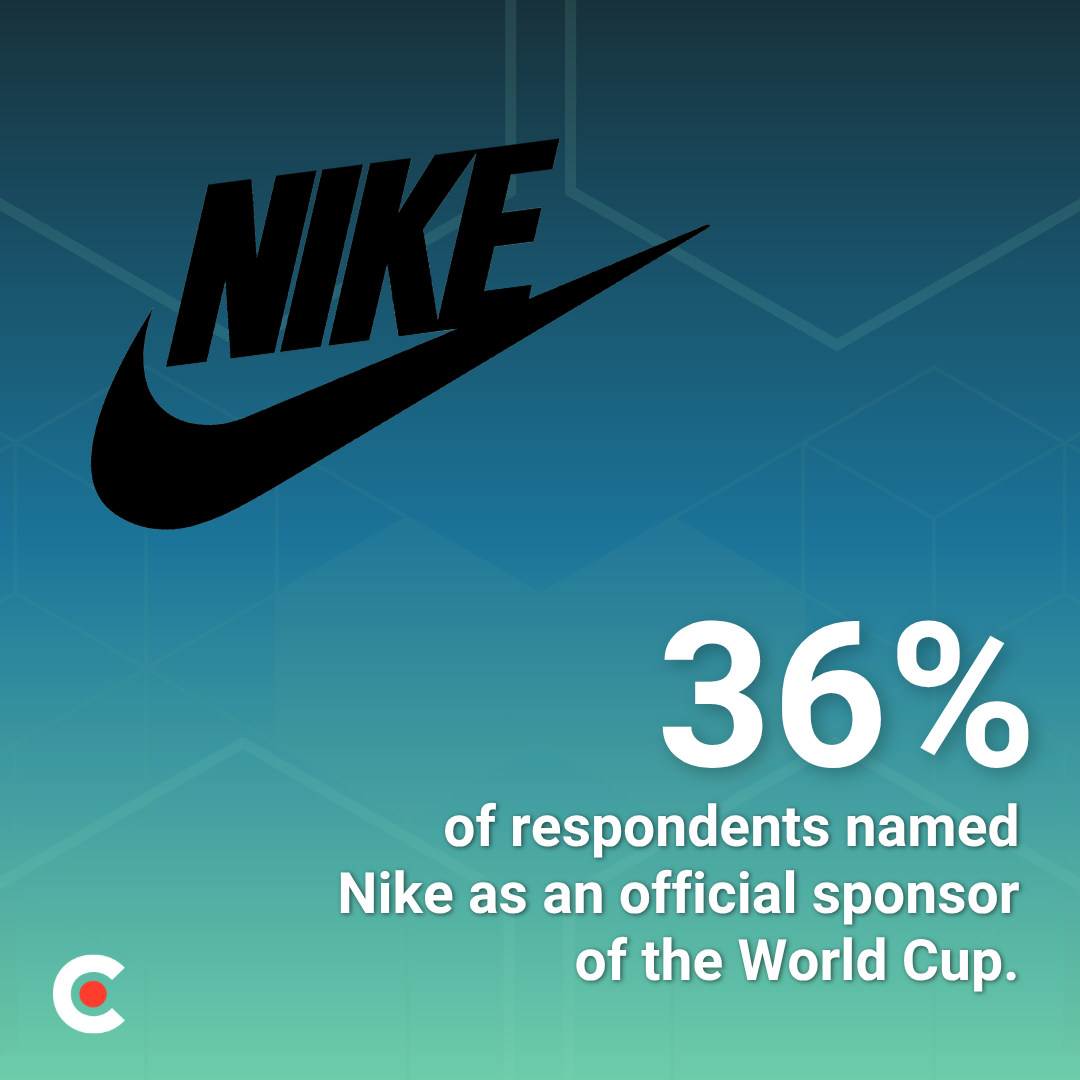
Nike didn’t buy a World Cup sponsorship. Instead, it created the appearance of one, using timing, creative, and sheer audacity. And viewers couldn’t tell the difference.
That’s ambush marketing at work: when a brand engineers the appearance of an official event relationship it never paid to sponsor. We’ll explain what ambush marketing is, how brands run ambush marketing strategies on both massive ad budgets and next to nothing, and what brands that do pay for sponsorship rights can do to maintain the association they paid for.
Ambush marketing occurs when a brand without official sponsorship rights positions itself close enough to an event that audiences assume a connection exists.
Jerry Welsh, a strategist at American Express, coined the phrase in the 1980s to describe how rival card networks sneakily rode the coattails of Amex’s own event sponsorships without paying for the privilege.
Marketers also call it parasitic marketing, a term that captures the phenomenon perfectly. Like a tick hitching a ride on a dog, the ambushing brand draws on the audience, the mood, and the cultural moment that another company paid to associate with.
The concept is adjacent, though unrelated, to two other sneaky strategies:
Ethically, guerrilla marketing is the least problematic of these three concepts. It relies on overt creativity rather than trickery or predation. Stealth marketing is widely considered the least ethical because it violates consumer trust through deception. Ambush marketing sits firmly in the middle, as it largely affects competing brands, not consumers.
Major global events provide the ideal conditions for ambush marketing. The World Cup, the Olympics, and the Super Bowl supply captive audiences, hundreds of millions strong, on a silver platter. The same events offer sponsorship categories that restrict every competitor but one, as well as rights fees that only the brands with the deepest pockets can afford. With that combination, brands have both the incentive to sniff out a side door and the opportunity to slip through it.
Generally, an ambush marketing strategy fits into one of two categories: direct and indirect.
Direct ambush marketing references the event in question outright, or it comes close enough that consumers interpret it as a reference even if it’s technically not. For example:
As its name implies, direct ambush marketing employs definitively hands-on tactics.
Conversely, indirect ambush marketing is a step or two removed. Rather than name-dropping the event, a brand engaging in this method relies on visual cues, colors, or themes an audience already associates with the event, such as a soccer ball silhouette during a World Cup or a five-ring motif to evoke the Olympics, without making a single explicit reference that could make a lawyer’s eye twitch.
Most ambush marketing by brands today isn’t strictly illegal. It rarely crosses into outright trademark theft. Instead, it straddles the line between the letter and the spirit of the rules.
The 2026 World Cup produced some of the most obvious and successful ambush marketing examples in years.
Nike dropped its six-minute Wieden+Kennedy-produced film, “Rip the Script,” roughly a week before kickoff. The film brought together Erling Haaland, Cristiano Ronaldo, Kim Kardashian, and Young Miko in one chaotic, unmistakably World Cup-timed piece of content. Beyond the film’s splashy premiere, Nike paid for placement during Fox’s in-game hydration breaks, keeping the campaign visible throughout the tournament.
Nike reportedly spent close to nine figures on this campaign, but none of the creatives claimed official sponsor status. Even so, our survey found that 36% of viewers believed Nike was a sponsor, out-crediting the brands that genuinely owned sponsorship rights.
The almost-free version of ambush marketing came from brands that FIFA tried to sweep entirely under the rug. According to the tournament’s clean-site rules, any venue named for a non-sponsor had to strip its branding and adopt a neutral, geography-based name for the duration. Levi’s Stadium became San Francisco Bay Area Stadium, AT&T Stadium in Arlington, Texas, became Dallas Stadium, and Mexico City’s storied Estadio Azteca became Mexico City Stadium.
A handful of cleverly opportunistic brands turned the attempted erasure into a campaign. Levi’s covered its own signage in a white tarp that did nothing to hide the shape of its iconic batwing logo. It posted the cover-up to its social accounts and earned an estimated 400% engagement bump within days.
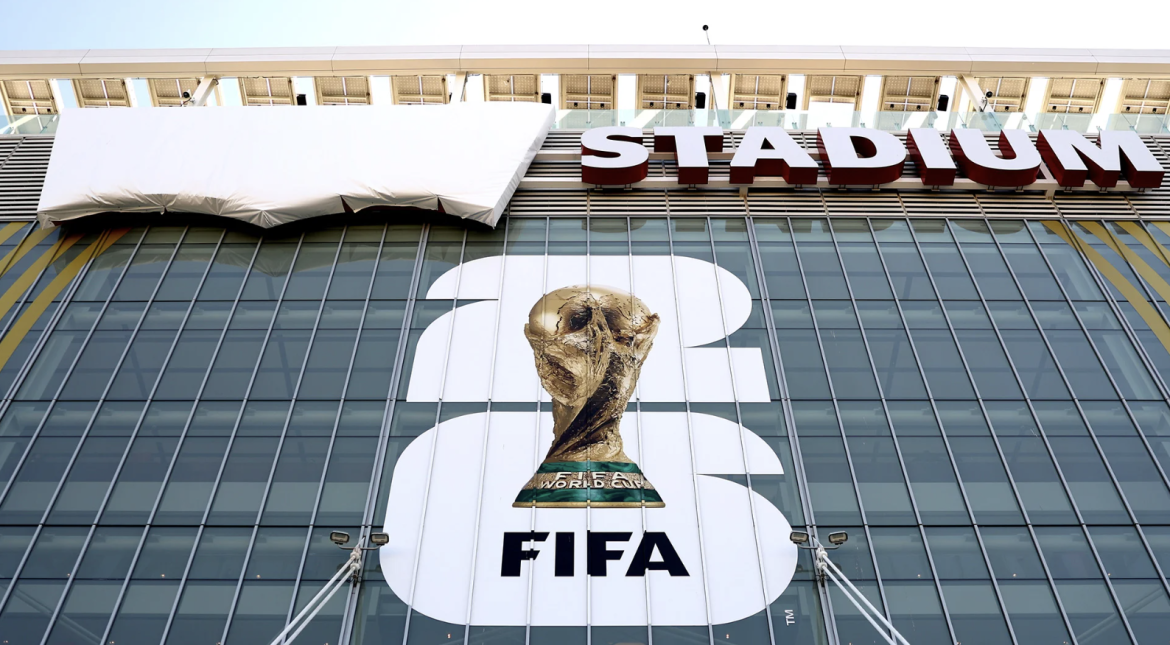
Lumen posted video of its own team scrambling to cover the 300-foot letters atop its stadium. Instead of hiding the concealment, the company played the mishap for laughs. When FIFA insisted that Bayern Munich’s Jamal Musiala tape over the Beats logo on his headphones before a group-stage match, Beats leaned into the moment, using the attention to tease an unreleased headphone model.
Ambush marketing was around long before the 2026 games.
Nike’s “Rip the Script” campaign wasn’t the first time the company ran a similar play. At the 1996 Olympics, Reebok paid a reported $50 million for the official footwear sponsorship. Nike bought none of it. Instead, the brand blanketed the city with billboards, built an oversized retail space near the athletes’ village, and outfitted sprinter Michael Johnson in gold spikes for his 400-meter final.
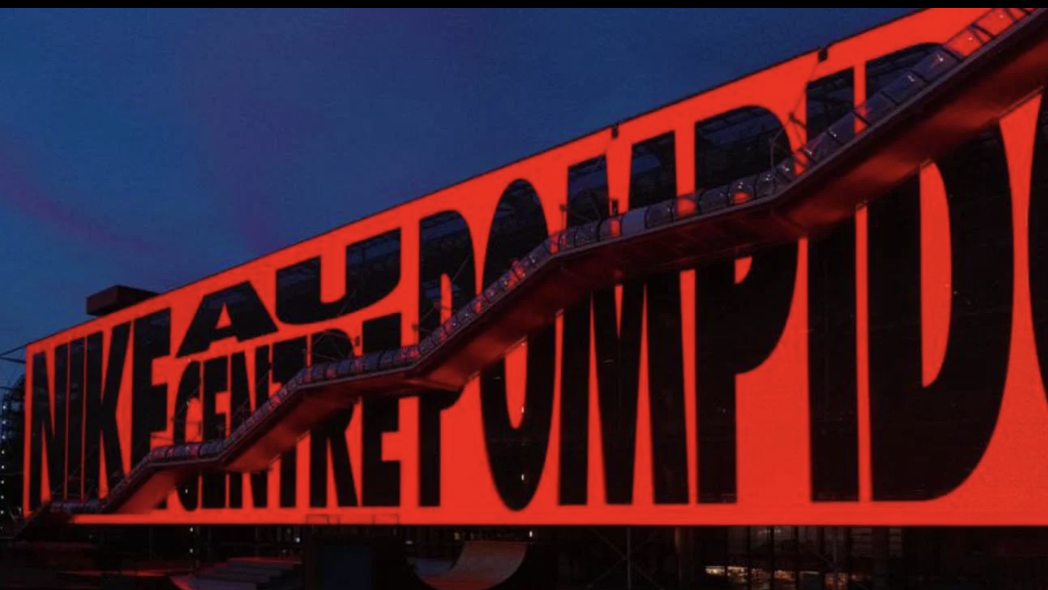
A post-Games survey found that 22% of Americans believed Nike was the official sponsor, compared to the 16% who correctly named Reebok. Three decades later, the same brand used similar tricks for the World Cup and saw similar success.
Dutch Brewer Bavaria had no sponsorship ties to the 2010 World Cup, but it sent 36 women into a Netherlands-Denmark match wearing matching orange mini-dresses. Stadium security ejected the group and police later arrested two organizers, which only amplified the coverage of a beer brand that official sponsor Budweiser had paid millions to banish from the stadium.
In arguably history’s most famous example of ambush marketing, during the 1996 Cricket World Cup, Pepsi made headlines with its “Nothing Official About It” campaign. Rather than paying for official sponsorship rights like its largest competitor, Coca-Cola, Pepsi turned its own lack of official status into a rallying cry of rebellion.
In-house teams and outside digital marketing agencies alike can learn from these examples. Some of the companies dug deep into their seemingly bottomless pockets to fund their ambush marketing strategy. Others built their entire campaign from a tarp and a roll of tape. Either approach, when meticulously orchestrated, can out-credit official sponsors.
Paying for a sponsorship category buys three powerful levers. The best way an official sponsor can defend its association against ambushers is by putting these advantages to good use:
“Official status still matters for things creativity can’t buy,” says Gilad Bechar, Founder and CEO of Moburst, “like access to footage, players, and in-stadium moments.”
Keep in mind, however, that suppression can backfire. Heavy-handed enforcement can turn public sentiment against an official sponsor.
FIFA’s own clean-site cover-ups, meant to protect sponsor exclusivity, instead handed Levi’s, Lumen, and Beats a wave of free publicity they couldn’t have bought with any advertising budget. While litigation and takedown notices protect a brand’s legal position, they rarely win back an audience’s attention as wholly as a fast, funny activation.
In the end, sponsorship buys proximity to an event. It doesn’t guarantee public goodwill or favorable perception. As a sponsor, unless your activation is louder, an ambusher can quietly walk off with the credit you wrote the check for.
Ambush marketing works. More than a third of World Cup 2026 viewers credited a non-sponsor over real ones, and Levi’s nearly free tarp stunt caused its engagement to skyrocket in less than a week. One campaign cost tens of millions of dollars in production and media, while the other took a white tarp and good timing, but both out-credited brands that paid FIFA for sponsorship rights.
The halo belongs to whoever claims it most firmly, convincingly, and definitively, whether they’re an official paid sponsor or not.
For challengers, association with a major event doesn’t necessarily require a rights fee — just the timing and the nerve to walk the tightrope between the rules and their intent. For sponsors, ambush marketing is a warning against complacency. Paying for the category is necessary for the official spot, but money alone has never been sufficient. The differentiator is activating loudly enough to maintain a firm grip on the official association.