With its oh-so-scrollable Reels and convenient shopping, Instagram has become the best social platform for brand discovery. Here's how different users engage and practical tips to get more eyes on your brand.
Instagram is still the go-to place for vacation photos and memes, but feeds are also brimming with branded content. A user might scroll past a cousin's selfie, a Reel about dog treats, and a hiking influencer's Yosemite photos in just a few seconds.
For many people, this mix of personal content and brands isn't a drawback. It's one of the reasons why Instagram has become the top channel for brand discovery. For most demographics, it's edged out TikTok and left Facebook far behind.
Looking for a Social Media Marketing agency?
Compare our list of top Social Media Marketing companies near you
Clutch surveyed 408 consumers to better understand how they discover brands. Over one in three (38%) said they've found a new brand on Instagram — the highest of any social platform.
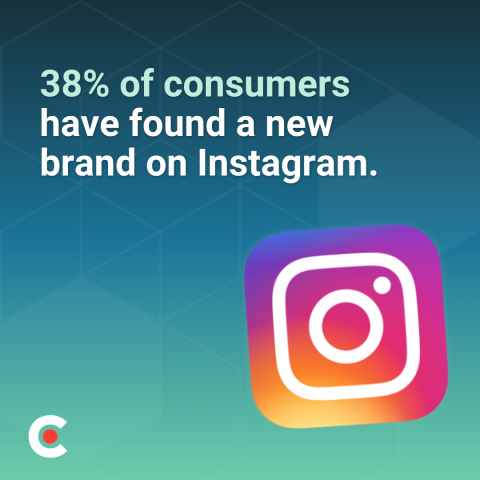
This dominance goes beyond audience size. Facebook and YouTube are still the most popular social platforms in the U.S., but Instagram's features make it the best for discovery. Its algorithms and visual content help brands reach new customers, while its in-app shopping makes it easy to go from scrolling to ordering.
Drawing on our data, this guide examines how people discover brands on Instagram and how age and gender affect this behavior. It also shares simple tips to help you build an Instagram marketing strategy that actually turns scrollers into buyers.
Why Instagram Wins at Brand Discovery
Customers might only step inside a new storefront a few times a month. On social media, though, they're discovering brands all the time. Our data found that 38% of users encounter a new brand on social media every day.
Instagram is where most of that exposure turns into a deeper investigation. But it's not because the platform is constantly pushing ads or spotlighting brands. It's because it's built for exploration and fresh connections.
For one, Instagram always puts visuals front and center. Users don't have to scroll past a block of text or sit through a five-minute video just to see branded content. It shows up right in their feeds, in between cat photos and sports highlights.
For example, this ZestyPaws post features a woman hiking with her dog while feeding it the healthy snack. It's short and much more engaging than a long-winded caption.
Instagram's algorithmic feeds also encourage people to venture out of their comfort zone. The Explore tab is filled with posts from accounts that users don't follow. Similarly, Reels surfaces short videos based on each person's interests. Someone who loves hiking may not follow outdoor brands, but they'll likely encounter their content without ever searching for them.
On the marketing side, that makes it easier to connect with people who don't follow you yet.
The platform's built-in shopping options are another perk. Users can browse storefronts and tap to order without leaving the app. That lets them move from discovery to purchase almost instantly.
Instagram frequently mixes formats, too. Brands can share static posts, Reels, Stories, and Shops to appeal to people in different stages of discovery. A loyal customer might check your Stories for quick updates and sales. Meanwhile, someone who just found your brand may scroll through your static posts to see what you have to offer.
With so many engagement options, you shouldn't treat Instagram as just another place to share content. As our data shows, it's a whole discovery infrastructure.
How Discovery Behavior Differs by Age
While 38% of survey respondents have found new brands on Instagram, that number doesn't tell the full story. Age makes a big difference in how people use social media for discovery.
Gen Z and Millennials are the most active explorers on Instagram and TikTok, with over 38% using each for brand discovery across all categories. For instance, a Millennial who needs an oil change may turn to Instagram to find nearby mechanics.
Gen X also uses Instagram frequently, but not by itself. They tend to verify what they find there through a search before buying. Someone in this group who comes across a high-tech cat toy in their Explore feed will probably Google it and read reviews before ordering. They may also prefer to order through the brand's website instead of the Instagram Shop.
For Baby Boomers, Facebook still beats Instagram for brand discovery. Over a quarter (29%) say they find new brands there. If they're your core audience, be sure to stay active on both platforms. Otherwise, even your best Instagram content will only reach a small portion of them.
Of course, no age group relies solely on Instagram, even when it drives discovery. Our survey found that most consumers look at multiple sources before purchasing, no matter where they find brands. 42% said they only buy if they see positive reviews, and 39% depend on personal recommendations.
In other words, Instagram often introduces customers to brands, but verification happens elsewhere. Building trust across several channels is key to winning them over. This might involve encouraging customers to leave Google Reviews or offering loyalty rewards to encourage word-of-mouth.
How Discovery Behavior Differs By Gender
Both genders use Instagram for brand discovery, but they behave differently.
Women tend to gravitate toward fashion and beauty. In our brand discovery survey, 60% say this is the category they're most likely to buy after finding it online, compared to only 40% of men.
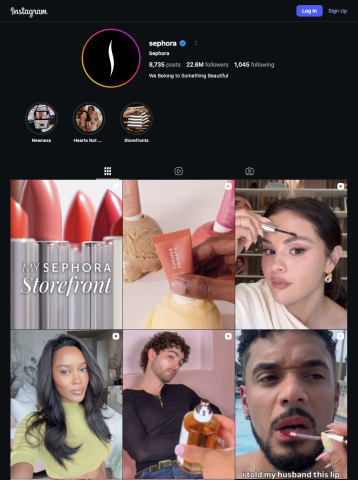
That discovery frequently happens on Instagram. Companies like Sephora and Everlane regularly share influencer content and fit checks that speak directly to female audiences.
On the other hand, men are more likely to engage with food and beverage content. Almost a quarter (23%) find those brands online, versus 13% of women. They also index higher for general entertainment (28% versus 12%).
These categories are naturally suited to visual content. Topgolf, for instance, often shares energetic or silly Reels of people playing their games.
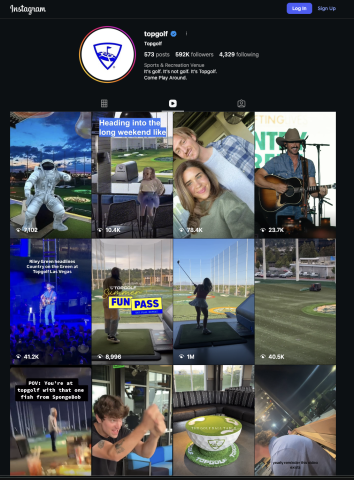
Taking a quick look at both Top Golf and Sephora’s feeds tell you the difference in targeting.
Content Formats That Drive Passive Discovery
With more brands flocking to Instagram, showing up in feeds is no longer guaranteed. Even when you do, people may not pay attention. You need something that makes them pause mid-scroll and take a closer look.
These types of content encourage deeper exploration:
- Reels with strong opening hooks: Instagram only counts Reels views after 3 seconds. If users consistently leave during this window, the algorithm may stop serving your content. Top performers grab attention by leading with the problem their product solves, not slow intros. Get the point immediately.
- Static carousel posts: Old-fashioned photo posts may seem less flashy than Reels, but don't underestimate them. They encourage people to swipe, increasing engagement. That signals to the algorithm that people value your content, which may lead to wider distribution.
- User-generated content reposts: Consumers care about real people and experiences, not slick marketing. Build trust by inviting customers to create content about your products and sharing it (with permission, of course).
- Behind-the-scenes content: The best Instagram content creates human connections instead of pitching products. Share your brand story, or ask your founder to record a day-in-the-life video. Process videos, such as a time-lapse of a kitchen model, also show the faces behind your brand. This authentic content helps convince passive scrollers to follow your account.
This content does two things at once: it encourages the algorithm to share your content and earns consumer trust. Brands that focus on only one of these areas usually don't perform well in the others.
Reels and the Algorithmic Discovery Engine
In 2026, Reels drive discovery on Instagram more consistently than other formats. That's partially because of the platform's priorities. The algorithm spotlights Reels in the Explore tab and recommends them to non-followers more than static posts.
Of course, not every bite-sized video gets views. The strongest Reels open with the outcome, not a long-winded intro. When you show what your product does first, people are more likely to stick around for the explanation.
Keep top-of-funnel content short—30 seconds max. Save longer Reels for educational content when you've already gained trust.
Don't lean on trending audio too heavily. Sure, a popular song or funny quote may increase distribution, but it's not a replacement for quality content. Make sure your Reel earns your audience's attention after you hook them with the audio, or they'll just scroll away.
Speaking of audio, keep in mind that many Instagram users watch Reels without sound. Add captions to every video so they can follow along on the bus or at work.
Above all, don't get too hung up on quality. Reels reward iteration, not Hitchcock-worthy content. If you post consistently and study which content gets distributed, you'll improve faster than competitors that post fewer Reels with higher production value.
In-Feed Posts and the Slower Discovery Path
Static posts and carousels don't have their own feed, so the algorithm pushes them less aggressively than Reels. But they're still worth it as a more long-term discovery channel.
Reels draw users to your profile, but in-feed posts are what help them truly get to know your brand after they arrive. Customers also use them for verification. If your content seems trustworthy and useful, they're more likely to follow you.
You don't need to color-coordinate your whole grid, but it should reflect a coherent identity. For instance, Poppi's grid is filled with bright, retro colors and a mix of memes and product close-ups. It's consistently fun and nostalgic without getting repetitive.
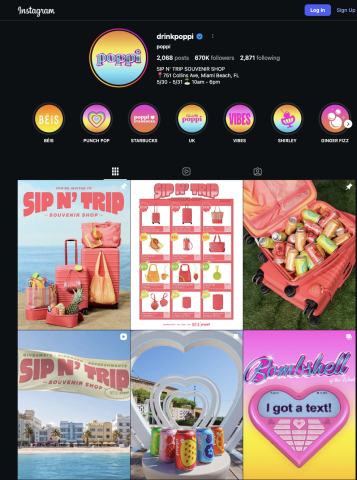
In-feed posts also allow you to share content that doesn't fit in a 30-second video. Carousels are perfect for explainers, product comparisons, and how-to tutorials. Use them to educate viewers with detailed steps or facts.
This content also works great for long-form narratives. You probably can't explain decades of company history in a Reel, but a carousel lets you build an entire timeline. You can also use in-feed posts for founder content and detailed product information.
Shopping Features and the Compressed Conversion Path
TikTok and Facebook let users buy products, but they usually have to visit a separate checkout page. By contrast, Instagram makes shopping part of discovery by allowing users to make purchases within the app.
It starts with product tags in Reels and posts. If your content intrigues viewers, they can tap the tag and go straight to the product page without leaving the platform.
Adding a Shop tab to your profile turns it into a mini-storefront. When people land on your page after a discovery moment, they can start browsing immediately. In many cases, Instagram also lets them check out directly, without redirecting them to your site. That cuts down on friction.
Instead of taking advantage of these convenient features, some brands choose to route consumers to an external site. That's a mistake, though. Shoppers often lose momentum when they're asked to leave an app. And if that outside site is slow or poorly designed, they'll go right back to their scrolling session.
Using Instagram's native shopping features lets people go from discovery to purchase in minutes. That's especially effective for impulse and trend-driven categories. For instance, a Shop tab would likely entice the 50% of consumers who say they're likely to buy fashion and beauty products after discovering them online.
Stories and the Engagement Loop
Instagram only shows your Stories to people who already follow you or are visiting your profile. That means they're less useful for raw discovery, but don't write them off.
This temporary content helps maintain the interest of people who have already discovered your brand through Reels or in-feed posts. They extend the post-discovery window, giving you more opportunities to make sales.
Here's where Stories shine:
- Time-limited promotions: Stories only appear for 24 hours, creating a natural sense of urgency. Use them to advertise weekend deals or a one-day-only coupon.
- Polls, questions, and stickers: People love answering questions, even (or especially) if they're silly. Use this content to engage your audience and signal to the algorithm that your account is active.
- Behind-the-scenes content: Good Stories are messy and authentic, not flawless. That makes them ideal for quick, personal moments with your team.
- Highlights: Gather your best Stories into collections that live on your profile, where new visitors can always see them.
This content doesn't take much time to create, and it can go a long way toward keeping momentum going.
Hashtags, Captions, and Discoverability Mechanics
While Instagram prioritizes visual content, the right text will also encourage the algorithm to spotlight your posts.
Hashtags have been downgraded to a supporting role, so they usually don't drive direct discovery. However, they still help the algorithm understand and classify your content. For the widest reach, combine popular hashtags with more niche ones. For example, a marketing agency might pair #emailmarketing with a specific tag like #autoshopmarketingtips.
Captions encourage users to save and comment on your posts, feeding the algorithm. Users typically only see the first line in their feeds, so make it a strong hook. You should also include geotags, especially if you have physical stores or offer services. These tags help local consumers find your brand.
Alt text is another helpful but often overlooked signal. Add a short description of the visual content to each post to improve accessibility. As a bonus, this text provides the algorithm with more context.
None of these elements will catapult your brand to fame by themselves, but they add up. Brands that consistently optimize them see more long-term distribution, even if you don't see the impact for individual posts.
Practical Strategies for Improving Instagram Discoverability
As you build your Instagram marketing playbook, focus on these five areas:
- Lead with Reels. Short videos have the most reach on Instagram, so spend the majority of your content production on them.
- Build your grid for verification, not discovery. After someone watches your Reel, their first instinct is to check out your profile. Use your static posts and carousels to verify that your brand is legit and earn their follows.
- Use shopping features actively. Shorten the conversion path with product tags, the Shop tab, and embedded checkout. You should also test these features across different types of content.
- Maintain interest with Stories. This quick content doesn't take much effort and extends the post-discovery window for people who already follow your brand.
- Layer the basics. Over time, hashtags, captions, geotags, and alt text can make a subtle impact on how often the algorithm presents your content.
Most of these tactics don't require any paid amplification. After all, the algorithm rewards content quality and consistency more than expensive photo shoots.
The Cross-Channel Reality
Instagram is an excellent tool for discovery, but it doesn't exist in a vacuum. Many people prefer to vet brands somewhere else before they buy. Our data found that 42% of consumers cite reviews, and 39% say personal recommendations are the biggest factors in their decision-making.
In other words, Instagram introduces a brand, but it's not enough to close the deal. Before that, customers look for trust signals on Google, Amazon, review platforms, and through conversations with friends.
If your brand wins on Instagram but doesn't pass the sniff test on other platforms, you've wasted your best discovery channel. Follow through with the whole trust infrastructure.
Find Your Audience on Instagram
Instagram is the highest-performing platform for brand discovery, but posting good content isn't enough. You need the full package: Reels to drive discovery, the grid for verification, shopping features for fast sales, and basics like alt text.
Instead of obsessing over going viral, ask yourself, "How can we use Instagram to introduce ourselves to the right audience, and what trust signals do we need after that?"
As AI-driven discovery grows and consumer attention splinters, those questions are more important than ever. Instagram's role won't shrink, but it won't turn into a verification powerhouse either. By treating it as the discovery layer in a larger system of trust, you can become one of the brands winning over the 38% of consumers who go from discovery to actual sales.
About the Author
Anna Peck
Content Marketing Manager at Clutch
Anna Peck is a content marketing manager at Clutch, where she crafts content on digital marketing, SEO, and public relations. Alongside editing and producing engaging B2B content, she plays a key role in Clutch's awards program and content initiatives. Originally joining Clutch on the reviews team, she now focuses on developing SEO-driven content strategies that deliver valuable insights to B2B buyers searching for the best service providers.
See full profile