
Task Automation: How to Cut Repetitive Work
Task automation saves time, gets work done faster, and reduces errors. Learn how to automate repetitive tasks step-by-step and how to decide what to automate.
Updated March 11, 2026

Marketers are often laser-focused on creating social media content that encourages humans to like and share. But there's a new audience scouring those posts: AI systems that influence which brands and products get discovered.
Social media marketing can feel like a psychology experiment. Every time you create content, you're trying to get inside your audience's mind and figure out what will get a reaction. Will a trending sound make them giggle or scroll past with a yawn? Should you post a Reel with a cute dog, or spotlight a team member?
While engaging humans still matters, they're no longer the only audience tuning in. Large language models (LLMs) now scan posts and conversations to learn about brands and see what people are talking about. They use this data to give recommendations and respond to questions. For example, if someone asks ChatGPT about trending diets, it might draw on Instagram posts about the latest protein craze.
Looking for a Artificial Intelligence agency?
Compare our list of top Artificial Intelligence companies near you
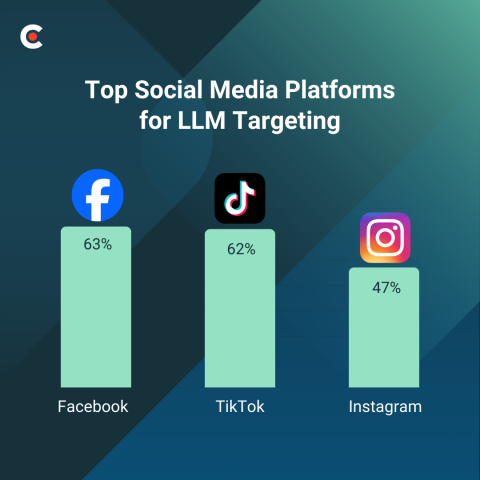
To learn more about how brands are using AI for content marketing, Clutch partnered with Conductor to survey 459 marketing professionals responsible for content creation. Surprisingly, many brands are already using social media for AI discovery. The most common platforms for LLM targeting include Facebook (63%), TikTok (62%), and Instagram (47%).
If you want your brand to get noticed by AI, it's time to rethink your social strategy and goals. This article explores the best platforms for AI-driven social discovery and shares practical tips for creating human- and AI-friendly content.
LLMs such as ChatGPT and Claude analyze online content and draw on it to generate responses. Brands can target these AI models by creating content that's easy for LLMsto notice and understand.
Some LLMs scrape data from public posts on social media platforms. For instance, ChatGPT may reference Reddit threads or Facebook posts in its responses. Accessing this social content allows AI to discuss trends and find answers to real problems.
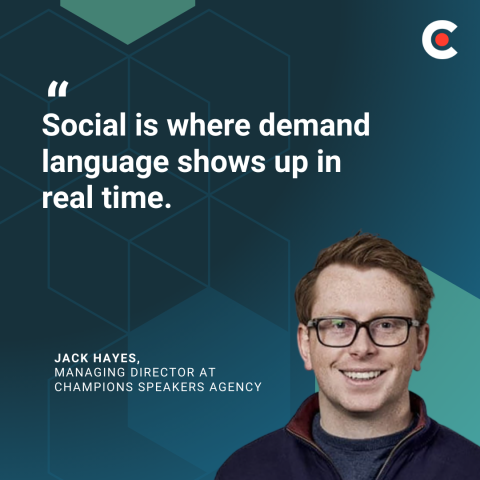
Jack Hayes, Managing Director at Champions Speakers Agency, explains, "Social is where demand language shows up in real time: the phrases, objections, and ‘how do I…’ questions people actually use. That language travels. It shapes what gets repeated online and what AI systems surface."
However, it's not clear how exactly AI interprets social content. Are viral posts more likely to appear in AI responses, or does quality matter more? Do influencers get more attention, or do LLMs also notice creators with small followings? Until AI developers answer these questions, it's best to focus on creating helpful, answer-oriented social posts.
While LLMs obviously draw on social media content for some responses, there's no obvious pattern for which platforms they favor. As a result, many companies are hedging their bets by AI-optimizing their content across multiple channels.
In our survey, Facebook (63%) and TikTok (62%) were neck-and-neck for LLM targeting, while Instagram ranked third (47%). These different focuses suggest that AI algorithms may place greater weight on certain platforms than others. As you update your content strategy, consider focusing on the channels that AI is most likely to notice.
Here are a few strategies for making social content that stands out to humans and AI.
According to our data, Facebook is the most popular social channel for LLM targeting. That makes sense. As the most text-heavy platform on this list, Facebook may make it easier for LLMs to skim and excerpt content. It also lets users share a variety of content, such as photos and Reels. That gives you even more opportunities to get eyes — and algorithms — on your brand.
Facebook is an engagement powerhouse, too. It has over 3 billion active monthly users who can comment on and share content. If popularity influences how AI interacts with social content, these interactions could increase the odds of LLM users discovering your brand.
Use these tactics to optimize your Facebook posts for AI:
Above all, don't lose sight of your human followers. If your social content feels authentic and valuable, it's more likely to get attention across the board.
TikTok makes it easy to participate in video trends, and standout content can go viral in hours or days. Even moderate engagement can signal to AI systems that your content matters. You need to be quick, though. A funny skit may get likes today, but make your audience cringe or scroll past in two weeks.
These strategies will help you make your TikTok videos more AI-friendly:
Consider adding closed captions and text overlays as well. This text will make your content more accessible for both AI and people with visual or hearing impairments, growing your reach.
While text often takes center stage on Facebook, Instagram is all about the visuals. The platform pushes Reels to the Explore page and the Reels viewer, making your content more discoverable. Stories can also boost human engagement, though it's unclear if LLMs analyze these temporary posts.
Use these strategies to increase the likelihood that AI systems draw on your Instagram content:
Be authentic. When you use your customers' language and solve their problems, your content is more likely to appear in recommendations.
If you usually focus on engagement, AI-driven social discovery may seem like a strange side quest. After all, you want comments, likes, and shares today. Does it really matter if ChatGPT quotes your Facebook post in three months?
The answer is yes. McKinsey predicts that AI search will drive $750 billion in U.S. revenue by 2028. If LLMs consistently recommend your social content, you can capture a bigger slice of this growing pie. As more users rely on AI search, that visibility may lead to greater long-term rewards than a viral TikTok video or hundreds of Instagram likes.
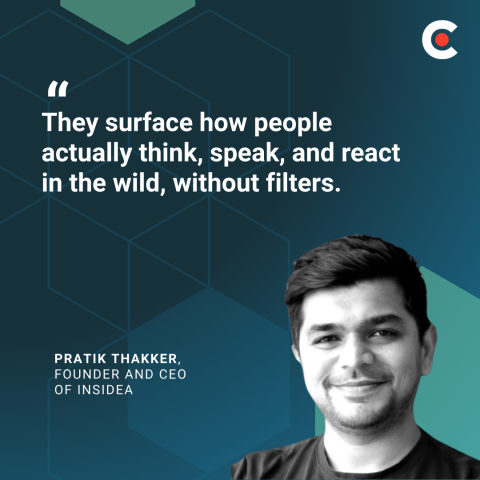
Social content can also help AI better understand your audience. Pratik Thakker, Founder and CEO of Insidea, explains, “I see social platforms less as distribution channels and more as real-time insight engines. They surface how people actually think, speak, and react in the wild, without filters. That matters because AI and LLMs increasingly learn from these patterns to understand intent, relevance, and language.”
In other words, when AI analyzes your social content, it learns about your audience's behavior and needs. That knowledge may make it more likely to recommend your content in the future, leading to snowballing visibility.
Get started by combining social media and AI strategies. Simple tactics like adding alt text and using hashtags make it easier for LLMs to discover and use your social content. You can also use social trends to focus on content that's more likely to get indexed by AI models. For instance, LLMs may refer users to Instagram posts about trending skincare ingredients or electronics.
You don't need to revamp your entire social media presence to get noticed by AI. In fact, a drastic change could backfire by confusing or pushing away your human followers. Instead, focus on these small tweaks:
LLMs don't constantly crawl social posts, so they may not analyze your content immediately. Be patient, and keep building a library of content for future AI referrals.
AI is still relatively new, so even savvy marketers can run into roadblocks when optimizing social content for it. Here are a few common challenges:
As AI advances, keep experimenting with different types of content and strategies to improve your visibility.
Social media has become a critical resource for AI discovery. LLMs may use your posts to recommend products, offer advice, or help users solve problems. These referrals can introduce your brand to new followers who might never have stumbled across it organically.
As AI-driven social discovery grows, Facebook, TikTok, and Instagram are leading the way. However, you don't need to use all three for LLM targeting at once. Start by picking a single channel, and look for ways to combine your social and AI strategies. For example, you might develop a series of Facebook Reels that answer common customer questions.
And keep a close eye on social trends and changing AI behaviors. With a little patience and experimentation, LLMs could become an excellent source of leads and followers.