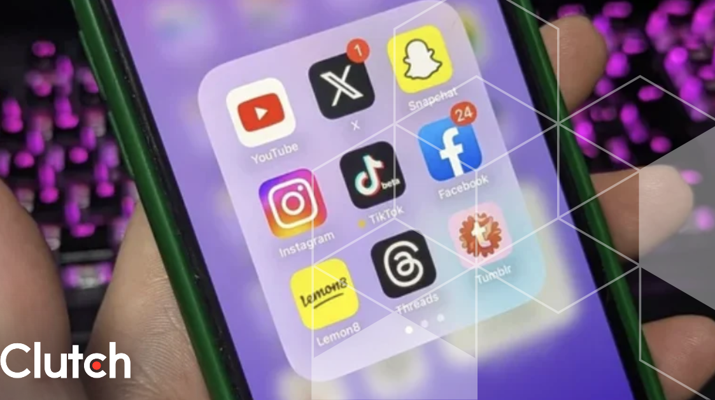
TikTok vs. Meta vs. YouTube: How to Adapt Ad Creative for Each Platform in 2027
TikTok, Meta, and YouTube reward different hooks, lengths, and storytelling styles. This guide covers how to adapt a campaign's creative for each platform...
Updated October 22, 2026

This page helps you understand influencer marketing and explore the content multiplier approach. Learn how to turn a single partnership into multiple assets for paid ads, search, email, and video. More importantly, spot high-performing content, match it with different channels, optimize these assets, and measure your performance.
Influencer marketing has evolved with changing platforms, technologies, markets, and industry trends. In 2027, content creators help brands connect with audiences across social media, search engines, business emails, and paid ads.
Enter content multiplier: the process of turning one creator partnership into multiple assets. With the right planning and proper implementation, brands can reuse creator content without losing the voice that makes it relatable.
Looking for a Social Media Marketing agency?
Compare our list of top Social Media Marketing companies near you
Don’t worry; this guide covers what you need to know about influencer marketing and its content multiplier. Read on to learn how to turn one single influencer partnership into multiple content assets.
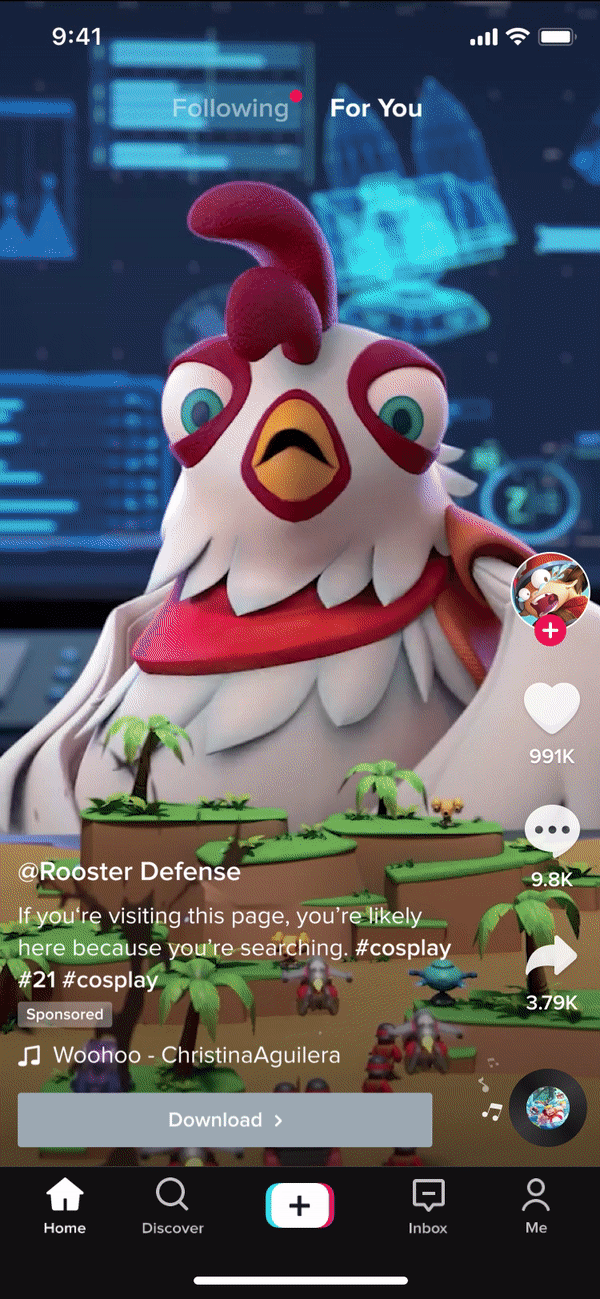
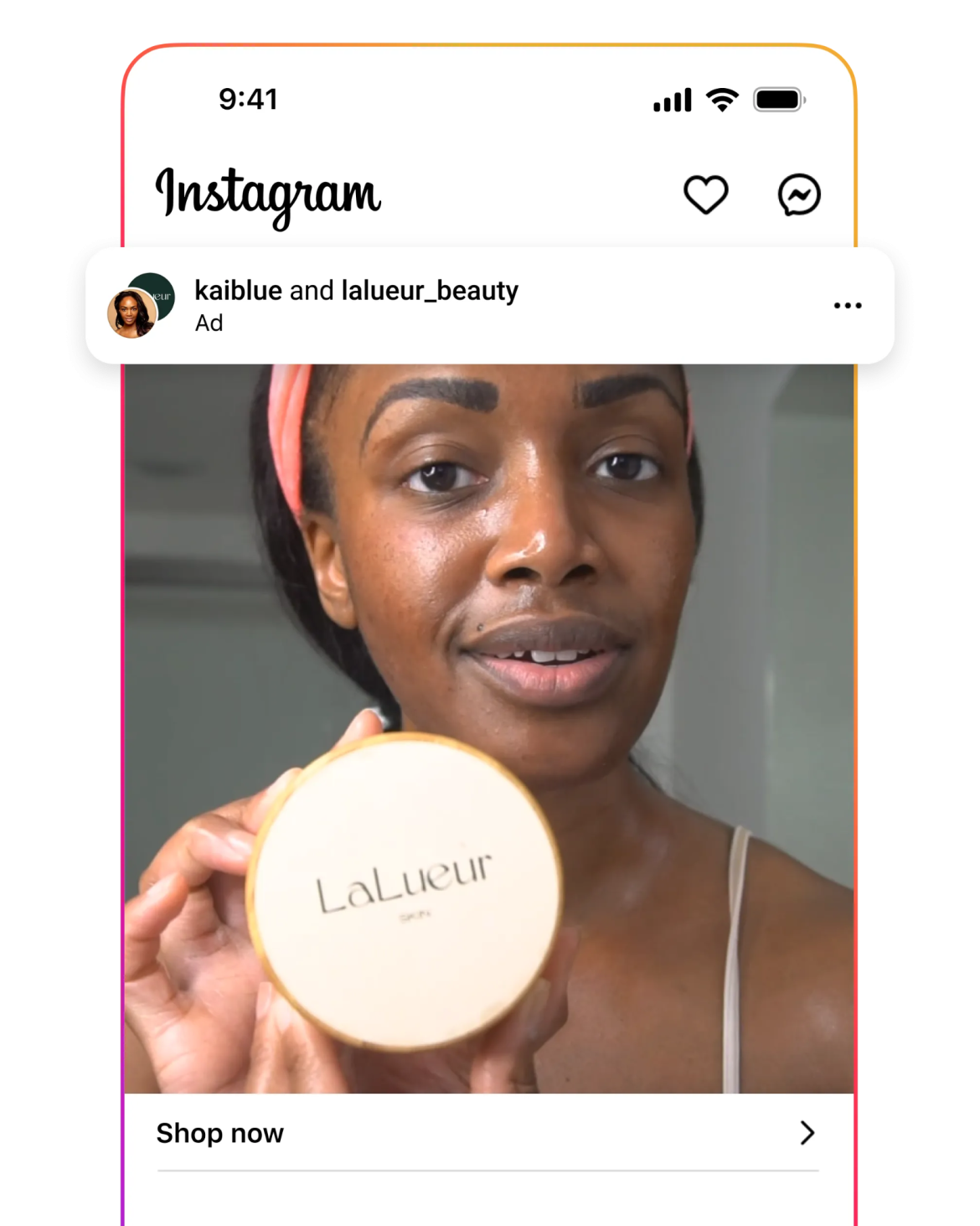
Influencer marketing has evolved from organic posts and brand shoutouts into a full-funnel strategy. Platforms now let brands amplify creator content through paid ads, such as Meta Partnership Ads and TikTok Spark Ads. All while preserving the creator’s identity!
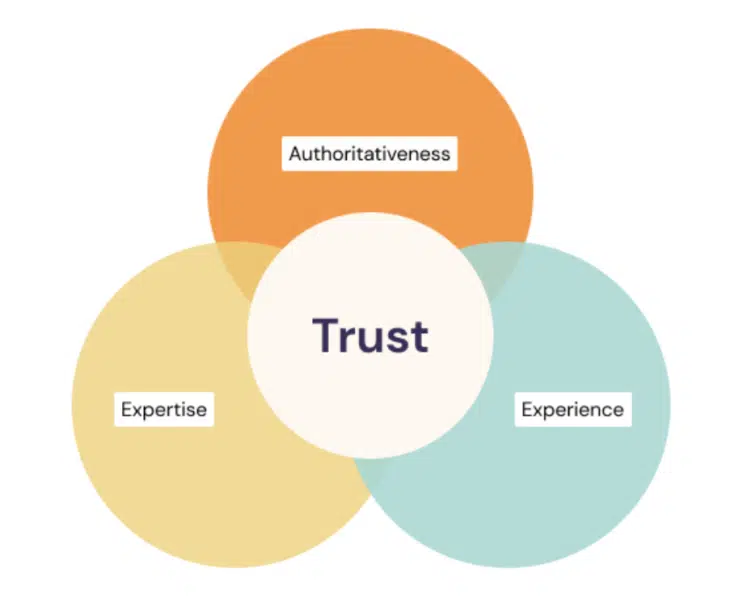
Likewise, search has placed greater emphasis on first-hand experience and helpful content. Google's guidance on helpful content, experience, expertise, authoritativeness, and trust (E-E-A-T), as well as its Perspectives filter, reflects this shift.
The result? Brands can treat influencer partnerships as a content source for multiple channels. Not just a single social post!
To get more value from each partnership, consider:
Case in point: an AI technology company specializing in embedded software solutions partners with a creator to showcase how its embedded software powers smart devices.
Now, how can this company take a creator-content-multiplier approach? They can repurpose their video into short ads, a blog post, email content, and a video clip. Doing so helps them reach more and more people… yes, without having to create everything from scratch!
The key is planning: a clear brief, flexible footage, usage rights, and performance monitoring for the next six to twelve months can help brands extend the value of each creator partnership. That’s without necessarily increasing their budget!
Influencer content works well in paid media because it looks and feels native. It cuts through glossy ad fatigue. It lets people see a real person handle a real problem.
Influencer content can make paid ads feel more relatable. How? By showing real people using products to solve everyday problems. In fulfillment and logistics, this means a creator showing how a business picks and packs as well as ships and delivers orders.
Greg McRoberts, Founder of Verde Fulfillment USA, offers insight into how authentic creator content helps businesses reach more potential customers through paid ads.
McRoberts says, “Customers want to see how a service works and how it can help their business. Creator videos can show the process in action and make complex services easier to understand.
He adds, “Brands can then reuse these videos in paid ads to reach more businesses and build trust with potential customers.”
Overall, authentic creator content helps businesses showcase their services, reach more potential customers through paid ads, engage with these prospects, and build trust.
How creator content fits paid strategies:
How to pick creator content that works in ads:
People respond to real voices. Nielsen's research shows that nearly 90% of people trust recommendations from those they know.
Search in 2027 rewards first-hand perspectives. That's exactly what good creator content is.
The trick? Translating social-native stories into formats that search engines can crawl and understand. This is what SEO strategy looks like in the age of AI.
You can boost SEO with creator content by:
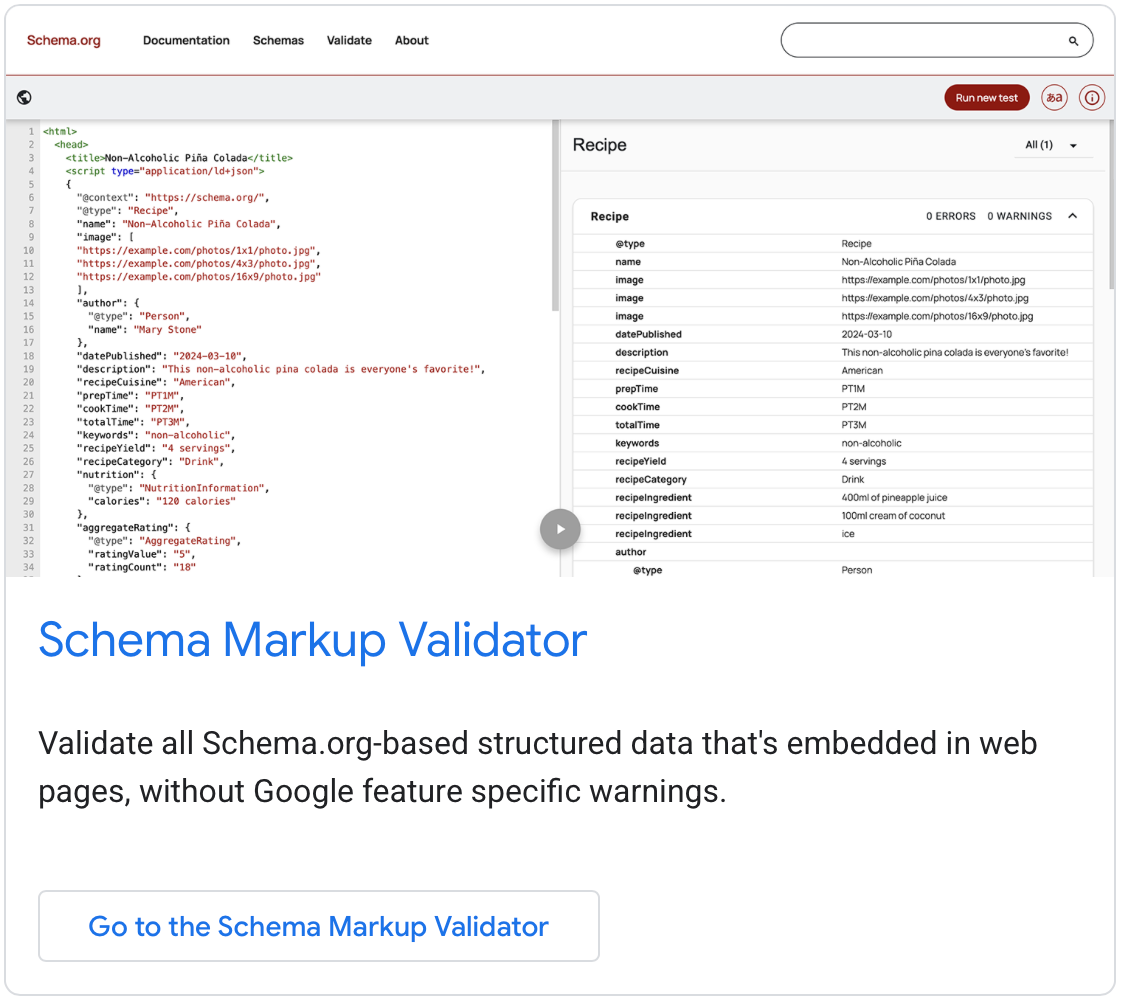
Creator content can help businesses answer FAQs and improve their visibility in SERP. For instance, an electrician could explain common home wiring problems in a video that becomes a blog post.
Andrew Bates, COO at Bates Electric, shares how businesses use practical advice to attract potential customers through search and eventually build trust.
Bates explains, “People often search online for answers to common electrical problems. Helpful videos and articles can explain these issues and show people when to call a professional. Ultimately, sharing practical advice can build trust and help customers find your business online.”
Creator content helps businesses answer real customer questions and improve search visibility. It builds trust with useful, firsthand insights.
Email still delivers a steady ROI. Partly because you own the channel. Adding creator content makes emails feel personal and useful. Not just promotional.
HubSpot's roundup of email marketing benchmarks continues to cite email as a high-ROI channel (often around $36 for every $1 spent). This reminds us that small creative lifts pay off.
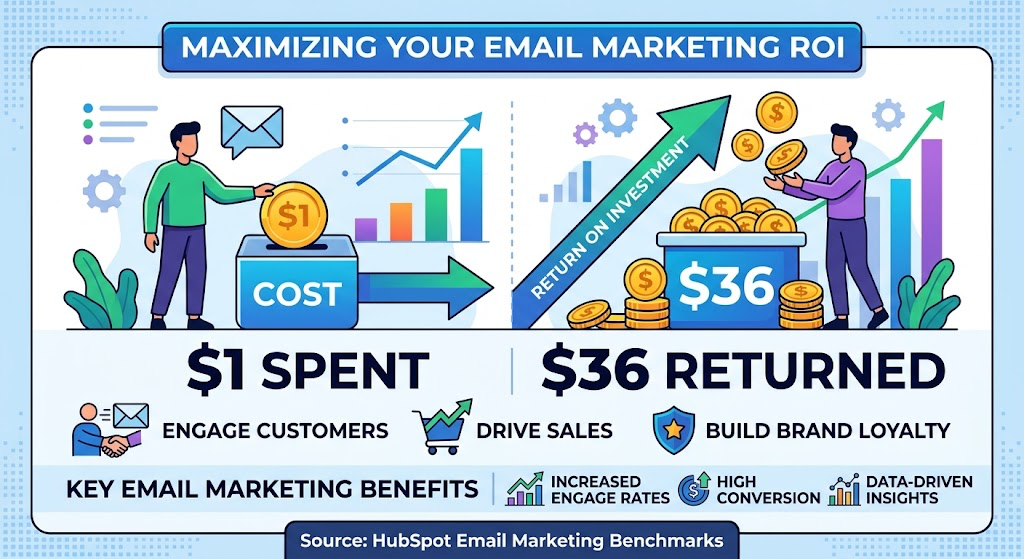
When does email marketing work best? When messages feel personal and helpful. FinTech companies can use creator tips and customer stories to explain their services and connect with customers.
Learn from Jeffrey Zhou, CEO and Founder of Fig Loans. He shows how businesses can use creator content to make emails more engaging.
Zhou shares, “People want to know how a financial service can help them. Simple videos and relatable stories can make information easier to understand. Adding useful content to emails can build trust and encourage customers to take action.”
To make the most of creator content in email marketing, focus on these practical ways to keep your messages engaging and useful.
You can embed creator content in email by:
Things to watch:
Measure and iterate:
Video is still how many people learn about products and make decisions. One creator shoot can power Shorts, Reels, TikToks, YouTube explainers, and even pre-roll.
You can turn one shoot into many videos by:
Where to publish:
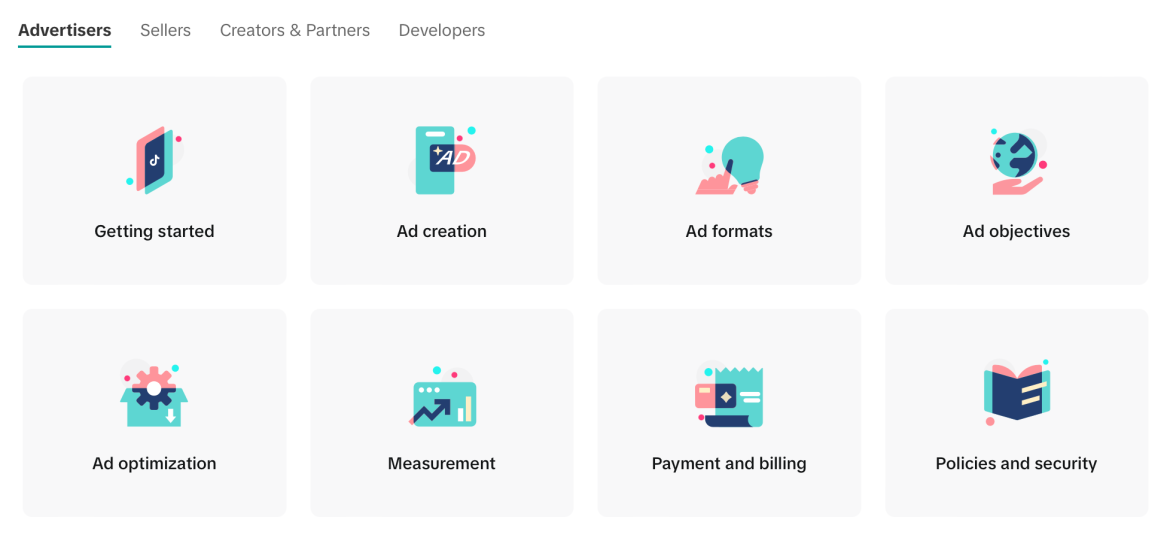
Metrics worth tracking:
Video content can help businesses showcase their products and engage with potential customers. They can turn one creator video into shorter clips for YouTube, TikTok, Instagram Reels, and other social media channels.
Take it from Chuck Schaeffer, Co-Founder and CEO of AVTEC. He explains how tech businesses can use creator videos to explain complex solutions and reach more people.
Schaeffer mentions, “Here’s the thing: you don't need to create a new video for every platform. Just focus on the formats your audience uses most, and adapt your content to fit each one. Remember, helpful videos can make complex tech easier to understand and keep people engaged.”
Repurposing creator videos across platforms helps businesses explain complex products. It also helps reach more viewers and keep audiences engaged. It drives sales and supports your business's success.
An influencer campaign does more than generate likes, comments, and shares on social media. With a little planning and careful execution, you can reuse creator content across other channels. That said, here’s how to get started:
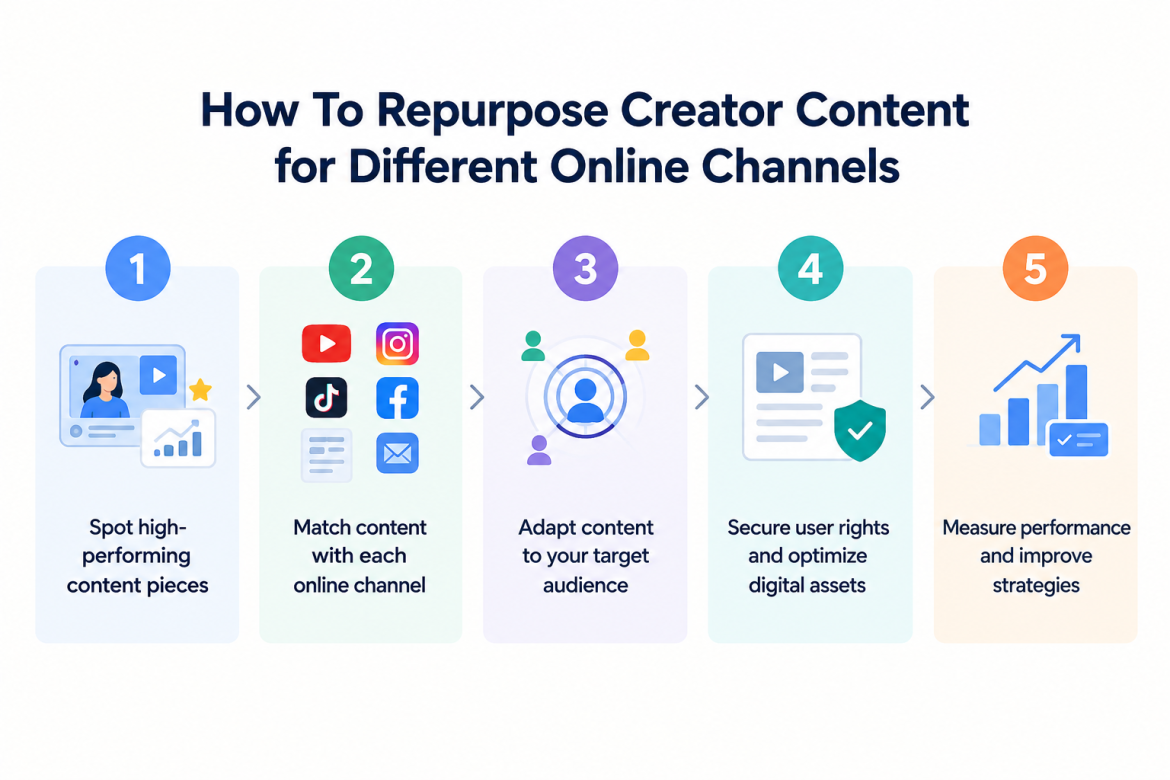
The content multiplier goes beyond producing more pieces of content. It entails getting more value from each influencer partnership. That is, by turning a single creator partnership into multiple assets.
When repurposing content, consider the four digital marketing tactics recommended above as you create content and execute your marketing strategies. More importantly, follow the key steps above for implementing your creator content multiplier approach.
With proper planning and careful execution, you’ll make the most of your content multiplier for influencer campaign success.
If you’re ready, explore Clutch’s agency directory to find the right people who can help repurpose your creator content across channels and turn each partnership into greater impact.