How Consumers Feel About AI in Social Media: What They Welcome (and Don't)
New Clutch data shows how consumers feel about AI in social media marketing, where they welcome it and where they draw a hard line.
Updated October 19, 2026

TikTok, Meta, and YouTube reward different hooks, lengths, and storytelling styles. This guide covers how to adapt a campaign's creative for each platform, with examples and a list of tests to run in 2027.
A brand shoots one 30-second video, cuts it to 9:16, and runs it on TikTok, Instagram Reels, and YouTube in the same week. On TikTok, people scroll past it in under two seconds. On Reels, the call to action sits behind the caption bar. On YouTube, viewers skip it at the five-second mark because the opening doesn't tell them why they should stay.
The product, the offer, and the budget were all fine. The creative was built for no particular platform, so it underperformed on all three.
Looking for a Social Media Marketing agency?
Compare our list of top Social Media Marketing companies near you
The audiences overlap, but people come to each platform in a different frame of mind. That affects how long they give an ad, whether the sound is on, and what makes them stop scrolling.
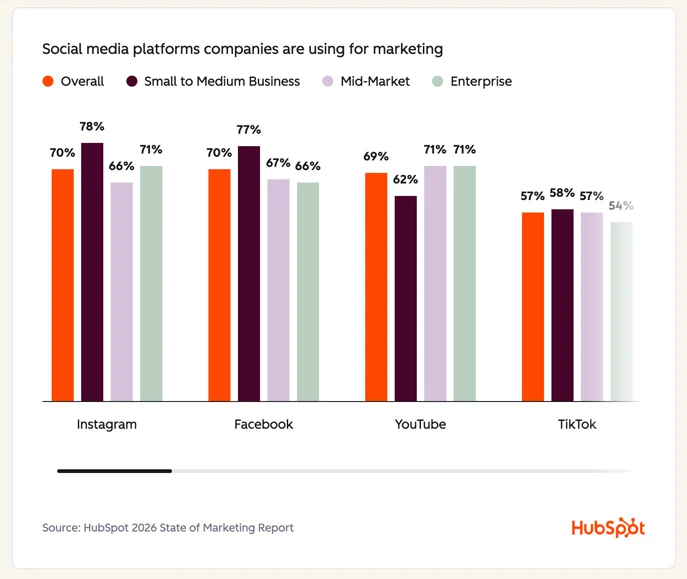
In HubSpot’s 2026 State of Marketing Report, about 70% of companies market on Instagram and Facebook, 69% on YouTube, and 57% on TikTok. With most brands running on several of these at once, the table below shows where each platform differs.
| TikTok | Meta (Facebook and Instagram) | YouTube | |
| Why people open it | Discovery, trends, entertainment | Friends, groups, creators they follow | Learning, research, long-form viewing |
| Time to earn attention | One to three seconds | One to three seconds on Reels, longer in feed | About five seconds before the skip button |
| Sound | Almost always on | On for most Reels, often off in feed | On |
| Style that fits | Lo-fi, creator-led, trend-aware | Personal, social proof, UGC | Clear story, demonstration, explanation |
| Main formats | In-feed video, Spark Ads, TikTok Shop | Reels, Stories, carousels, feed | Skippable in-stream, bumpers, Shorts |
A single cut forced across all three ends up averaging out across all three. The sections below cover what to change for each.
TikTok shows a new ad to a small audience first and widens delivery only if early signals are strong. The first seconds decide almost everything. TikTok's own analysis of its top auction ads found that over 63% of the videos with the highest click-through rate showed the key message or product within the first three seconds.
What tends to work:
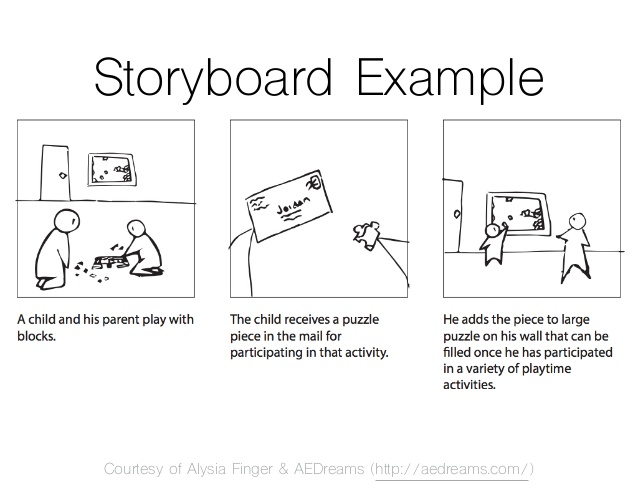
A practical way to produce enough variants is to storyboard each concept in blocks: hook, demonstration, reaction, and offer. Film each block three ways. Three concepts built like that give you dozens of combinations from a single shoot day, and the test results show which openings deserve more budget.
Producing that many variants used to take a larger budget than most small teams had. AI video tools have lowered that cost considerably.
Echo Mao, Head of Marketing at AIReel, an AI video generator that turns text prompts and product images into short videos.
Mao says, "TikTok rewards variety in the first few seconds. The teams that do well test five or six openings for the same ad and let the data choose. AI video tools make that realistic for smaller brands, because a new hook can be generated from an existing product image in minutes instead of booking another shoot. A person still has to judge which hooks sound like the brand and which ones only chase a trend."
Keep the hooks that win in a shared library. A strong opening often works again with a different product or offer, which shortens the time needed to build the next round of tests.
On Facebook and Instagram, the ads that hold attention look like something a friend might share. Handheld footage, real people, and captions that read like a message tend to beat studio work.
Placement matters more on Meta than on the other two platforms, because one campaign can run across Reels, Stories, and the feed at once. Each needs a slightly different build:
Social proof does a lot of work here. A screenshot of a real customer comment, a five-second testimonial clip, or a creator explaining why they switched brands gives the ad credibility a voiceover can't. Meta's testing tools can rotate headlines, visuals, logo design placements, and calls to action across these variants, so production costs stay flat while the platform finds the best combination for each audience.
Greg McRoberts, Founder and CMO of Verde Fulfillment USA, a third-party logistics company that stores, packs, and ships orders for e-commerce brands.
McRoberts says, "Meta ads that mention delivery speed or free returns often convert well, but only if the operation behind them can keep the promise. If a Reel says it arrives in two days and the order takes six, the comments under that ad fill up quickly, and that social proof starts working against you. Before a campaign launches, check that inventory and fulfillment capacity can handle the volume the ad is built to drive."
Check the comments on active Meta ads every few days. Replying to complaints quickly, or pausing an ad whose comments have turned negative protects both the campaign and the brand.
YouTube viewers choose the video they're about to watch, and a skippable ad can stand between them and it. The opening five seconds need three things: a person on screen, a problem or use case the viewer recognizes, and a brand cue. That cue can be a color, a product shot, or a sound. A logo slammed into frame one is rarely the best option.
Google's ABCD framework (Attention, Branding, Connection, Direction) remains the most useful checklist for this platform. A Kantar analysis of more than 11,000 ads, cited by Google, found that ads following the ABCDs delivered a 30% lift in short-term sales likelihood and a 17% lift in long-term brand contribution.
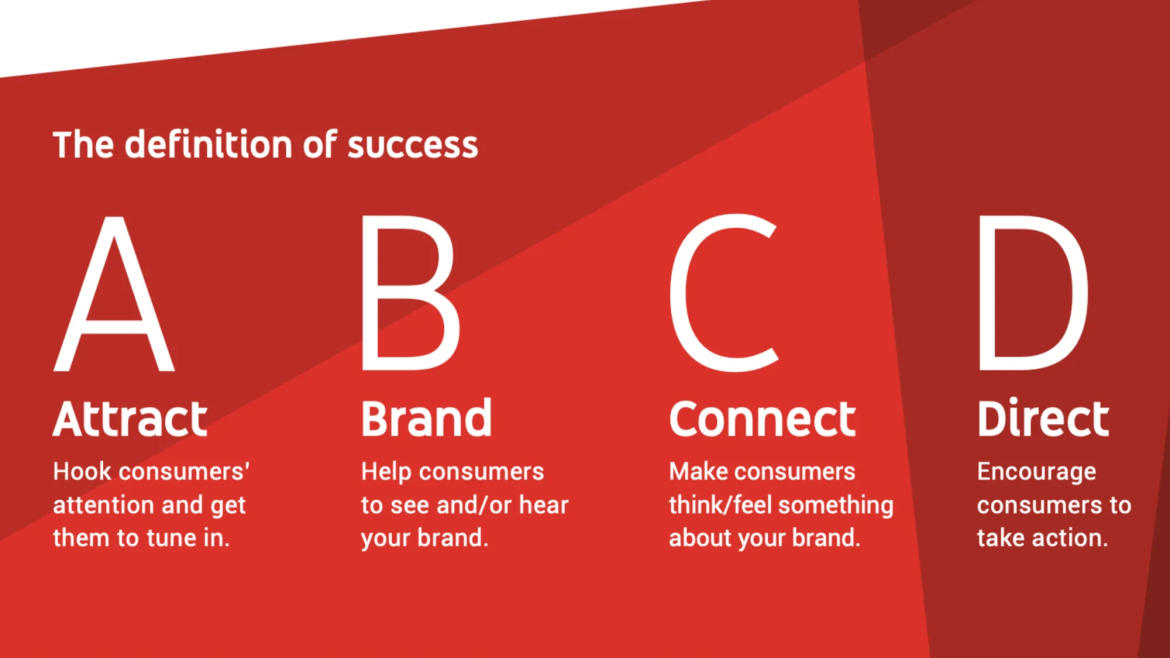
The ABCDs outline what makes a strong YouTube ad. Getting there mostly comes down to decisions made in the edit.
A few production habits help:
Sequencing works well here. Run a short, wide-reach spot first, then follow up with a longer demonstration for the people who watched most of it.
Andrew Bates, COO of Bates Electric, a St. Louis electrical contractor founded in 1992 that offers 24/7 emergency service across eight states.
Bates says, "For a service business, YouTube works best when the ad answers a question the homeowner already has. A short clip of an electrician explaining why a breaker keeps tripping, and when it becomes a safety issue, earns more trust than a polished commercial built around a logo. People skip ads that sell at them. They watch the ones that help them decide whether to call someone."
The same approach works outside home services. A software company can run a two-minute walkthrough of one common problem, and a retailer can show how a product holds up after a month of use. Both will hold viewers longer than a brand montage.
The brand stays the same everywhere. Fix a short list of elements that never change, such as colors, typeface, tone of voice, and possibly a sound signature. Adapt everything else.
The cheapest way to do that is to plan for adaptation before the shoot. Film every scene in 9:16, 1:1, and 16:9 framing. Record several alternative hooks and calls to action. Capture plenty of B-roll, reaction shots, and cutaways for later edits.
When moving an ad from one platform to another, rework it:
For example, a coffee subscription brand might shoot one morning of footage at a roaster. The TikTok version opens on the pour and runs 15 seconds with a creator's voiceover. The Reels version leads with a customer comment and ends on a discount code. The YouTube version runs 90 seconds and follows the bean from farm to cup. All three come from the same footage and use the same brand codes.
Formats and viewer habits keep shifting, so treat each of these as a test rather than a rule. Judge each platform by its own numbers:
Tests worth running this year:
Platform dashboards report each channel in isolation, and each one credits itself generously. Once spend grows, a quarterly geo-holdout test shows whether a channel is driving sales that wouldn't have happened anyway. Teams ready to model spend across all three can start with Meta's open-source marketing mix modeling tool, Robyn.
Making the Next Campaign Platform-First
The simplest place to start is the next campaign already on the calendar. Plan the shoot around three cuts instead of one, set separate success metrics for each platform, and test each version for a few weeks before deciding where the budget goes.
Teams without the in-house capacity to produce and test creative at that volume often bring in outside help. Clutch lists verified client reviews of social media, video production, and paid advertising agencies, making it easier to compare partners with real TikTok, Meta, and YouTube experience before hiring.