Lead Quality vs. Lead Quantity: Why B2B Teams Are Rethinking Their Funnel in 2026
Bigger buying committees and tighter budgets are forcing B2B teams to rethink lead quality vs. quantity. Here's how top teams rebalance the tradeoff in 2026.
Updated May 25, 2026
Learn how to identify new target audiences through market research and customer segmentation. Implementing this process will boost conversions and help you reach your target audience effectively.
One of the foundations of a strong marketing strategy is identifying the customer you plan to target. In a perfect world, everyone would love your product or service. Unfortunately, that’s not the way it works.
Consumers are often changing their behaviors toward what they like and why. You won't want to be full of guesswork when implementing your marketing strategy.
Looking for a Digital Marketing agency?
Compare our list of top Digital Marketing companies near you
Therefore, you need to identify a target market that you can break down into segments so the people you find become loyal customers. Segmenting your audience will yield better results, helping you achieve a stronger return on your investment.
Identify a new target audience through customer segmentation by performing a target market analysis and completing the following steps.
Your goal when collecting data is to gather two types:
You have various ways to collect this information, including:
Once you have chosen your methods, you’ll need to get the answers to the following questions:
Research and collecting information is a time-consuming process. The graph below shows how marketer researchers spend their time gathering data.
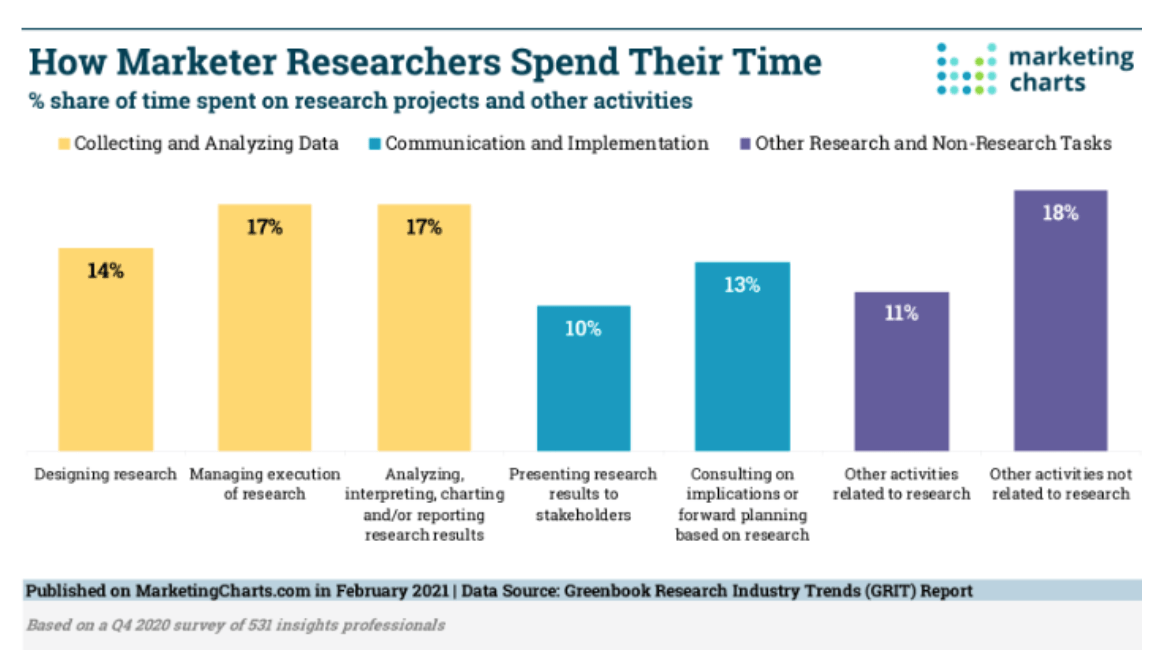
Approximately 48% of marketers’ time is spent designing, executing and analyzing their research. This will give you a clear idea of when you're ready to build your customer personas.
That way, you can plan and execute your time wisely to gather enough information collectively.
Additional Reading: 'Benefit Segmentation Definition & Examples'
Segmenting your audience creates a customer profile. However, it needs to be a highly summarized review of people with similar demographics, psychographics, and behavioral traits.
Research shows that 95% of product launches fail because of poor customer segmentation.
Therefore, these details are crucial and the first step to designing an optimized customer journey. Knowing your customers can create a better sales funnel that appeals to your identified segments.
In fact, 68% of business owners use behavioral segmentation to personalize their websites.
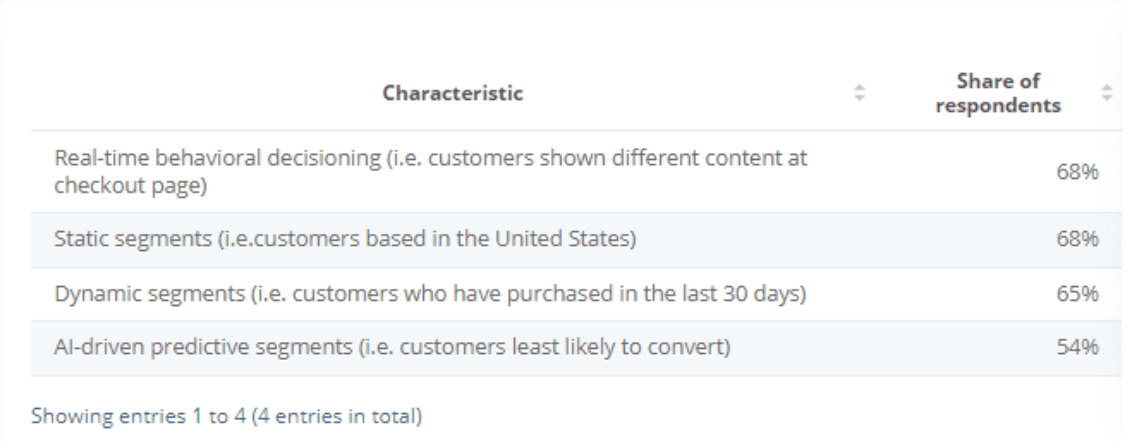
This graph is a good indicator of how business owners target their customers. It’s the key to profiling your audiences and tailoring your offers to create an enhanced customer experience.
Here’s what you need to create a customer profile:
You can obtain this information through surveys, social media, interviews, and market research platforms.
Read this: '5 Behavioral Segmentation Examples for App Marketing'
Have you ever implemented a paid advertising campaign on social media? Then you know how granular those targeting tools can turn out. Your goal is to get as close to that as possible.
Identifying a specific target audience ensures you make decisions based on your customer profile, setting you up for success.
Understand your target audience by studying their attitudes, pain points, and beliefs. Knowing this information provides insight into the core customer problem and helps you establish your brand apart from the competition.
Online resources are an excellent way to perform secondary research and find insights to back up your previous assumptions.
However, you’ll have to be mindful that the research you find may not be as viable or focused as needed. Therefore, it’s critical to pick only the most relevant insights.
You can find more insights with Quantcast or Google Trends to access information about your target customers.
You may also consider researching through McKinsey or Deloitte since they regularly publish customer research reports and industry briefs.
Performing a competitor analysis is a must when you’re launching a new product or service. In fact, 65% of survey respondents listed competitive data as important.
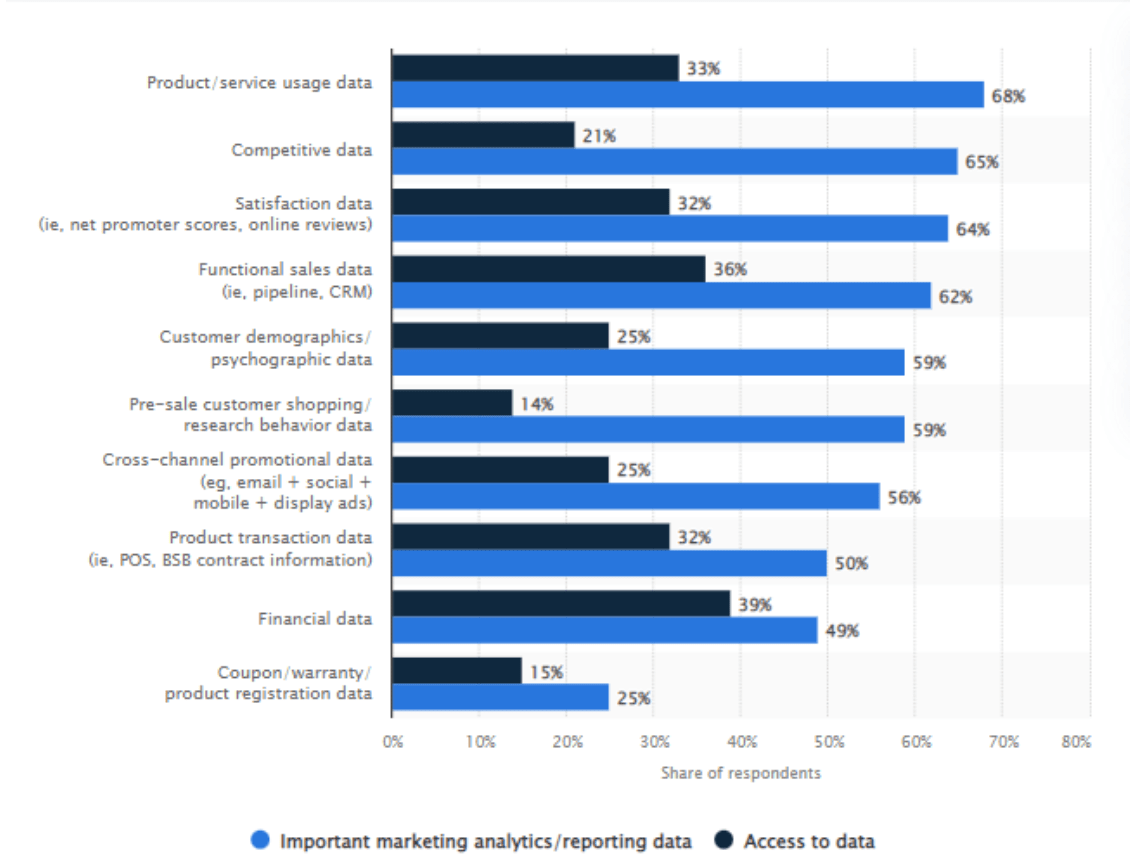
It’s also vital to compare your competitors at least once a year to make your offers more attractive and relevant.
The perk of conducting a competitive analysis is that it helps you establish better differentiation and a unique sales proposition. Consider using a SWOT (strengths, weaknesses, opportunities and threats) analysis to conduct your research.
Here’s how to structure it:
As you’re filling out your SWOT template, consider brainstorming with others on how you can capitalize on your opportunities. It would help if you discovered how to close the gaps in the weaker areas.
Primary research is time-consuming and requires careful preparation. However, this is one step you won’t want to miss. That’s because it’s the only way to know your customers and get specific answers.
Consider spending time:
Hire a market research agency to assist with your company.
Now that you have good insights into who you’re targeting, it helps to ask yourself these questions:
Answering these questions will help you understand if you’re ready to sell, need to conduct more research, or appeal to a different audience.
The most challenging part about performing a target market analysis is deserting your assumptions. It’s tempting to assume things about your target audience, but engaging with potential customers and conducting research is better.
Your target market is dynamic, constantly evolving, and taking new roads. Therefore, it’s always good to reassess and keep discovering new groups to go after.
Browse our directory of digital marketing agencies to help with your marketing strategy.
Additional Reading: