
Why Your B2B Outbound Emails Never Reach the Inbox (And What It Costs You)
Your B2B cold emails might be landing in spam, not inboxes. Learn how to check placement and the 4 fixes that actually move the needle—not copy edits.
Updated October 19, 2026

Podcast apps and search engines now index what is said in an episode, as well as its title. This guide covers the transcripts, metadata, structured data, and links that help a business podcast get found in 2027.
Most business podcasts are hard to find for a simple reason: the only text attached to each episode is a title like "Ep. 47" and two lines of show notes.
Search engines and podcast apps can now read the full content of an episode, but they can only surface it for the right query if the episode gives them clear text and structure to work with.
Looking for a Content Marketing agency?
Compare our list of top Content Marketing companies near you
Three changes since 2024 shape how episodes get found:
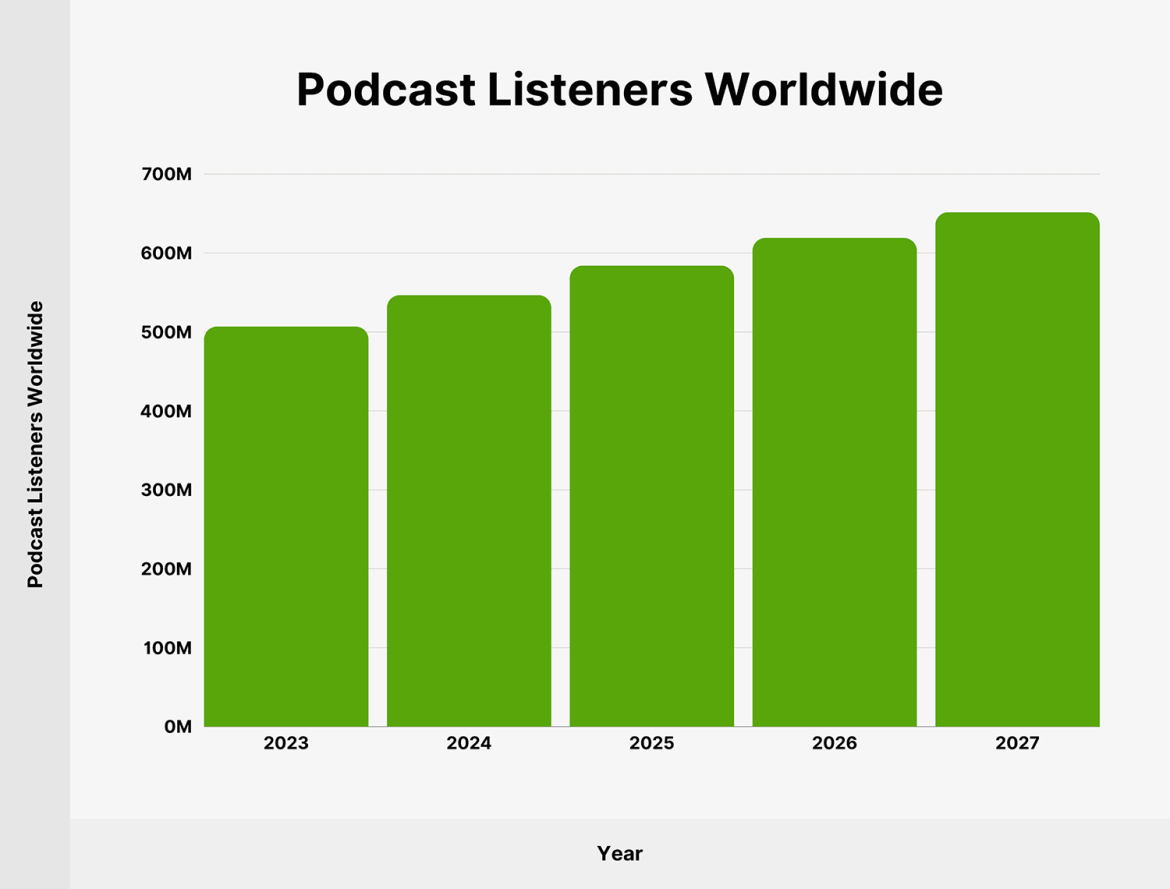
The practical effect is that every episode needs clean, accurate text around it. Audio with a vague title and no transcript gives these systems almost nothing to work with.
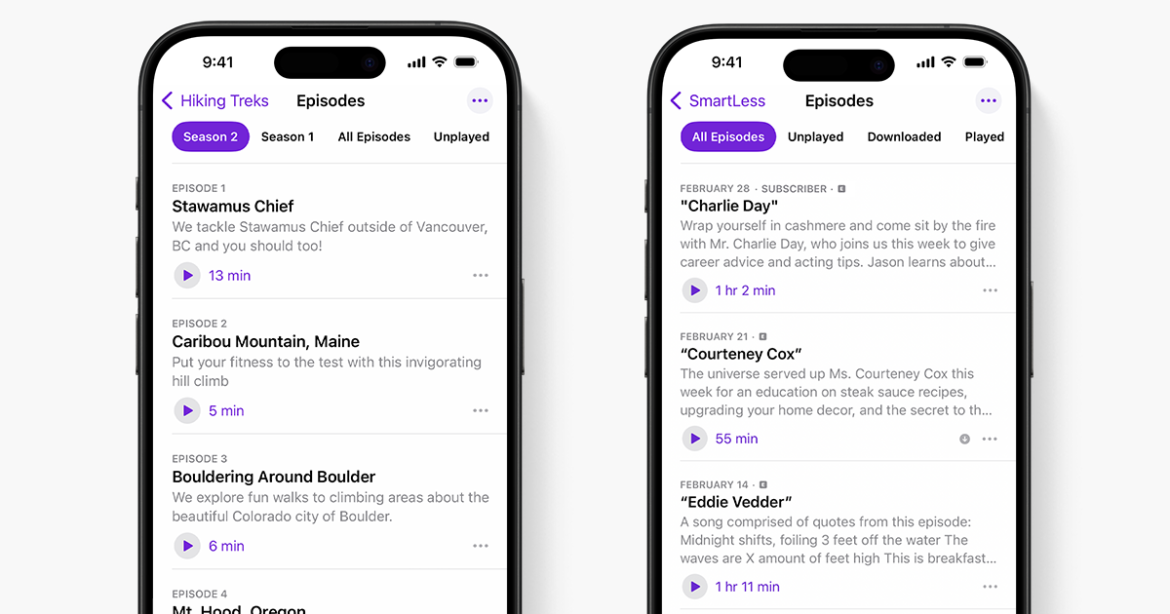
Apple's in-app transcripts help listeners who are already in Apple Podcasts. They do nothing for Google search, for links from other sites, or for your own analytics. For those, each episode needs its own page on your website with the full transcript.
A useful episode page includes:
Gavin Yi, CEO and Founder of Yijin Solution, a custom manufacturing company that produces CNC-machined, sheet metal, and die-cast parts from prototype to production.
Yi says, "In manufacturing, the people looking for an episode search with very exact terms, like a material grade, a tolerance, or a process name. Automatic transcripts often turn those terms into nonsense, and then the episode can't be found by the engineers it was made for. Someone who knows the field should read every transcript before it goes live and fix the technical vocabulary. That review usually takes less time than editing the audio."
Automatic transcription is good but not reliable for names, acronyms, and industry terms, so every transcript needs a human edit before it goes live.
A cybersecurity show might find "zero trust" transcribed as "zero dressed," or a guest's company name split into three words. Each of those errors removes a search term the episode should match. The W3C's guidance on transcripts covers formatting that also makes them easier for search engines to read.
The title is the first thing both a search engine and a listener read, so it should say what the episode answers. Compare:
| Weak title | Stronger title |
| Ep. 93: Talking Security with Dana Ruiz | How Mid-Size Banks Roll Out Zero-Trust Security, with Dana Ruiz |
| Episode 12: Hiring Update | What to Ask in a First-Round Sales Interview |
Put the main topic or question at the front of the title. Episode numbers can go at the end or in the episode-number field, where they don't take up the words people actually search for.
Descriptions and show notes follow the same logic. The first sentence should answer "why listen to this one?" Follow it with three to five short lines covering the main points and the guest. Spell every person, company, and product correctly, because search systems connect episodes to those names. Apple's episode and show information guidelines set out length and formatting rules for its directory.
Andrew Bates, COO of Bates Electric, a St. Louis electrical contractor founded in 1992 that offers 24/7 emergency service across eight states.
Batessays, "Homeowners search the way they talk, with questions like why a breaker keeps tripping or whether they need a panel upgrade for an EV charger. An episode titled with that exact question has a real chance of being found. One called 'Episode 42: Electrical Safety Tips' doesn't. Write the title for the person who has the problem right now."
Not every episode title needs to read like a search query. Keep the wording natural and use the description to add context about the guest, the audience or the problem being discussed.
Smart speakers, phones, and car dashboards increasingly handle podcast requests by voice. Spoken queries run longer and sound more like conversation, such as "play an episode about cutting AWS costs" or "what should I do if my furnace stops working."
Two habits help an episode match those requests:
Andrew Scheidt, General Manager at Central Air Heating, Cooling & Plumbing, runs a heating, cooling, and plumbing company serving the Portland, Oregon area.
Scheidt says, “Most of the questions we hear come at the worst possible moment, like when the furnace quits on a cold night, or the AC fails during a heat wave. People ask their phones what to do. An episode that answers one of those questions clearly in the first minute, and mentions the area it serves, is much more likely to come up than a general conversation about HVAC.”
Keep chapter titles short and specific and make sure each timestamp matches the moment the relevant discussion begins. Review the chapters before publishing, since vague labels such as "More Tips" tell listeners very little about what they will find.
Structured data tells search engines exactly what is on a page without making them infer it. Google doesn't currently show podcast-specific rich results, but structured data still helps search engines and other platforms identify the page as a podcast episode and connect it to the right show, people, and topics.
Add JSON-LD markup using Schema.org's PodcastSeries and PodcastEpisode types:
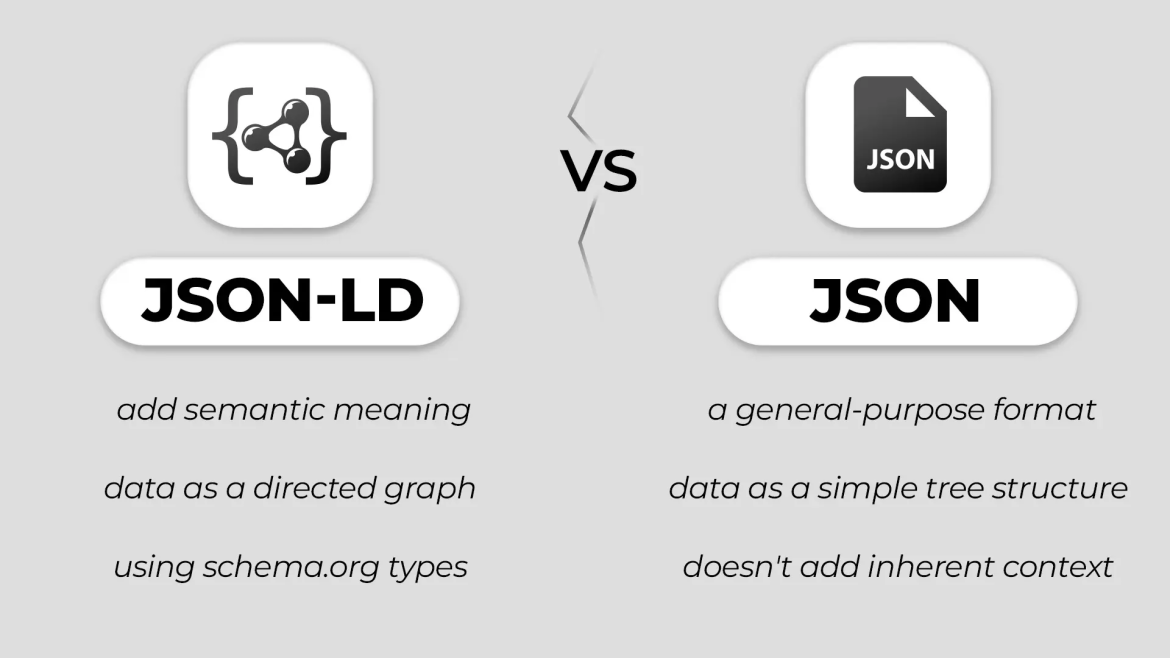
Keep the markup consistent with what's visible on the page. If the schema lists a different title or guest from the page itself, search engines may ignore it. Check every template with the Schema Markup Validator before publishing.
Links from other sites still tell search engines that an episode page is worth ranking. Podcasts have an advantage here because every guest has a team, a website, and an audience that wants to share the appearance.
Make sharing easy. Within a day or two of publishing, send each guest:
Standout episodes can also become PR material. A clear data point or an unusual opinion from the conversation can be pitched to industry newsletters and reporters, with a link back to the episode page.
Greg McRoberts, Founder and CMO of Verde Fulfillment USA, leads a third-party logistics company that stores, packs, and ships orders for e-commerce brands.
McRoberts says, "For a guest, the episode page is often the only written record of the conversation. When a host publishes the full transcript, links to the guest's site, and sends a few clips afterward, the guest's team shares it far more often. The guest's audience starts listening to the show, and the links they share point back to a page with something worth reading."
Make the sharing request easy to act on by including the exact episode URL and clips in formats suitable for social media. A guest should be able to share the episode without having to search for the right link or create promotional materials from scratch.
One recorded conversation can supply a week or more of content for a company’s own channels. Each piece should link back to the episode page, so the transcript, the chapters, and the links all build up on a single URL.
Formats that take the least extra work:
For example, a 40-minute interview about cutting cloud costs could produce a blog post on reserved instances, three LinkedIn clips, and a newsletter item. All five pieces point readers back to the full episode.
Podcast data is spread across several dashboards, and each one shows part of the picture:
| Tool | What it shows |
| Apple Podcasts Connect | Followers, plays, and average consumption in Apple Podcasts |
| Spotify for Creators | Plays, retention, and audience data in Spotify |
| YouTube Studio | YouTube StudioViews, watch time, retention, and the search terms that led people to each episode |
| Google Search Console | Impressions, clicks, and queries for the episode pages on your site |
| Semrush or Ahrefs | Keyword rankings and links pointing to episode pages |
One tool many older guides still recommend is gone. Spotify shut down the podcast analytics service Chartable in December 2024.
The numbers worth checking each month are search impressions and clicks to episode pages, follower growth in the main apps, average completion rate, and referral traffic from guest shares and press. Patterns matter more than any single figure. If listeners finish case-study episodes but drop off halfway through general discussions, that is a strong signal for what to make next.
Several changes are already underway, and each rewards the same groundwork:
None of these needs a new production process. A show that already publishes accurate transcripts, names its chapters after real questions, and keeps its metadata clean will be ready for each one as it arrives.
Businesses that don’t have the time or staff to run this process in-house can bring in specialists. Clutch lists verified client reviews of SEO agencies and podcast production companies, so teams can compare providers with proven podcast experience before hiring one.