Why Your B2B Outbound Emails Never Reach the Inbox (And What It Costs You)
Your B2B cold emails might be landing in spam, not inboxes. Learn how to check placement and the 4 fixes that actually move the needle—not copy edits.
Updated September 28, 2026
While you might be sending newsletters consistently to a long list of subscribers, this doesn’t instantly result in a return on investment.
In fact, standard newsletter and campaign conversion rates average between just 2% and 10% in 2026, even when subscribers are opening, reading, and even replying to your emails.
The question is: how do you turn those readers into revenue? Monetizing your newsletter strategy could be the difference between a customer touchpoint that earns and one that wastes time in the inbox.
Looking for a Content Marketing agency?
Compare our list of top Content Marketing companies near you
When we think of newsletter strategy, sponsorships are often the first to come to mind. While earning money by featuring brands in your newsletter can be lucrative, securing a steady pipeline of sponsorship deals is notoriously unpredictable.
Newsletters that offer businesses the best return on investment diversify their revenue streams.
The key here is to turn your newsletter into another starting point for a customer journey. If you’re constantly sending content to thousands of pre-engaged subscribers, your newsletter is another chance to sell products, memberships, services, and educational content that all drive income for your business.
Still don’t know where to start? Below are five newsletter monetization strategies that go beyond traditional sponsorships to drive revenue directly from the inbox.
The strategies:
It’s no secret that digital products have high profit margins. Creating e-books, templates, and paywall guides may be a one-off task, but they constantly generate revenue for your business.
If your newsletter can frequently answer customer pain points using these digital products, you will drive consistent revenue from your newsletter strategy as a result.
The key here is to offer solutions that solve specific problems for your customers. Whether that is teaching a niche skill or creating templates and worksheets for singular tasks and workflows, your aim here is to package your knowledge as a business into a resource that a lead can access instantly.
(Image Source: Canva)
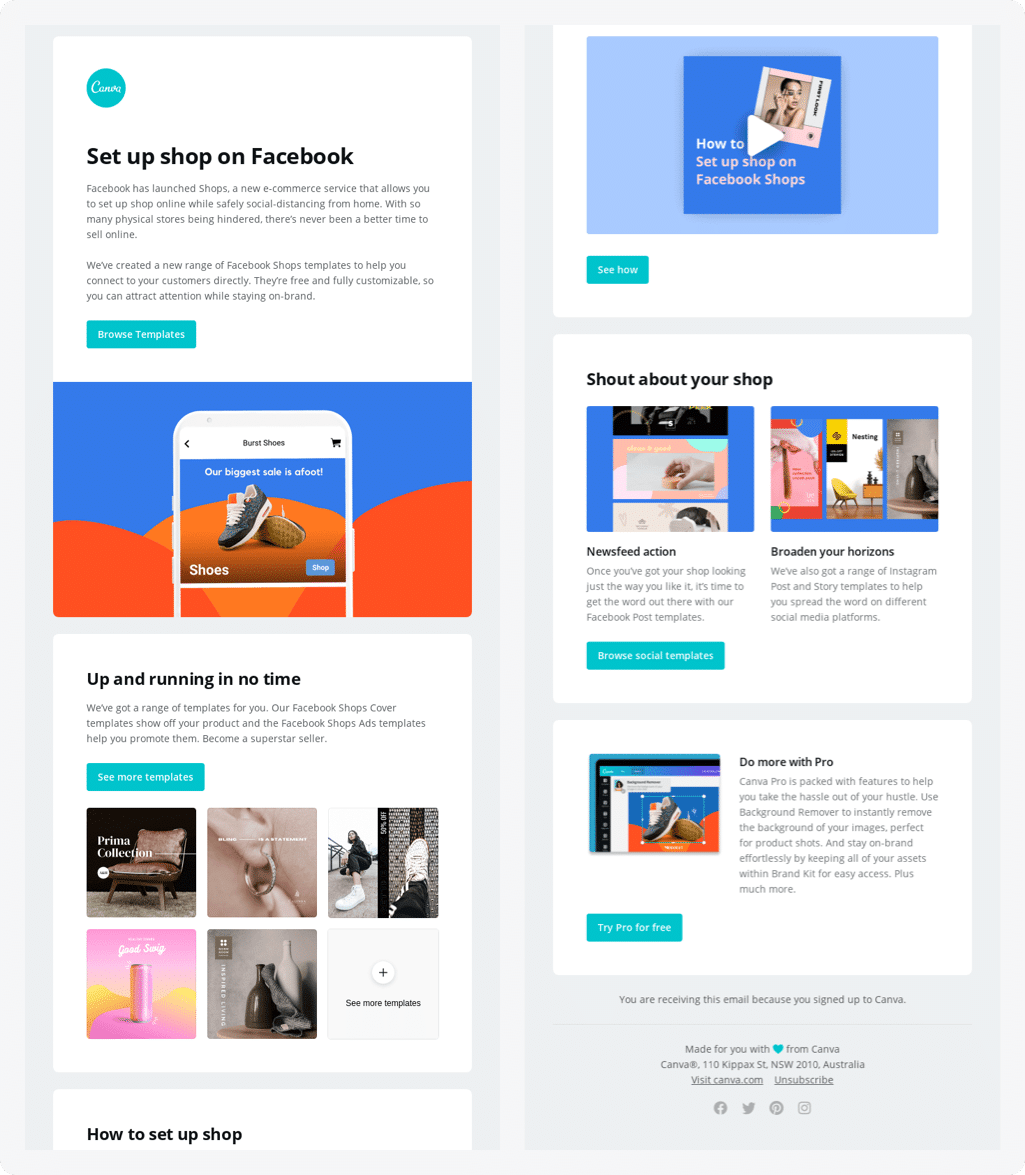
Canva’s newsletter monetization strategy is a great example of this. By inserting links to their design templates within their email content, they encourage subscribers to download their app and purchase their premium digital products.
If you can see here, Canva promotes these digital products organically in a ‘How to Set up Your Shop on Facebook’ newsletter feature.
To gain the most traction, link your digital products to your newsletter content naturally. For example, if you want to insert an email template bundle into your next email, produce a themed piece on email marketing that not only talks about common pain points, but also offers your digital products as a solution.
Why not turn your own subscribers into your newsletter sponsors? While general newsletters help build and engage a wide audience of leads, traditional newsletter monetization relies on readers engaging with sponsored ads or converting on other added paywalls.
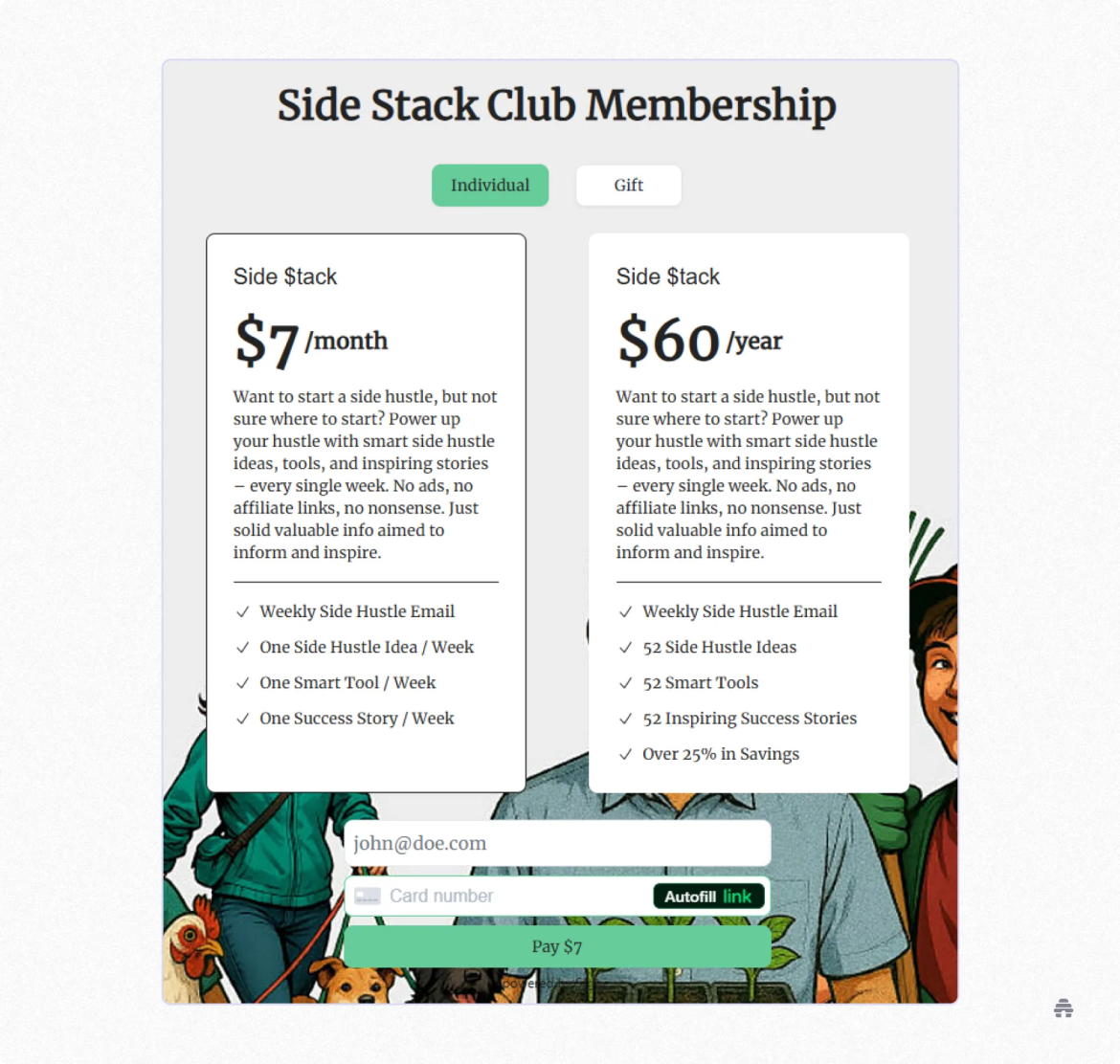
Instead, why not give your newsletter model a predictable recurring income by connecting it directly to a membership website?
Instead of charging for the newsletter content itself, you include it as part of a branded membership subscription.
(Image Source: SideStackClub)
This means creating a dedicated membership website that, on signing up, provides access to resources such as:
This transforms your newsletter monetization strategy. With a loyal audience already paying for exclusive content, your newsletters become more about offering value to your customers than about driving revenue through promotion.
If your newsletter already shares free educational content that your readers regularly engage with, it could be time to include structured learning as a newsletter monetization strategy.
Depending on your niche, this is a chance to monetize your expertise and provide subscribers with a more in-depth guide to your knowledge.
This could include video lessons. Webinars, live-cohort-based programs, and even certification courses and practical assignments.
(Image Source: Part Time Youtuber Academy)
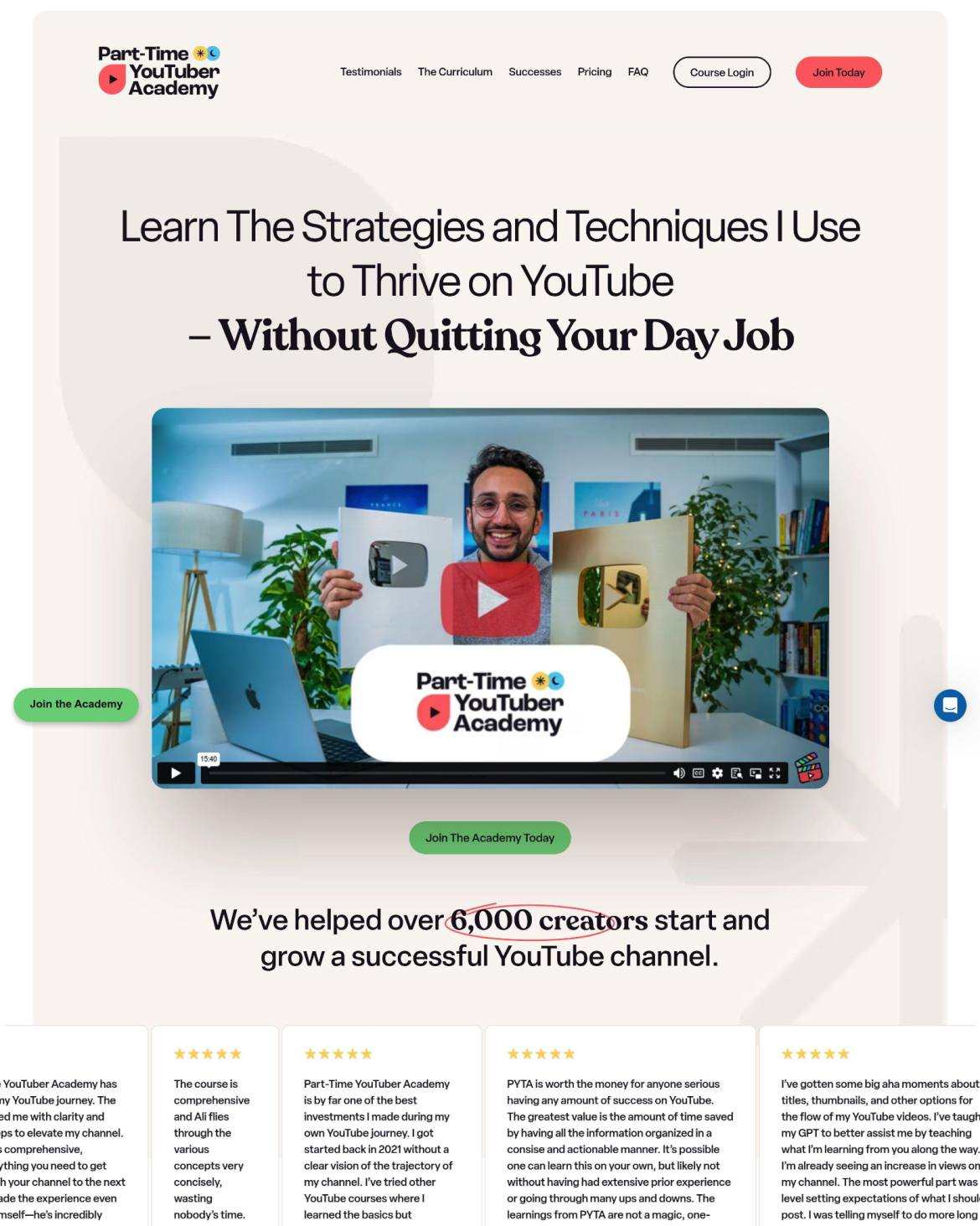
Part-Time Youtuber Academy does this well, offering newsletter subscribers the chance to ‘join the academy’ to learn more about how to become a successful creator.
Offering subscribers courses, step-by-step video content, and more, PTYA’s newsletter monetization approach helps draw in revenue from selling knowledge, rather than advertising a product.
Sponsorship is still important when it comes to newsletter monetization; however, this doesn’t have to come in the form of adding promotional links directly to newsletter content.
Instead, why not build an affiliate resource hub? By creating a dedicated page on your website that lists helpful tools and resources, you provide sponsors with a space to promote their services while gently launching it to your newsletter subscribers.
For example, every newsletter could include a direct link to your tools/resources/platform recommendations page, rather than obvious promos within the content itself.
Some newsletters even center themselves around recommendations. NY Times Wirecutter, for example, even offers a recommendation-focused version of its newsletter that directs readers to its ‘What We Recommend’ section, filled with affiliate sponsors.
(Image Source: Wirecutter)
Essentially, your newsletter becomes the channel that drives traffic to a permanent list of recommendations for continued commission.
When a subscriber navigates from the newsletter to your resources page, each tool link they click on takes them to your affiliate’s website.
If they then sign up or purchase a product using your affiliate tracking code, you earn a commission.
The key difference here is that you’re not selling your newsletter space to sponsors; instead, you’re directing leads to a long-term revenue asset embedded in your website.
Have you ever thought about using your newsletter to sell exclusive events? This growing revenue stream is beginning to dominate newsletter monetization strategies in 2026.
Your newsletter subscribers are likely your most engaged audience, making them the perfect targets for a paid virtual or in-person event. If they already trust your brand’s expertise, are avid followers, or product lovers, they are likely to be interested in workshops, webinars, networking events, and more offered by your company.
Rather than being driven by sponsorships, revenue comes directly from applying to join the event/online session.
Your newsletter is your primary channel for announcing these events and should provide subscribers with instant access to sign up, early bird tickets, and other perks that boost conversions.

(Image Source: Marketing Brew)
Take a look at this example from Marketing Brew, for instance. Their Summit event is promoted in their newsletter, offering subscribers an easy path to checkout to purchase a ticket.
Better still, sponsored by Profound and Hammermill, Marketing Brew also draws in sponsorship revenue.
As we step into a new era of newsletter monetization, sponsorships are no longer the primary revenue drivers for brands seeking inbox ROI.
Subscribers are smarter in 2026. They will only commit to engaging with content that they feel is truly valuable.
To adapt to this, email marketers must move beyond promotion and focus on delivering educational, helpful content within their newsletters.
This is why paid courses, digital aids, and knowledge event promotion work so well in this format.
Brands that prioritize this within their own newsletter monetization strategy will not only rake in more conversions but also create loyal followers in the process.