
How to Define Brand Values That Guide Every Business Decision
Brand values are the principles that guide company decisions, define what a brand stands for, and shape how it treats customers, employees, and partners.
Updated May 5, 2026

Skool is a hub for community learning, but it hasn't caught on with most consumers yet. Who is it for, and can it help your brand connect with your audience?
If you've heard of Skool, it's probably because a coach or course creator mentioned it. Experts use it to build online communities and sell courses on practically any topic. You can join thriving Skool communities for everything from bourbon to AI marketing and pickleball.
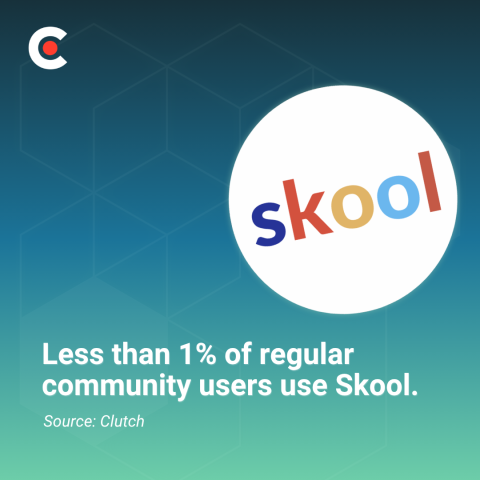
While Skool was founded in 2019, it's still mostly unknown outside of creator circles. Clutch surveyed 413 consumers who regularly use online community platforms to learn about their preferences and how they use them. Less than 1% of respondents used Skool, making it the least-used platform across every age group.
Looking for a Public Relations agency?
Compare our list of top Public Relations companies near you
In other words, while Skool is well-known in creator-economy circles, it's not very visible to actual consumers. And the available content doesn't help. Most of the people who write about Skool are selling something on the platform, not users themselves. This echo chamber makes it difficult to understand how it really works.
We're not here to defend or criticize Skool. Instead, drawing on Clutch survey results, this article explains how the platform works and where it fits into the community marketing space. We'll also break down who it's built for and why its numbers are still low. This objective look will help you decide whether Skool is right for your brand or if you should reach your audience elsewhere.
Skool combines themed online communities with structured course content. Users study specific topics and discuss what they've learned with like-minded peers.
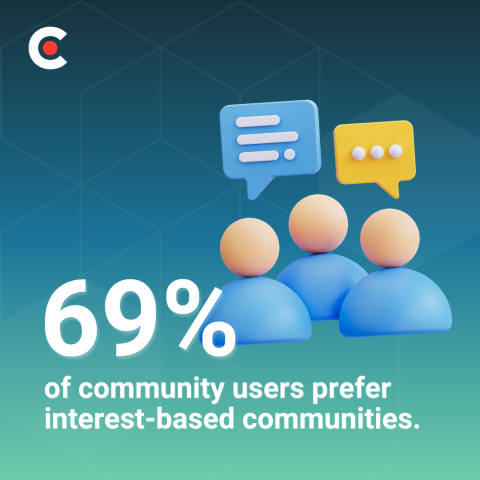
Clutch's survey found that 69% of community users prefer interest-based communities. Traditional community platforms like Reddit allow anyone to contribute and start their own groups.
Skool loosely follows this model, but rather than open communities, it's a walled garden membership tool. The creator of each community controls the entire experience, from developing course content to scheduling events, and only members can enter. This means that interest is filtered through the curriculum rather than through organic peer conversation. If the creator doesn't want to talk about a topic, they can shut down the discussion.
Skool's core features include:
The platform makes it easy to manage membership. Creators can offer free or paid tiers with different levels of perks. Prices for the top-ranked paid courses on the platform range from only a few dollars a month to $6,000 per year for a dating class.
Skool's lower membership isn't a flaw or failure, because it's not trying to attract as many people as more casual spaces like Reddit. Instead, the platform is designed for specific purposes:
In other words, Skool works best for long-term content delivery and relationship building. If you only want to share one-off content, consider putting up a webinar or blog post instead.
Skool has a small learning curve, but it's fairly intuitive. Follow these best practices to create communities that people actually want to join.
People typically join Skool communities with specific goals in mind. One user may want to learn new photography skills, while another is looking for business coaching.
Take the time to spell out what members will gain from your community. Here are a few examples of learning outcomes:
Be specific, and use action verbs to show users what they'll gain from your course. For example, "Learn how to code an iOS mobile app with Swift" is more compelling than "Build a mobile app." By referencing concrete skills, you'll attract people who want to invest in their personal development.
Traditional learning platforms focus on delivering content and quizzing people on their knowledge. Skool makes learning more engaging by adding gamification elements.
Members earn points when other people interact with their content. For example, someone in a sketching community could ask for recommendations on pencils. Or they could create a poll asking how long other members practice each day. Every time someone replies or likes their content, they earn a point.
As users accumulate points, they unlock new levels. You can leverage this system by gating some of your content to encourage participation. Everyone can take your basic courses, but there's bonus content for people who reach level 5. You could also restrict access to more advanced materials until members reach a certain level.
Participants can also compete for spots on your community leaderboards. This feature spotlights the people who have earned the most points over the last week, the last 30 days, and all time. This creates a sense of friendly competition as members try to rack up more points. Some creators even offer fun rewards, such as bonus content.
This simple system makes learning more collaborative. Instead of studying alone, users have more motivation to share their ideas and help others. Points also make it easy to track progress, so members can feel accomplished after every useful post.
Skool's gamification also shifts some of the authority away from the creator. It encourages members to share resources and advice with one another rather than relying solely on their instructor. This approach makes learning more interactive and communal.
Some users may participate in the community feed organically, especially if they enjoy earning points. Others will need gentle nudges to post.
Encourage involvement by building participation in your courses. For example, your first lesson could direct newcomers to a welcome thread where they can introduce themselves and their goals. More seasoned members can jump in to answer questions and share tips.
Scheduling regular peer review sessions also makes participation a habit. Plan Feedback Fridays where people can share what they're working on and get advice. For the most productive conversations, set clear guidelines. These include asking questions instead of making judgments or offering one piece of praise for every critique.
Post more casual check-ins, too. Ask, "What are you learning this week?" or "What have you achieved lately?" These threads give everyone a chance to chime in, no matter where they're at. It also helps build a culture of continuous improvement.
Don't forget to invite people to ask questions. If someone feels confused or stuck, they can post for guidance. As the creator, please respond promptly. These public posts show that you're genuinely invested in your audience's progress.
Skool has a relatively small user base, so you can't count on people randomly stumbling across your community. Instead, use the platform to strengthen your existing relationships.
Focus on engaging people who already know and trust you. Invite new customers to sign up for an onboarding course or personal coaching. This content helps them get more value out of your products or services, increasing loyalty.
You can also develop content for long-term supporters. For example, a business consultant could offer courses on automation and improving employee productivity. This lets your brand keep providing value even after clients no longer need your core services.
Many of your customers have likely never heard of Skool before. Build trust by clearly explaining what your community offers, such as:
Your Skool marketing should also include clear pricing. If you offer paid tiers, outline what members will receive at each level.
That Pickleball School is one community with transparent pricing. The description notes that paid members get "197+ video lessons to learn what to notice on the court" and a "free match breakdown ($150 value)," among other perks.
This transparency helps users understand the value of joining, even if they're not familiar with Skool at first.
Even experienced coaches and course sellers can run into pitfalls on Skool. Avoid these common obstacles:
While Skool is an excellent community-building tool in certain situations, it's not the right fit for every brand. That's not a weakness, just part of the design.
Consider this platform if:
If your brand doesn't check most of these boxes, Skool may not help you meet your goals. Look for alternative ways to share your content, such as a webinar series or Facebook group.
Skool is a creator-first platform for communities focused on education. If your brand fits that model, Skool communities are a great way to share materials and connect with learners. You can build meaningful relationships as you chat with members and watch their progress.
For most brands, though, the consumer data tells a clear story: Your audience isn't on Skool. In fact, they've probably never even heard of it. This makes it challenging to promote courses and grow a following.
Of course, that may change as the platform grows. For now, your strategy should focus on where consumers already spend time. That may be social media, blogs, podcasts, or YouTube.
Ultimately, community marketing decisions should always start with the audience, not a specific platform. Are your customers on Skool? Great — show up and deliver amazing content. If they're not, meet them where they're at. By drawing on consistent principles of authenticity and peer-driven value, you can provide excellent content anywhere.