
Why Salesforce Staff Augmentation Is Becoming a Strategic Choice
Salesforce staff augmentation is no longer a stop-gap. Learn why more businesses now use external specialists to access expertise, move faster, and scale...
Updated June 19, 2026

Cybersecurity is critical for businesses of all sizes. The role of cybersecurity is emphasized by the concerning increase in cybercrime. In this article, we’ll discuss how new technologies influence cyber threats and what businesses can do to protect themselves.
Cybersecurity shouldn’t be overlooked, especially considering how the digital world has transformed with the rise of emerging technologies like AI. Every year, companies and organizations face a wearisome obstacle — the increasing number of malicious cyber attacks.
2024 saw an unprecedented record-breaking spike in the average number of weekly cyberattacks per organization. Data shows that the cybersecurity incidents climbed to 1,876 per week, flagging an unnerving 75% year-over-year jump.
Looking for a IT Services agency?
Compare our list of top IT Services companies near you
Because of the surging number of cybersecurity threats, business owners and decision-makers now view cybersecurity as essential for their success.
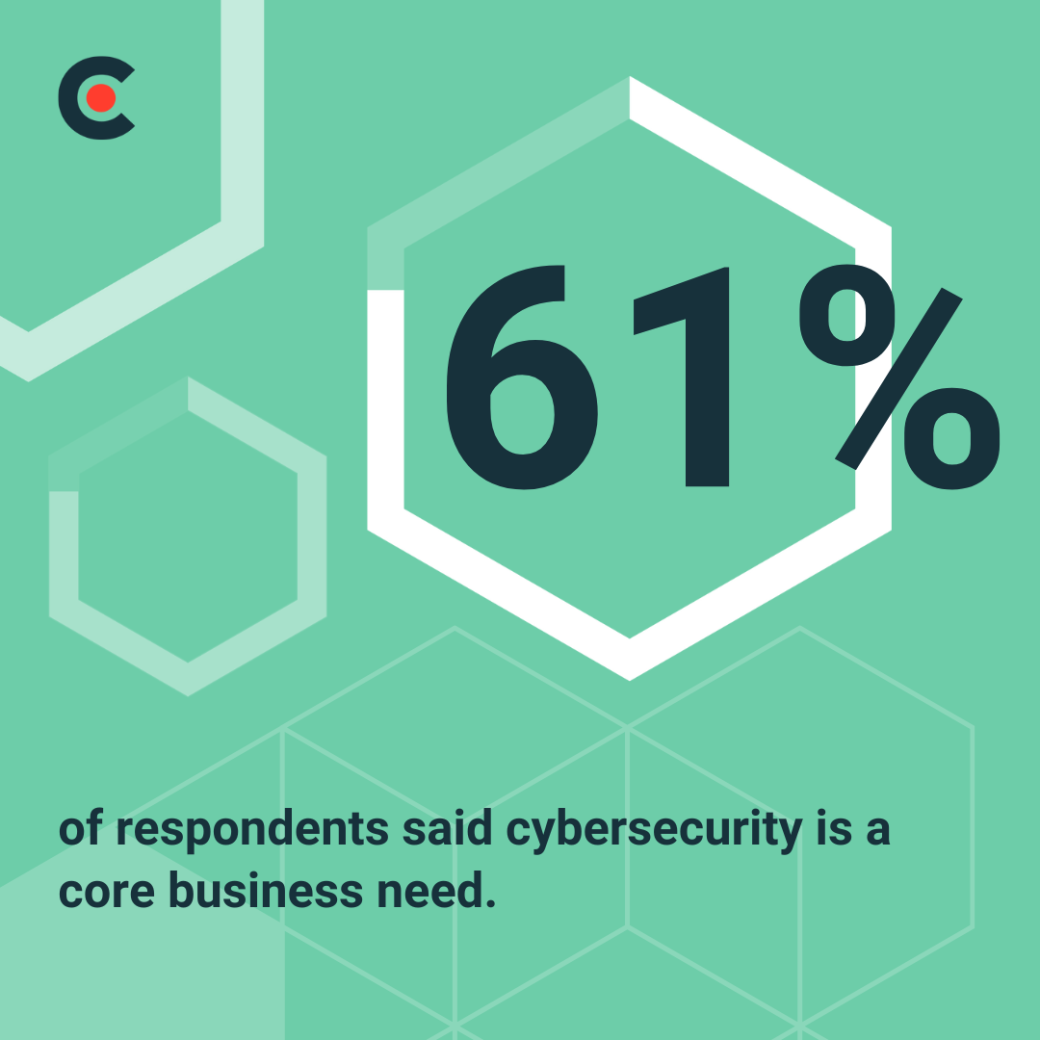
Clutch’s latest survey on 500 SMB leaders shows that 61% of respondents said cybersecurity is a core business need, reflecting a rise in cyber threats and data breaches.
This article tackles the growing demand for cybersecurity and how innovations also pushed cybercrime to new heights.
Read more about the survey in ‘The Small Business Growth Playbook for 2025’
Today’s business world is more connected than ever. Technology is progressing at a rapid pace and companies need to adopt new strategies to keep up with intense competition and market demands. Investing in cutting-edge technologies and solutions is a requirement to survive.
Yet, as businesses invest more into these solutions, they inadvertently increase their risk of a cyberattack.
Organizations need to strategically shield themselves from threats like ransomware attacks, data breaches, and phishing schemes in order to protect their data and other digital assets. For many businesses, this isn’t just about protecting their business and saving their money — it’s about ensuring their integrity and building customer trust.
The rise of artificial intelligence and cloud computing offer invaluable benefits for businesses; but their development also means more opportunities for cybercriminals looking to exploit businesses.
The smarter our technology gets, the smarter the attacks become. Here are some examples of new technologies impact cybersecurity threats:
Emerging technologies can help both businesses and cybercriminals. As businesses adopt these innovative technologies, it’s important to understand not just their benefits but also how law-breakers can leverage those for their illicit work.
Check out our interview with Jane Frankland about evolving AI-powered threats “Navigating Cyber Threats in 2025”
The line of cybercrime grew so lucrative that it can technically be considered the third-largest economy in the world behind the United States and China. According to expert projections, the global cost of cybercrime is expected to rise to around $10.5 trillion by 2025.
Several industries are especially more vulnerable and susceptible to cyberattacks.
Cybercriminals are highly strategic when selecting their targets. They often target low-hanging fruits, companies with high-value data, or businesses that seem to have outdated IT infrastructure.
Financial institutions, medical providers, and government agencies are some examples of targets with high-value data. These sectors hold a wealth of sensitive data that can be used for extortion, blackmail, or even physical harm.
Black hats also often perceive SMBs as low-hanging fruits because of their relatively smaller infrastructure compared to larger corporations. An alarming 61% of SMBs were targeted by cyberattacks, and the percentage grows every year.
The biggest mistake businesses make is thinking that they are not the likely targets for cyber attacks. This false sense of security is a glaring sign of complacency and a fatal flaw that cybercriminals love.
Despite concerning threats looming over, businesses must remember that they aren’t helpless. Basic security measures like strong passwords and firewalls are part of a comprehensive cybersecurity policy, but those alone aren’t enough. Here are smart steps companies can take to fortify their digital defense:
Outdated software is a major vulnerability that hackers can use to exploit data, gain unauthorized access, and other malicious activities.
In 2024, Change Healthcare, a revenue and payment cycle management services provider, was the victim of a devastating 6TB data breach that impacted hundreds of millions of individuals. The main vulnerability was traced back to the company’s usage of outdated software for tasks like payment processing. It was also found that the company lacked extra precautionary measures such as Multi-Factor Authentication (MFA).
Updating software systems regularly and on time is the most foundational part of practicing responsible cybersecurity.
Frequent software, and even hardware, updates are vital for performance optimization, stability, and protection against potential risks. Updates usually contain patches and bug fixes for new security vulnerabilities, preventing hackers from exploiting flaws.
It’s impossible to predict when and how malicious cybercriminals will attack. Developing an effective and efficient cybersecurity incident response plan should be prioritized to minimizing damages and curbing threats.
Dealing with a malicious cyber incident is overwhelming. Being prepared allows businesses to react accordingly to contain and eradicate the threat without panicking.
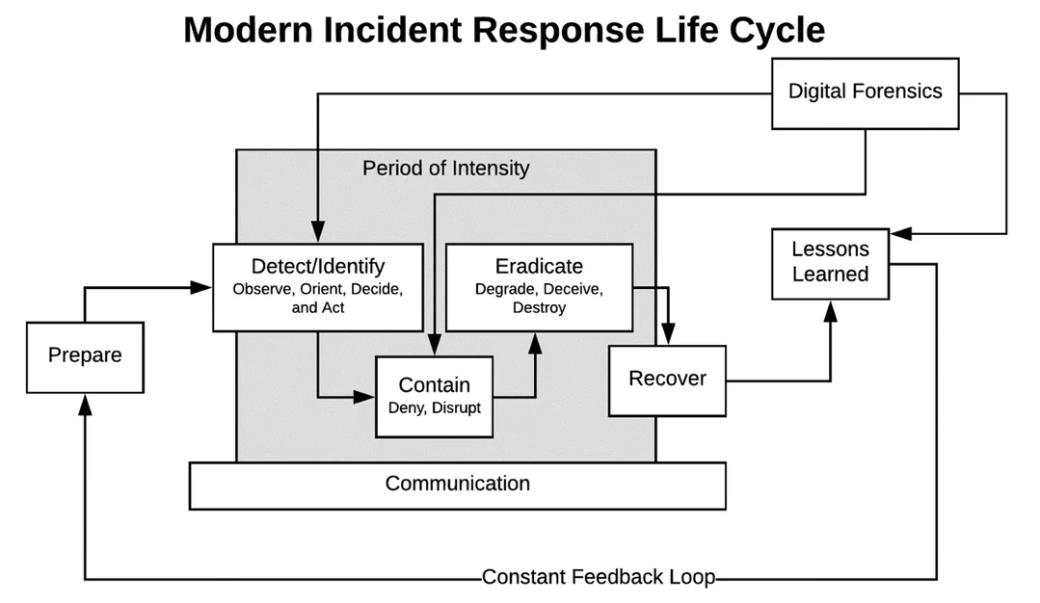
Extensive incident response strategies are detailed and methodical. It should have a plan for every type of cyberattack, from insider threats to phishing attacks.
Beyond having a top-notch IT department, businesses need to make an effort to improve every employee’s digital literacy and cyber hygiene.
Employee security awareness is unfortunately often overlooked, and cybercriminals prey on those underskilled employees. Even the staff members who only use simple tools like emails and project management solutions aren’t exempted from possible cyber threats.
IBM reports that 95% of data breaches are caused by human error. Chief information security officers (CISOs) also cite it as a top cybersecurity risk, emphasizing the frightening jump in social engineering cases.
Whether it's skill-based or decision-based errors, businesses need to prioritize reducing them by providing regular cybersecurity training for employees. Courses like detecting fraudulent emails, managing passwords, and device security training are just some programs that should be mandatory across all employee levels.
Almost all businesses rely on computers, machines, and other types of physical devices to operate – they are the Internet of Things (IoT), a network of interconnected devices.
If these devices are not properly protected, they give cybercriminals a clear gateway into your digital networks. IoT cybersecurity is important to ensuring threats and potential disruptions are avoided, regardless if the company operates remotely or in one office.
Poor IoT cybersecurity makes organizations at risk from attacks such as malware, denial-of-service (DDoS), and botnets.
In 2024, a malicious actor known as “Matrix” used IoT devices with poor security to deploy the Mirai botnet malware. Experts cite weak security credentials, unpatched vulnerabilities, and misconfigured devices as the main shortcomings that made the attack possible. The case heightens the need for tighter and improved IoT security.
Most small and mid-sized businesses lack the resources necessary to build a separate cybersecurity team to handle their needs. Outsourcing cybersecurity provides a robust and cost-effective solution to ensure digital assets have round-the-clock protection.
Outsourcing is also great for businesses that require industry-specific expertise or experience. Third-party service providers may have important knowledge on relevant regulations and compliances for certain sectors.
Learn more: 'What You Should Really Be Spending on Data Security.'
No one can tell how the landscape will change over the next few years and how malicious actors will come up with ways to expose vulnerabilities. Cybercrime is a terrifying bank robbery that can’t be seen by the naked eye, but that doesn’t mean businesses don’t have the means to safeguard themselves.
Proactive cybersecurity measures are necessary investments. No ifs and buts because underestimating its importance can lead to horrendous consequences.
Partner with a top-tier cybersecurity agency from Clutch and work with professionals dedicated to protecting your business.