Lead Quality vs. Lead Quantity: Why B2B Teams Are Rethinking Their Funnel in 2026
Bigger buying committees and tighter budgets are forcing B2B teams to rethink lead quality vs. quantity. Here's how top teams rebalance the tradeoff in 2026.
Updated July 28, 2026

A practitioner's guide covering how to combine GA4 event data, social influence, and offline touchpoints into one honest picture.
Most B2B attribution is a story people tell after the deal closes. Someone opens the last-click report, sees paid search, and calls that the reason.
The webinar, the partner intro, and the rep who chased the account for four months, none of it shows up.
Looking for a Digital Marketing agency?
Compare our list of top Digital Marketing companies near you
Omnichannel attribution ties those moments together so credit lands where the buying actually happened.
It used to be optional. Now it's the floor: third-party cookies are disappearing, and privacy law has teeth.
You can still measure. Cookieless just means relying on first-party data, consent, and modeling instead of tracking a single anonymous user across the web. That trail isn't coming back. Build for the world you're in.
B2C attribution gets to cheat. Short path, one person, one decision. Someone sees an ad, buys the shoes, done.
B2B doesn't work like that.
Gartner has found that a typical buying group comprises 6 to 10 decision-makers, each bringing their own research and reasons to say no.
The timeline stretches across months. Credit gets impossible to assign cleanly, because there was a committee slowly talking itself into a yes.
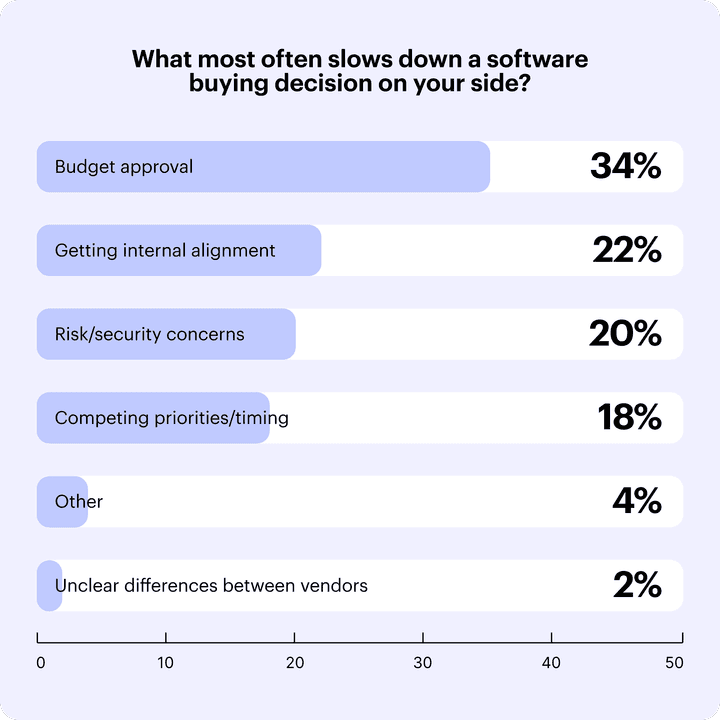
And the touchpoints are split into two categories that behave nothing alike:
Here's the problem that wrecks most models. The offline touches tend to carry the most weight late in the cycle, exactly when the deal is being won, and they're the ones your tracking never sees.
Jason Ledbetter, an Operator at Jason Ledbetter, whose B2B marketing work puts him in front of pipelines where a single deal touches a dozen people before anyone signs, has watched attribution break on exactly this.
"The deals that close never trace back to one channel. Somebody saw a webinar, somebody else got a case study forwarded by a colleague, and a third person only came around after a call,” said Ledbetter “Hand all the credit to whatever happened last, and you defund the things that did the real work. I have watched teams cut the exact campaigns feeding their pipeline because the report told them those channels did nothing."
So the model over-credits the last digital click and under-credits the six months of relationship-building that got the buyer to that click in the first place. You end up funding the finish line and starving everything that ran the race.
GA4 gets a lot of hate, most of it from people who wanted it to be Universal Analytics with a facelift. It isn't. It's a different tool built for a different problem, and that problem happens to be yours.
The core shift is from sessions to events. Instead of measuring visits, you measure actions: a document download, a demo click, a video watched to the end, app usage that maps to intent.
For B2B, that's the whole game, because the signals that predict pipeline aren't pageviews. They're the small, specific things a serious buyer does.
Two features earn their keep:
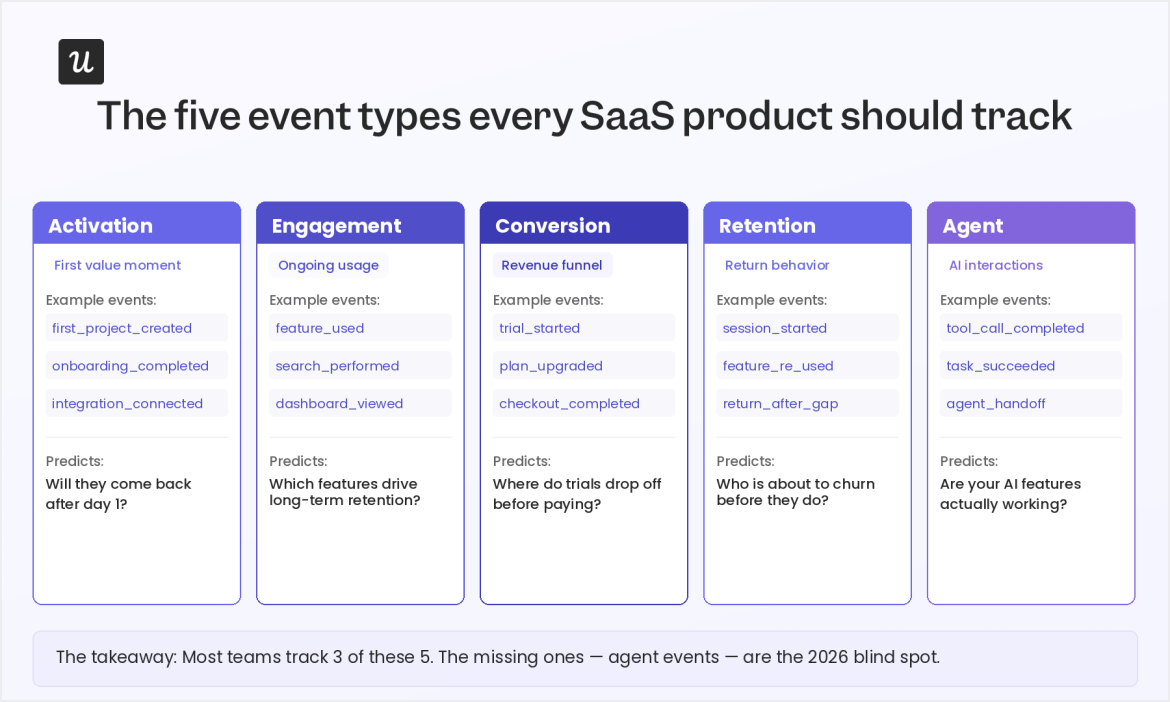
The rest of what people cite, like cross-platform measurement, conversion modeling, and data-driven attribution, matters because it was designed for a world where user-level tracking keeps degrading.
GA4 fills gaps with modeling on purpose.
Social is where B2B buyers do their homework in private.
They scroll LinkedIn between meetings. They save a case study and never open it again. They watch a founder argue with someone in the comments and quietly form an opinion about the company.
But none of that fires a conversion. Most of it happens years before anyone is ready to buy.
LinkedIn's B2B Institute puts numbers on it with the 95-5 rule: at any given moment, only about 5% of your market is actually in buying mode.
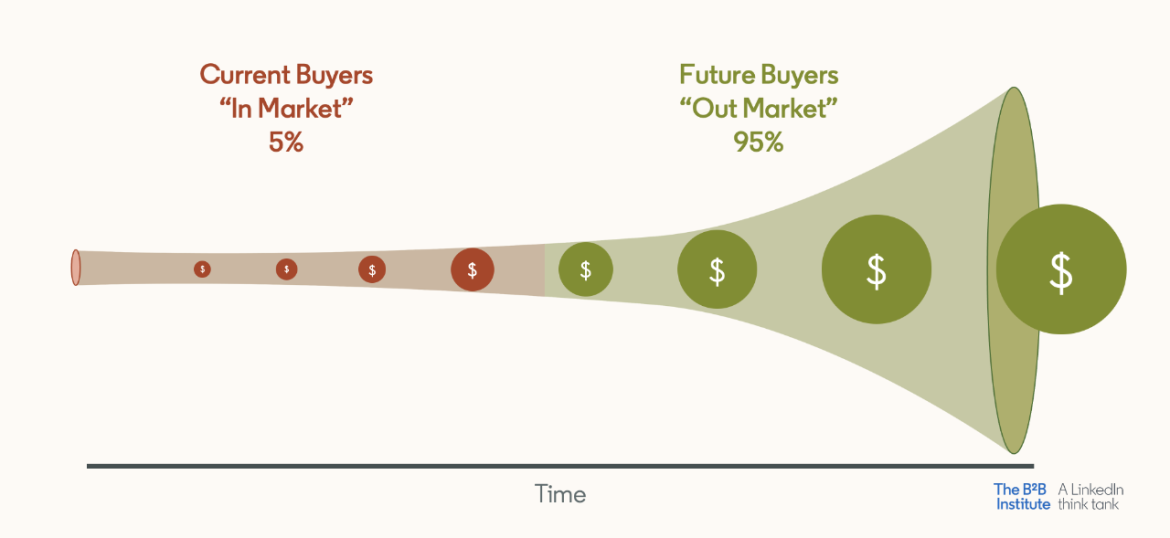
The other 95% are building the mental shortcut that makes them think of you later.
Daniel Apke, Founder of Land Portal, built an audience in land investing by answering the questions buyers sit with for months before they are ready to purchase anything.
Apke says, "Most of the people who eventually pay us spent a long time reading and watching first, and never clicked an ad on the way in. By the time they reach out, they already trust us, and none of that trust is traceable to a campaign. Measure only the last step, and you miss the entire relationship that made the last step possible."
Which is a measurement nightmare, and it got worse.
Apple's AppTrackingTransparency and the IDFA opt-in after iOS 14.5 gutted cross-app tracking.
The ad platforms lost a huge chunk of the signal they used to reconcile an impression to a conversion. So you stop chasing the click and start building your own evidence.
What actually holds up:
The goal is to give it credit for the influence it genuinely earns, which is mostly upstream and mostly invisible.
This is the section that decides B2B deals.
A handshake at a conference. A dinner where a prospect finally trusts you. A partner introduction that skips six months of cold outreach.
These moments carry more weight than almost any ad you'll run, and by default, they leave zero trace in your analytics.
The fix is discipline at the point of contact, capturing the moment where it happens and feeding it back into the digital system so it stops being a ghost.
Concretely:
David Lamulle, Owner of Lamulle Construction, runs a third-generation family firm that has won most of its work through referrals and long-term jobsite relationships rather than online leads.
"Hardly any of our biggest projects started with a form fill. They started with a general contractor putting our name forward, or a client from years back calling because they trusted the last job. That trust does not show up anywhere in a click report,” said Lamulle. “It is the thing that actually wins the work, and if your measurement only counts what happens on a screen, you are crediting the wrong moment. The relationship comes first. The website visit comes after."
Do this, and the ROI picture stops flattering your digital channels and starts telling the truth.
The trade show that looked expensive turns out to have touched half your closed-won pipeline. You just couldn't see it before.
Privacy isn't an obstacle you route around. It's the rulebook, and treating it as friction is how you end up with a compliance problem and a broken measurement stack at the same time.
Nick Mendez, Founder and Managing Partner at Horton & Mendez, believes privacy-first measurement is ultimately about governance, not limitation.
Mendez says, "It's easy to assume better measurement comes from collecting more information, but that's not always the case. The stronger approach is to collect information with a clear purpose, be transparent about how it's used, and build processes people can trust. When organizations make those principles part of their day-to-day operations, they create a stronger foundation for both informed decision-making and long-term trust."
GDPR in the EU and CCPA/CPRA in California set the terms: consent, purpose limitation, real user rights over their data.
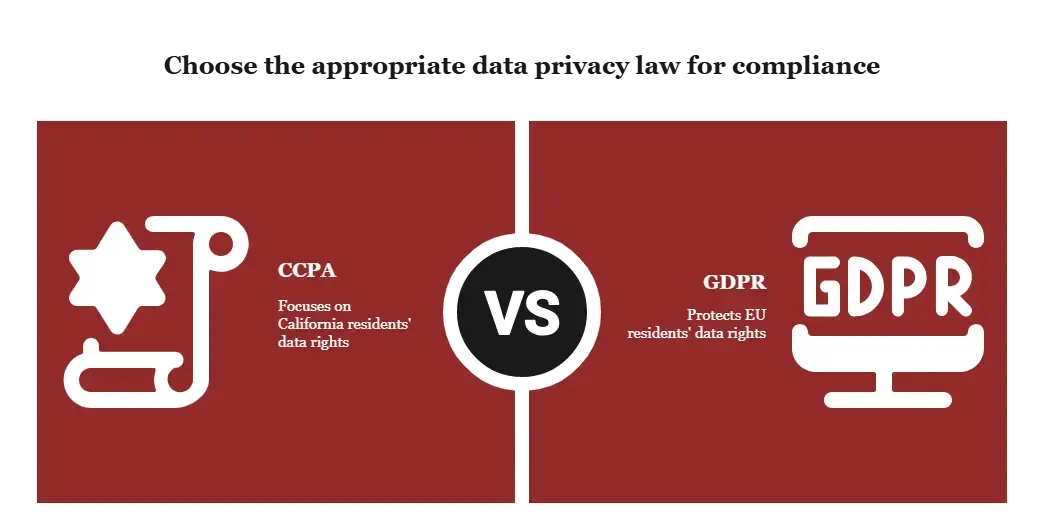
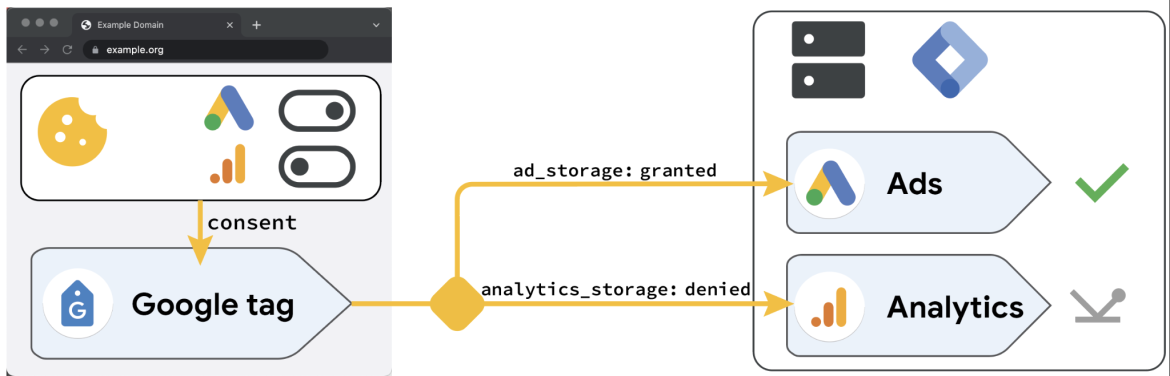
Ad tech is moving in the same direction, browser restrictions tightening, and standards like Google's Consent Mode stepping in to keep measurement functional by modeling conversions in aggregate when a user hasn't opted in.
The setup that keeps you both legal and measurable:
The teams that treat privacy as a feature keep their tracking working and their reputation intact. The ones who treat it as a box to check lose both, usually in the same week.
None of this works without agreement on what the words mean. Half of all attribution fights are actually definition fights in disguise.
What counts as a high-intent conversion, a qualified opportunity, a closed-won deal, locked across marketing, sales, and ops. If those three teams are using the same word for different things, every downstream number is fiction.
A UTM and naming taxonomy, a GA4 event schema for the actions that matter, everything synced to the CRM. Campaigns should map one-to-one across systems, or reconciliation eats your week.
GA4's data-driven attribution for the digital layer, offline conversion imports and CRM funnel analysis for the parts it can't see, marketing mix modeling where the data is too sparse to trust anything else.
Put the "How did you hear about us?" answers on the dashboard next to your click data. The contrast is the point.
Jesse White, General Manager at Balance Point Heating, Cooling & Plumbing, knows that some of the company's most valuable leads come from relationships that traditional attribution tools struggle to measure.
White says, "The numbers in our dashboards tell part of the story, but they don't capture the conversations happening between neighbors, friends, and past customers. We ask every customer how they heard about us because that's where we consistently see the real impact of our reputation.
The simplest field on our form, the 'How did you hear about us?' question, has told us more than any tracker because it captures the referrals that automated tracking tools often miss."
CMP, server-side tagging, Consent Mode v2 in GA4 and Google Ads. Retrofitting this later is miserable.
The through-line across every team is that marketing, sales, and IT are actually talking, data moves cleanly between platforms, and everyone works from the same definitions and dashboards.
When that holds, the ROI story becomes something the whole org will believe. When it doesn't, you have seven dashboards and no truth.
The direction is set: more modeling, less raw tracking, and collaboration that doesn't require exposing anyone's data.
The pattern underneath all of it: the signals get coarser, and the modeling gets smarter. Teams that invest in the models now stay measurable when the last of the old identifiers go dark.
Teams that wait end up rebuilding their entire measurement approach under deadline pressure, which is exactly the wrong time.
Stop trying to reconstruct perfect user paths. That version of attribution died with the third-party cookie, and it isn't coming back.
Go look at your current model with fresh eyes. Build a version that matches how your buyers actually buy, not the one that makes last week's report easy to run.