Lead Quality vs. Lead Quantity: Why B2B Teams Are Rethinking Their Funnel in 2026
Bigger buying committees and tighter budgets are forcing B2B teams to rethink lead quality vs. quantity. Here's how top teams rebalance the tradeoff in 2026.
Updated September 25, 2025

Live shopping events let brands present their products and engage with consumers through an interactive format. It's the next evolution in e-commerce and social selling, and it's time to get in on the ground floor.
The streaming revolution has completely changed the way people shop. Today's consumers have 24/7 access to conversations about brands, products, and trends. They're building real-time connections that turn brands into communities and purchases into expressions of identity.
Video is one of the cornerstones of this trend. It's easy to consume and feels more immediate and personal than other formats, making it highly influential.
Looking for a Digital Marketing agency?
Compare our list of top Digital Marketing companies near you
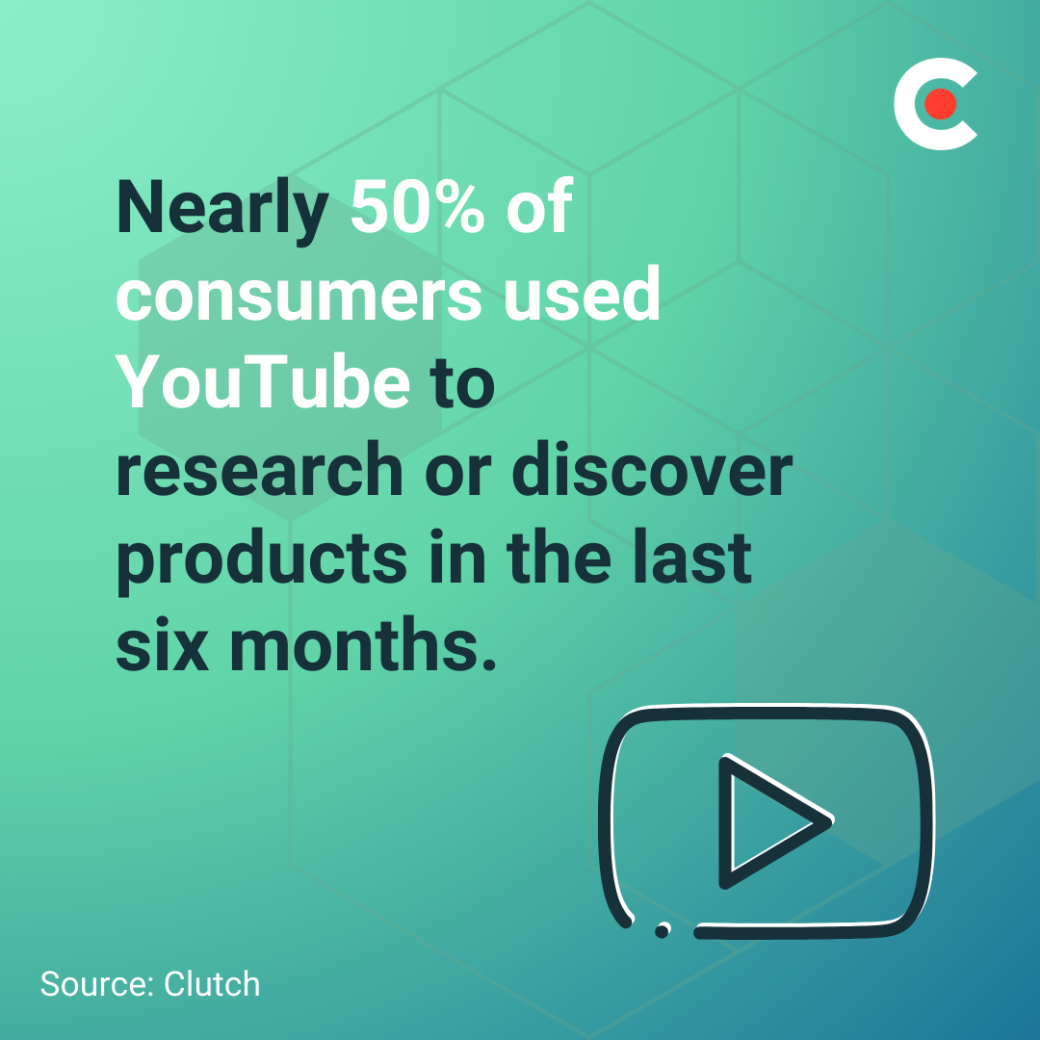
Clutch asked consumers about their thoughts on online shopping and the role of social media in their purchasing decisions. Of the 483 consumers we surveyed, nearly 50% reported using YouTube to research or discover products in the last six months.
Video isn't going anywhere. If anything, it's evolving. The latest trend is live shopping events, also known as livestream shopping.
This article will explore the rising trend and how platforms are integrating live shopping tools. Keep reading to learn how brands can get on board — and how live shopping could impact customer expectations.
Read more about the rise of shoppable content and social commerce in our latest Clutch report.
Video has transformed media consumption and consumer research. In a new study by Kantar and Google, 45% of U.S. viewers reported a preference for video over text or audio when researching to make a decision.
Shoppers want to see products in action before making a purchase, and video meets that need. YouTube, in particular, is full of explainer videos, how-to guides, and product demonstrations.
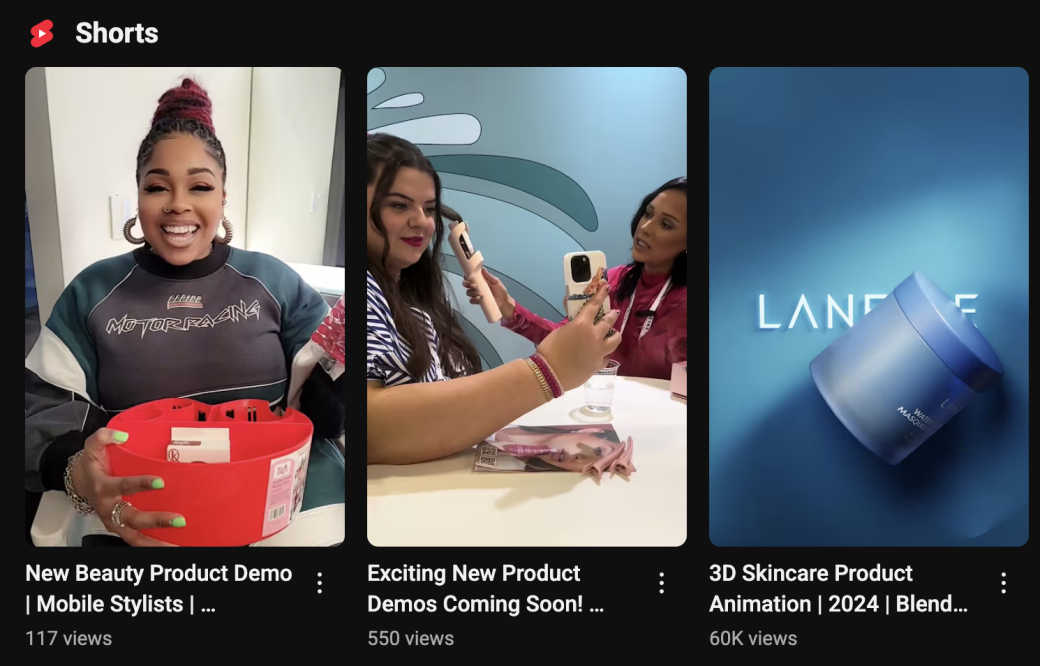
The main drawback has been a lack of interactivity. Shoppers can comment on videos and send direct messages, but most online videos don't provide the opportunity for real-time feedback.
Live shopping events take video commerce to the next level. By allowing consumers to browse and shop in real-time, these events are becoming the next big trend in social selling.
Live shopping is the 21st century's answer to TV shopping channels, but with an interactive element. It's a real-time video stream. A brand representative or influencer showcases products on a live video stream, allowing viewers to click directly through to purchase linked products.
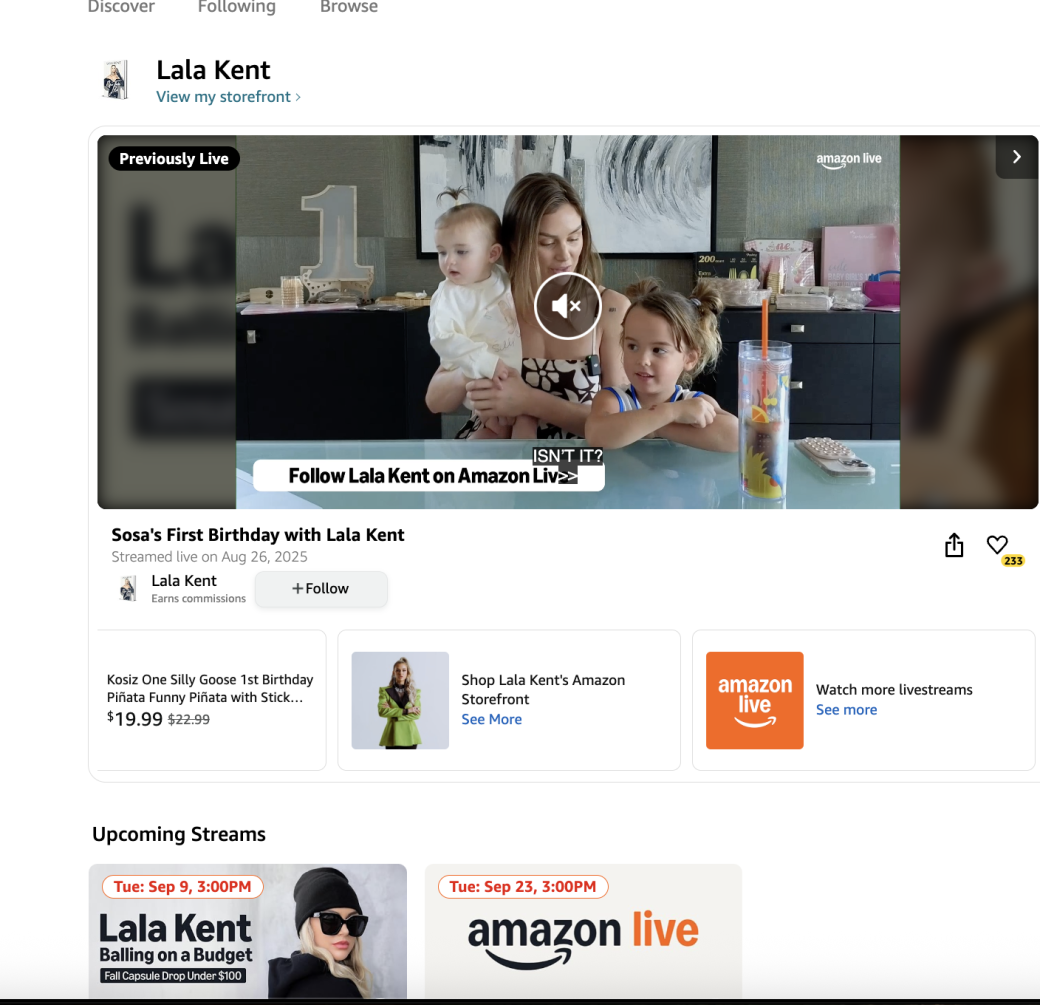
This dynamic format blends multiple elements of successful e-commerce, including influencer culture, real-time buyer reviews, and incentivized impulse buying. Consumers appreciate the social validation that comes with a face-to-face brand community.
Shopping events typically take place on social or shopping platforms, which offer the benefit of a familiar format. Some of the leading platforms include:
Another option is to use a dedicated social commerce platform, such as TalkShopLive or ShopShops. These platforms get you in front of consumers who are in a shopping mood.
Live formats offer the best of in-person and online shopping, in one convenient package. They provide:
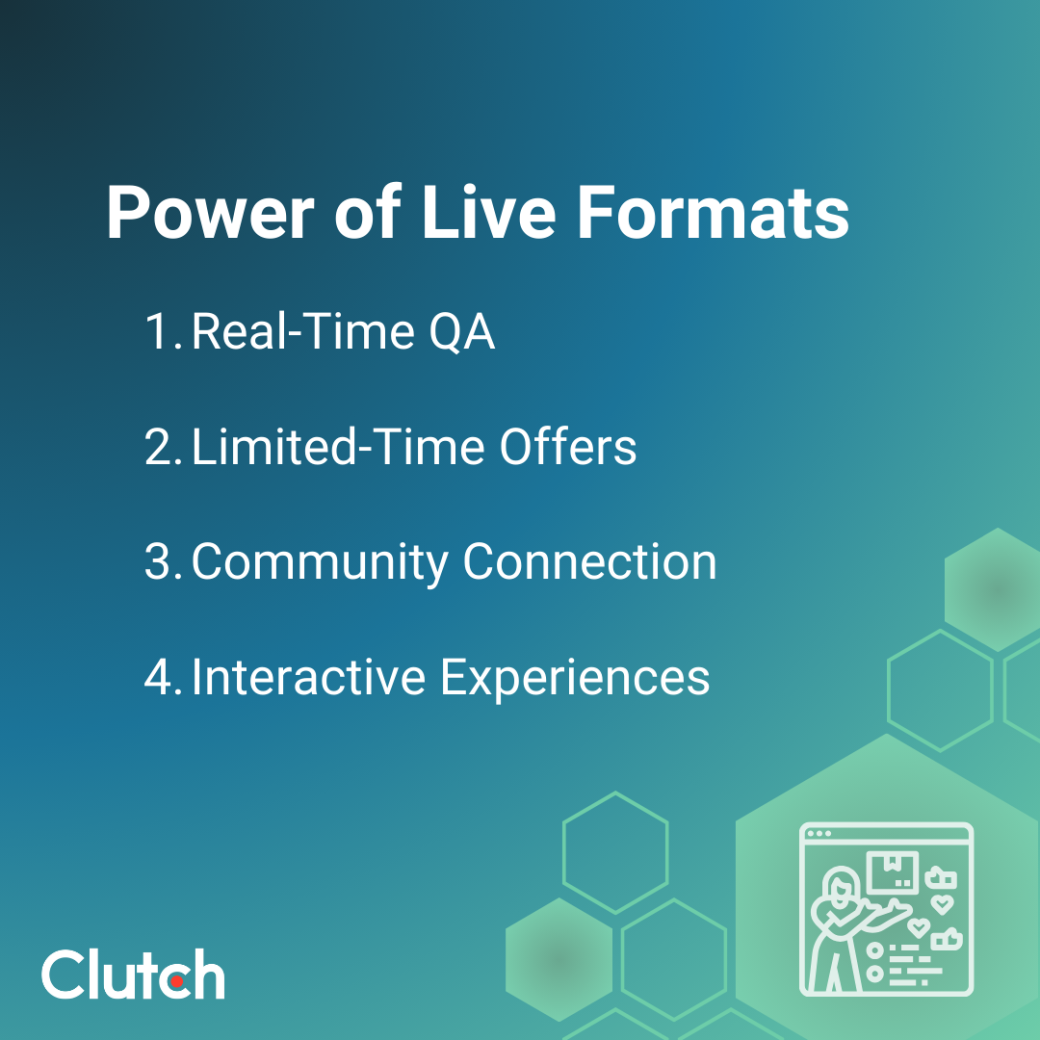
A common thread with live shopping is the power of connection, which leads to trust and authenticity.
Successful live shopping events may feel spontaneous, but strategy is as essential as in any other type of selling. If you're planning to venture into the world of social selling, follow these steps to set yourself up for success.
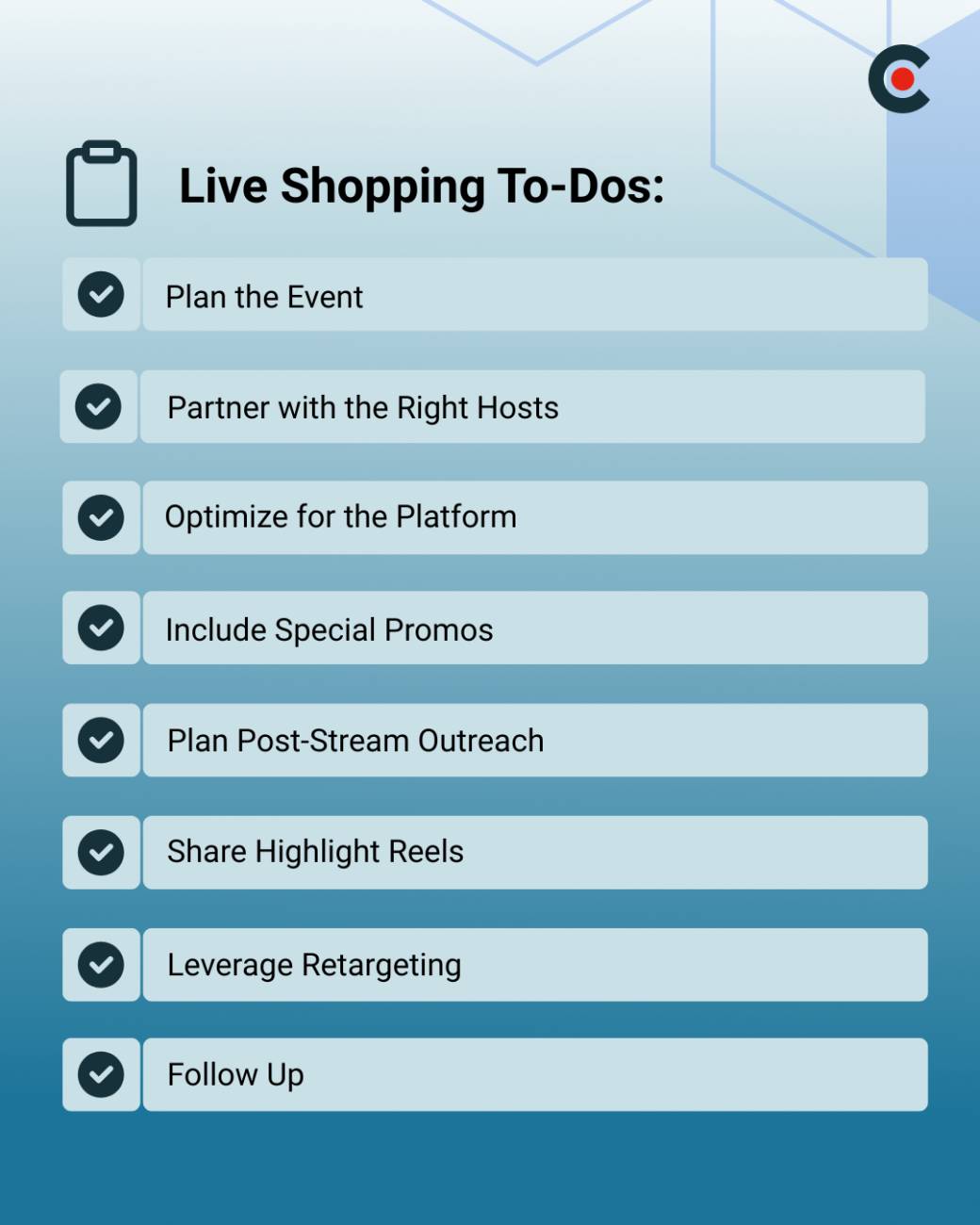
Start by brainstorming the basics of your livestream. You'll need to:
Your host is the face of your live shopping event. They need to be engaging, knowledgeable, and relatable. The host should align with your brand identity and the demographics of your target audience.
In a YouTube video by Live Selling School, professional TikTok livestream host Julian Erbil explains that professional live shopping hosts have a unique skill set. They are effective salespeople and entertainers, able to convey the sensory experience of using a product. Erbil found his live-selling job on Indeed, where he saw jobs paying between $20 and $40 an hour.
Another possibility is to ask an influencer to host your stream. Influencers can boost your sales by helping you reach a wider audience — assuming their audience is a good match for your product. Before hiring, check the demographics of their followers and the types of products they promote.
It's best if your host has sales experience. A name and personality are no longer enough to sell a product, especially on longer-form video. An influencer host should be capable of making the product the star.
The third option is to choose an in-house host for your live stream. An internal host works well if you have a staff member in your target demographic who is a great communicator and genuinely enthused about the product.
These internal hosts can be the most relatable and genuine sellers. They may not be professional salespeople or influencers, but they have an authentic connection to what they're selling, and they can build a meaningful relationship with their audience.
Remember, you can always run a test stream if you're unsure whether someone has the skills for live selling.
Before you delve deeper into the details of your event, such as its structure or products to promote, take the time to get to know your chosen channel. Explore the features of your preferred channel and watch a few videos to learn how hosts interact with audiences. Each brand will likely have its own approach to the process, so feel free to adopt the approach that works best for you.
Urgency and exclusivity are sales techniques that work particularly well in the live selling format. People don't want to miss out on something exciting, and they love knowing they have access to something others don't. A live shopping event delivers on both desires, and a promotion amplifies the effect.
Time your promotions carefully, especially if you include more than one. Build interest and engagement before announcing your first promotion. Announce the promotion and explain how to take advantage of it, then remind people of it later before it ends.
Live shopping events are effective because they create a shared moment in time, fostering a sense of community and engagement. Shoppers tune in because they want to be "in the know" and get something others might miss. It's crucial to capitalize on that exclusivity, but don't let it be a limitation.
You can expand your reach post-event by sharing recaps with your broader audience and giving attendees another chance to benefit.
Review the footage from your live shopping event and pull out favorite moments, such as the introduction of a new product or a moment that received exceptionally positive feedback. Showcasing the host's and audience's excitement can encourage more interest.
Edit your highlights into a reel and post it strategically across platforms. If you use a social media platform, such as YouTube or TikTok, feature the highlight reel as a regular post. Make sure the description includes clear instructions on how to access the product.
Retargeting can help you generate more sales from attendees, while also attracting audiences who showed interest but didn't attend. The key is to identify potential customers and follow up with the right message. There are a few different approaches you could use, including:
The more specific your retargeting can be, the better. You want to remind people about what they enjoyed — or would have enjoyed, if they missed the event.
Maintaining the connection is essential after a live shopping event. Send thank-you messages to buyers and reply to anyone who messages you about the event or the products you highlighted.
Live shopping isn't a gimmick or trend. It reflects a larger shift in the way today's e-commerce consumers want to engage — one that is video-first, community-driven, and real-time. It signals the integration of social media and e-commerce stores.
Live events are the future of social commerce, and now is the time to master them. If you can do that, the future of social commerce is yours.