
12 Years With Clutch: How Intuz Builds on a Partnership That Delivers
A Relationship That Has Stood the Test of Time Intuz is an AI consulting and development company established in 2008, with operations in Silicon Valley...
Updated March 12, 2026

Sustainability is moving beyond reports into everyday operations. The companies making real progress are the ones tying energy use, infrastructure decisions, and procurement standards directly to systems that already drive business decisions.
For a long time, sustainability in B2B (or any other industry, really) was symbolic. Maybe a short section on the website, or a slide in an annual report.
That changes quickly when a large client sends an RFP.
Alongside pricing and capabilities, the questionnaire starts asking about emissions tracking, energy sources, and supplier policies.
Sometimes it’s a simple checklist. Other times, it’s a detailed disclosure request before pricing discussions even begin.
So now, sustainability isn’t just messaging. It can affect whether you win the contract.
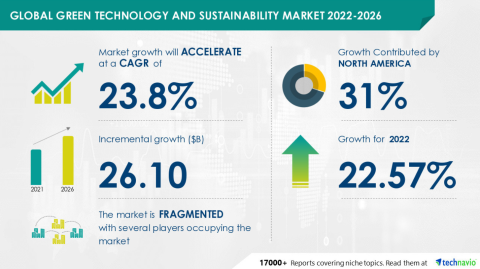
Not being sustainable could also mean you’re breaking the law.
The EU’s Corporate Sustainability Reporting Directive mandated sustainability reporting for thousands of companies, including non-EU firms operating in the EU.
California’s climate disclosure laws require large companies conducting business in the state to report emissions and climate risks.
Here are some strategies to help your company get ahead:
As we’ve seen above, large buyers are increasingly incorporating sustainability criteria into vendor evaluations. If you work with enterprise clients, you’ve probably seen it.
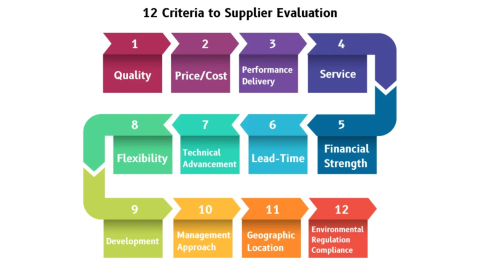
The laws affect them, and hence, whether they pick you.
But there are other reasons you should care about this.
Energy efficiency reduces operational costs, green certifications open doors to new contracts, and sustainable supply chains build resilience.
Companies that integrate sustainability outperform their peers in client retention and acquisition. You’re cutting costs and helping them comply with the law. That has to count for something, doesn’t it?
For years, companies relied on renewable energy certificates. Buy them, check the box, move on.
That approach is losing credibility.
Now organizations are matching the electricity they use with carbon-free power hour by hour. It’s a harder standard to meet, and it forces teams to look at when systems are actually running.
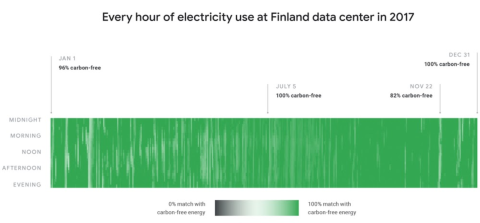
Large tech companies pushed this model early. Initiatives like RE100 helped normalize it.
But that’s not where most of the day-to-day change happens.
The real shift shows up inside engineering teams once they start measuring carbon impact.
The first report is usually uncomfortable: idle resources everywhere.
Staging environments that never shut down. Test clusters are running overnight. Instances nobody remembered to terminate.
The same problem appears almost every time.
It’s bad for emissions, and from a business perspective, it’s money leaking out of the infrastructure budget.
Large buyers increasingly run suppliers through disclosure frameworks before contracts move forward. EcoVadis and CDP show up often in those evaluations.
If you’ve never tracked emissions data, that gets awkward fast. You’ll have nothing to show enterprise clients.
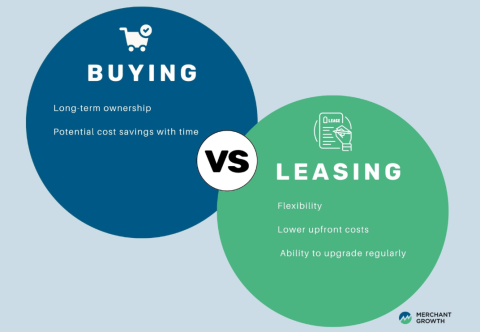
As for hardware practices, many companies lease devices instead of buying them outright. Laptops stay in circulation longer, while older machines are reassigned internally or sent through certified IT asset disposition programs rather than discarded.
The scale of the waste problem makes the change hard to ignore. The Global E-waste Monitor estimated that 62 million tonnes of electronic waste were generated in 2022, and only a fraction was formally recycled.
On the bright side, remote work ended up reducing emissions more than many companies expected. Fewer commutes. Fewer flights. Less office energy consumption.
Tyler Denk, Co-founder & CEO at beehiiv, says one of the less obvious effects of digital-first operations is that companies stop normalizing a lot of low-value activity around communication itself.
He says, “When communication is designed to work well online, you stop building extra processes. Fewer check-in meetings, fewer one-off trips, fewer physical touchpoints just to keep momentum from slipping. A lot of what companies think of as necessary coordination turns out to be compensation for weak systems. Once that changes, the operational footprint gets smaller almost by default.”
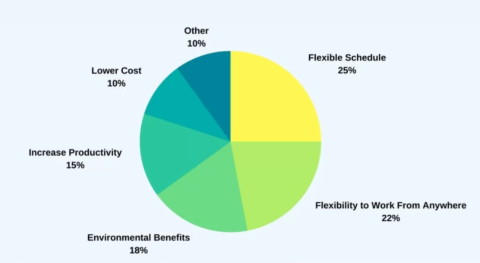
Another shift shows up when companies move routine operations online. Even small businesses that once relied on physical offices, printed forms, or manual booking processes are replacing them with digital systems.
In hospitality and tourism, this often means deciding how to build a direct booking site so reservations happen online rather than by phone, paperwork, or third-party intermediaries.
Map emissions across Scopes 1, 2, and 3 using the Greenhouse Gas Protocol. Then look for where energy is actually being used.
The same hotspots usually show up. Office electricity. Travel. Cloud infrastructure. Hardware purchases.
Start with a comprehensive audit to identify your biggest impact areas and quickest wins. Focus on getting these first:
This is your baseline.
After companies understand where they stand, targets usually follow.
The early ones tend to be practical. Use less energy. Switch to renewable energy sources where possible. Cut back on travel.
Longer-term commitments often align with frameworks such as the Science-Based Targets initiative.
The companies that make real progress usually tie sustainability metrics to systems that already drive decisions. OKRs. Internal dashboards. Procurement reviews. Places leadership already looks every week.
And how do you make sure there’s follow-through?
Put those numbers next to financial metrics, and they stay visible. But leave them in a separate report, and they slowly fade out of daily conversations.
Companies often approach travel reductions the wrong way. They try to eliminate travel.
How would you make that last? Important conversations tend to take place in person.
A more realistic approach is to set clearer expectations. Digital meetings by default. Travel when it’s genuinely necessary. Combine multiple client meetings into one trip whenever possible.
Relationships still get built. You’ll just fly less often.
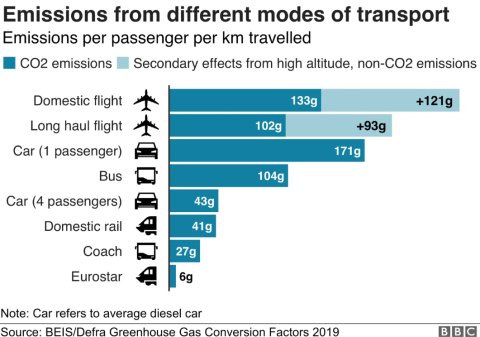
Replace “show up in person so people remember us” with consistent, lightweight communication. You don’t need to default to conferences and recurring on-site visits just to stay visible. The travel that remains tends to be the trips that actually matter.
To reduce your impact, start tracking energy data.
This mainly involves building energy management systems that combine sensors and automation to monitor consumption in real time. Heating, cooling, and lighting adjust based on occupancy.
That sounds a lot more complicated than it is. You can simply install smart meters and energy dashboards to show where electricity is actually being used.
Once you have that visibility, look for patterns. When you can cut, cut.
IoT sensors and AI-powered analytics help identify waste and predict equipment maintenance needs.
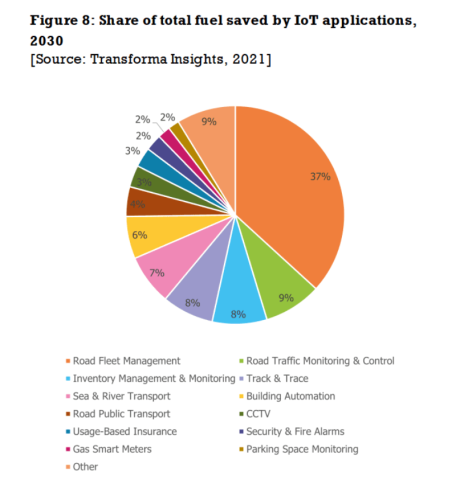
Investing in this will cut down manual checks for you.
A company’s sustainability footprint isn’t limited to its own operations.
Agencies rely on hosting providers, equipment vendors, travel platforms, and logistics partners. Their emissions are included in your Scope 3 data. Just like your clients have to factor in yours.
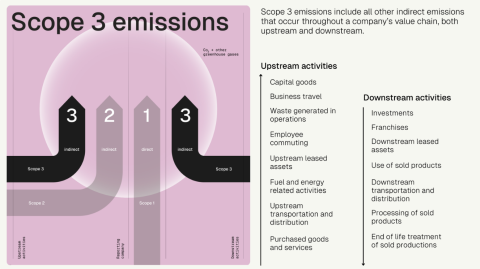
This is where small purchasing decisions begin to show up in sustainability reviews.
Say, you order branded items for events, onboarding kits, and client programs. Those vendors sometimes get pulled into the same supplier checks as everyone else.
Sustainability considerations now extend to everyday corporate apparel, with companies increasingly choosing clothing such as hoodies, sweatshirts, and t-shirts produced using recycled or sustainably sourced fabrics.
Work with eco-certified suppliers to boost your own sustainability credentials while supporting the broader green economy. In some cases, partnerships lead to joint initiatives neither company would pursue independently.
Several companies have documented their approaches to sustainability.
Since they’re already doing what you are striving to, look through how they’ve approached it.
Well, cost is usually the first obstacle.
Efficiency upgrades sometimes require upfront investment, so companies spread projects across multiple budget cycles or rely on rebates and incentives.
The second challenge is data.
Emissions data often sits in different systems: travel platforms, procurement software, and cloud billing tools. Pulling it together takes time. Like we said, to know what to cut down on, you need loads of data across your whole system to zoom in on what’s wasteful.
Supplier engagement can also slow things down. Some vendors still don’t have sustainability programs in place. Larger companies increasingly address this by setting minimum expectations and offering guidance.
Internal skepticism shows up, too. People ask: Do we need this? Isn’t this expensive?
The simplest way to address this is to connect green initiatives directly to business outcomes. The figure below shows that annual consumption decreases after going green.
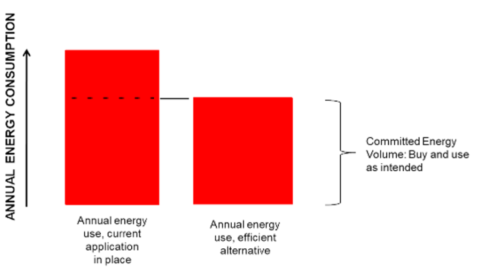
Show how remote work policies reduce both emissions and real estate costs, or how sustainable practices appeal to environmentally conscious clients. Also, all the new laws that mandate this should be a good motivator.
Once the financial impact becomes clear, the conversation changes.
The next stage of sustainable technology will feel less like a campaign and more like infrastructure.
AI systems will increasingly automatically optimize building energy use. Cloud workloads may shift depending on the carbon intensity of electricity grids.
Energy accounting is becoming more granular. Some organizations are experimenting with hourly renewable energy matching rather than annual estimates.
Hardware lifecycle management is evolving as well. Hardware-as-a-service models and refurbished device markets extend equipment life cycles and reduce waste.
Most of these shifts will happen quietly, through better systems and tighter operational decisions, but over time they will define what sustainable business actually looks like in practice.