
12 Years With Clutch: How Intuz Builds on a Partnership That Delivers
A Relationship That Has Stood the Test of Time Intuz is an AI consulting and development company established in 2008, with operations in Silicon Valley...
Updated February 10, 2026

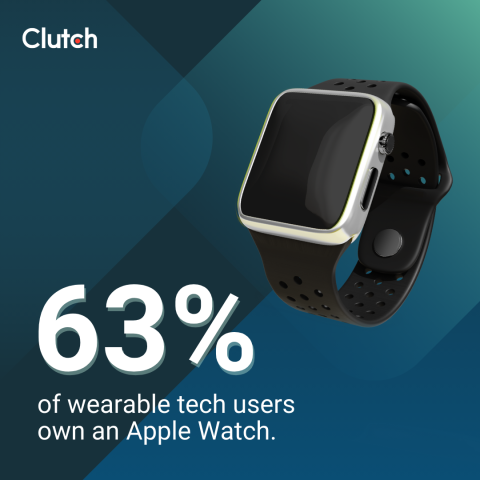
Wearable technology is growing rapidly, but one brand continues to dominate. The Apple Watch is the top choice among consumers, with 63% of wearable tech users saying they own one, per Clutch data.
That doesn’t necessarily make it the right wearable for you, but it’s a clear vote of confidence from the market. Here’s a closer look at what makes Apple unique and how it compares to other popular options like the Oura Ring, Fitbit, and Whoop.
Apple has exceptional brand recognition, but that’s not the only reason it dominates the market. The Apple Watch delivers a well-rounded experience that extends well beyond the device itself. Hardware, software, and services all reinforce one another to form a seamless ecosystem of apps that many users already rely on daily.
For example, the Apple Watch integrates seamlessly with a person's iPhone, AirPods, and other Apple devices. This makes it feel like a more natural extension of a user’s everyday life than alternative products from brands they're not already familiar with.
Some of the key factors driving Apple Watch’s popularity include:
The Apple Watch’s broad utility makes it a device that users check many times throughout the day, becoming a regular habit in their lives. That’s a major reason why Apple remains the default smartwatch choice, even if competitors outperform it in specific use cases.
Apple’s hardware is excellent, but the smartwatch also stands out for its companion app. It features clear dashboards that present actionable health information without overwhelming the user with data. Metrics have a logical grouping and trends are displayed with clear visuals, so users can naturally develop a more intuitive understanding of their health details over time.
Apple’s existing and familiar ecosystem compounds the advantage. Users can sync their data to a wide variety of iOS apps and benefit from it in other ways.
Equally important is Apple’s data accuracy and timeliness. Syncing between the watch, iPhone, and Apple Health is fast and consistent. This reduces the frustration that often leads to disengagement on other, less reliable platforms.
Ultimately, features like these make the Apple Watch useful enough to warrant daily engagement. That engagement leads to habit formation and brand loyalty, which helps Apple maintain its position on top of the wearables market.
| Device | Pros | Cons |
| Whoop |
|
|
| Apple Watch |
|
|
The Apple Watch vs. Whoop's flagship wearable comes down to versatility versus specialization. Both devices collect high-quality biometric data, but they’re designed around different assumptions about how users want to interact with it.
Whoop is a performance and recovery platform above all else. It focuses on core health metrics like strain, recovery, sleep quality, and readiness. Then it packages those data points into daily scores to guide training and rest. This makes Whoop a solid choice for anyone wanting a streamlined focus on health with their wearable.
The Apple Watch is more broadly useful. It blends the same health-tracking capabilities with features that support communication, productivity, and everyday convenience. This makes it a good fit for those who want a watch that can do it all — health, productivity, and communication.
So if you’re choosing between Apple Watch and Whoop, the key question is what you need in a smartwatch. If you're athletically inclined and want a performance-focused wearable that will track your fitness and provide actionable insights, Whoop can be a useful and more affordable option, but if you're looking for a device that can provide value beyond health and fitness, the Apple Watch can be a better choice.
| Device | Pros | Cons |
| Oura Ring |
|
|
| Apple Watch |
|
|
Some people prefer the Oura Ring to the Apple Watch. Different from the other products in this guide, the Oura Ring goes around the finger, not the wrist. This gives it a smaller form factor, which some users appreciate.
There’s also no screen or active interaction throughout the day. The device simply collects the user’s health data and summarizes it in a companion app.
Some of the key strengths of the Oura Ring include:
This product may be right for you if you’re primarily interested in exploring how your health trends over time and prefer not to engage daily.
The Apple Watch is designed for more active user participation. It features a screen, shares real-time alerts, and provides immediate visibility into heart rate, movement trends, and other key health indicators. That makes it a better fit for those looking for a more interactive experience from their wearable.
| Device | Pros | Cons |
| Garmin |
|
|
| Apple Watch |
|
|
The Apple Watch is a well-rounded, straightforward product, but it’s missing certain features you may want if you’re an endurance athlete. That’s where Garmin fills a key gap in the market, offering wearables designed for athletes who demand precise metrics, durable hardware, and extended battery life.
Garmin offers features such as:
People who want deeper insights than what Apple Watch includes or a more durable design for outdoor use should consider a Garmin. However, if you value aesthetics and everyday convenience, the Apple Watch will likely be the better choice.
| Device | Pros | Cons |
| Fitbit |
|
|
| Google Wearables |
|
|
| Apple Watch |
|
|
Fitbit and Google Wearables have also carved out niches for themselves in the growing smartwatch industry. Fitbit positions itself as a good entry point into health tracking. Its devices emphasize simplicity, affordability, and clear health summaries. The brand keeps it simple and doesn’t overwhelm new users with features and insights they don’t need.
If you’re looking to try out a wearable without spending much, Fitbit could be a good option. However, you may need to upgrade to the Apple Watch eventually if you start wanting advanced features and apps for productivity or communication.
For example, Apple Watch offers features many other smartwatches don't, including:
Google has also entered the wearable industry with Wear OS on Pixel-branded devices. These integrate with the broader Google and Android ecosystems and offer an experience that’s more competitive with the Apple Watch. So if you prefer Android over iOS, a Google Wearable may be a better fit.
Despite its market dominance, the Apple Watch isn't a universal solution for all users. Its design choices favor versatility and daily engagement, making certain meaningful trade-offs in other areas:
For users who have a niche health goal or are training for specific outcomes like running a marathon, the Apple Watch may not be the right fit. It’s lacking the extended battery life and advanced metrics that competitive athletes value in their wearables.
The wearable market is developing into distinct segments to suit the variety of users out there. Apple Watch continues the brand's reputation for winning over people who value clarity, reliability, and versatility over maximum technical depth. However, competitors have outdone this market giant in specific niches, such as endurance training, battery life, and outdoor navigation.
The Apple Watch remains the default choice for wearables in the United States, despite being outperformed in some niche areas by its competitors. The question when shopping is what you value in a wearable.
Whoop, Oura, Garmin, Google, and other brands are worth considering for their unique strengths. However, if you’re looking for an all-in-one wearable that connects to your existing apps and does most things well, the Apple Watch is hard to beat.