
10 Actionable Link Building Tactics to Build Brand Authority & Legitimacy
Discover 10 actionable link building tactics to boost brand authority and rankings. Learn how quality backlinks build lasting trust in the AI search era.
Updated May 26, 2026

This guide explains how to identify declining pages, diagnose the cause of the drop, and refresh existing content to recover both rankings and conversions.
Refreshing existing content is still one of the highest-return SEO plays because the execution is already complete.
The page already has authority, rankings, query history, backlinks, and conversion data.
Looking for a SEO agency?
Compare our list of top SEO companies near you
So you’re not trying to manufacture traction from zero. Just trying to recover the performance that has already been proven possible once.
That’s where content decay audits come in.
Several things are accelerating decay now.
Search systems reward freshness and usefulness more aggressively than before.
Google's 2024 updates folded the helpful-content evaluation directly into broader ranking systems, raising expectations for updated, genuinely useful pages. Thin refreshes and cosmetic edits do far less now than they used to.
Then there is page experience.
Interaction to Next Paint (INP) becoming a Core Web Vital exposed many older pages that technically loaded quickly but still felt frustrating when users interacted with them. That friction compounds fast on mobile.
AI Overviews changed behavior, too.
People skim more aggressively now. They expect answers faster.
Long intros that slowly circle back to the point quickly lose attention, especially when users have already seen a summary directly in the SERP. Pages filled with outdated screenshots, vague explanations, or bloated sections feel heavy from the start.
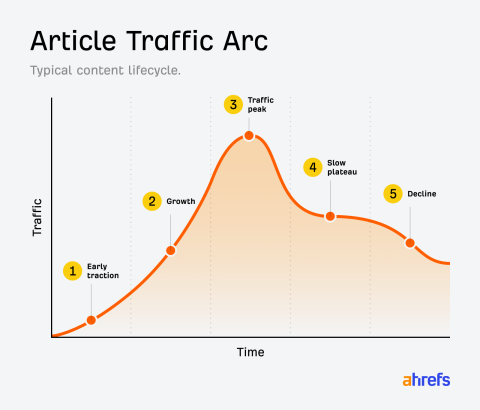
And most of the time, decay is cumulative.
Usually, it is a stack of smaller issues:
Together, they slowly erode visibility and conversions.
The impact matters because older content still carries most organic traffic.
HubSpot has long reported that 76% of blog traffic comes from older posts, making maintaining existing pages one of the clearest growth levers in content marketing.
Google's mobile research also showed that bounce probability rises sharply as load time increases from 1 to 3 seconds. Outdated answers, combined with a poor experience, hurt both rankings and conversions.
The warning signs usually appear first in engagement behavior.
More sessions end halfway through the page. Rankings may still look acceptable while business performance weakens underneath.
A useful audit is not just a list of declining pages.
The real value comes from understanding why those pages declined before making changes.
That is where most refresh projects fall apart. Teams jump straight into rewriting without diagnosing the actual problem first.
Start with the pages already driving meaningful business value.
A lot of teams spend time refreshing low-impact pages while high-performing assets continue deteriorating quietly. Focus first on URLs that historically drove strong traffic, assisted conversions, rankings, or revenue.
Use the tools you already trust:
The sequence of decline matters too.
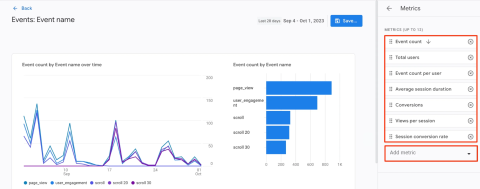
Impressions and rankings often weaken before click volume declines. Clicks usually decline before conversions noticeably drop. By the time the revenue impact becomes obvious, the page has often been decaying for months.
Compare multiple windows instead of relying on a single snapshot:
Because not every traffic drop is decay.
A holiday buying guide collapsing in February is normal. Tax content dropping after the filing season is normal. Context matters when interpreting trendlines.
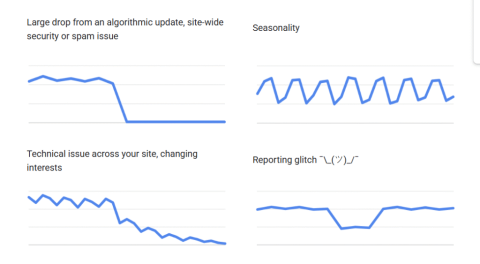
The pages worth reviewing usually show several warning signs together: declining traffic over multiple months, weaker engagement depth, lower CTR despite stable impressions, or conversion rates slipping on similar traffic levels.
Cannibalization issues also become more common as sites grow and newer pages compete with older ones.
One metric alone rarely tells the whole story.
Sometimes the page is outdated. Sometimes the search intent changed completely, or competitors simply packaged the information better.
The page may still rank reasonably well, but AI Overviews or SERP features reduced click behavior around the query itself.
Phil Santoro, Co-Founder of Wilbur Labs, works with startups where organic acquisition efficiency can change quickly when search behavior shifts.
Santoro says, “A lot of teams assume the content itself failed when the real issue is usually that the way people evaluate the topic changed underneath them.
The page still answers the question, but it no longer matches how users want to consume the answer. Sometimes tightening structure and reducing friction does more than rewriting the entire piece.”
Those are different problems that require different fixes.
An intent mismatch is usually the first thing to check.
Search the primary keyword manually and look closely at what now dominates the SERP. Are the top pages shorter? More commercial? More visual? More comparison-driven? More tool-focused?
A page written for informational purposes in 2023 can quickly lose relevance if the SERP shifts toward implementation guides, templates, or pricing comparisons in 2026.
Keyword language drifts, too.
Searches evolve. Queries pick up modifiers like pricing, examples, checklist, AI, or 2026 because user expectations changed alongside the market.
Technical friction matters more than many editorial teams realize.
Measure Core Web Vitals properly, especially INP.
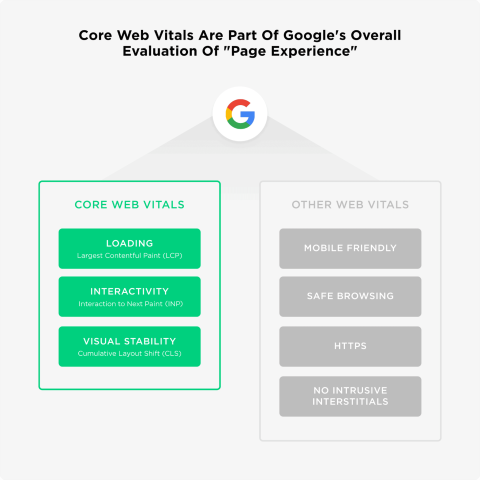
Then look at the actual user experience: slow interaction, unstable layouts, oversized images, mobile usability problems, sticky elements blocking content, or scripts delaying engagement. A page can technically load while still feeling frustrating to use.
Internal linking becomes another hidden issue over time.
Important pages get buried as sites expand. Older internal links point toward outdated resources. Some pages effectively become orphaned despite still having authority.
And changing the publish date alone is no longer a refresh strategy.
The strongest refreshes usually improve three things simultaneously: clarity, usefulness, and usability.
The page should feel current from the moment someone lands on it.
Update benchmarks. Replace old screenshots. Add newer examples and remove references tied to outdated workflows, interfaces, or assumptions. If the industry conversation changes, the article's framing may need to change, too.
Source quality matters more now, too.
Readers increasingly cross-check information because AI-generated summaries made vague claims easier to produce and harder to trust.
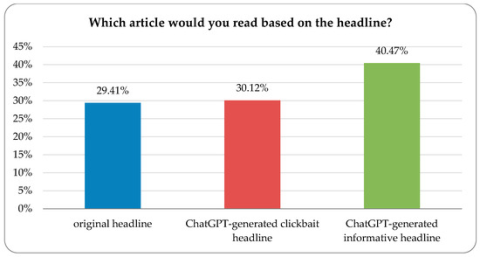
Primary research, platform documentation, and direct source material carry more weight now than recycled statistics passed between blogs.
Some refreshes are mostly factual updates.
Others require structural rewrites because the reader expectation changed entirely.
Titles and H1s often need tighter alignment with how people currently search.
Sometimes, adding modifiers like 2026, pricing, examples, or templates improves performance simply because they better match current query framing.
Expand semantic coverage naturally, where competitors now answer adjacent questions better.
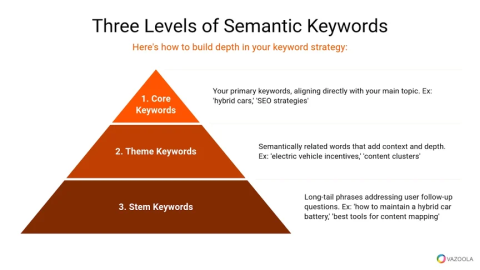
Tighten meta descriptions, so they communicate value clearly instead of sounding like generic SEO copy.
Schema can help, too, but most pages do not need elaborate markup strategies. They need clearer structure and stronger answers.
This is where older pages often struggle most now.
A lot of legacy SEO content was written during a period when sheer length could compensate for weak structure. That does not work anymore. Users scan aggressively before deciding whether a page deserves attention.
Zaheer Dodhia, CEO of Hummingbird International, works across logistics and international supply chain operations, where users are often searching under time pressure and quickly abandon pages if information is difficult to extract.
Dodhia notes, “We see this constantly with operational content. If users have to work too hard to find the useful part of the page, they leave. Better structure, faster access to answers, and cleaner interaction usually outperform simply adding more content.”
Structure changes behavior.
Clear H2s. Better hierarchy. Faster access to answers before a deeper explanation.
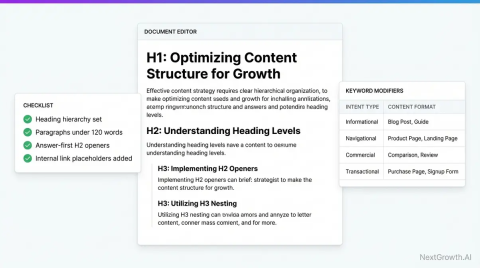
Not every section deserves equal emphasis, either.
The sections closest to user intent should breathe. Lower-value filler should shrink or disappear. Pages become easier to trust when the emphasis reflects actual reader priorities rather than maintaining a perfectly balanced structure throughout.
Mobile experience matters especially here.
A page that technically works on mobile but forces awkward tapping, zooming, or fighting sticky elements is already losing engagement before the user reaches the midpoint.
Visuals only help when they reduce effort.
That is the real standard.
Good visuals shorten comprehension time, think, comparison charts, annotated screenshots, calculators, quick walkthroughs, or process visuals that explain something faster than text alone could.
Bad visuals just increase load time.
And every media element still needs to be properly compressed, mobile-tested, captioned where necessary, and lightweight enough not to degrade interaction performance.
Otherwise, the refresh creates a different problem instead.
You need baselines before editing anything. Otherwise, every performance discussion becomes guesswork.
Track rankings, impressions, CTR, engagement time, scroll depth, return visits, conversions, and Core Web Vitals before making changes.
Then, annotate updates properly inside your analytics platform.
That matters more than people think, because refresh projects rarely happen with just one edit.
Structure changes, title rewrites, internal linking updates, technical fixes, and media additions often take place over weeks. Without annotations, it becomes difficult to connect outcomes back to specific changes later.
Watch performance weekly during the first six to eight weeks after major updates.
That window usually tells you whether the refresh improved alignment or whether deeper issues still exist.
And at this point, content maintenance is operational work. Not annual cleanup work.
The sites that sustain visibility consistently are usually the ones running disciplined refresh cadences: monthly checks on high-value pages, quarterly thematic reviews, and annual consolidation passes to prune or merge weaker content. Because very little content stays competitive unattended anymore.
The biggest SEO wins are often sitting inside pages you already own.
The challenge is catching decay early enough to fix it before rankings and conversions slide too far.
Consistent refresh work, stronger UX, and tighter alignment with intent usually outperform constantly publishing net-new content for the sake of volume.