10 Actionable Link Building Tactics to Build Brand Authority & Legitimacy
Discover 10 actionable link building tactics to boost brand authority and rankings. Learn how quality backlinks build lasting trust in the AI search era.
Updated July 23, 2026

Today, when businesses think about preparing for AI, it is not just AI search or LLM optimization. B2B businesses must also prepare for agentic search. Why?
As of now, the market for agentic AI, or AI agents, is growing at an exponential rate (a 49% CAGR between 2026 and 2033). Moreover, as per a study by Gartner, 33% of enterprise software applications will incorporate agentic AI by 2028.th
Today’s technology-driven business landscape requires more than manually parsing web pages and documents to capture information. It is time-consuming and resource-intensive. That is why several businesses use AI agents to research solutions, compare capabilities, and recommend the best-fit vendors.
Looking for a SEO agency?
Compare our list of top SEO companies near you
As AI agents completely bypass human intervention, they have become an integral part of enterprise procurement and evaluation. While B2B businesses are using agentic AI to research well, provider B2B businesses need to rethink how they present their products and expertise online.
The following nine strategies will help you prepare your B2B business for agentic search.
Let’s define Agentic AI first. Agentic AI comprises various artificial intelligence systems that can independently plan, execute, and adapt multi-step tasks to achieve a specific goal with minimal human intervention.
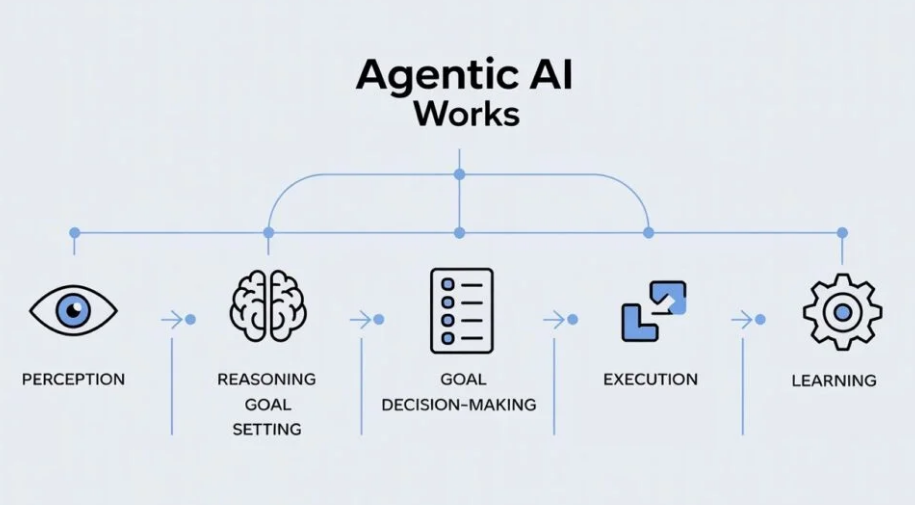
Compared to traditional AI like ChatGPT (which responds to individual prompts), agentic AI can gather information, evaluate alternatives, and make decisions. These steps are taken based on predefined objectives. Agentic AI or AI agents can also take action across multiple tools or data sources. These capabilities allow AI agents to move beyond simple response generation and operate as goal-oriented systems that can reason through complex workflows — the same principle behind today's agentic customer service software, which acts on requests instead of only answering them. The inference engine plays a key role in this process by enabling agents to analyze information, apply logic, and determine the most suitable actions based on available data and predefined goals.
Before adopting any AI system at scale, it's worth understanding the broader pros and cons of AI. While the autonomy and decision-making capabilities of agentic AI can make it powerful for procurement and research, businesses must also consider potential challenges related to accuracy, bias, oversight, and the level of human control required.
Here is an example:
All of this without requiring a buyer to research each option manually.
You need to understand that you have to be visible if you want to be recommended by agents. This requires creating high-quality, relevant content that answers user intent and helps AI systems understand your expertise.
However, no one can offer a guaranteed way to prepare your business for agentic search. But you can take some key steps to increase your chances of success and consider both your technology and how your team interacts with it. This combined approach can help set you up for effective use of AI.
The number one thing to do is to audit your structured data. Unlike traditional B2B websites, where design cues were used to persuade humans to take actions, AI agents don’t work the same way.
AI agents bypass these cues to query product feeds with constraints set by the user. These constraints include standard attributes like price and availability, as well as contextual ones such as use cases, material sourcing, brand values, and compliance requirements.
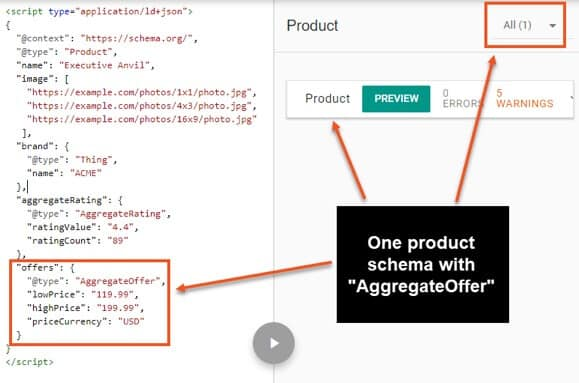
That means that the richness and structure of your data matter a lot. Here’s what B2B businesses must do:
If your products, services, and differentiators aren't machine-readable, they are far less likely to appear in AI-generated recommendations or procurement workflows.
Indexation is not enough. Your content needs to be properly architected to get selected by the AI agent. An AI agent does not just receive content; it researches competitors' content on its own. Furthermore, it also.
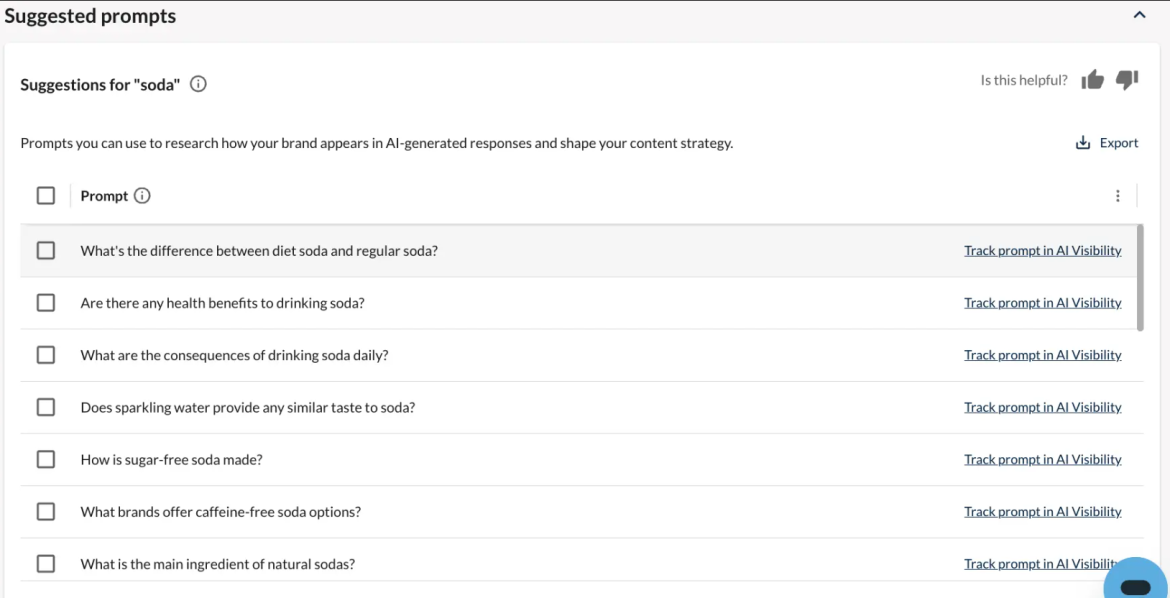
All of this is done while adapting continuously. As your content is compared with your competitors, it has to answer the questions AI agents are programmed to ask, and in the format they can extract and cite. To do this, you can
Well-structured, definition-first content increases the likelihood that AI agents will accurately interpret, cite, and recommend your business.
Now, when multiple AI agents access inventory, pricing, product details, and other data elements from the business product feed infrastructure, it strains the system. That leads to operability issues, as agents spend more time analyzing your competitor’s data than your own.
To counter this, businesses must make aspects like capability specs, integration endpoint lists, compliance certifications, SLA terms, & pricing tier logic programmatically accessible. Furthermore, businesses must also.
A robust data layer not only improves agent discoverability but also reduces friction for enterprise buyers seeking reliable technical information. As AI workloads grow, businesses should also prioritize AI cost optimization to manage infrastructure expenses, improve resource utilization, and scale agent-driven applications more efficiently.
LLM models don’t begin their research from live sources. They begin from their core, the training data on which they are trained. If your business is not consistently and well-described in that corpus, your visibility to AI agents will suffer.
The concept here is simple: Thin or inconsistent coverage produces thin or absent retrieval. To ensure that LLM surfaces your business frequently and authoritatively,
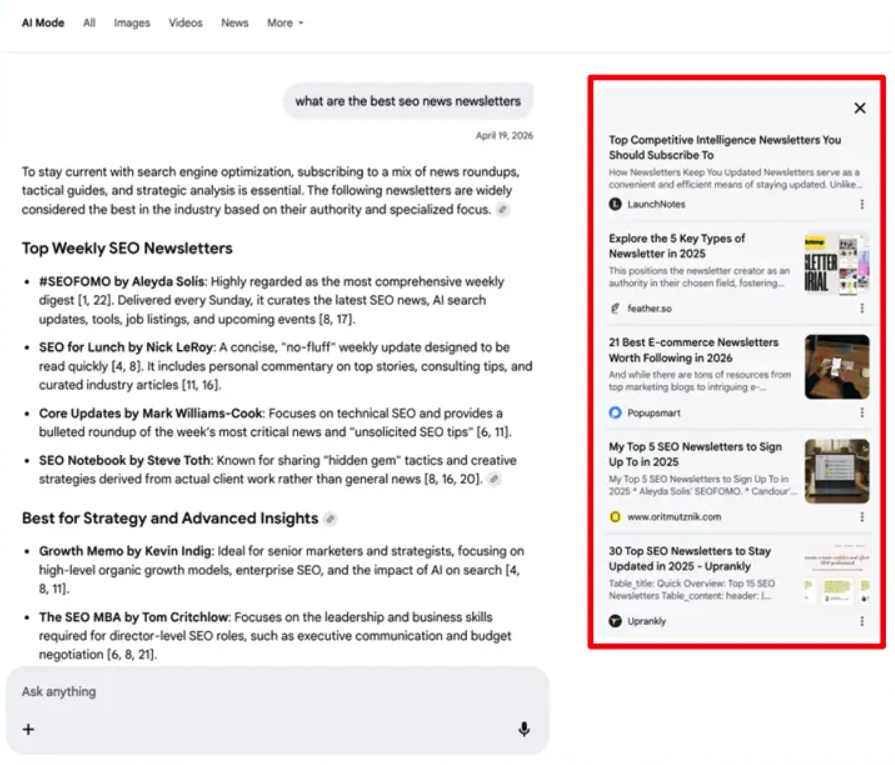
The more consistently your brand appears across trusted industry sources with accurate positioning, the more likely AI models are to recognize your business as credible. Much of that third-party description is written by customers themselves. That's one more reason why customer success is important to your visibility, not just your renewals.
That is easy to understand from the header. You see, AI agents don’t evaluate vendors or businesses by reading your homepage. They simply pull structured, extractable claims and compare them across multiple sources simultaneously.
Now, if your strongest differentiator isn't presented in a format that agents can retrieve & place side by side with a competitor, you lose the comparison before it starts.
Here are some easy fixes for the same.
When clear, evidence-based comparison content is on the page, it helps ensure your strengths are represented accurately.
Note that being discoverable by an AI agent means your content is structured. If your technical trust signals are locked in PDFs, rendered as image badges, or buried in pages that aren't properly indexed, they don't count.
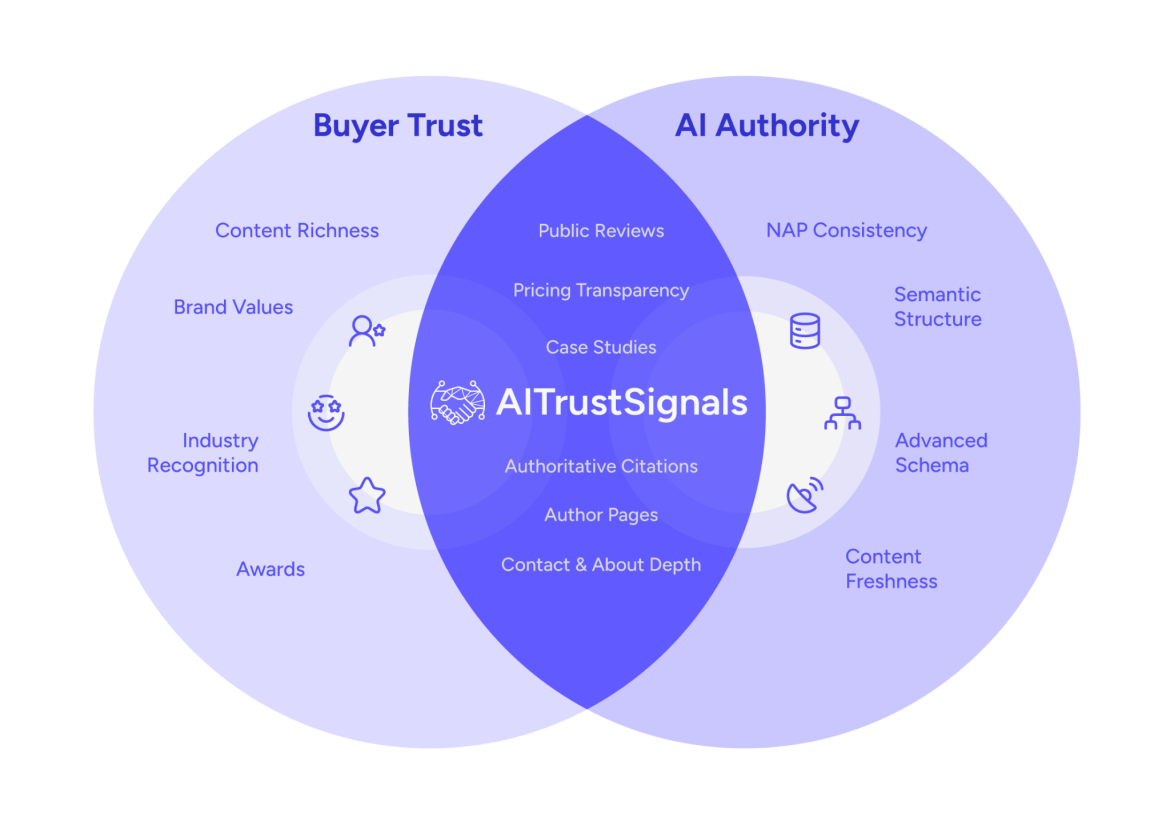
These trust signals include:
Make sure you implement the following to align your technical signals.
Machine-verifiable trust signals reduce uncertainty for both AI agents and enterprise buyers. Beyond technical trust signals, businesses should also secure their network infrastructure. Using a proxy server can provide an additional layer of protection for teams accessing AI tools and enterprise resources remotely.
Businesses that publish the clearest, most complete definition of a concept are the ones most likely to be cited when that concept comes up in a buyer's query. AI agents like to extract content from sources that establish clear authority. Make sure when you write content, it must be definitional content, such as
Additionally, to enhance the value of your content, consider enriching it with examples, infographics, comparison tables, or even making a presentation that visually summarizes key points. If your presentation includes branded visuals, be sure to design logos that align with your company's identity and messaging. Presentations can effectively break down complex information, making it more digestible for readers and helping to reinforce the main ideas you want to convey. This multifaceted approach not only caters to different learning styles but also keeps your audience engaged, increasing the likelihood of your content being referenced and shared.
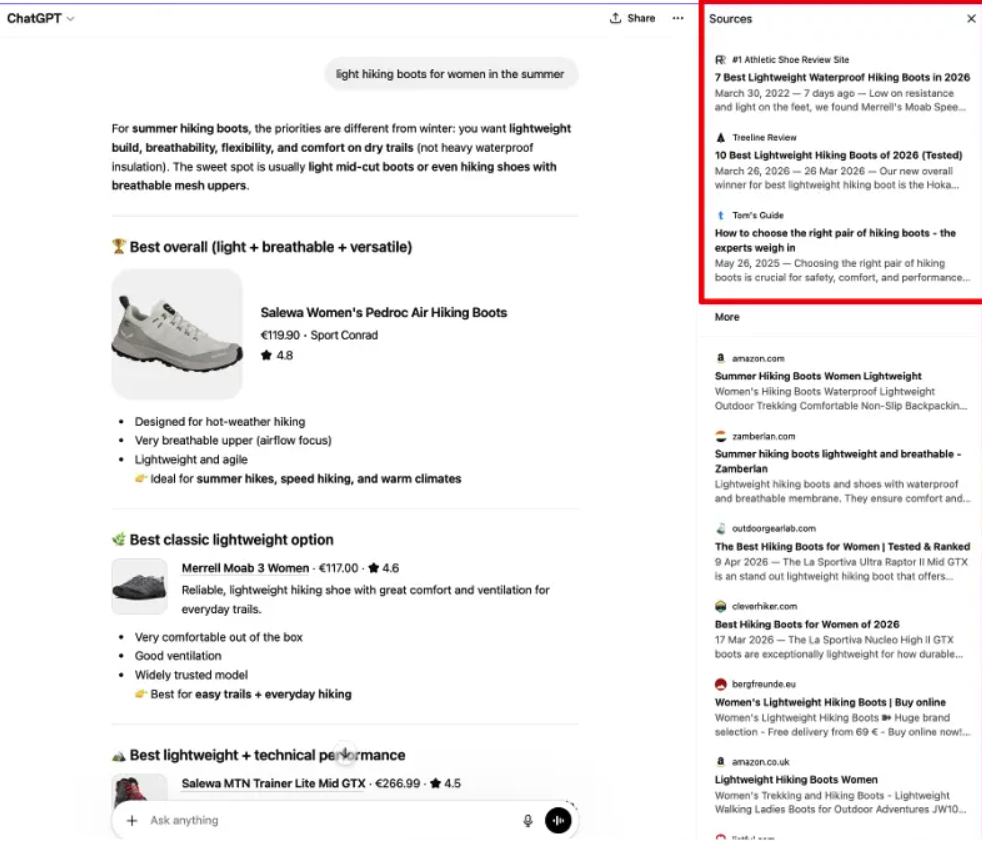
That doubles your brand authority and your LLM training fodder. Here’s more on what to do.
When you publish an authoritative guide on the website, you strengthen your topical authority & expand your retrievable knowledge footprint.
Today, SEO visibility is half the game. Most users today turn to AI for research regarding product purchases. Hence, tracking just search rankings will not do the job, as these are queries typed by humans. For AI agents, businesses need to audit their AI presence. Brands doing this can compound their agentic search advantage. Here, SayNine can help businesses monitor their AI visibility and understand how they are represented across AI-driven search experiences.
Here are some ways to systematically track AI presence and AI citations:
Regular visibility audits of the content speed up the identification of citation gaps. That directly strengthens brand presence & uncovers opportunities to improve AI discoverability.
Just like SEO, GEO is a strategy for structuring your content, data & brand signals so that AI models consistently retrieve and surface your business as a credible answer to buyer queries. Here are some ways businesses can use GEO optimization to maximize retrieval by AI agents.
Organizations or businesses that invest in GEO today will be better positioned to earn citations, recommendations, & buyer trust as AI agents in the future.
Agentic search is not an upcoming trend. It is already shaping how B2B buyers research, evaluate & shortlist vendors. The nine methods are not a complete transformation; they are the foundation.
For maximum future benefits, start where the gap is widest. That includes your structured data, your entity authority & your AI visibility baseline. The businesses that build for agent-readability now will keep pace with this shift.
Irina Weber is an experienced content marketing supervisor, blogger, and brand manager at SE Ranking. She is passionate about content marketing, social media, and always keeps up with industry trends.
See full profile