What Is Site Schema? 3 Must-Have Markups for Your Website
Site schema is structured data added to your website's HTML to help search engines understand your content. Here are 3 easy types to implement today.
Updated September 15, 2026

Backlinks are ranking signals that have always contributed (and still do today) to a website's overall ranking. While AI is taking over search, backlinks from authoritative & niche-relevant websites still matter for higher rankings. The difference is the level of sophistication.
In traditional SEO, the number of backlinks played an important role in a webpage or blog's ranking. But modern SEO is different. It is more about quality, genuine value, precise outreach, & tons of other factors.
Today, LLM models analyze content that is authoritative & referenced by external sources. It can take time to tell people about your brand and even longer to build trust. However, once you earn that trust, it becomes difficult to lose. Traffic can decrease overnight after an algorithm update. Trust cannot.
Looking for a SEO agency?
Compare our list of top SEO companies near you
In short, you can implement link-building tactics to build brand authority and legitimacy. Let’s read ahead and learn about them.
Since AI has disrupted the digital landscape and every business now has to weigh its pros and cons before relying on it, link building has become a strategy that does more than just improve rankings. Today, backlinks serve as a trust signal that shapes how search engines & AI systems assess your brand's legitimacy.
Once LLMs and Google notice that your backlinks show trust, your website is more likely to rank higher in search results, get featured in AI overviews, and lead to more mentions in LLM answers.
Whether you work with a SaaS link building agency or build links yourself, here is the section that you all have been waiting for. They don't come from a single outreach effort. They come from using different methods that you work on continuously.
The number-one method is the simplest. Do what your competitors are doing. With tools like SEMrush or Ahrefs, you can learn about the sources that are linking back to your competitor’s website. Here is how you can proceed:
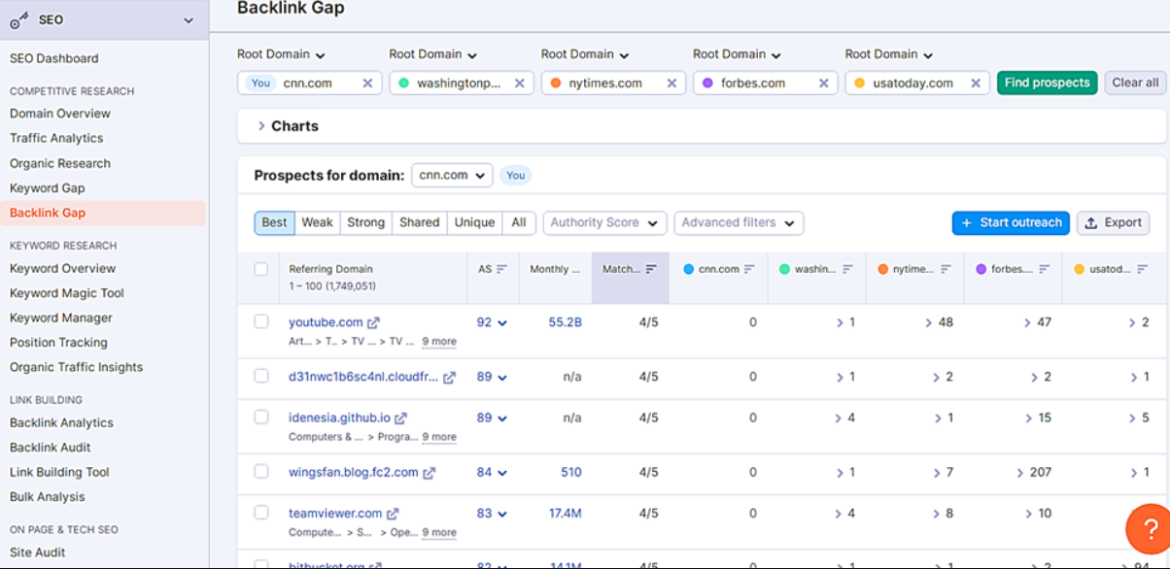
These are the sources that will surely backlink to you. Look for gaps in your competitors’ content and pitch better content to those sources. Also, verify that the sources are relevant to your business.
Next, focus on content quality and your profile. If a business regularly refers to a certain type of content, they will likely link to you. So once you locate sources or have a tentative list, check the content type they usually publish or link to. These content types will be your linkable assets or information that searchers and journalists can’t find anywhere else.
You can go for:
Mehdi Hussen, founder of SaaS SEO Agency, Ranking Bell, says, “Every article about LinkedIn engagement seemed to reference the same outdated studies because no one had published anything more recent. Rather than building links to another opinion piece, we worked with our client to turn their product data into an industry benchmark using anonymized insights from hundreds of thousands of posts, with the methodology published alongside the findings. That changed the conversation. Writers began citing the research because it gave them a credible, current source, and the backlinks followed naturally. More importantly, the study is now referenced by ChatGPT, Claude and Perplexity when answering questions about LinkedIn engagement. The strongest brand authority comes from becoming the source everyone else relies on, not another brand competing for attention.”
Using linkable assets can help you reach more people online and build your brand's reputation. A variety of linkable assets ensures your content appeals to different audience interests, helping you build a balanced digital strategy.
Digital PR is excellent for link building as it connects it to brand establishment. The key goal of digital PR is to get backlinks from news & media sites. When popular journalists and industry publications notice your business name, they tend to share it further in their publications. That overall creates a compounding effect that brings in more leads from authoritative sources on the web.
Many of these digital PR publications are very influential online and have large audiences that can help promote your brand. When a respected publication features your content, other journalists may share it naturally, increasing your brand's visibility, supporting your link-building efforts and strengthening your presence in your industry.
Here are some of these tactics to get maximum high-quality links:
Using these digital PR tactics can help you improve your brand in search engines, outsmart your competitors, and earn dozens of links at once.
Credible journalists can help your business build brand authority faster. As per stats, 54% of journalists never respond to most PR pitches. Why? The number one reason is relevance. If a journalist interested in technology receives a pitch about economics, they'll reject it. This is where an authentic connection between you and the journalist is required.
As the career of a journalist is limited to certain niches, you need to learn about them to avoid getting ignored. Here is how you can do it.
Note: The catch is that the more you build a relationship with a journalist, the more likely they are to respond to future opportunities. It takes some time to build good PR relationships. Be patient, as some journalists can respond positively to your second or following pitches.
Several businesses on the web use data and insights from authoritative websites in their content without citing them. While it may not be relevant to them, if you're expanding your backlink portfolio, it can be a great opportunity.
If you find a business using your name as an authority in your niche without mentioning you, you can ask them to remove it in an outreach email. This approach is warmer than a cold email because you're thanking them for their mention and asking them to add a link, rather than introducing yourself for the first time.
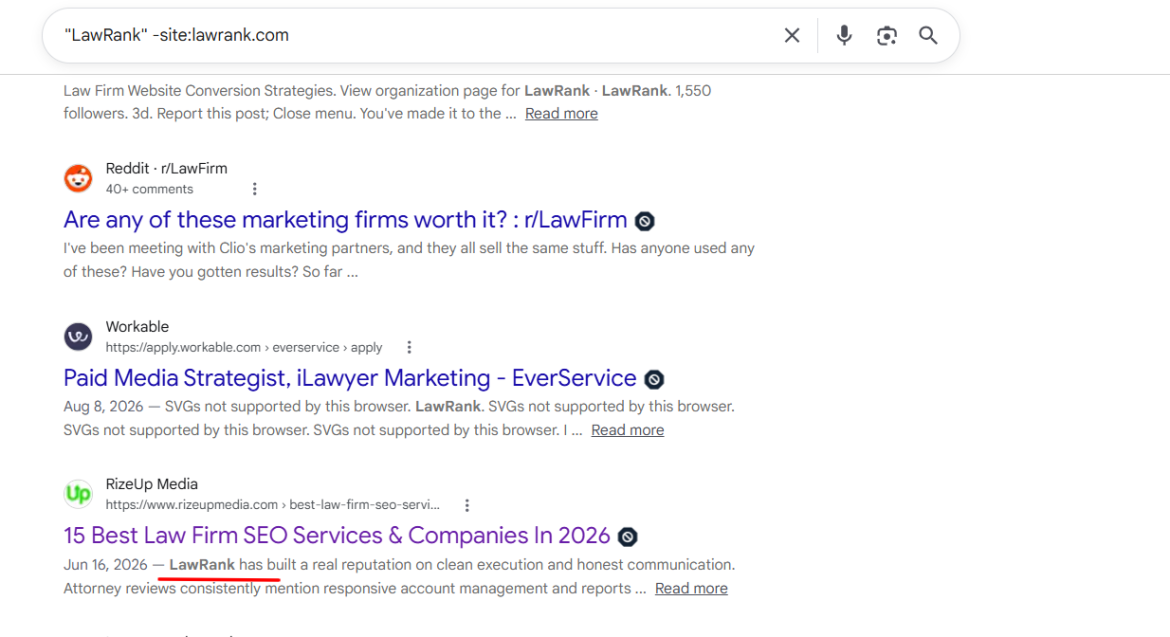
Notice that even if you can’t turn a brand mention into a link, it can still play a huge role in improving your brand credibility in search engines and AI systems.
It is good to stick to what works for you. However, market trends keep changing, so it is important to diversify your link-building sources. If you primarily invest in guest posting, you can try press releases. As highlighted already, PRs are a great source of inbound leads.
Besides, there are other link-building sources, such as:
Diversification can also mean looking beyond traditional link-building activities. Building a deliberate brand social media strategy gives your linkable assets somewhere to travel, so the content journalists and partners discover is already circulating with your audience.
For example, some businesses build additional channels for audience growth through established social media profiles, including relevant accounts sourced by Social Tradia or relevant marketplaces. That can complement SEO by creating more opportunities for people to discover and engage with the brand. For link-building sources, the more, the better.
When you get in touch with a media person or a journalist, make it a starting point. So far, you have learned what they like. From here on, you can establish a stronger relationship with them. By offering additional, new information on what they like, you can help them learn more.
Another great way to nurture relationships is to celebrate your colleagues' achievements, promotions, and project launches to keep your connections strong. You can do it via emails or social networks like LinkedIn or Facebook.
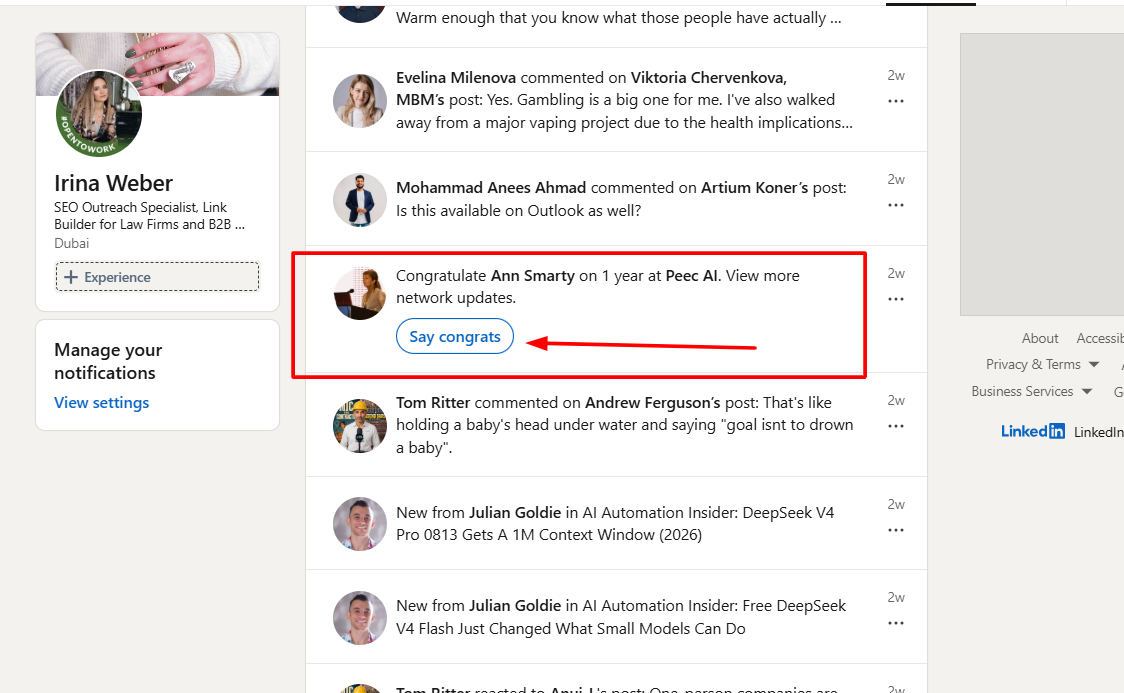
Regular interactions also help you understand them better and build a rapport they can trust and rely on. Don’t demand a link immediately. You can use a spreadsheet or a simple CRM to track conversations and follow up naturally.
In addition to all this, you must monitor media requests, as they are critical. Journalists connect with expert sources through several platforms, and when they send requests to prospects, they need faster replies.
If you can handle this by yourself, you may earn a backlink from a major publication. But if you outsource it, it can be expensive (it may cost you $700 or more to hire an agency). Here are some important things to keep in mind if you are doing it in-house:
Anyway, you can always use platforms like HARO or Qwoted to get quotes from expert sources and build quality links. Fortunately, many news sites require expert quotes to prove their authority using media request platforms.
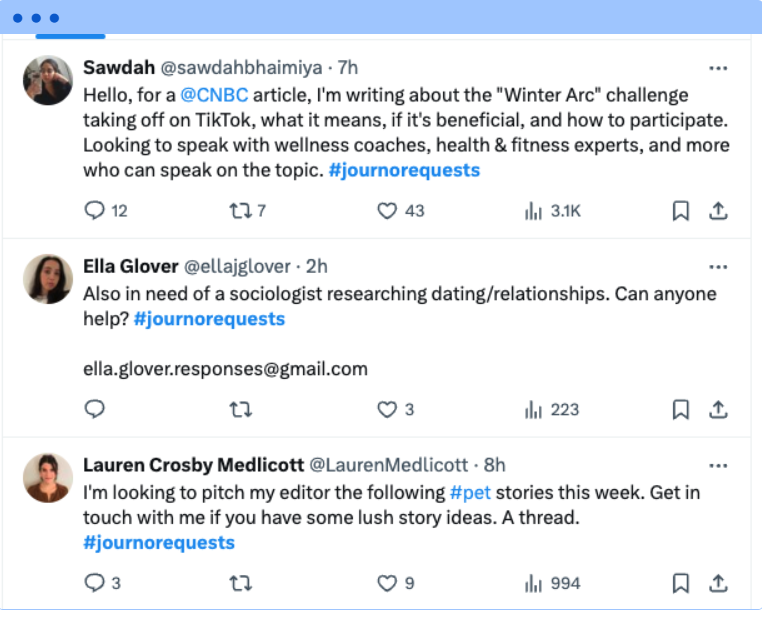
Most journalists have strict deadlines, so reply as fast as possible. To increase your authority, ensure you provide unique data or the strongest credentials in the first sentences of your response. Avoid generic AI responses and personalize them with clear insights or data. Focus on providing a useful, objective answer rather than promoting your products or services.
Next, focus on reviving partner and community links. For businesses operating in the IT space, incident management software can be a relevant topic for connecting with industry communities and technology partners.
These connections can lead to relevant resource pages, expert contributions, and brand mentions. This involves identifying industry associations, suppliers or integration partners, and other communities relevant to your niche and those you have worked with.
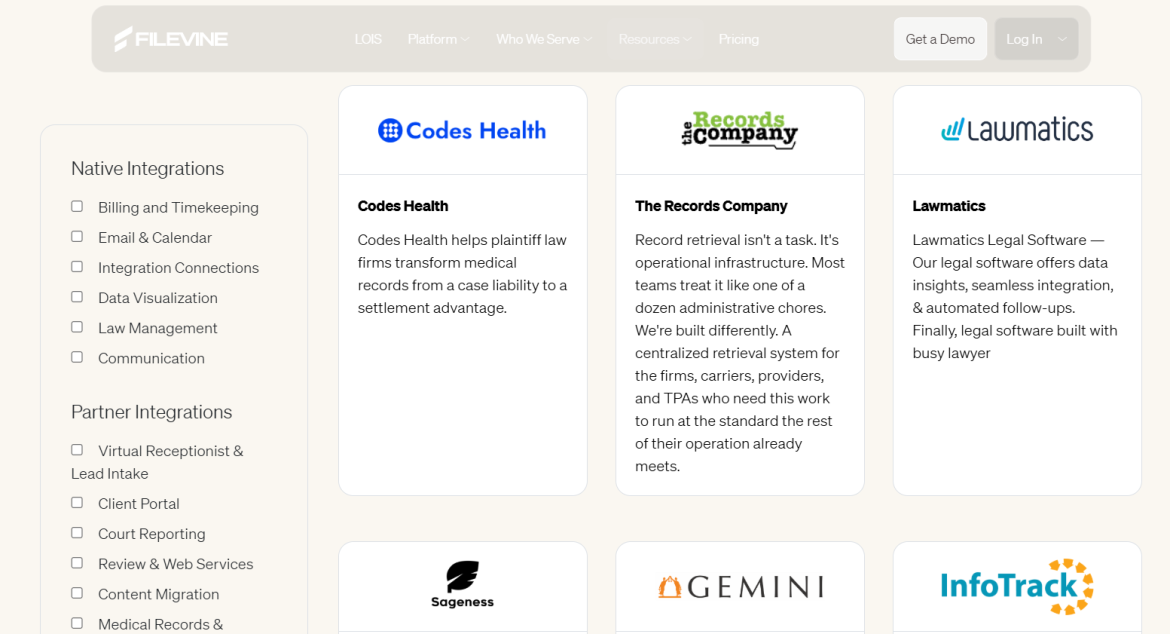
Technology-focused businesses can also connect with communities and industry partners centered around IT lifecycle management, creating relevant opportunities for resource pages, expert contributions, and brand mentions.
Usually, these partners and communities have dedicated partner pages or resource pages. This is where you can get a link, but you have to ask. For communities like Q/A or Reddit, you can get a link only if your brand content answers the query.
Make sure relevant answers include your link, as irrelevant content can damage your reputation, get removed, or get you banned. These links from communities and partner pages inform Google what your site is about. Mostly forum and community links include “ugc” and “nofollow” link attributes, but they still matter and can improve your brand visibility.
The last one is measurement and tuning. Once you have implemented these strategies, measure their success and tune them further for better results. Traffic volume might look good at first, but it can indicate keyword manipulation that only brings temporary interest. Once web crawlers see that visitors are losing interest in the page, it will have negative effects.
If you focus on building links with legitimacy and authority that can last, you can measure your success by tracking these metrics:
These metrics really matter, but you should consider:
Make sure to tie the results back to revenue rather than link counts - an SEO ROI calculator turns traffic and conversion figures into a projected revenue and payback number, which is the version of the story a client or leadership team actually responds to.
As AI matures, it relies more on web data (from third-party sites) related to your business to assess authenticity. With quality link-building practices, you support long-term growth, keep your business afloat, and keep up with algorithm updates.
Whether you're reclaiming unlinked mentions, doing digital PR, or building linkable assets, every step pushes you toward more inbound traffic. All of this depends on one thing: quality and authentic content. Modern link building is not about transactions. It requires building stronger relationships and earning publicity. All of this depends on one thing: quality and authentic content.