10 Actionable Link Building Tactics to Build Brand Authority & Legitimacy
Discover 10 actionable link building tactics to boost brand authority and rankings. Learn how quality backlinks build lasting trust in the AI search era.
Updated October 21, 2026

A marketing director opens the monthly SEO report and sees organic sessions down 12% year over year. The knee-jerk reaction is to call the agency and ask what went wrong, but in 2026, a decline in organic sessions doesn’t necessarily mean your team is doing something wrong.
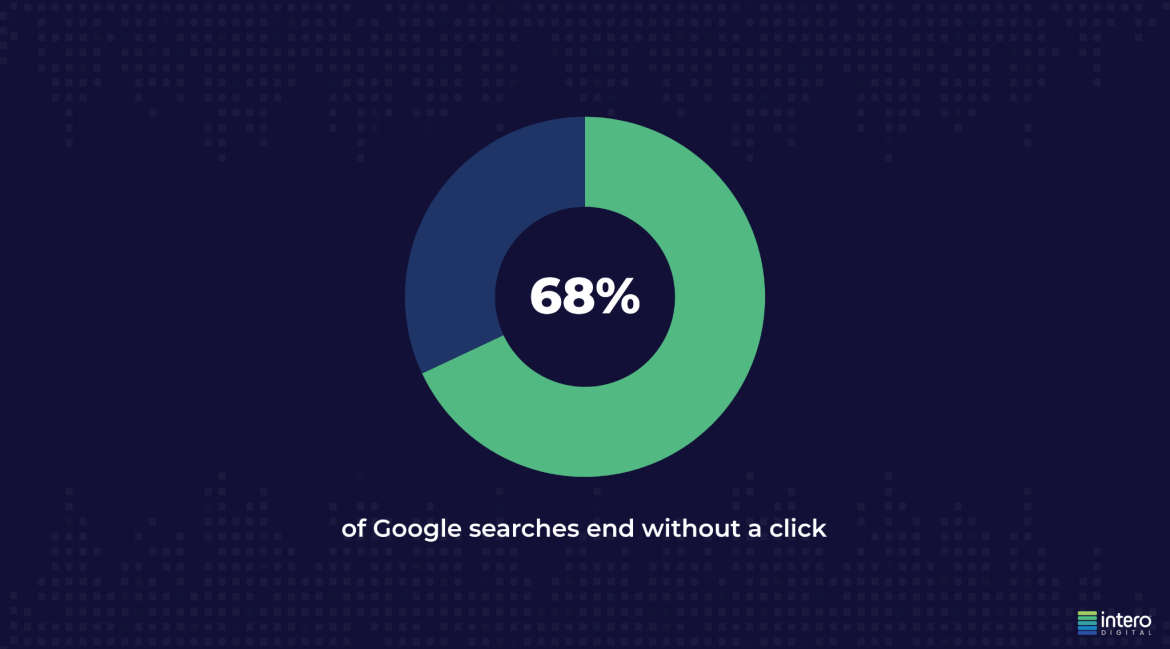
Search itself has changed shape. In the first four months of 2026, 68.01% of Google searches ended without a click, and roughly 60% of all searches end without a click to any website once AI Overviews, featured snippets, and other on-page answers are factored in. When an AI Overview appears on a query, organic click-through rates drop by roughly 61%. None of that means a site's SEO program is failing. It means the metric most businesses have relied on for two decades, the click, can no longer be the be-all and end-all goal metric in search.
Looking for a SEO agency?
Compare our list of top SEO companies near you
Declining sessions and declining SEO performance are no longer the same, and treating them the same can lead to the wrong decisions, including budget cuts that might punish or shut down a strategy that’s working.
Google and other search engines increasingly answer questions directly on the results page rather than sending users to a website. AI Overviews now trigger on roughly 48% of queries, and coverage is uneven by industry: Healthcare queries trigger AI Overviews 88% of the time, and B2B technology queries 82%. A brand can rank well, be cited accurately, and still see fewer people land on its site simply because the answer was already delivered without requiring a click.
What’s more, ranking position and AI citation are no longer tightly linked. The overlap between top-10 Google rankings and AI Overviews citations has collapsed from around 75% in mid-2025 to somewhere between 17% and 38% by early 2026. A page can sit at the top of traditional search results and still be absent from the AI-generated answer most users see, or vice versa. Rank tracking alone can no longer tell a business owner whether the brand is visible where it counts.
Traffic isn’t irrelevant, but it needs company. A handful of additional metrics can give a far more accurate read on whether SEO is working:
Knowing which metrics to watch is only half the equation. The other half is knowing how to talk about them with the people running your SEO program.
Before reacting to a traffic dip, ask these few questions to separate a genuine performance problem from a measurement gap:
The answers to these questions matter most when they shape what happens next, especially when budget decisions are on the table.
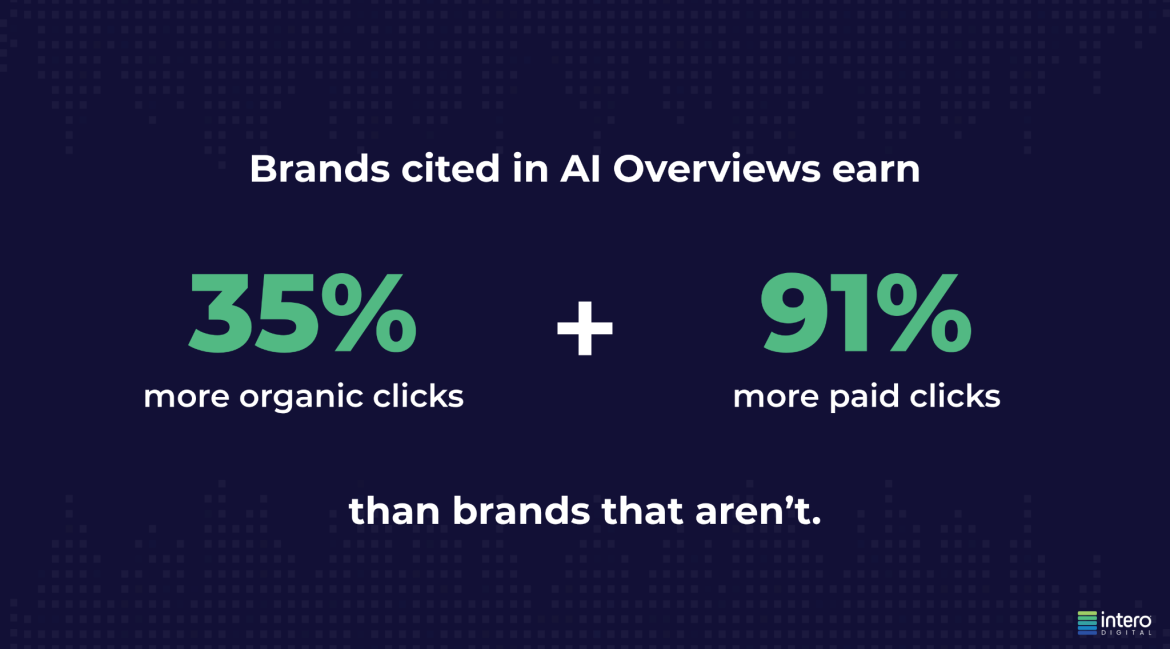
The riskiest move a business can make right now is to cut SEO budget the moment a traffic report looks soft. Search demand hasn’t disappeared; it’s redistributing. Brands cited in AI Overviews earn 35% more organic clicks and 91% more paid clicks than brands that aren’t cited at all. Good SEO is the foundation for AI visibility optimization, and pulling back investment during this transition risks losing visibility in the exact channels that are gaining influence right as competitors lean in.
Of course, that doesn’t mean every SEO program is above scrutiny. Some traffic declines really do stem from technical issues, content quality problems, or lost rankings, and those deserve a direct fix. The point is that a dashboard showing fewer sessions is no longer enough information on its own to draw conclusions. It has to be read alongside impressions, branded search, conversion quality, and AI visibility before anyone decides what the number means.
Search in 2026 rewards being useful before the click as much as after it. A business that shows up accurately in an AI Overview, earns a branded search a week later, and converts a smaller but better-qualified group of visitors is succeeding by every measure that matters, even if last year’s traffic chart would have called it a decline. Businesses that adjust what they measure will make sound decisions about their marketing investments. Those that don’t risk cutting the programs that are working in the evolved search climate.