
What Are AI Influencers? A Guide to Virtual Creators
AI influencers abound on social media. Clutch explains what they are, why brands partner with them, and whether people can tell them apart from human...
Updated July 23, 2026

To better understand how AI is reshaping the job search in 2026, Clutch surveyed 590 job seekers about how they use the technology and how they feel about employers using it as well.
Thanks to AI, the job search process has fundamentally changed.
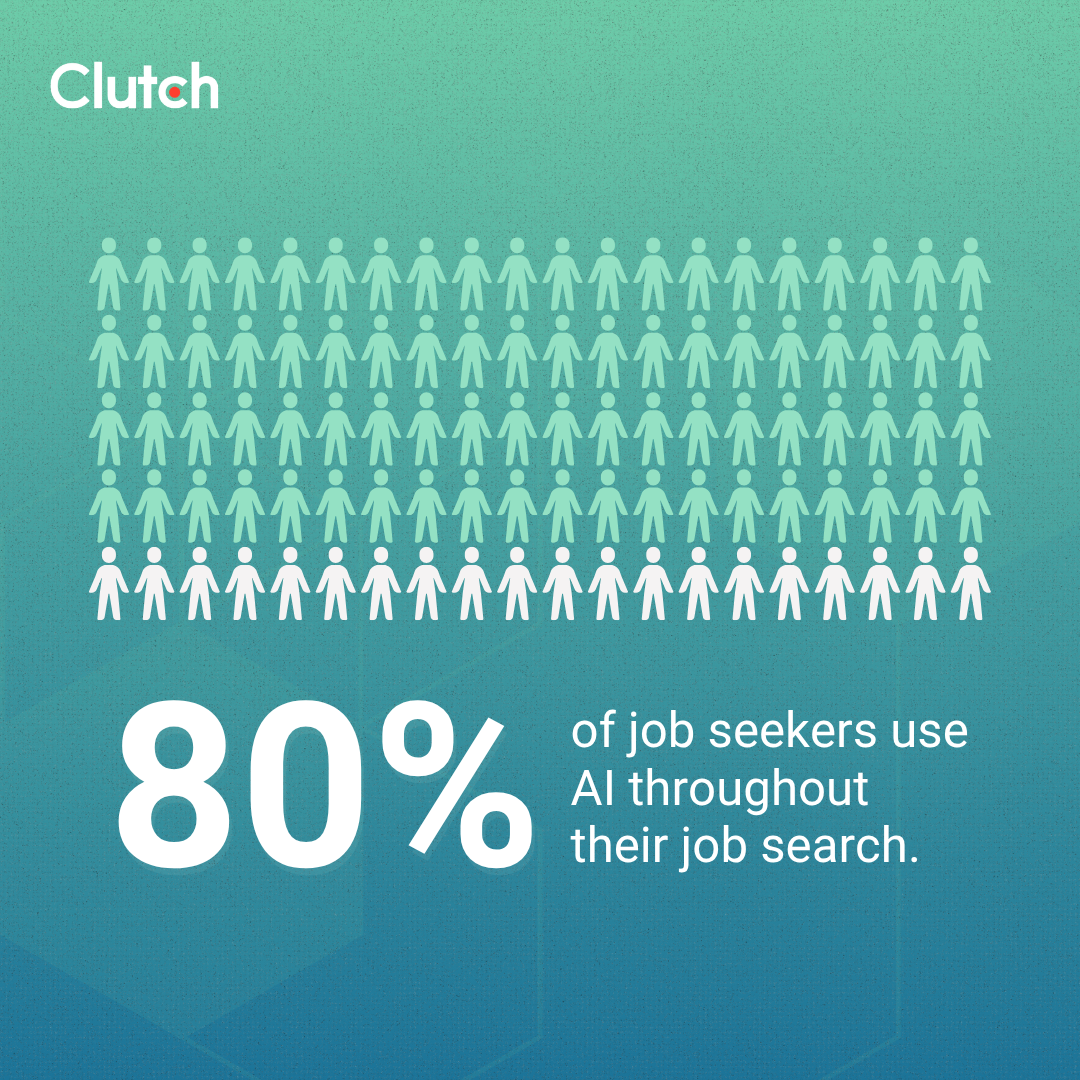
The World Economic Forum estimates that 90% of employers use automated screening systems in their hiring process, making AI a common first step in evaluating job candidates. At the same time, 80% of job seekers use AI throughout their job search to write resumes, draft cover letters, search for openings, and improve their applications.
Looking for a Artificial Intelligence agency?
Compare our list of top Artificial Intelligence companies near you
Rather than simply competing against other candidates, many workers are now using AI to navigate a hiring process that is increasingly powered by AI itself.
To better understand how AI is reshaping the job search, Clutch surveyed 590 job seekers about how they use the technology and how they feel about employers doing the same.
AI may make the application process easier, but that doesn’t necessarily translate to success. It also opens up discussion about fairness, job displacement, and how to stand out in a competitive job market.
Key Takeaways:
Overwhelmed by the number of applicants for open positions, many companies now rely on AI screening tools to sort through resumes, identify qualified candidates, and rule out those who aren’t.
But the good news is that job seekers are largely receptive to AI in hiring, with 80% supporting companies using it to screen candidates.
AI's role in hiring extends well beyond resume screening, too. In fact, 61% of job seekers say they've participated in an AI-led interview. In these interviews, candidates interact with an AI interviewer that asks questions, analyzes responses, and evaluates factors like communication skills, confidence, and qualifications before a human recruiter may ever get involved.
Candidates are especially drawn to the convenience and consistency AI can bring to the hiring process. AI-powered interviews, in particular, offer greater scheduling flexibility, while standardized assessments help ensure every applicant is evaluated fairly.
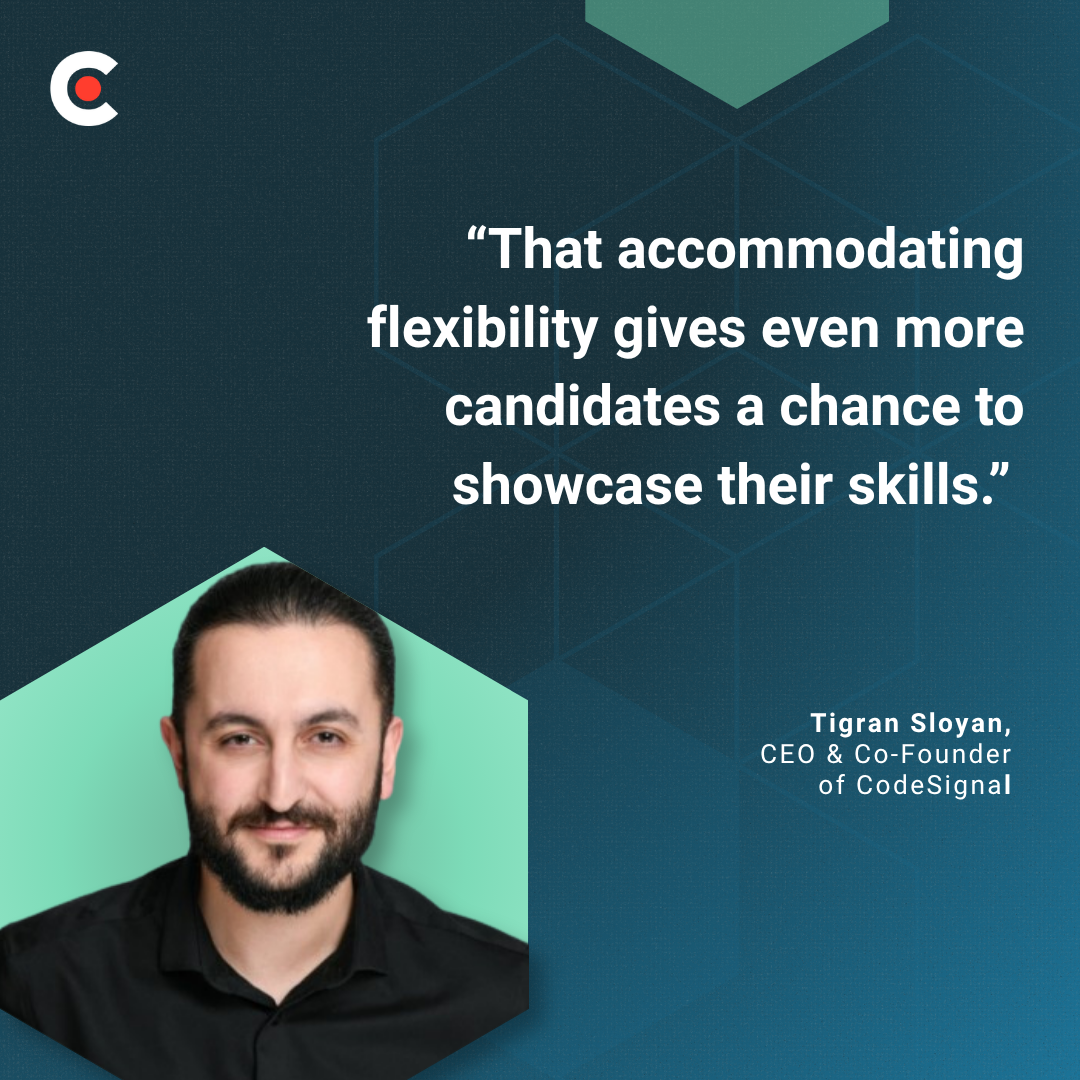
“AI-powered interviews make the hiring process more accessible and convenient for candidates. Candidates can complete interviews anytime, from anywhere, on their computer or mobile phone,” said Jan Mohammad, Marketing Manager at Jobma. “With standardized assessments, employers create a level playing field by asking every candidate the same set of questions and evaluating them against the same criteria.”
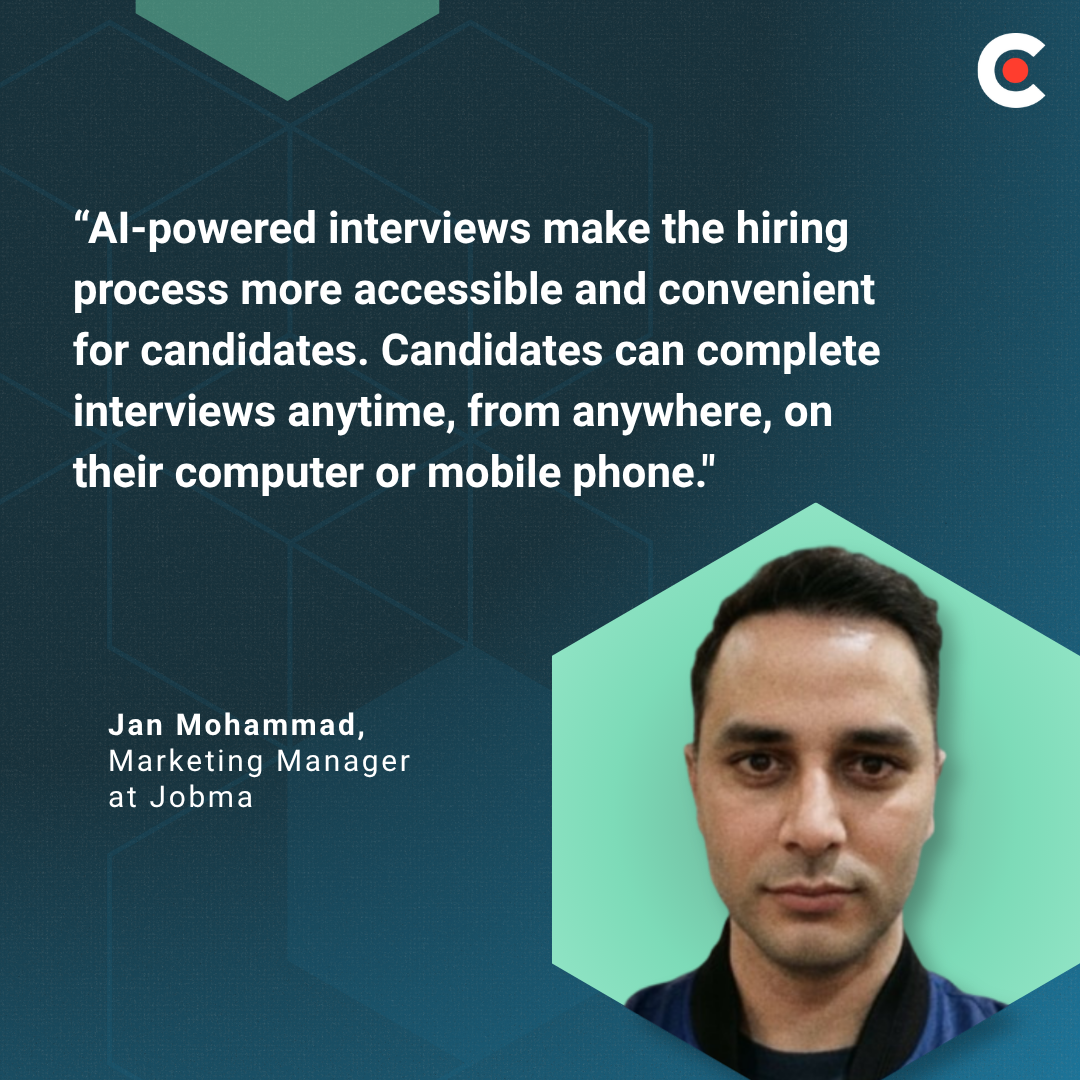
According to Tigran Sloyan, CEO and co-founder of CodeSignal, many candidates value the being able to participate in AI interviews outside of normal work hours. "In fact, more than a third of candidates use CodeSignal’s AI Interviewer outside of the traditional 9-5 because it fits their busy schedules better,” he said. “That accommodating flexibility gives even more candidates a chance to showcase their skills.”
For many applicants, the convenience and flexibility of AI interviews outweigh concerns about the technology itself. But as AI takes on a larger role in deciding who advances in the hiring process, an equally important question remains: Can these systems evaluate every candidate fairly?
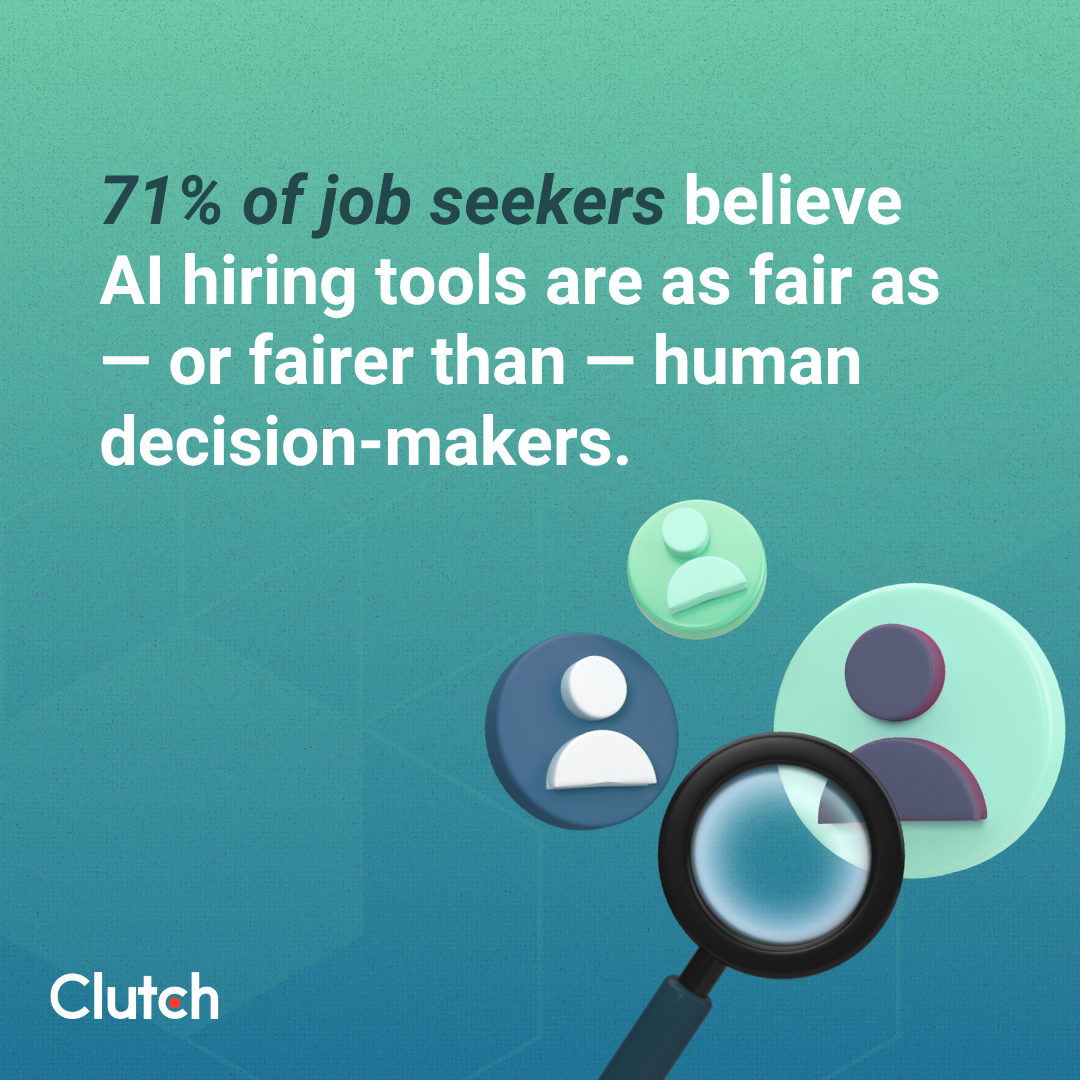
Many job seekers believe that automated tools can help companies evaluate applicants based on their experience and qualifications without bias. In fact, 71% say AI hiring tools are as fair as — or fairer than — human decision-makers.
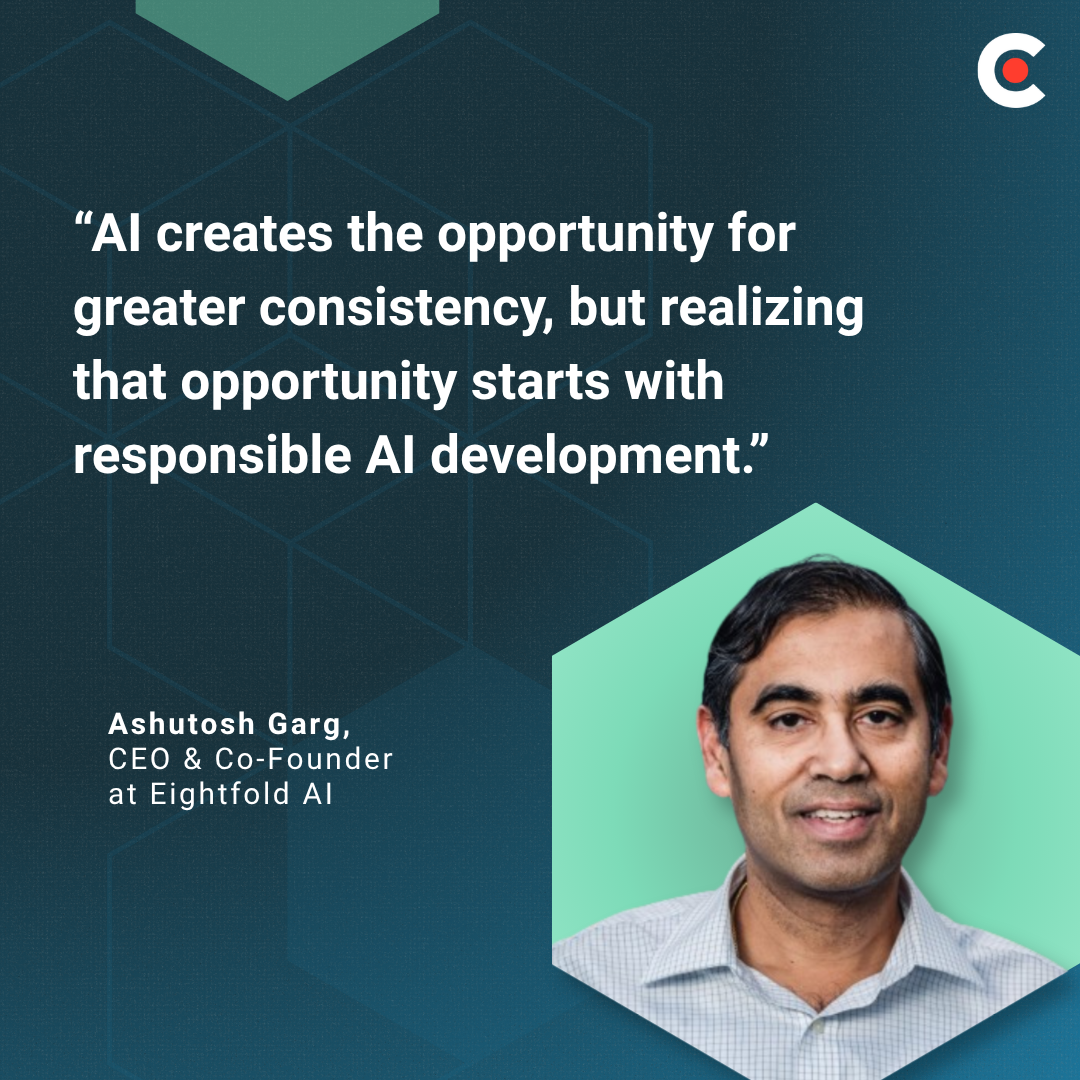
That confidence isn't necessarily misplaced. AI has the potential to create a more consistent hiring process by evaluating every candidate against the same criteria. However, achieving that outcome depends on how these systems are designed and tested. “AI creates the opportunity for greater consistency, but realizing that opportunity starts with responsible AI development,” says Ashutosh Garg, CEO and Cofounder at Eightfold AI.
When responsible AI development isn't a priority, discrimination can persist. Some AI-powered hiring tools can reinforce or even amplify bias rather than eliminate it. Researchers at the Stanford Institute for Human-Centered AI found that Pymetrics' AI screening system discriminated against some applicants based on race, affecting 26% of Black applicants and 15% of Asian applicants in the positions they applied for.
The study also highlights a broader concern: many employers rely on the same AI screening platforms. As a result, an applicant who is unfairly rejected by one company's AI system may be more likely to be rejected by other employers using the same technology, allowing biased decisions to compound across multiple job applications.
For companies building AI hiring tools, responsible development is more than a best practice. It is essential to ensure candidates are evaluated fairly. Garg explains how Eightfold AI ensures fairness, saying, "[W]e rigorously test our models for bias and build them with thoughtful data practices and safeguards designed to promote fair and responsible outcomes."
AI may help employers streamline hiring, but for applicants, the fairness of those decisions can determine whether they move forward in the hiring process or even have the opportunity to speak with a human recruiter.
The vast majority of job seekers (93%) worry that AI-generated applications make it harder for qualified candidates to stand out, and they’re likely right.
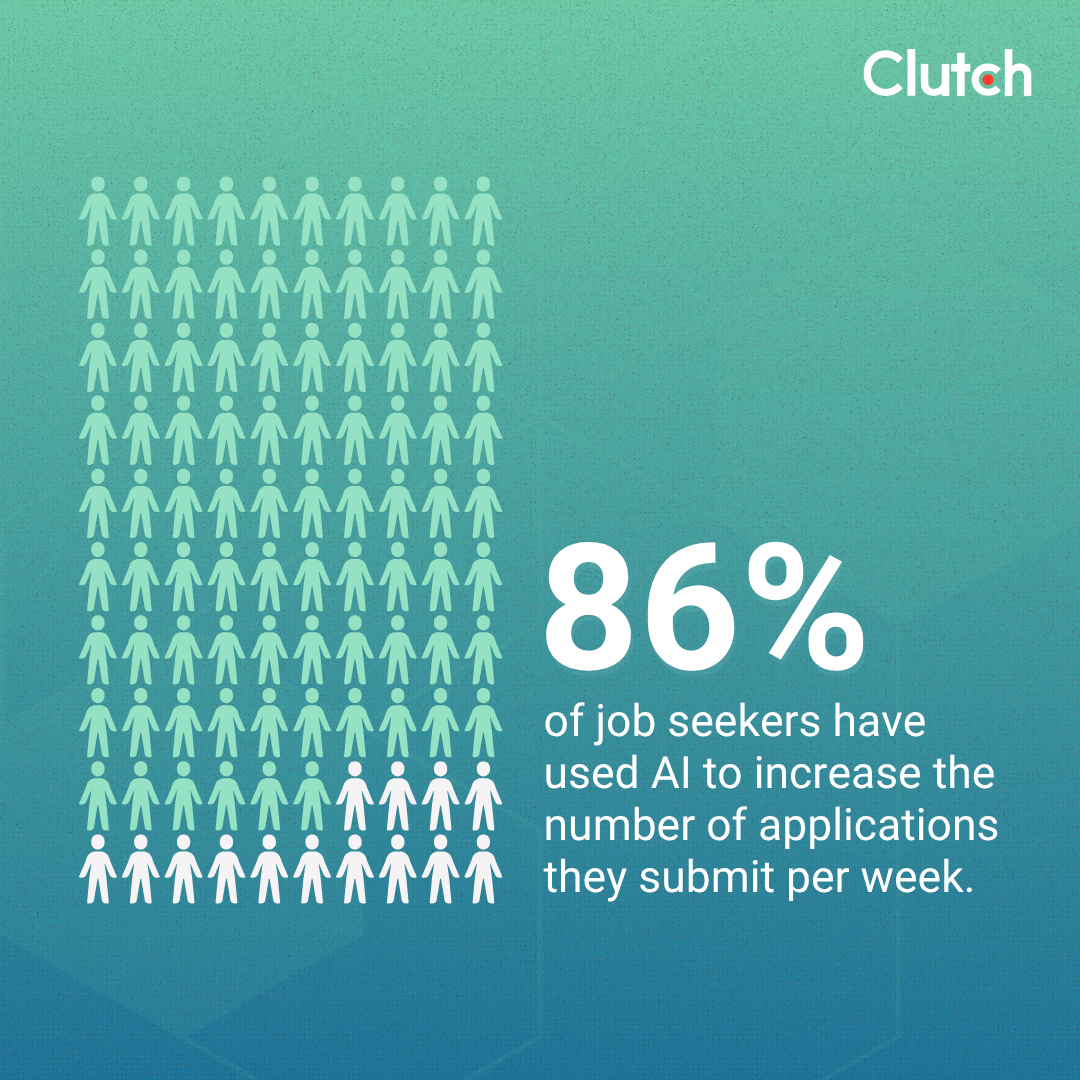
AI has also made it easier for job seekers to apply to more open positions. In our survey, 86% said they’ve been able to increase the number of applications they submit per week thanks to AI.
And getting an interview seems to be a numbers game: 68% of job seekers apply to more than 10 jobs before accepting an offer. The more jobs people apply to, the more likely they are to get through the interview process and be hired.
But that has an impact on hiring teams: as candidates submit more applications in hopes of improving their odds, recruiters are increasingly flooded with resumes for each opening.
Compounding the challenge, AI tools now make it easier for applicants to tailor resumes to specific job descriptions, making it harder for recruiters to identify the strongest candidates.
“AI made it trivial to apply to 10 jobs in an afternoon, and it can genuinely make each one more polished. But polish was never the real bottleneck — recruiters can spot a copy-pasted, AI-smoothed resume or cover letter from a mile away,” says Peter Duris, CEO of Kickresume.
AI has made job applications more accessible and efficient, but it has also intensified competition. As more candidates use the same tools to optimize their applications, standing out increasingly depends on factors beyond simply having the right qualifications.
As a result, most workers spend 2–3 months searching for a new job (45%), while nearly one-third (31%) spend more than three months trying to secure a position.
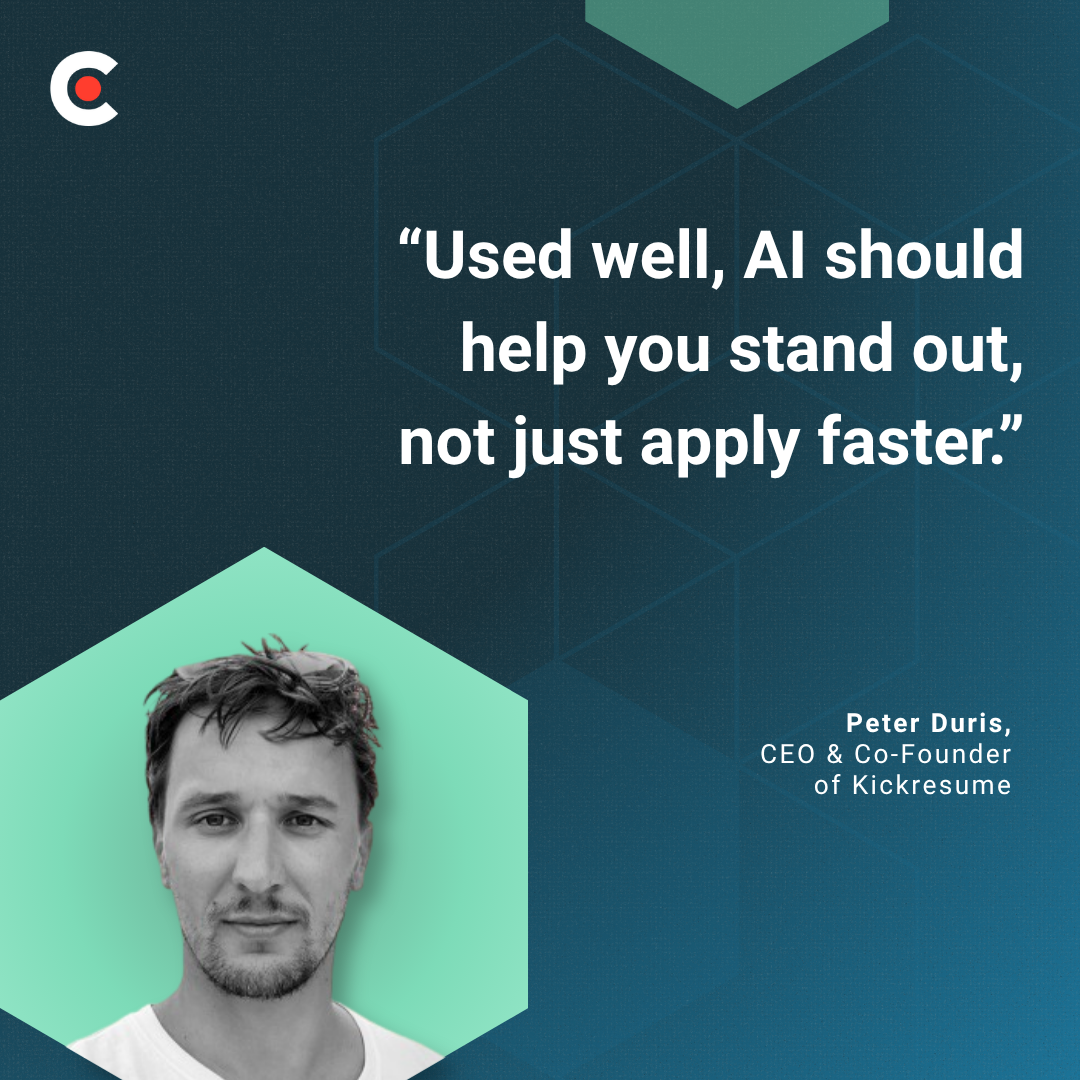
Still, when used properly, AI can help applicants stand out. “Used well, AI should help you stand out, not just apply faster,” said Duris. “You stand out by being you. The pattern we see in resumes from people who get hired is clear: they have a specific detail, a real result, a personal touch that couldn't have come from AI.”
Of course, this doesn’t impact all workers evenly. Despite arguments that many companies are using AI to automate many entry-level roles, junior workers spend the least time searching for new jobs and are most likely to land a job within a month (38%).
In comparison, senior managers almost never do (7%) and usually spend 2-3 months (57%) looking for a new position. The most experienced workers spend the most time looking for a new job, with 23% spending 6 months or more on their job search, more than any other group.
While AI may be contributing to a decline in some entry-level opportunities, these roles typically have fewer requirements and are often filled more quickly.
Higher-level positions, however, tend to involve more selective hiring processes, with recruiters placing greater emphasis on candidates’ experience, skills, and career alignment. Experienced job seekers are also less likely to accept a role unless it supports their long-term goals and professional growth.
As companies increasingly rely on AI screening tools, many job seekers worry that their applications are being rejected before a human ever reviews them. In fact, 78% suspect they have been automatically rejected by an AI system.
This creates a new challenge for candidates: how can they stand out and make it past the algorithms to actually land an interview?
To get past AI screening tools, 80% of job seekers have changed how they write resumes. Before AI screening tools became common, job seekers wrote their resumes for human reviewers by highlighting their experience and career progression. Now, candidates must optimize their resumes for an algorithm that scans for specific skills, keywords, and qualifications.
This means applicants need to match the language used in each job description and use clear formatting to make it easy for AI systems to evaluate their resumes.
“[L]et AI write the first draft and handle the technical stuff — tailoring to the job description, keyword optimization, formatting for ATS,” advised Duris. “But then read it back and make it yours: cut anything that doesn't sound like you, and add the details only you can give — why this role, why you. AI can draft, but you still have to decide. That's what keeps it authentically you, and it's usually the part that gets you the interview.”
To improve their chances of getting through AI screening tools, nearly all job seekers (94%) tailor their resumes to match the job description, with nearly half (49%) customizing them for each application.
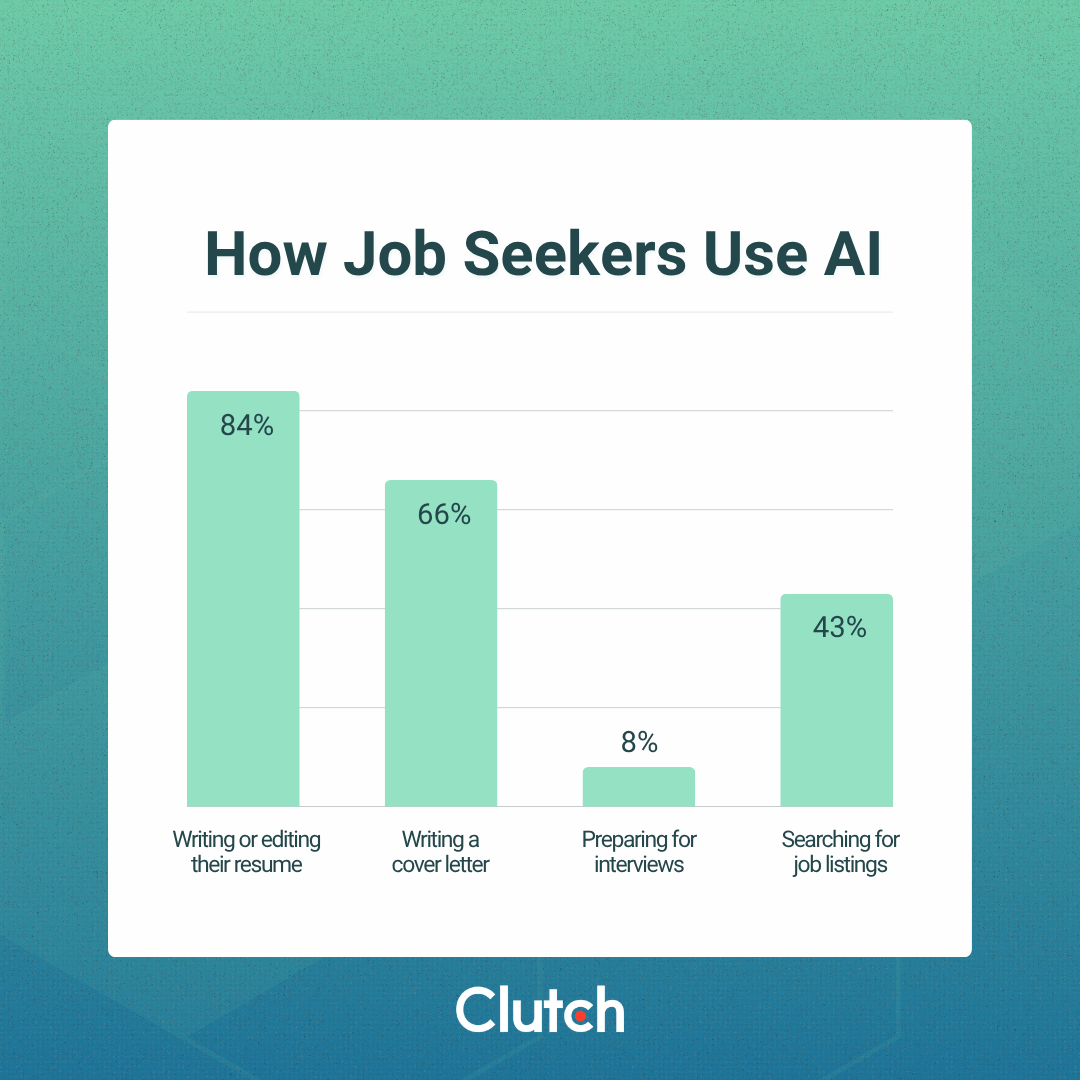
AI is also helping candidates optimize their application materials. Among those surveyed, 84% use AI to edit or refine their resumes, while 66% rely on it to write cover letters. AI is even changing how people look for work, with 43% using it to search for job opportunities.
For many candidates, these tools are paying off. Nearly two-thirds (61%) say AI has made it easier to find a job than it was three years ago, and 67% report being invited to interview for a role after using AI to improve their application materials.
As AI becomes more deeply embedded in hiring, job seekers are increasingly using the technology not just to save time, but to improve their chances of standing out in a competitive job market.
While AI is reshaping the hiring process, job seekers are more concerned about its long-term impact on employment. In fact, 92% worry that AI will reduce the number of jobs available in their field within the next five years.
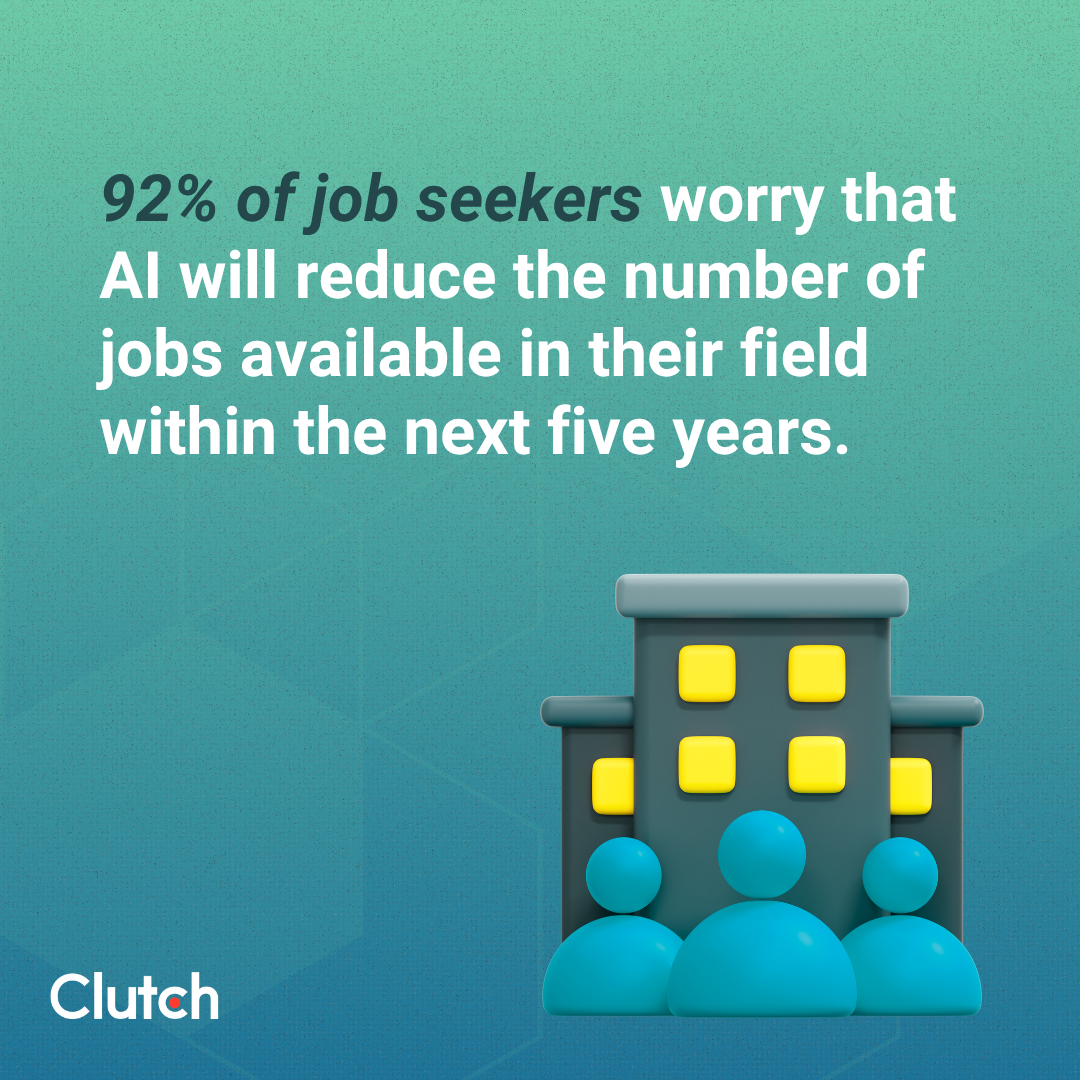
While the job market is already highly competitive, many job seekers fear that this competition is only the beginning. As AI continues to automate more tasks, companies may need fewer employees to accomplish the same amount of work, resulting in fewer positions being posted in the first place.
That means workers could soon face a double challenge: competing against larger applicant pools for each opening while also navigating a shrinking number of available jobs.
As a result, AI may make it easier to find and apply for jobs, but not necessarily easier to secure one.
As AI makes it easier to apply for more positions, recruiters receive more applications, competition intensifies, and candidates often spend months searching for their next role.
Still, job seekers are embracing AI to improve their resumes, write cover letters, and identify new opportunities because it helps them compete in today's hiring process.
Even as they worry that AI could eventually automate parts of their jobs or reduce employment opportunities, many see it as an essential tool for navigating an increasingly AI-driven job market.
Clutch surveyed 590 full-time workers in July 2025 who have looked for a new job within the last year using the polling site SurveyMonkey. All respondents were based in the United States between the ages 18-99; 47% were male and 53% were female.
Participants were asked a series of multiple-choice and single-selection questions about their experience using AI in their job search process. All respondents were required to complete the survey in full to be included in the final analysis.