
Customer Expectations in AI Support: What Businesses Need to Run it Smoothly
Consumers increasingly expect AI-powered customer support. Here's what customers want, and what it takes on the backend to deliver it.
Updated March 5, 2026

Cloud security has evolved over the years and has now reached a critical juncture. CNAPP is a key feature of this era, redefining how organizations approach security.
The use of Cloud-Native Application Protection Platforms (CNAPPs) is growing rapidly. While only 40% of organizations were using these tools in 2023, that number is expected to more than double to 85% by 2024. This massive jump isn't happening in a vacuum.
Cloud environments are getting more complex, and many companies are juggling multiple cloud providers. At the same time, cybercriminals are upping their game with increasingly sophisticated attacks. This pushes organizations to look for better ways to keep their cloud operations secure without drowning in a sea of different security tools.
CNAPPs aren't just another tech buzzword — they're becoming essential for companies trying to stay safe in the cloud so it’s not just about ticking boxes on a security checklist. These platforms help businesses reach their goals by letting them use the cloud confidently.
As companies dive deeper into cloud tech, having a solid CNAPP strategy is becoming as important as any other business decision. It's about staying competitive and innovative without opening the door to cyber threats.
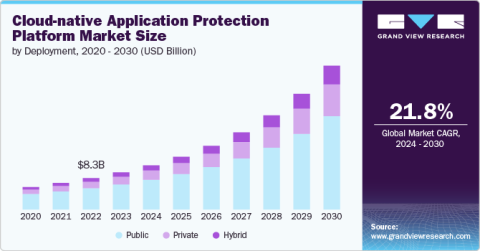
In this article, we discuss how cloud-native application protection solutions work and how they empower businesses to focus on innovation and gain a competitive edge.
The rush to embrace cloud-native apps has been a game-changer for many businesses. They're innovating faster, scaling up easily, and often saving money. But there's a flip side - all this cloud action has blown the doors open for cybercriminals.
The numbers paint a pretty stark picture. Cloud security issues shot up by a whopping 154% worldwide in just the past year. That's more than double the headaches for IT teams. What's even more concerning is that only a tiny fraction of companies, about 4%, have the capacity to tackle these risks quickly and effectively.
To top it all off, most organizations aren't putting all their eggs in one cloud basket. Nearly 9 out of 10 are using multiple cloud services. And while this approach has its perks, it's also turning security into an even bigger puzzle.
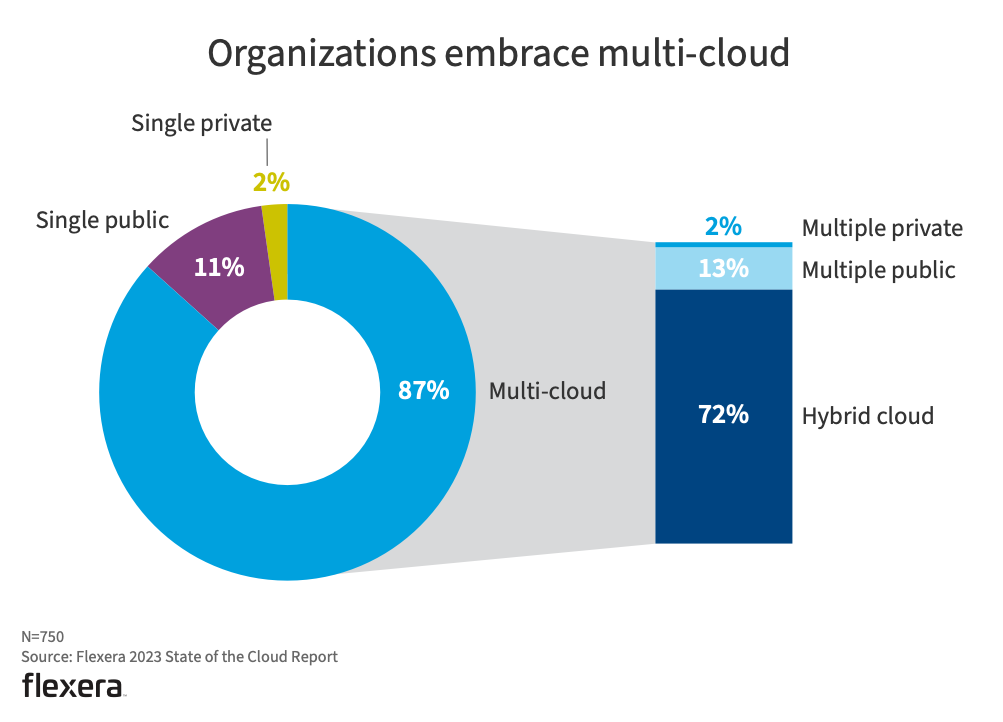
Cloud-native apps provide many opportunities for hackers to poke around—the networks, servers, storage systems, user accounts, permissions, cloud settings, etc. And don't forget about APIs and the whole software supply chain. It's a lot to keep tabs on.
Given all these weak spots, companies need to seriously overhaul how they think about security. It's not enough to just react when something goes wrong. They need to get ahead of the game and bake security right into their apps from the get-go.
The real kicker is that over half of businesses (54%) are still dragging their feet. –not giving security the attention it needs during the development phase.
Essentially, CNAPPs have emerged as a solution to the complex challenges of cloud security discussed above. The idea behind them is to guarantee protection for cloud-native applications throughout their lifecycle, from development to runtime.
This is a notable shift from traditional, siloed security approaches. Rather, CNAPPs are unified platforms that consolidate multiple security functions and streamline operations to enhance overall protection. Some capabilities of CNAPPs include visibility, configuration compliance, code analysis, risk assessment, etc.
It is important to note that the CNAPP market is still evolving, albeit rapidly. It was estimated that 85% of organizations will be using a CNAPP solution by this year, but it is not clear to what extent this has been achieved, even though key organizations are increasingly adopting it as a strategic imperative.
CNAPPs are changing how businesses handle cloud security by enabling leaders to make smarter and more strategic choices. By using a proactive and integrated method for cloud security, organizations can take advantage of the cloud's full potential while reducing risks and boosting business growth.
Visual communication methods like corporate videos can help leadership teams grasp the full benefits of CNAPP adoption, making it easier to demonstrate how CNAPPs enhance risk management, accelerate innovation, and optimize costs. All three points are discussed below:
By combining multiple capabilities into one holistic platform, CNAPPs can offer real-time insights into an organization’s security posture across multi-cloud environments. They also provide automated compliance assessments based on industry standards.
The crucial features of CNAPPs, which make them great for risk management, are proactive threat detection and prevention. Achieving these empowers organizations to minimize the impact of security breaches and, in turn, ensure business continuity.
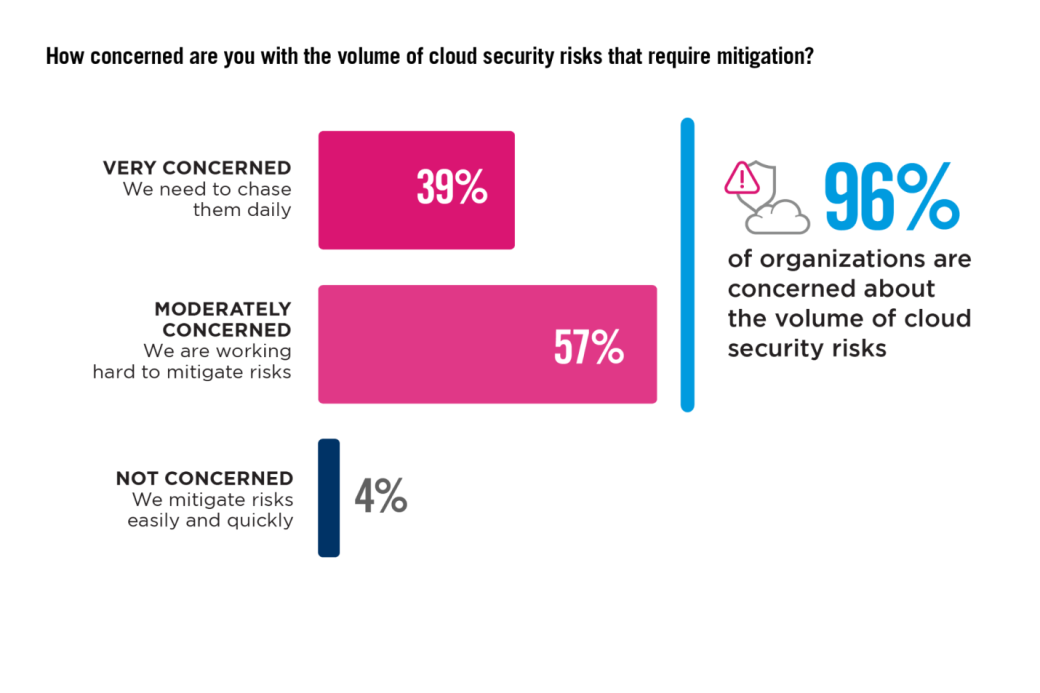
CNAPPs are changing the game regarding baking security into the whole development process. It's all about the "shift left" idea—basically, dealing with security issues way earlier instead of taking them on at the end. This approach lets companies move fast without leaving themselves wide open to attacks.
However, the beauty of CNAPPs is not just in the technical aspect. These platforms are getting the security and dev teams to collaborate more effectively. Using a CNAPP means both teams work from the same playbook, sharing info and insights. It’s all about creating a "security-first" strategy across the organization. The upshot? Apps that are locked down tight, and they're getting them out the door faster, too. It's a win-win.
Managing a variety of security tools is a real hassle. It's not just expensive, but it's also a mess that gives IT teams constant headaches. That's where CNAPPs come into play—think of them as bundling all those tools into one tidy package. And the cost savings can be pretty substantial.
The CNAPP market is blowing up right now, with all sorts of vendors throwing their hats in the ring. But you need to choose wisely. It's not just about grabbing the shiniest tool on the shelf. You need something that's actually going to work for your setup. So, what should you be looking for? Let's break it down.
First things first, you’ll want a CNAPP that's already the whole package. It should be watching your back for both your cloud infrastructure and your apps. That's, in fact, the whole point of CNAPPs. They're supposed to be this all-in-one solution, not just another piece of the puzzle. You don't want many disconnected tools - you want something that ties everything together nicely and neatly.
When picking a CNAPP, you can't just go for something that looks good on paper. It needs to align well with all your dev tools and cloud setups. So, there should be depth but also breadth. Particularly, the platform must offer both agent and agentless integration. More so, if you're like most companies, you're probably juggling several cloud providers. Your CNAPP needs to be able to handle that without breaking a sweat. It should slot right into your existing cloud setup, no matter how complicated.
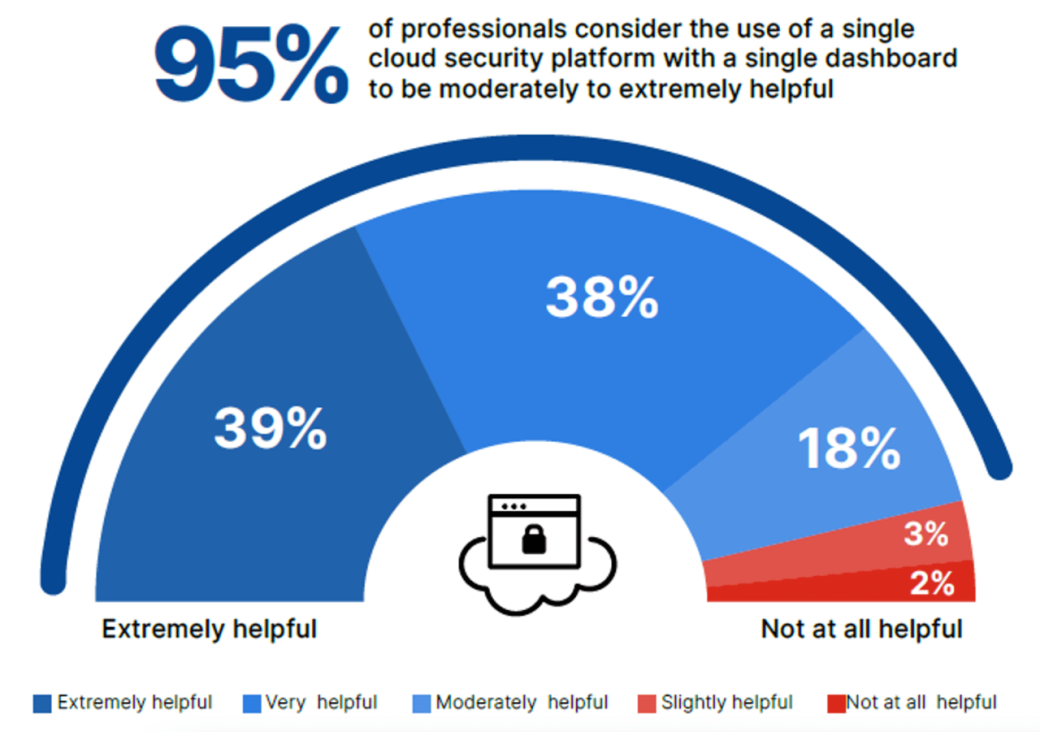
As your organization’s cloud footprint grows, the CNAPP you choose must keep pace without compromising performance. This means, for instance, offering on-demand expansion of data storage as your datasets grow without limitations on data deduplication, accessibility, or core data protection layers.
Partnering with a vendor that offers comprehensive expertise and support is crucial. The best vendors are committed to staying at the forefront of multi-cloud security, investing in research and development to continuously enhance their solutions. Also, evaluate their ability to provide ongoing support throughout the implementation process and beyond.
The evolution of cloud security over the years has reached a critical juncture, and CNAPP is a key feature of this era, redefining how organizations approach security. In any case, simply adopting a CNAPP solution is not enough; organizations must prioritize a fundamental shift in mindset, adopting a security-first mindset that permeates all levels of the organization.
Emmanuel Ohaba is a professional content writer and marketer, who specializes in writing research-backed content for blogs and building organic backlinks for brands to improve SEO and exposure.