No-Code AI Agent Platforms For Every Team
No-code AI agent platforms make building AI agents simple and accessible. Clutch breaks down the best tools by team, including marketing, sales, and support.
Updated April 23, 2026

Most employee wellness programs lose engagement quickly because they don’t adapt to real-life behavior. This looks at how AI changes that, and what actually works once you move past the demo.
Most wellness programs start with good intent. Gym discounts. Step challenges. Annual screenings.
After a few months, participation drops off. Same pattern everywhere.
Looking for a Artificial Intelligence agency?
Compare our list of top Artificial Intelligence companies near you
People don’t engage with programs that feel generic.
A 25-year-old engineer working late nights doesn’t need the same support as a mid-career parent juggling sleep and stress. Yet most programs treated them the same.
AI is shifting this. Different people need different things, at different times.
Wellness has been around for decades.
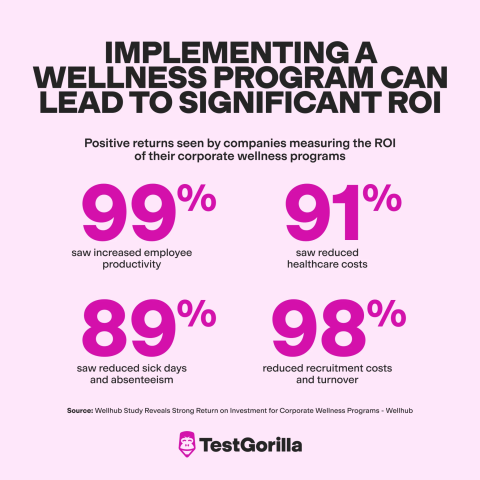
Wellness programs have evolved, but engagement still drops when they fail to match real employee needs.
On paper, each step looked like progress.
In practice, it became a stack of disconnected initiatives.
Apps people downloaded once. Coaching calls: no one booked. Dashboards HR tracked, but employees ignored.
Even when tools improved, the experience didn’t. It stayed broad and impersonal.
The drop-off isn’t surprising.
When a program doesn’t fit your life, you stop paying attention. Fast.
Large studies have shown this clearly, some behavior changes, but limited impact on actual health outcomes or costs.
You see it internally too:
The problem isn’t awareness. It’s a mismatch.
And when mental health alone is costing trillions globally, “some engagement” isn’t enough.
AI just connects signals that were already there.
Sleep patterns. Activity levels. Work schedules. Reported stress. Sometimes, even calendar density.
Instead of sending the same weekly reminder to everyone, the system can adjust:
The useful parts aren’t flashy.
Most of this used to rely on managers noticing (they often didn’t). Now it doesn’t have to.
Most wellness programs sound impressive in demos. Lots of data. Clean dashboards. Dozens of “features.”
Then you launch it. And within weeks, you can tell what actually gets used.
It’s usually a small subset. The rest just sits there. Here are features that actually matter.
This is where the real value shows up. What matters is spotting patterns before something breaks.
For example:
You start seeing someone consistently active at odd hours. Late-night logins. Early meetings. Short sleep windows if they’re using wearables.
Or maybe their calendar is packed for days without gaps.
Individually, none of that is alarming. Together, it’s usually the early shape of burnout.
Without this layer, the system reacts too late. Someone disengages, takes leave, or performance drops, and only then does it get flagged.
With predictive signals, you catch the shift while it’s still manageable.
That’s the difference between prevention and damage control.
Bryan Henry, President of PeterMD, works with long-term treatment models where small shifts in data often signal larger issues ahead.
Henry explains, “What we see consistently is that problems don’t show up all at once. It’s small deviations first—sleep changes, energy drops, missed routines. If you’re not tracking those patterns early, you end up reacting much later when the issue is harder to correct.”
Static plans look good on day one. Then life happens.
Deadlines shift. Workload spikes. Personal stuff comes up. The plan doesn’t.
That’s where most programs lose people.
You’ll see it in behavior:
Not because people stopped caring. Because the plan stopped fitting.
The systems that hold attention are the ones that adjust in real time.
If someone’s week is overloaded, expectations automatically dial down. If they’ve been inactive for a few days, the system doesn’t punish; it resets with something smaller.
It meets them where they are.
Not where they were when they signed up.
Most nudges fail for one reason. Bad timing.
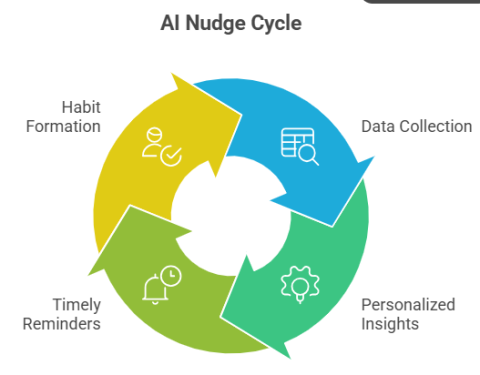
You send a “take a break” reminder in the middle of a meeting block, and it gets ignored. Sending a workout suggestion after a 12-hour day, it feels out of touch.
People reject nudges if they’re mistimed or unrealistic.
When nudges are tied to actual context, behavior changes.
For example:
Small, specific, and timed right.
That’s what gets acted on.
This is one of the few features that actually reduces friction, quick answers when someone needs them.
Think of moments like:
If the system responds with a long article, the interaction ends there. If it gives a short, usable answer, people come back.
It’s less about depth. More about immediacy.
Three features look promising early on.
They demo well. Stakeholders like them. They make the product feel “complete.”
In practice, they slow things down.
These get a lot of attention internally. Leadership likes them. HR reports on them. Employees rarely use them.
Most people don’t want to analyze their wellness data every day.
They want direction. Not a control panel.
If someone has to log in, interpret charts, and decide what to do next, it becomes work.
And anything that feels like work gets dropped.
Most platforms have these. Hundreds of articles. Videos. Guides.
Almost none of it gets used consistently.
Because when someone is stressed, tired, or overwhelmed, they’re not browsing a library.
They want something that applies to them, right now.
Generic content assumes people will do the work of filtering relevance.
Anything that asks for too much upfront effort loses people early.
You see it in onboarding:
Drop-off happens fast.
Cris McKee, Founder of GetWorksheets.com, builds tools that only work if people return to them consistently without needing extra motivation.
McKee notes, “You can see exactly where people drop off. It’s almost always at the point where they have to think about what to do next. If the first interaction doesn’t feel simple and immediately useful, they don’t give it a second attempt. The assumption that people will come back later and figure it out doesn’t hold. If it isn’t clear and low-effort upfront, it just doesn’t get used.”
Even ongoing engagement matters here:
If logging progress takes more than a few seconds, people stop logging. If actions feel like tasks, people stop acting.
AI personalization can help your employees in ways you didn’t see coming, and ones you did.
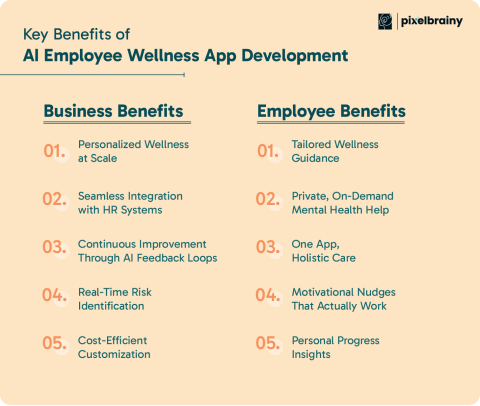
This shows how AI personalization supports both engagement and long-term health outcomes.
This is usually the first visible shift. When something feels tailored, people give it a chance.
A new parent doesn’t get a marathon challenge. A night-shift worker doesn’t get a 7 am routine plan.
Basic alignment. But it matters.
Avner Brodsky, CEO of GoodWishes, focuses on how people actually respond to platforms meant to support them in real moments, not ideal scenarios.
Brodsky says, “Engagement drops off when something feels even slightly out of sync with what someone is dealing with that day. It doesn’t have to be wrong—it just has to feel off. People are quick to ignore anything that adds friction or feels generic. What holds attention is when the system reflects their current situation closely enough that acting on it feels easy, not like another decision to make.”
This part is less immediate.
You don’t see dramatic changes overnight. But over time:
That’s where outcomes start shifting.
The rollout is where most of this gets tested.
This is where most implementations fail.
If employees feel monitored instead of supported, they disengage instantly.
So the basics matter more than anything else:
Miss this, and nothing else works.
That becomes even more important when people are dealing with mental health challenges. Access to credible options like mental health treatment should stay separate from workplace oversight. When employees believe their employer can see or influence their use of services, they may avoid seeking help.
Bias, misuse, and overreach, these aren’t edge cases.
They show up when:
People notice quickly when something feels off.
And once trust breaks, it’s hard to recover.
Most companies don’t start clean.
They already have:
None of them talk to each other properly.
So teams try to layer AI on top of fragmented systems.
That’s where things get messy.
The teams that get this right start small:
Not a full rollout.
Some shifts are already happening:
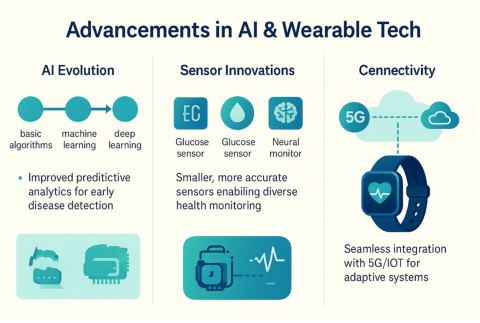
These changes show a shift toward wellness systems that respond in real time and adapt to context.
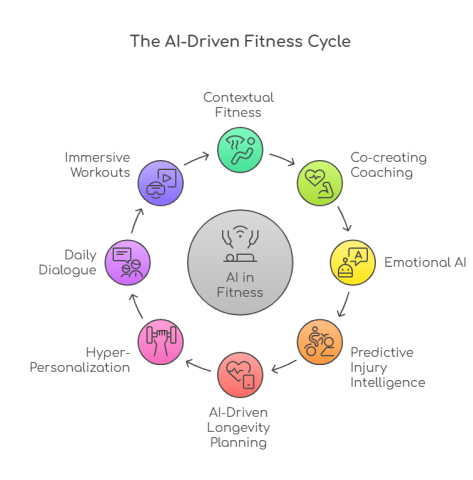
But the bigger change is cultural.
If managers don’t support breaks, no system fix will address burnout. If workloads remain unrealistic, no nudge will help in the long term.
The tools can surface patterns, but they can’t fix the environment.
People don’t operate the same way. Their needs shift week to week. Sometimes, day to day.
AI helps only when it’s used to simplify, not complicate.
Start small. Test what actually changes behavior. Adjust quickly.
That’s what separates wellness programs that get used…from the ones people forget exist.