
The State of Content in the Age of AI
2026 Clutch and Conductor data reveals how marketers are adapting content strategies for AI and LLMs, from bigger budgets to new success metrics and...
Updated January 3, 2025

Understanding the buying process helps you figure out where and when to use videos throughout your sales funnel.
Videos are excellent marketing tools, but they can do so much more than just bring new consumers to your brand. When you create a variety of video content, you can use it in different places in your sales funnel to:
Sales funnels usually start with awareness, then move to interest, decision, and finally, an action.
Looking for a Digital Marketing agency?
Compare our list of top Digital Marketing companies near you
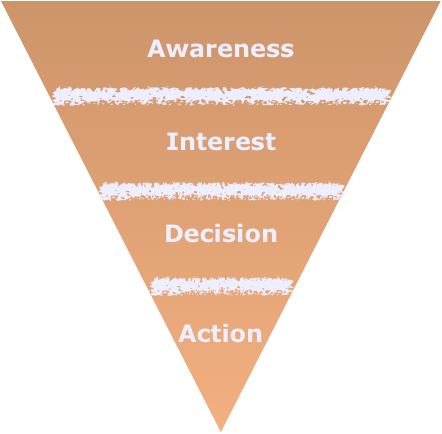
This action could be to subscribe to a newsletter, download an app, or buy a product or service.
Your videos should be purposefully created depending on the role it will play in the customer journey.
The top of the funnel is the awareness phase of the buying process. This is when the customer is just becoming familiar with your product, services, and brand.
At this stage, it’s all up to you as the brand to get their attention and capture their interest. According to Aberdeen Group, marketers who use video get 66% more qualified leads per year. The bulk of your marketing strategy is likely to be focused on this phase.
Content types you can use in the awareness stage include:
How-to and explainer videos give you the opportunity to highlight your product and services and introduce viewers to the many benefits you offer.
These videos help to build brand awareness and introduce consumers to your product. If your explainer is impressive to the viewer, they’ll likely continue on in the sales funnel to the next phase to find out more.
Since consumers are just becoming aware of who you are and what you offer, you can give them more.
For example, HubSpot published a video that gave consumers a peek inside their office.

The video included interviews with company leadership, employees, and a lot of visuals from around the office.
Company culture videos and behind the scenes look at your day-to-day operations give people more insight.
The next phase is in the middle of the sales funnel. At this point, consumers have become familiar with the brand and are ready to find out more.
If you’ve successfully captured their attention with how-to and company culture videos, they’re very likely to stick around to find out more. They’re showing interest in your products and services and want to better understand how it works and how it might benefit them.
They’re considering their options, and it’s up to you to convince to take another step forward.
Content types to use in the interest and consideration stage include:
Product demonstration videos allow you to go in-depth about how your product works. You can show off the functions and features and demonstrate how to correctly use the product.
For example, Headspace, a meditation app, created an animated demo video to show users how they might benefit from their app.
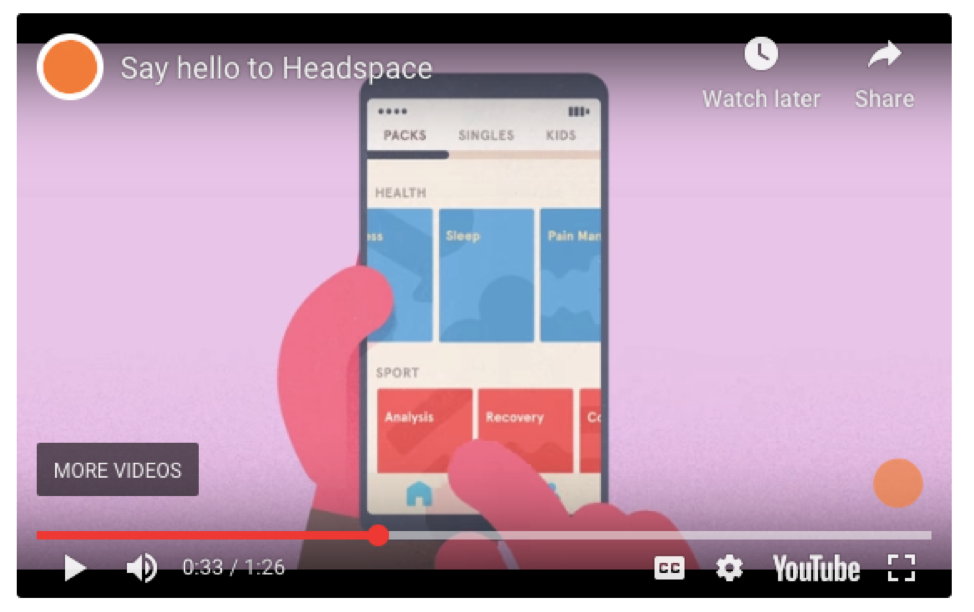
The video was short, snappy, and easy to follow as it walked through all the options headspace offered, including meditations for improved sleep, pain management, recovery, patience, and self-esteem.
Demo videos are informative and they also give the viewer a chance to see the product in action.
When done well, the viewer will visualize themselves using the product or service and see how it can benefit them.
Sit down with an industry influencer or thought leader and ask them questions your customers might have.
Not only will these interviews help you build clout among customers, but they will also give you a chance to share valuable information and insight with your target market.
Still in the middle of the funnel, consumers reach the decision phase of the buying process. At this point, they are moving towards making a purchasing decision.
They’re weighing the benefits with the cost and want to know that this is the best solution for their needs and their budget.
Content types to use at the decision stage include:
Since consumers are in the process of making their buying decision at this stage, it’s a great time to present them with case studies.
Case studies are compelling and convincing, and they allow you to demonstrate your authenticity. You can showcase real customers and have them serve as real life examples of how your product or service is beneficial.
When the subject of the case study is relatable and connects with your target market, it creates an emotional connection for viewers to your brand.
Similar to how case studies show how your product worked for an actual customer, testimonials allow customers to share their opinions with the audience.
A testimonial video is going to be less detailed than a case study, but it’s still an opportunity to allow your satisfied clients to talk about how happy they are with your brand.
Testimonials can be quick, convincing marketing videos that can be used throughout your sales funnel to reach potential buyers.
Customers who have reached the bottom of the funnel have made their purchasing decision: They are hooked and ready to be reeled in, but your work as a marketer isn’t finished.
You need to continue marketing to your customers to maintain their business and their overall satisfaction. Show appreciation to your buyers and invite them to share their feedback and reach out for support if they need it.
Content types to use at the purchasing stage include:
Offer incentives for the purchase in a sales video. Share a coupon code or present a deal that your buyers can take advantage of.
Avoid sounding pushy, and instead, focus on how the deal or discount helps customers. You might also include an exclusive or a freebie that’s only available to customers.
You have an opportunity to address frequently asked questions that customers have; create a video that addresses the most common questions and concerns from your buyers.
Explainer videos are great in the middle of the funnel, but they have their place at the bottom of the funnel, too. Consider creating more detailed explainers to show customers exactly how to use your product and how to get the most out of it.
These detailed explainers can share more in-depth info that customers will find valuable as they use your product or service.
One of the benefits of video marketing is the versatility that the medium provides. Video can and should be used strategically throughout your sales funnel to inform and entertain at the same time.
It can bring awareness to your brand, help consumers make a purchasing decision, and give your buyers confidence in their purchase.
Take advantage of the various types of videos that you can use and present them to your target market at different points in the sales funnel.