
12 Years With Clutch: How Intuz Builds on a Partnership That Delivers
A Relationship That Has Stood the Test of Time Intuz is an AI consulting and development company established in 2008, with operations in Silicon Valley...
Updated March 25, 2026

Businesses frequently make critical mistakes when selecting a web development company, which could affect the success of their project. Avoiding these mistakes is essential to guaranteeing a successful web development project that satisfies both technical and aesthetically pleasing requirements.
Choosing a web development partner is challenging, of course, especially if it’s about a long-term large-scale project and you need a reliable partner to work hassle-free. Unfortunately, many business owners do not pay attention to some major and minor decision-making aspects, which often creates troubles during the partnership. There are a few typical mistakes to avoid, starting with having imprecise project goals and failing to consider communication styles.
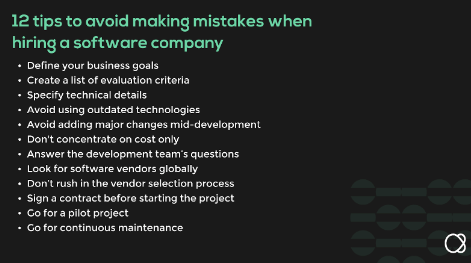
In this article, I'll offer helpful guidance on how to select the ideal software vendor for your web development projects, avoid making the same mistakes twice, get important insights into the recruiting process, and identify essential qualities to consider in a web development firm:
In web development, it's not a good idea to wing things, especially if money is tight. Establish your company objectives and the features you want in your web project before you start searching for a software development partner. This way, you will easily select a company that aligns with your vision.
Web development is costly, and anyone who claims to do it at an unbelievably low cost should be avoided, as they are most probably inexperienced or fraudulent. While you may have a limited budget, look for a company that offers good value with a proven track record and clear communication. Otherwise, you must hire another experienced development team to fix and finish your project.
Be aware that some companies provide the lowest estimate for a generic website that obviously doesn’t include additional features. And when you ask to create them, they usually charge higher than the industry standard.

In short, companies with lower web development charges aren’t wise to hire; you will , anyway, have to pay more in the end or hire a new team.
You can surely start your web project without deep technical documentation in hand. However, remember that clearly outlining your needs and expectations will only help you choose a software partner that will fit your requirements the most. Include features, functionalities, timelines, and budget in your scope of work. The more specific you are, the better and more accurate the proposals you'll receive.
Also, avoid adding major changes or features mid-development if you want your project to be delivered on time and within the agreed-upon budget. This can derail the project timeline and budget.
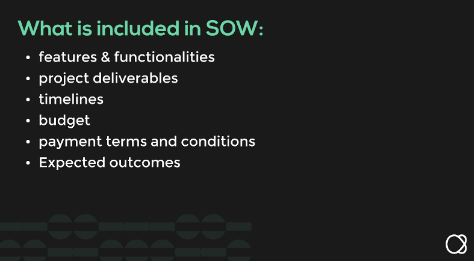
The scope of work (SOW) should be clearly defined upfront and followed as strictly as possible.
This does not imply that just recently released technology should be employed, disregarding older ones. Obviously, older technologies have bigger communities and more resources, and they are already mastered. However, technologies go through massive changes frequently. So, systems with the same old, outdated versions are more prone to errors and significant security breaches. Outdated technologies and versions are more likely to have security risks.
Communication is the key to any project and cooperation. Ensure the vendor has a defined procedure for exchanging updates, reports, and feedback. Some companies offer weekly or daily report sheets or schedule calls to share updates immediately. Select the approach that best suits your needs.
In addition, the development team may have a number of questions while working on the project. Be sure to participate throughout this process by giving frequent feedback and participating in conversations to ensure the final product meets your expectations.
With the increasing tech developments, remote working became more popular than hiring local software developers. This way, you ensure you have access to a larger talent pool and a bigger choice. Don't make the mistake of underutilizing the global talent pool. Instead of concentrating on location, you should choose web development companies that are a match for you.
Some companies can be pressed for time and want a software partner to get their project underway right now, but being pressured into a quick decision may lead to a wrong decision. Take your time to research and interview potential companies, organize several meet-ups if necessary, and ask as many questions as you have.
Why avoid protecting both parties? To secure yourself from unexpected scenarios, outline the project scope, deliverables, timelines, payment schedule, and termination clause in a signed contract.
Accept it as a positive sign if your software vendor companies offer test projects for a short period without any obligations. A pilot project will show you what your cooperation will look like, how the development team approaches challenges. You will see and feel the code quality, evaluate their technical proficiency, and more.
Conducting a test project also helps to lower the risk of imbalance between your expectations and the development team’s capabilities. A successful test project establishes a foundation of trust and confidence between you two.
Any system needs maintenance to stay secure and function properly. So, when choosing an outsourcing partner, ensure they provide ongoing maintenance and ask about its costs.
The first step in making sure your web development project is successful is to choose a proper web development firm. Making an informed choice when hiring developers will be made easier if you are aware of these typical missteps and take these suggestions into account.
In sum, selecting a web development vendor is an important choice that may affect your company's success and online presence. Partnering with a knowledgeable software development partner, you can realize your goal prudently and efficiently.
Anna Khachatryan is a Senior Business Development Manager at Milies software development company. With 8 years of experience in the IT and tech industry, she helps companies worldwide with finding remote tech teams of professionals.