7 Tips For Designing Web Forms
Clutch surveyed 502 web users about what they actually want from form design. Here are 7 data-backed UX principles that reduce abandonment and improve...
Updated November 18, 2025

Websites aren't optional in 2025, even for the smallest businesses. As much as you might have on your plate, the answer to that ever-present question — Do I need a website for my business? — is an unequivocal, emphatic "Yes."
If you have a business, regardless of industry, chances are good that your competitors are online. A recent Clutch survey showed that 83% of small businesses have a website in 2025 — up from 65% in 2018. For the 17% still offline this year, the potential losses are higher than ever.
It's 2025. If you're still debating whether you'd benefit from having a website, you're already losing out on opportunities that could have a big upside for your business.
Looking for a Web Design agency?
Compare our list of top Web Design companies near you
According to BrightLocal, more than 80% of consumers are searching online at least daily, with 58% searching multiple times a day. Google is the default, and business websites account for nearly half of the results displayed on search engine results pages (SERPs).
For transactional searches — inquiries with high buying intent — websites make up 61% of SERP results. If you have a website, you have a chance of getting that traffic. If not, your competitors will. And there's a lot that increased reach can do for your business.
Consumers aren't just searching online for big businesses. A BrightLocal survey reveals that 41% or more of consumer searches involve finding information for small local businesses, and many of those searches involve warm-lead behavior:
That extra attention makes a significant difference. According to Clutch's recent survey data, 40% of businesses with websites cited search engines as their top source of leads, while only 8% cited referrals.
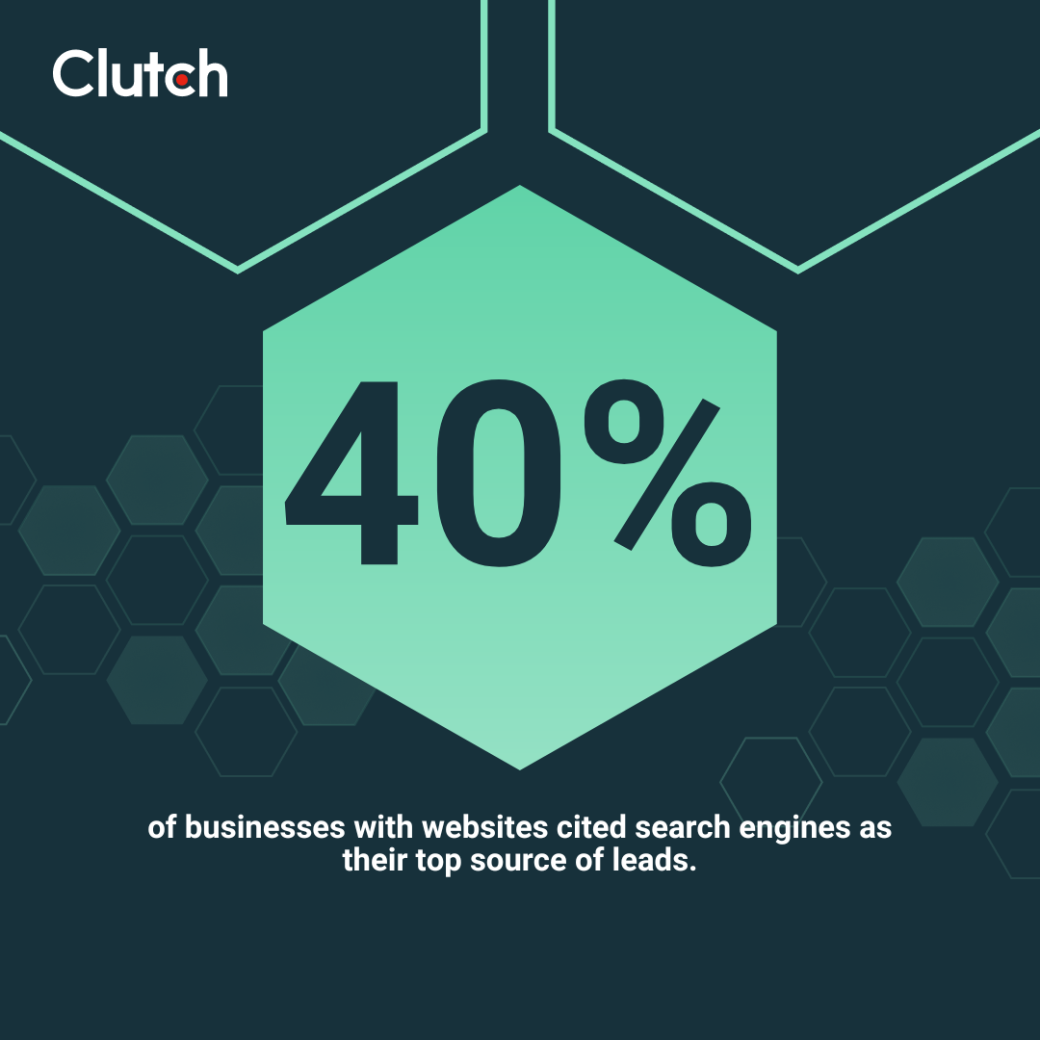
Businesses without websites depend much more heavily on word-of-mouth. Among our survey respondents without websites, 40% cited referrals as their top source of leads. Think of it as adding icing to your cake — you can still get the same number of referrals, plus more business from online.
Offline business owners wonder why they need websites when they already have social media accounts. Social platforms are absolutely beneficial, but a business is never entirely in control of what happens there.
Your website is yours, top to bottom. Your content isn't at the mercy of an algorithm, and you don't have to abide by format or length restrictions. No more "Link in bio" or "Learn more here" — you can post it all, in an arrangement that makes sense for your business.
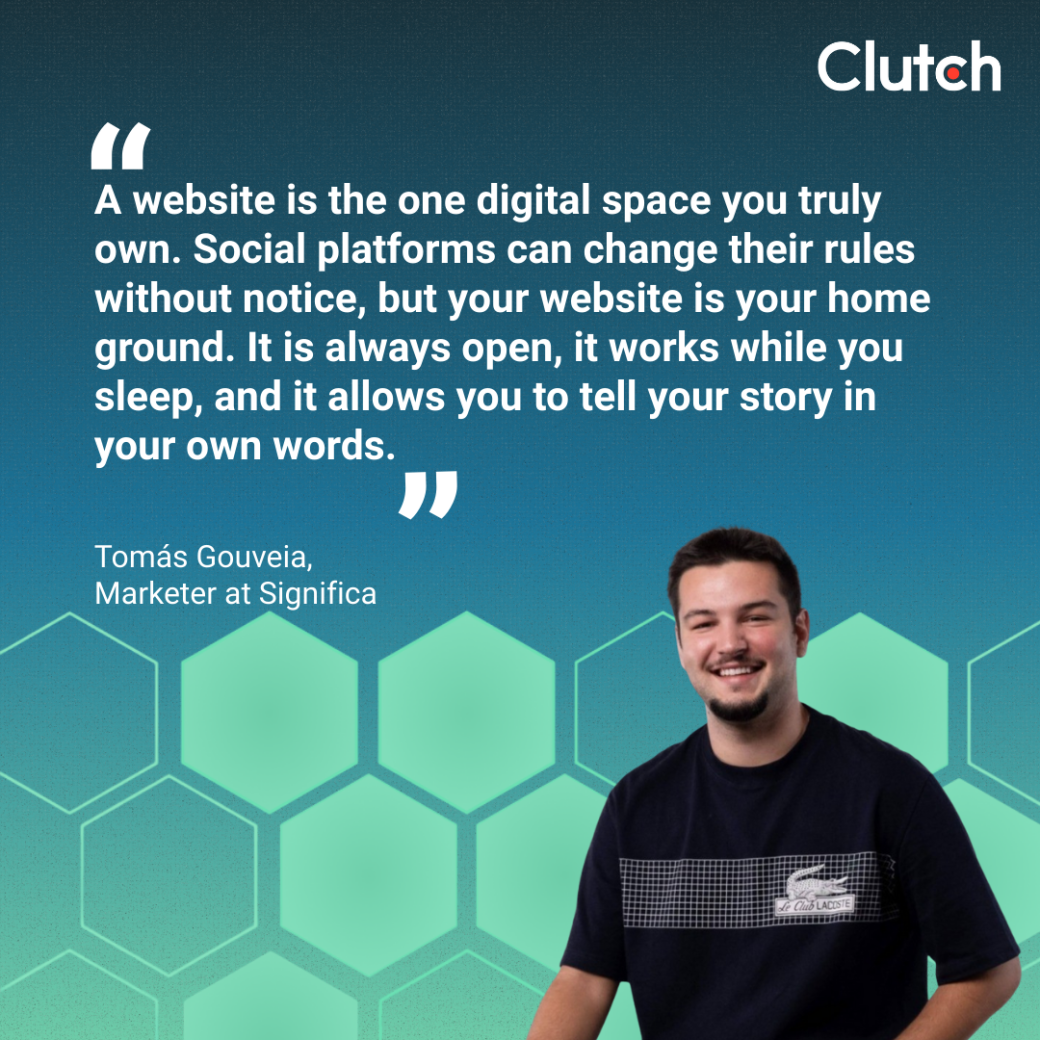
“A website is the one digital space you truly own," agrees Tomás Gouveia, a marketer at digital design firm Significa. "Social platforms can change their rules without notice, but your website is your home ground. It is always open, it works while you sleep, and it allows you to tell your story in your own words.”
That control is essential in the age of internet research. Without a website where you tell your own story, potential customers online can only see what others post.
Many website hosting platforms offer e-commerce integrations, allowing small businesses to sell directly to visitors. This function can open your doors to a whole new cohort of customers, while giving your existing customers more options to make a purchase.
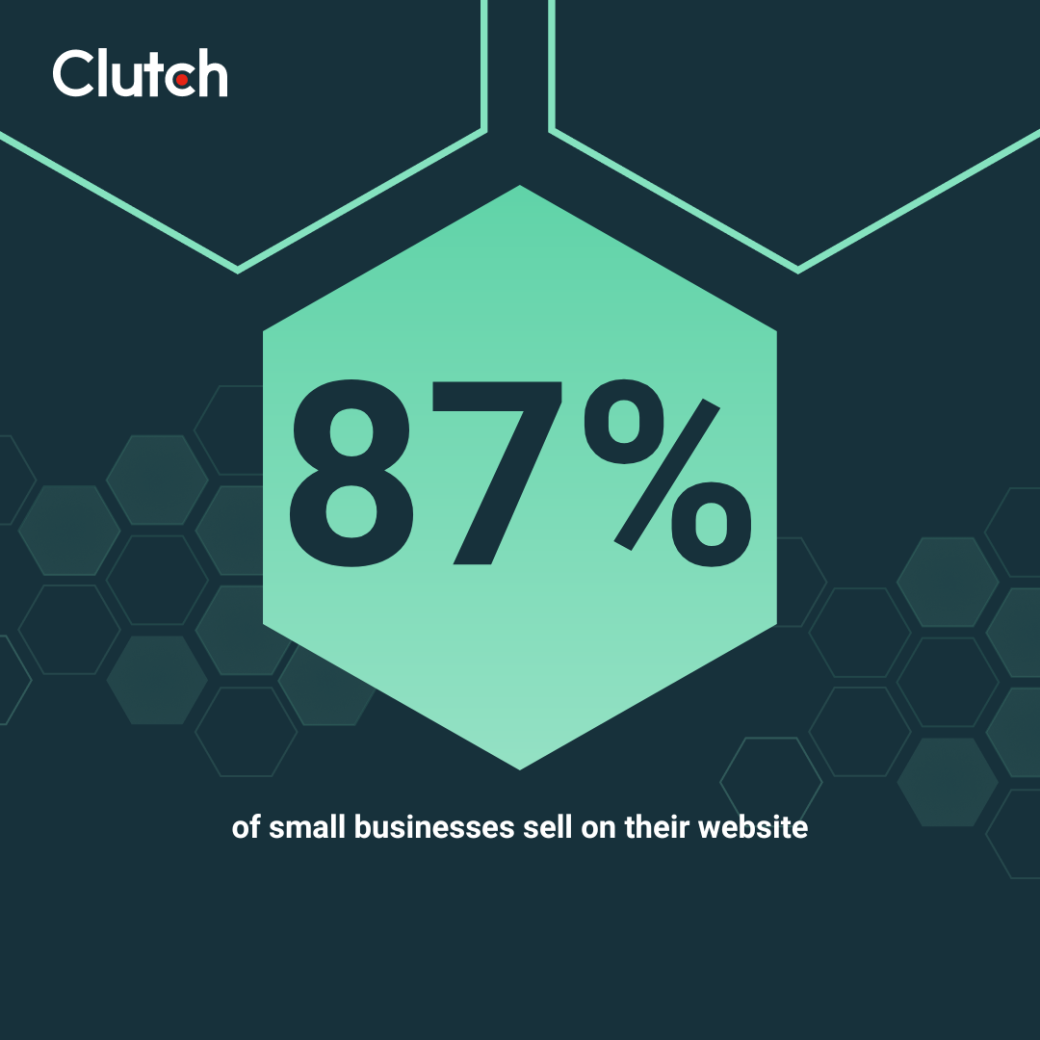
According to Clutch data, 87% of small businesses sell on their website in some form. Some sell products, while others sell digital goods or let visitors book prepaid services. You can structure your online selling in any way that works for your business.
Many consumers turn to the internet to learn more about local businesses. A website puts you in control of those consumers' first impressions.
“A well-designed website conveys professionalism and fosters trust in a way that no social feed can,” says Significa's Gouveia.
Website visitors decide quickly whether a business is worthy of their trust. According to another Clutch survey, 83% of consumers judge a website's credibility in under 20 seconds, and only 13% take the time to interact thoroughly with the site before forming an opinion.
Making a trustworthy website starts with a clean layout that's easy to navigate. Consumers instantly have more faith in your business and may be more likely to reach out.
No matter how plugged-in you are in your community, no one can be everywhere at once. A website is your "always-on" calling card that does it all. It's a hub for potential and current customers to learn about your business, even when you're closed. It enhances your credibility and allows you to generate leads cost-effectively.
Initially, however, you only need one reason for starting a website. Among respondents to our survey:
All are valid advantages of a website for small businesses. You might target one or more goals to start, then add more objectives as you become more familiar. Consider how you'd like to grow, then discuss with a designer or developer how to make that happen.
If you're still asking, "Why does my business need a website?", think about what you might lose without one. Many small businesses can survive offline, but thriving means capitalizing on all growth opportunities. Here's what can happen when businesses choose not to have websites.
Lead generation is the lifeblood of small business growth. Without a website, you're limited to offline and non-owned channels. Among Clutch survey respondents who lack a website:
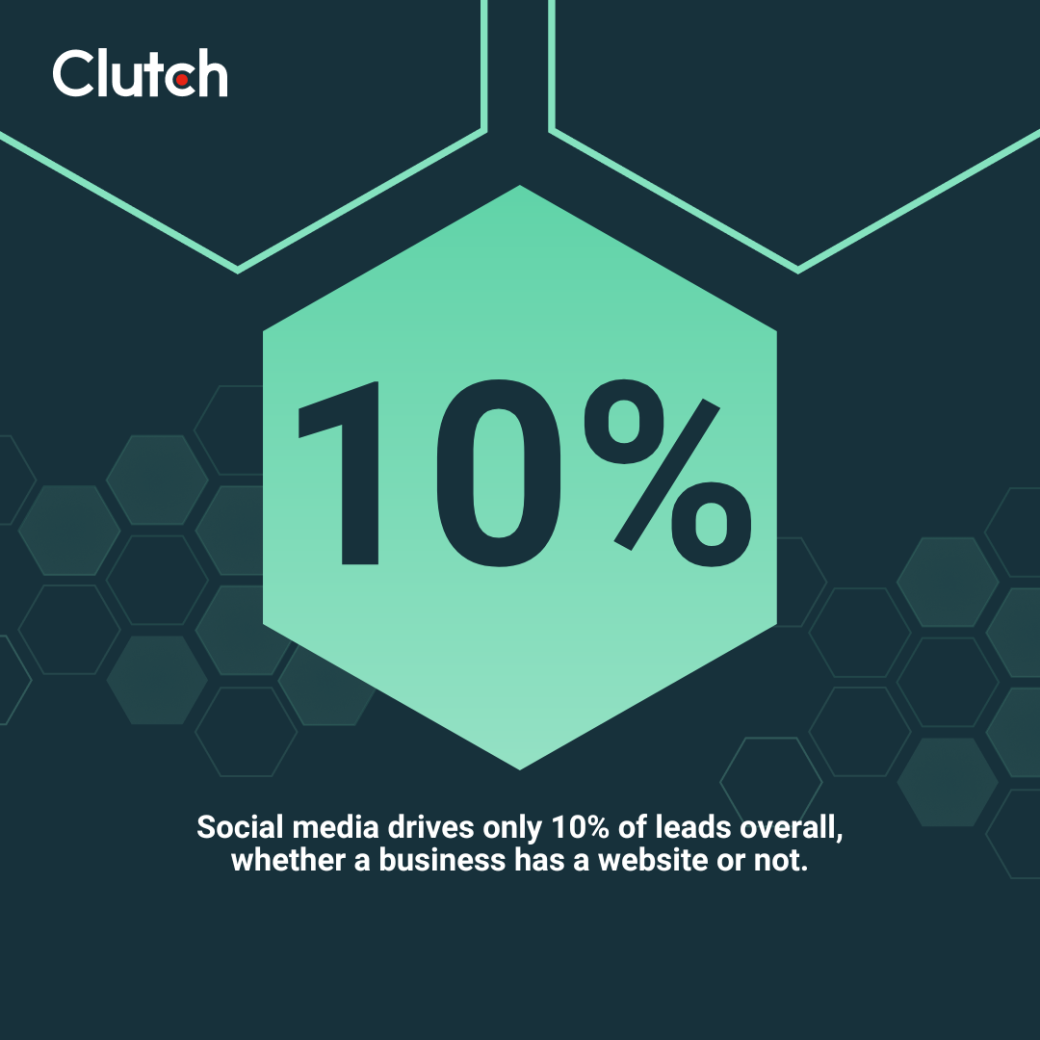
While it can help you capture some online traffic, social media drives only 10% of leads overall, whether a business has a website or not. Websites move the needle much more dramatically.
As Gouveia notes, "In 2025, showing up without a website is the digital equivalent of turning up to a meeting without a business card. It may not stop the conversation, but it will make people hesitate. And hesitation is often where opportunities are lost.”
Every business is online, whether they know it or not. If you don't have a website, people who search for your business can still see what others have posted, from Google reviews to brand mentions on social media.
“Without a website, you let others define how people see you," Gouveia notes. "Review sites, competitors, or even outdated listings end up speaking louder than your own voice. You also miss the chance to build credibility."
Not having a website also limits your growth. Someone searching Google won't find your site — but they will find someone else's.
Now that you understand why small businesses need a website, it's time to address another common objection: lack of technical expertise.
Thanks to no-code platforms and AI integrations, any business can impress customers with a professional-looking website. Alternatively, if you want something more eye-catching and unique, consider hiring a professional developer or working with a low-code system, which requires a bit more knowledge.

Developers and no-code or low-code platforms assist you with the structure and other technical aspects of your website. You'll also need to decide how to handle the design, which requires a different skill set. There are multiple options represented in our survey:
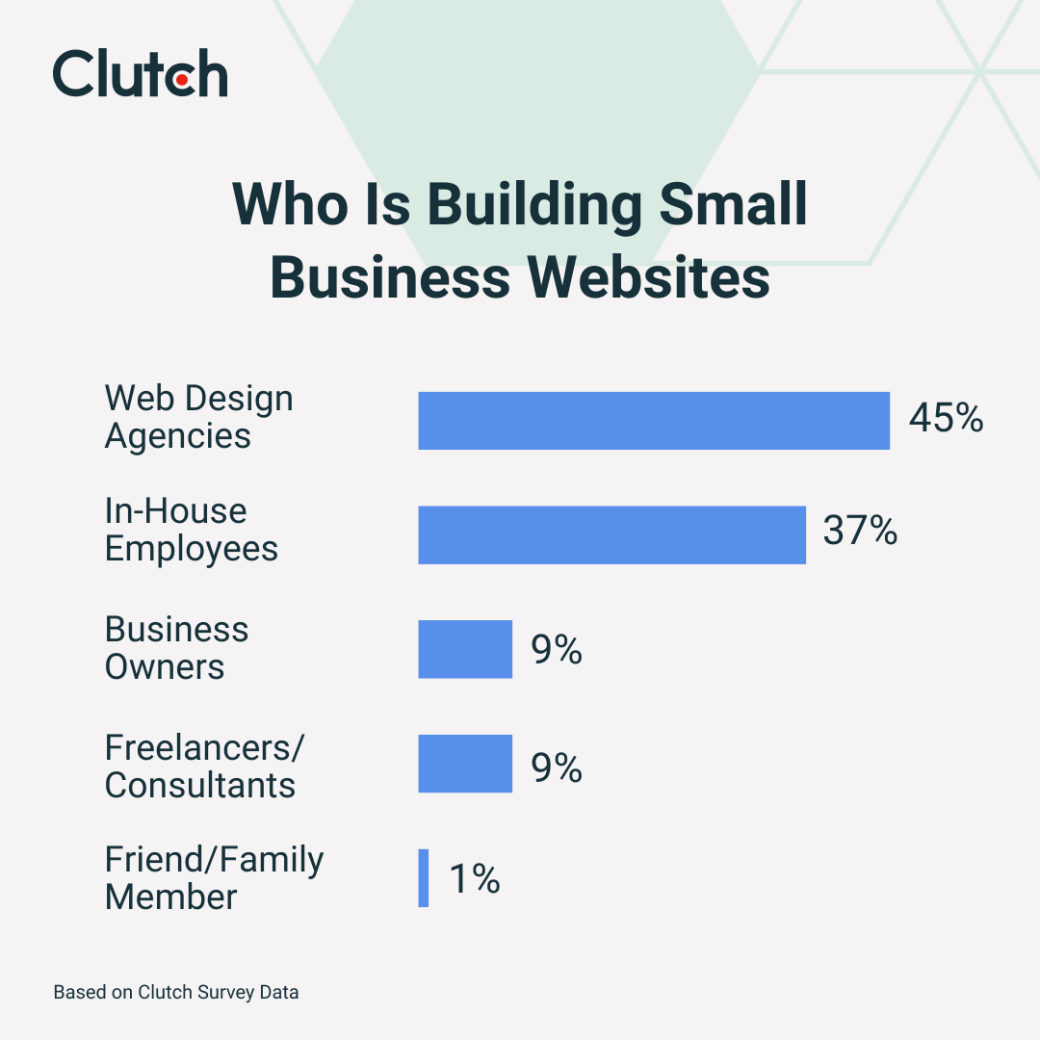
With all of these options, small business websites are more affordable and accessible than ever. Nearly any business can find an option that fits their budget and offers a professional, on-brand aesthetic.
With adoption at 83% and rising, small business websites are no longer optional. Those without owned sites are rapidly falling behind, losing business and even credibility. That's the biggest reason why websites are important for small businesses,
If your business is still offline, even if you use social media or marketplaces, it's time to consider an owned website. It provides a solid foundation for growth and boosts your credibility in an increasingly digital society, helping to future-proof your lead generation strategy.
Websites are a long-term investment. They generate returns well into the future with only moderate hands-on management. If you don't have one yet, start building yours today with a trusted web design agency.
You don't have to build your website alone. Whether you choose to outsource or build your website in-house, Clutch is here with tips and hiring advice to help you get great results. Bookmark these resources: