7 Tips For Designing Web Forms
Clutch surveyed 502 web users about what they actually want from form design. Here are 7 data-backed UX principles that reduce abandonment and improve...
Updated April 23, 2026

When debating whether to outsource your web design or do it yourself, consider this: 84% of consumers say design influences whether they’ll shop with a brand. If your design skills aren’t up to par, that’s the difference between a sale and a bounce.
For most businesses, having an online presence is essential to success. But simply having a website isn’t enough anymore. According to a recent Clutch survey, your web design is essentially the face of your company, and it plays a major role in how potential customers perceive your business.
In fact, 83% of users judge a website’s credibility in under 20 seconds, and design is the top factor they consider.
Looking for a Web Design agency?
Compare our list of top Web Design companies near you
So when it comes to building or redesigning your site, this isn’t the place to cut corners. Because if your design doesn’t hold up, your business might take the hit.
Luckily, there are plenty of professional web designers who specialize in helping businesses like yours put their best foot forward.
In this guide, you’ll learn what parts of the process you can outsource, how to choose the right partner, and tips to make sure your project is set up for success.
Your website is often your first (and sometimes only) chance to make a strong impression on potential customers.
One third of consumers (30%) say design and layout are the first things they notice when landing on a new website. And if they don’t like what they see, they likely won’t stick around to read your copy or explore your offers.
Jay Eckert, Founder and Creative Director of Parachute Design, puts it plainly, “Your website is your first point of contact with customers and is your opportunity to make a first impression,” Eckert said. “When done well, your website is your most powerful conversion tool.”

If your website makes a poor first impression, then you’ll be saying goodbye to nearly half of your potential customers before they even scroll. Clutch data reveals that 45% of consumers say their first impression of a website determines whether they’ll continue browsing. If they feel the website isn’t trustworthy, then they’ll click away and your bounce rate will skyrocket.
Even if you make a good first impression, there are still so many design details that have to be just right in order for a customer to make a purchase. For example, 65% of consumers say typos, bad grammar, and placeholder text make them distrust a website, and nearly half of online shoppers (49%) are turned off by confusing navigation.
Outsourcing web design gives businesses access to skills, speed, and flexibility that are hard to build internally. Here are the key benefits to outsourcing web design:
For many organizations, the biggest advantage is focus. By outsourcing design, internal teams can concentrate on core business goals while knowing their website will meet (or exceed) modern standards.
A lot goes into designing a website, from the initial ideation stages to launching the finished site. You can outsource as much or as little of the process as you want. From building a brand-new site to improving an existing one, external partners can provide specialized skills that align with your goals. Some commonly outsourced tasks include the following:
| Service | What It Covers | When to Choose |
| Custom Web Design | Full site build including branding, responsive layouts, navigation, and coding | You’re launching a new company or need a site tailored closely to brand goals |
| Website Redesign | Refreshing visuals, updating code, ensuring mobile responsiveness, and improving accessibility | Your site looks dated, struggles on mobile, or no longer supports business objectives |
| UX/UI Design | User flows, navigation, interface elements, and usability improvements | Visitors struggle to find information or leave quickly after arriving |
| Integration Services | E-commerce gateways, interactive elements, analytics setup (e.g., GA4), and CRM tools | You want advanced features, online sales, or deeper insight into site performance |
| Performance Optimization | Site speed, SEO best practices, accessibility compliance, and security tuning | Your site loads slowly, ranks poorly, or needs to meet new performance standards |
| Ongoing Maintenance | Updates, bug fixes, security patches, content changes, and monitoring | You need long-term reliability without dedicating internal staff to upkeep |
Outsourcing these services means you’re working with teams that handle them every day. That focus usually results in cleaner execution, faster turnaround, and a site that holds up to modern design and usability standards.
If you're starting a new business, web designers can help build a website that includes all of the features you need to succeed, whether you’re looking to create an e-commerce website with shopping cart capability, contact forms, interactive elements, and more. Most firms offer full services and help shape brand identity through colors, fonts, and style choices.
They also manage front- and back-end development, UX/UI design, and navigation, making sure your website looks professional and works seamlessly.
If your business already has an established website that needs updating to reflect new branding, your business might be in need of a website redesign.
“[Y]our website should change as your company changes over time,” says Kara Jensen, Creative Principal for Bop Design. “As a rule of thumb, a company should be considering a website refresh every 3-4 years.”

An experienced web designer can add new functionality, improve accessibility, and ensure your site is mobile-responsive. If performance has slipped or customers struggle on different devices, a redesign can help you create a site that works better and supports business goals.
You've undoubtedly visited a poorly designed website at some point and experienced extreme frustration. Bad UX design is enough to make you vow never to return to a website. User experience (UX) and user interface (UI) design focus on how visitors navigate your website.
When it's simple for visitors to find what they need, they'll enjoy your website more and are more likely to make repeat visits. UX refers to the overall experience a customer will have on your website, while UI is the graphical interface customers use to complete actions on your site.
When you're ready to outsource your web design, you have several options for finding qualified experts. The best one for you will depend on your budget, location, and comfort with working with external partners.
Nearshore outsourcing involves working with freelancers or agencies in neighboring countries. This can offer significant benefits if your business is in the U.S. Nearshore partners are often located in countries with similar time zones, so you can easily collaborate in real-time. Additionally, the cultural norms are usually similar, so you'll often celebrate similar holidays and have the same work customs.
Working with designers in countries nearby gives you access to global talent so you can easily find highly qualified partners. The exchange rate is also often favorable, which can make hiring nearshore talent cost-effective.
Hiring offshore talent is often the least expensive option. However, it does have some other obstacles that can make it more challenging. Offshoring involves working with people in distant countries that aren't in the same time zone. Either you'll have to work asynchronously, or someone will have to work extremely late or early if you want a real-time meeting.
There may be language differences, which can make communication difficult. The social customs and norms may also differ greatly from what you're used to. These issues can make it harder to convey what you want to an offshore partner.
Onshore outsourcing involves working with partners in your own country. This option can be more expensive than nearshore or offshore outsourcing. However, it's often the easiest and most convenient way to outsource. There are no language or time barriers, and designers will understand trends and customs in your location.
After weighing the pros and cons of nearshore, offshore, and onshore outsourcing, the question becomes which model fits your business best. A few points to consider:
The right model depends on your priorities, but keeping these factors in mind helps you make a choice with fewer risks.
Regardless of which outsourcing option you choose, taking the time to plan will make your project more successful. Here are some tips for working with external partners from any location.
A scope of work is a document that clearly lays out project goals, milestones, and deliverables. Spelling out exactly what you expect will eliminate many misunderstandings that can cause delays and rework. For this reason, the more detailed and descriptive your scope of work is, the easier it will be to communicate with your designer. Often this includes:
This ensures that you will be on the same page with your web design team.
Regardless of whether you choose to hire a local web design team or plan to offshore, you'll want to set up channels that make it simple to communicate with your designer. This can help you keep the project on track and ensure that you are happy with the final design.
One way to strengthen communication is by establishing regular Zoom meetings. Weekly meetings are a great time for your web design team to provide updates and ask you questions.
However, you may find it easier to communicate via email or another platform that allows for asynchronous communication in between these meetings as well. Especially if you are working with an offshore design team, this can help you stay aligned even if your meetings aren’t frequent.
Don't wait until the finished project is due to check in with your designer. Instead, plan regular check-ins at intervals along the way. This will make sure the project stays on track and meets your expectations. Checking in with your designer often will also let you course-correct if you need to make changes.
As you begin your partnership, you need to discuss who will be handling which tasks, what you’re responsible for, and who you should contact for specific questions throughout the design process. While this should be included in your scope of work, it is an important part of establishing clear expectations with your web design team. It will also help you eliminate redundant work. If you provide the branding guidelines, include them in this section so your designer knows they don't need to do those tasks.
Your project timeline should spell out when different phases of the project are due. A detailed timeline will keep everyone on track and alert you to any problems early in the process. Most web design projects take 4-12 weeks to complete, depending on the size and complexity of your website.
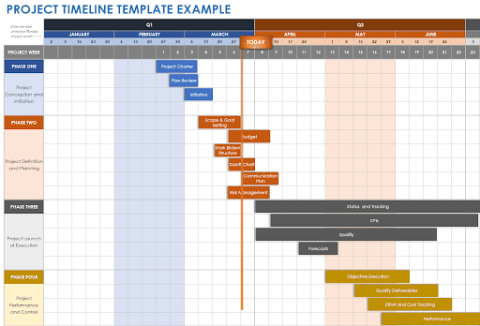
The web design process usually includes:
As such, you should be aware of how much time your web design team will spend on each phase of the project.
As with any project, flexibility is essential. As the experts, the web designers you choose will have ideas you may not have considered. They can tell you whether your goals are realistic and how you can best achieve them. By maintaining open communication channels and checking in often, you can adjust as you go along and end up with a website that perfectly suits your needs.
For many businesses without an internal web design team, hiring an external web design agency can improve their online presence, strengthen their SEO, and even increase sales. Still, once you’ve found a web design partner for your project, communicating your project goals and establishing regular touchpoints throughout the duration of your project is key to a successful engagement.
Clutch makes it simple to outsource for one project or find long-term partners to help you scale your business. We offer a database of over 350,000 vetted service providers so you can find the best talent in the world. Reach out today to find your next web designer.
How much does it cost to outsource web design?
The cost of outsourcing web design is as unique as your business. A basic small business site may only require a modest budget, while a custom e-commerce build can run far higher. Rates differ between local agencies and offshore teams. Some firms price by project, others by the hour. The best way to set expectations is to request a detailed proposal that breaks out design, development, and maintenance so you can compare providers fairly.
Is it better to hire a freelancer or agency for web design?
Freelancers are usually the better fit for small, task-oriented projects, while agencies tend to handle full site builds or redesigns. A freelancer can be a cost-efficient choice if you only need a single design task. Agencies bring a broader team of designers, developers, and project managers. This is valuable when projects are complex or ongoing. Your decision should come down to budget, timeline, and how much of the project you want to manage in-house.
What should be in a web design outsourcing contract?
A contract should outline deliverables, payment terms, communication methods, and ownership of design files. Good agreements also cover revision policies and post-launch support. If anything seems vague, ask for it in writing before signing.
Can I outsource just part of my web design project?
Absolutely. Many companies keep content or branding in-house and outsource technical work like UX, integrations, or performance tuning. This hybrid model is common because it fills skill gaps without handing off the entire project. It’s a flexible option if you want expert help on specific tasks while still retaining control over the parts you know best.