7 Tips For Designing Web Forms
Clutch surveyed 502 web users about what they actually want from form design. Here are 7 data-backed UX principles that reduce abandonment and improve...
Updated March 3, 2026

Without regular updates, even the most well-designed sites can begin to look a little unprofessional. Broken links, outdated facts, strange glitches… It’s not a good look for your business. And it’s certainly not going to help win over customers.
With all the work you put into building your website, you might assume that you can set it and forget it — or at least take a long vacation. But that’s not the case. Sixty-one percent of small businesses update their sites at least once a week.
Looking for a Web Design agency?
Compare our list of top Web Design companies near you
A fresh site that looks nice, runs smoothly, and includes correct information brings in more traffic, builds customer trust, and results in more conversions.
Luckily, updates don’t have to be time-consuming. Drawing on Clutch data, this checklist will help keep your site current, engaging, and — most importantly — ready to convert.
A regularly updated website is one of your business’s best assets. Even when you’re off the clock, it’s bringing in visitors and leaving them with a positive impression.
“Keeping your website current helps you stay visible in search results, builds credibility with customers, and ensures AI tools like ChatGPT and Gemini have accurate information to work with,” explains Austin Mallar, CTO and Lead Tech Specialist at Longhouse Branding & Marketing, an AI SEO Company. continues, “When your content is fresh and clear, these platforms are more likely to recognize your business as the right choice and recommend you to potential customers.”

Don’t have time to endlessly tweak your website? That’s fine. By following a basic checklist, you can breeze through updates.
If you’re logging on between meetings, triage your website updates. Start with the most essential webpages and information that customers are sure to see. Make sure your store hours, pricing, and service availability are accurate.
Take a few minutes to check if your contact forms and booking tools are working. Without them, customers won’t be able to get in touch and may move on to competitors. These small tweaks help avoid confusion and increase sales.
Once you’ve spruced up your existing content, it’s time to update your catalog. Add new products or services with detailed descriptions and photos. But don’t stop there.
Spotlight these new offerings on your home page or with a chic banner. The same goes for promotions or seasonal offers, like a buy-one-get-one Halloween sale. These updates show visitors that your business is actively improving and may encourage them to try new items that might otherwise go unnoticed.
As you learn how to update content on your website, set priorities that make sense for your business.
“If you only have time for one update each week, focus on adding or improving content that answers real questions your customers are asking,” Mallar recommends. “Search engines like Google and AI tools such as ChatGPT, Gemini, and Claude are looking for clarity and trust signals. The more direct and useful your content is, the more likely these platforms will recognize your business as the right answer.”
Add an FAQ section that covers topics like “What are your hours?” and “How long will my haircut appointment take?” Sure, this information is probably already listed somewhere else on your website. But customers (and AI) will appreciate having everything in one spot.
Blog posts and case studies also make your site more valuable. Is everyone in your industry chattering about a new tool? Write a short blog about how customers can use it — or why it’s not as great as it seems.
As you expand your site, include keywords that your audience is likely to type into search engines. A veterinarian, for instance, may use phrases like “affordable spay and neuter” and “fear-free vet.”
“High-impact keywords matter because they match exactly what customers are searching for,” shares Valentina Chiriacescu, Chief Commercial Officer of eCommerce Today. “Using these keywords helps businesses get noticed online, driving better traffic and sales. It's important to regularly research and update keywords to stay relevant in search results.”

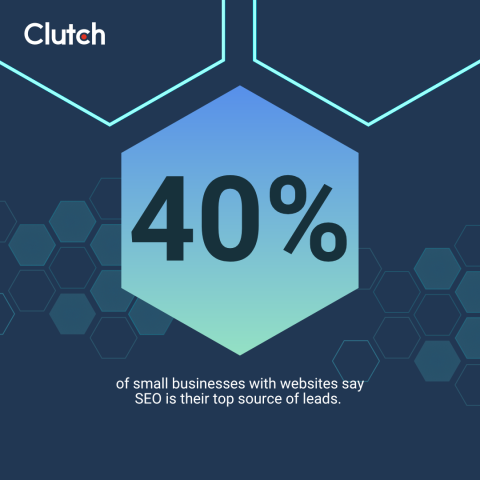
Over time, this increased traffic can have a noticeable impact on your bottom line. In fact, in 2025, 40% of small businesses with websites say SEO is their top source of leads.
As a bonus, you can easily spin this fresh content into marketing materials. “For example, an ebook can be cut into smaller blog posts, promoted on LinkedIn, shared in an email nurturing campaign, and used to support a video series on Instagram,” observes Joyce Collarde, Director of SEO and Content at Obility. It's all about working smarter, not swamping your to-do list.
Nothing turns off visitors faster than a sloppy website. You might have fabulous products, but that doesn’t matter if their descriptions are riddled with random commas or typos like “teh.”
According to a recent Clutch survey, the biggest website issues that make visitors lose trust are:
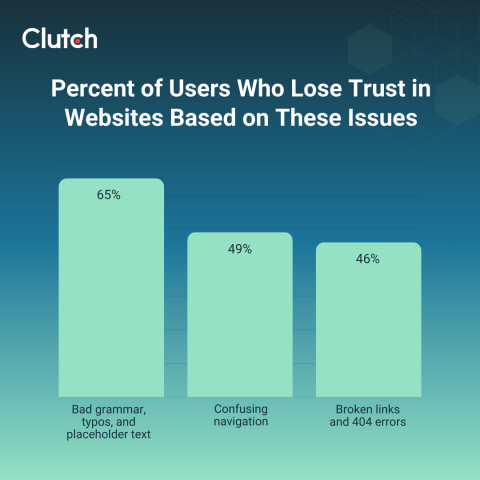
Run into a 404 error on the way to checkout? Buyers will probably just leave, not try to find another way.
Catch these issues early by checking your site’s performance on desktop and mobile. Muzammil K, Marketing Manager at Aalpha Information Systems, notes, “Slow loading speeds can be improved through image optimization, caching, and code minimization.”
Clicking through links and pages will also help spot pesky bugs, hopefully before visitors do.
Working on small fixes every week can prevent bigger, more costly overhauls down the line. They’ll also improve your credibility and search rankings.
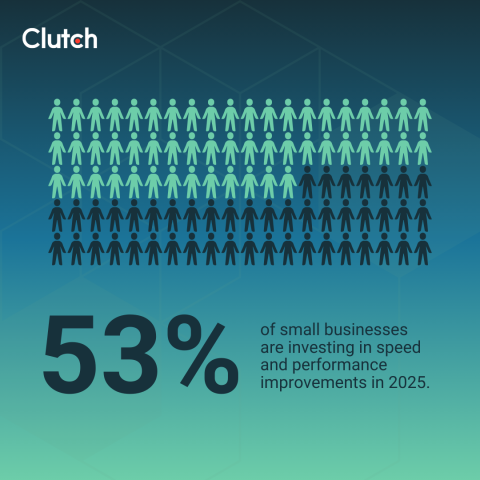
Already experiencing too many issues to tackle by yourself? Outsource the project to a top web design agency to get your site back in shape. With 53% of small businesses investing in speed and performance improvements, you’ll be in good company.
As you update your website, insert any social proof you’ve gathered during the week. This could be anything from a recent testimonial to a before-and-after photo of a kitchen you’ve renovated.
It’s also a good idea to ask clients for permission to share content they’ve created about your business, like a glowing Instagram review. Arham Khan, CEO of Pixated Agency, says, “Social proof through user-generated content (UGC) reviews builds trust and enhances credibility, both of which I believe are essential for conversions.”

Copying and pasting a review doesn’t take much time, but it will make your site look more alive and trustworthy.
Without a website, your options for attracting new clients are limited. Thirty-nine percent of businesses without websites say referrals are their top lead generator, compared to just 9% of those with sites.
Along with bringing in leads, a well-maintained website makes old-school word-of-mouth even more powerful. When people can browse your products and see social proof, they’re more likely to convert.
But once your site is up and running, it’s all too easy to overlook the importance of website maintenance. Keep in mind, frequent refreshes are just as essential as any part of your marketing plan.
“The risk of not updating is that your site can look inactive, lose rankings, and fall behind in AI-driven search,” warns Mallar. “If AI cannot find enough relevant context about your business, it will simply recommend someone else.”
Even light weekly updates build momentum, so don’t stress if you only have a few minutes to spare. It all adds up to a better, more trustworthy site.
Like a thorough vacuuming, your weekly website updates keep your content fresh in the short term. But sooner or later, you’ll need a deep clean — aka redesign — to make everything sparkle again.
Website refreshes are more surface-level, while redesigns involve a complete overhaul. You may switch up your entire layout or add new functions, such as an e-commerce store.
“A redesign is needed every 3-5 years or when branding, technology, or user expectations shift significantly,” says Muzammil K. “The decision should be based on website analytics, user feedback, competitor comparisons, and alignment with business objectives.”

If you notice that your site is gradually losing traffic, it’s probably time for a major upgrade. Customers may also complain that they can’t figure out how to get around your website or find products. With a redesign, you can fix these big-picture issues.
Updating website content may seem a bit tedious, but it’s one of the best investments you can make in your business. Even little tweaks will go a long way to making your site more accessible and helpful. And that sets you up for higher sales and traffic.
Need a hand staying on top of everything? Explore top-rated web development agencies on Clutch to find a partner who can help you get the most out of your site.