7 Tips For Designing Web Forms
Clutch surveyed 502 web users about what they actually want from form design. Here are 7 data-backed UX principles that reduce abandonment and improve...
Updated February 19, 2026

Hidden fees aren’t just annoying to customers; they kill conversions. In fact, a new Clutch survey shows 67% of online consumers have abandoned a cart due to high shipping costs, and 44% say surprise fees are their number one pet peeve when shopping online.
Monika Upadhyay, Assistant Manager of Digital Marketing at Mavlers, confirms: “Hidden fees are the main reason people leave their carts.”
But at the same time, it’s natural to try to maximize your earnings for every customer you serve. So, how can you balance what’s best for consumers with what’s best for your business?
Looking for a Web Design agency?
Compare our list of top Web Design companies near you
This guide will help you do it with actionable strategies for increasing price transparency while also boosting conversion rates.
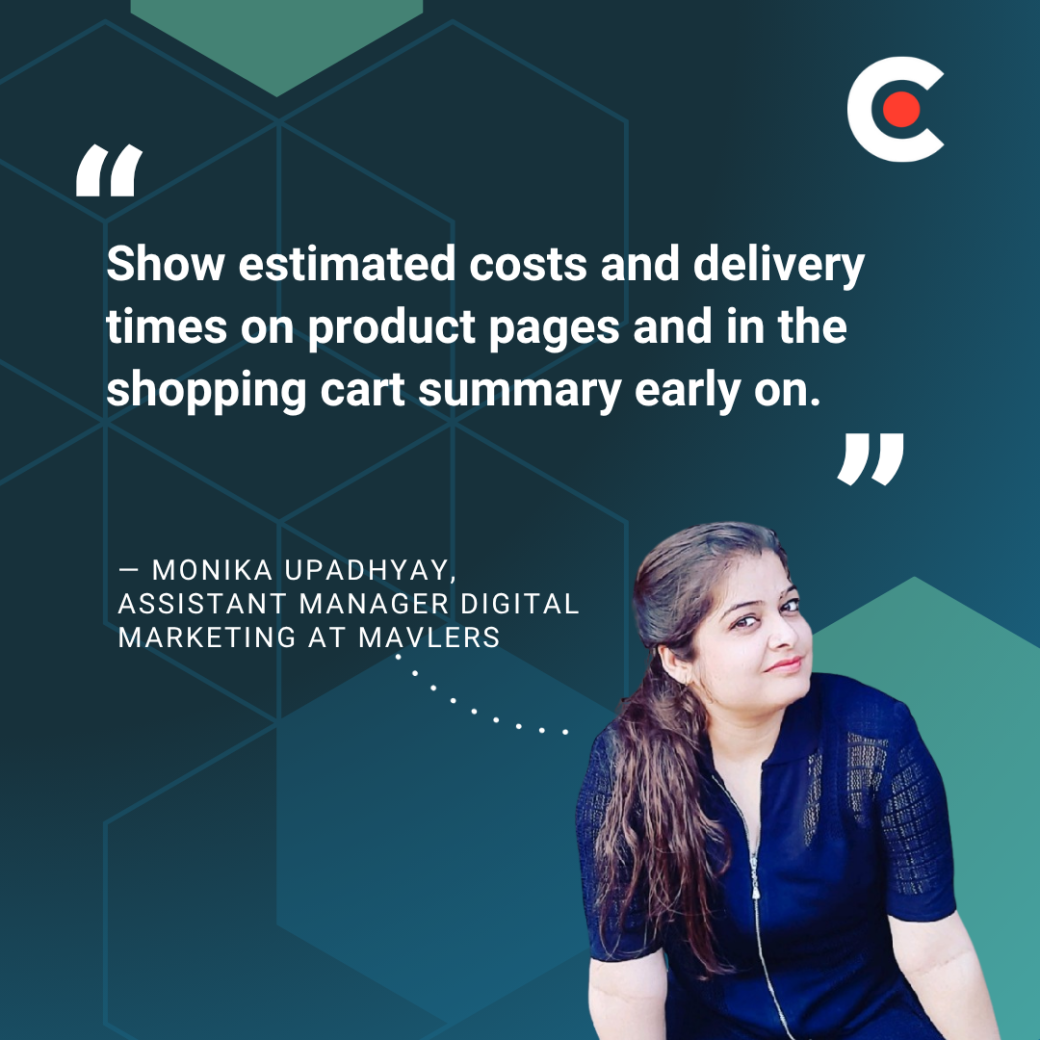
First, Upadhyay says it’s essential to “show estimated costs and delivery times on product pages and in the shopping cart summary early on.” This includes the product’s cost, its shipping fee, tax estimates, and any other charges you may add before finalizing checkout.
The purpose of this strategy is to make consumers aware of the full price as early in the shopping experience as possible. This prevents the unpleasant pricing surprises that often lead to abandoned carts and lost visitors.
While you may worry about showing higher prices on your product pages, a customer will either be willing to pay the full price you charge or not. By delaying their decision until checkout, you only increase the odds of wasted time and frustration. This could lead to them never returning to your site, rather than just potentially choosing not to purchase a particular product.
It’s also important to be specific about shipping costs and timelines. Valentina Chiriacescu, Chief Commercial Officer of Ecommerce Today, explains:
“Smart brands use specific phrasing like, ‘Delivered by Wednesday if you order in the next 2 hours’… These cues remove uncertainty, reduce cognitive overload, and help the customer feel confident enough to complete the transaction.”

Try to apply the same level of transparency to your shipping costs, using strategies like:
Including this information will help your customers find products that meet their needs faster. This transparency improves their experience on your site, which increases their odds of completing a transaction and returning in the future.
Boyd Roberts, Group Director of Emote Digital, encourages clients to “treat shipping and delivery messaging as a selling point rather than a fine print detail.” He says this can be done with:
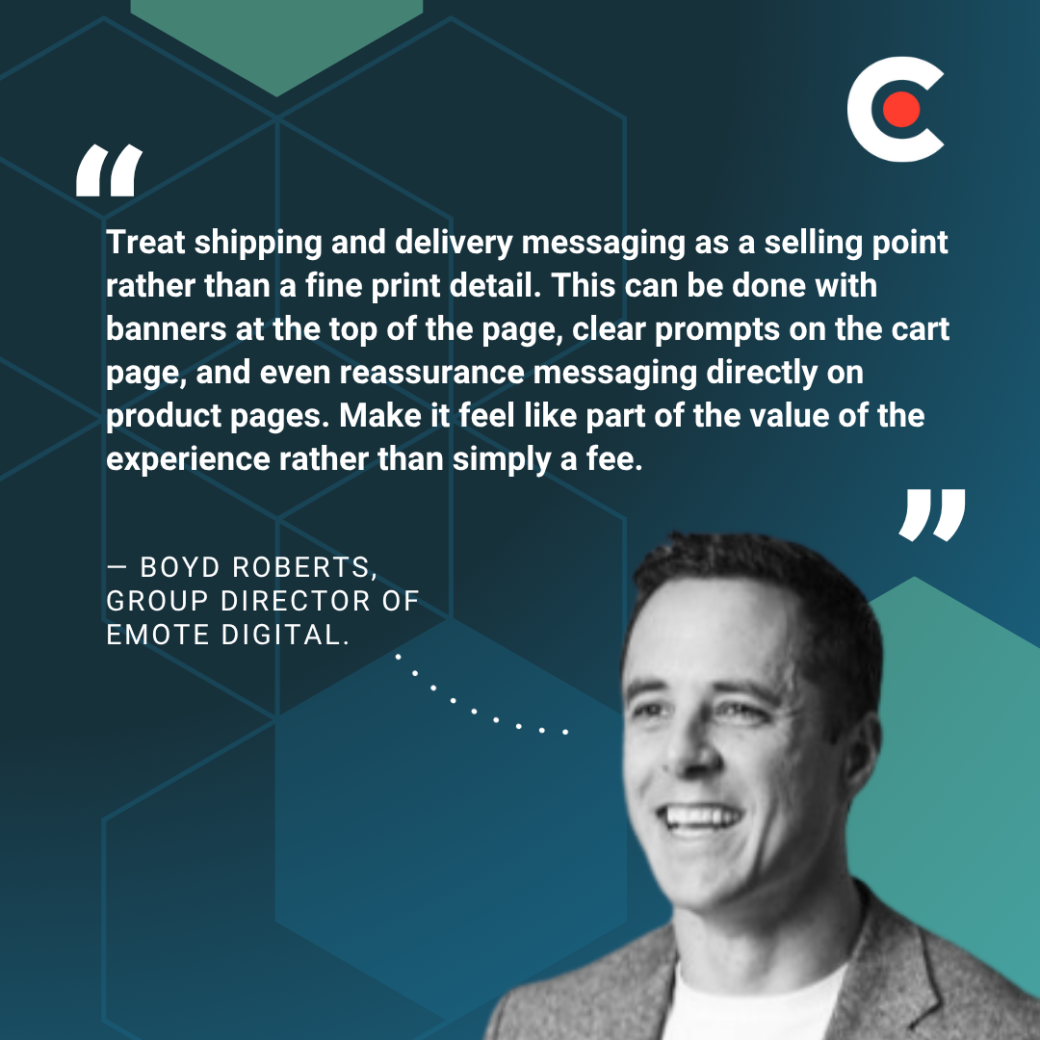
Roberts says this level of price transparency can turn your fees into a valuable part of the customer’s shopping experience. They’ll come back to your brand because they get honest pricing and clear timelines, instead of the confusion they find on other e-commerce sites.
Customers are often willing to accept extra fees and higher shipping rates, but not if they feel like a company is trying to trick them into paying more. Reinforcing price transparency across the customer journey keeps your company on the customer’s side.
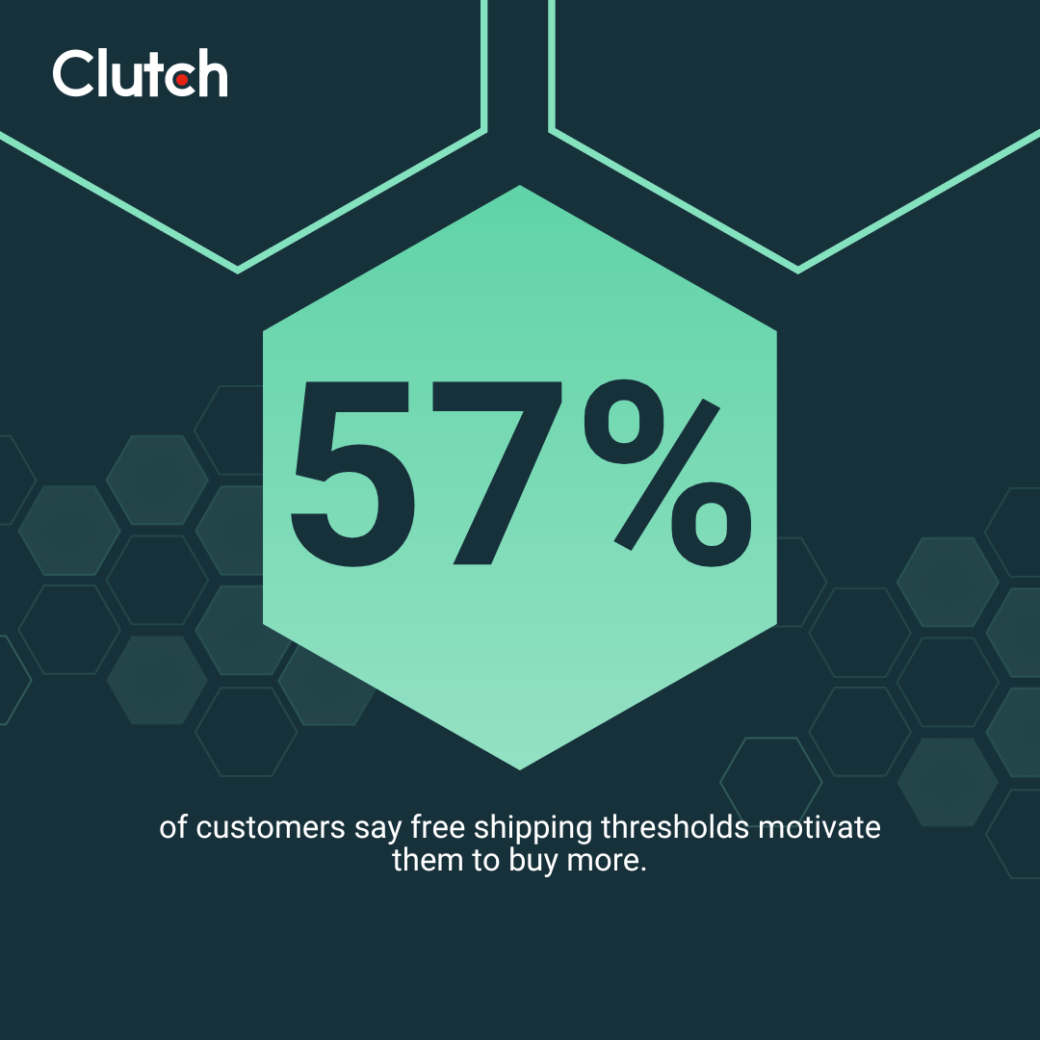
One of the hidden advantages of shipping fee transparency is the marketing opportunities it unlocks. Clutch data shows that 57% of shoppers are motivated by free shipping thresholds. You can leverage a customer’s desire to save money on shipping to encourage them to spend more in your store.
Chiriacescu says, “Free shipping thresholds work surprisingly well: 'Spend $10 more to get free shipping' can turn hesitation into action.” You can display messages throughout the customer journey to reinforce this, such as:
You can also run special limited-time promotions offering free shipping across your entire site. When customers are clear about how much they usually pay for shipping, they’ll appreciate these special offers even more.
Instead of making customers feel like you’re trying to nickel and dime them, they feel like you’re trying to help through transparency and free shipping thresholds. As a result, you turn hidden fees into higher sales.
As you shift to a more transparent pricing style, it’s often worth mentioning it in your marketing materials. This reinforces the value that you’re delivering, sets your store apart from the competition, and helps customers feel confident in doing business with your brand.
For example, you could put a banner on your home page saying, “No hidden fees. Ever.” You could also include the message on your support page, in your shipping policy details, and even on your website’s footer. Some other ideas include:
The goal here is to get customers to associate your brand with fair, transparent pricing. Even if you don’t always have the lowest price, you want them to believe the price they see is what they’ll pay.
Data from Clutch shows that pricing transparency is good for brands in the aggregate. However, that doesn’t necessarily mean that the tactics you try will lead to an immediate increase in sales. You’ll still need to monitor the impact of strategies through data and KPIs.
Some of the most useful metrics for this include:
Watch these metrics before and after implementing transparency-minded pricing changes. The likelihood of improvement after getting more transparent is high. If they don’t, or if the rate is slower than you’d like, it may be a sign you’re not using the right approach.
If you find yourself in this position, A/B testing can guide you toward the right solution. Try out different shipping copy, the location where you place cost info, and free shipping thresholds, among other materials.
Share two versions of each element you want to test with slight variations. Then, track data to see which performs better and use that version moving forward. You can repeat this process as many times as it takes to reach your targets.
For instance, you might test the impact of changing a headline first. Then, once you optimize the headline, you could move on to A/B testing the body copy of a product description or the location of pricing information on the page.
Roberts summarizes the importance of adopting a more transparent approach around extra fees: “I consider transparent communication around shipping costs and delivery times absolutely essential. Today’s customer has too many alternatives to tolerate unpleasant surprises.”
You can unlock more revenue for your brand by sharing this information early and often, throughout the customer’s journey on your site. It may also be worth testing free shipping thresholds to see if they can increase your average transaction value per customer.
Ultimately, cost transparency is about positioning your company on the customer’s side. Do that consistently, and you could reach your sales goals sooner than you expect. If you'd like some help with improving your website's pricing transparency, consider consulting a web design expert.