7 Tips For Designing Web Forms
Clutch surveyed 502 web users about what they actually want from form design. Here are 7 data-backed UX principles that reduce abandonment and improve...
Updated May 29, 2026

You could be losing customers to more than just your competitors. Many e-commerce businesses also lose them due to friction in the shopping experience. Learn how to spot and fix those issues in this article.
Studies show that acquiring a new customer can cost five to seven times as much as retaining an existing one, which is why it’s worth prioritizing loyalty when building your e-commerce brand. However, it's not always as simple as selling great products at reasonable prices.
Even minor UX issues on your website could be quietly killing your repeat customer rate, increasing churn, and raising your marketing costs. This article highlights key factors that discourage visitors from returning to your site and offers actionable tips to overcome them.
Looking for a Web Design agency?
Compare our list of top Web Design companies near you
The data about the value of returning customers is clear. Research shows they’re 9x more likely to convert than first-time visitors and spend 67% more on average. Ultimately, the more repeat customers you have, the higher your profits should be.
That’s why many e-commerce teams focus on optimizing customer lifetime value (CLV). This measures the average amount a customer spends throughout the lifespan of their relationship with you. When your CLV increases, it typically signifies climbing customer loyalty metrics. It’s a metric worth tracking as you work through the problems highlighted throughout the rest of this article.
According to our 2025 Clutch survey on trustworthy websites, there's not just one problem that companies need to worry about. Many minor issues often stack up and chip away at trust over time, hurting a brand's conversion rate.
For example:
These numbers can feel minor in isolation. But together, they silently erode trust, push visitors away, and hurt key loyalty metrics, such as CLV.
First, consider refreshing or redesigning your website with repeat customers in mind. That often means prioritizing a modern, mobile-friendly design to build instant credibility with visitors. You can also:
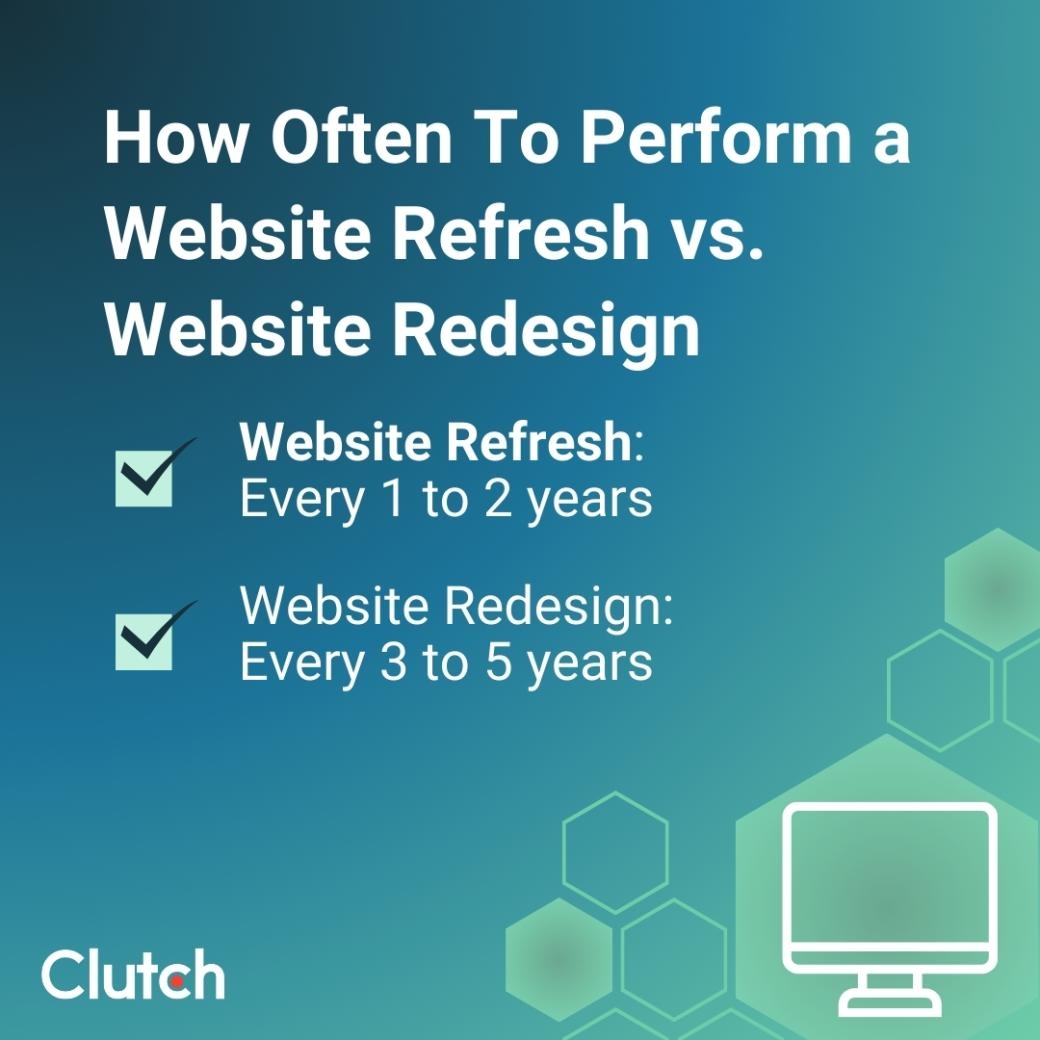
The main question you need to answer here is whether to redesign your website entirely or simply refresh it. Muzammil K, Marketing Manager at Aalpha Information Systems, says, “A website refresh is ideal when the core functionality and structure remain strong, but the design, performance, or UX need enhancement.”
He continues, “A complete redesign is necessary when the website no longer supports business goals or provides a poor user experience. If navigation is confusing, the backend technology is outdated, the site isn’t mobile-friendly, or major branding changes have occurred, a complete overhaul is usually the best move.”
Leaving typos and placeholder text on your site isn’t just careless — it can actively erode consumer confidence in your brand. First-time visitors who see them are less likely to return, according to Clutch survey data.
Everybody makes mistakes once in a while. But you can stop these from impacting your site’s performance by:
You don’t necessarily need to be buttoned up and professional if that’s not your brand’s identity. Rather, it’s important to avoid the kind of sloppy copy that can make users think twice before giving you their money.
Few things drive visitors away faster than a website that doesn’t work properly. When you have dead 404 pages, broken links, or a malfunctioning “add to cart” button, users can feel like they’re using an out-of-date site. This can make them less likely to purchase, as they worry you won’t provide timely service or that they’ll encounter other issues during shipping.
You can fix this problem by:
Broken site features create friction in the shopping journey, which erodes consumer confidence. Implementing proactive processes to identify these issues is the most effective way to stop losing business to them.
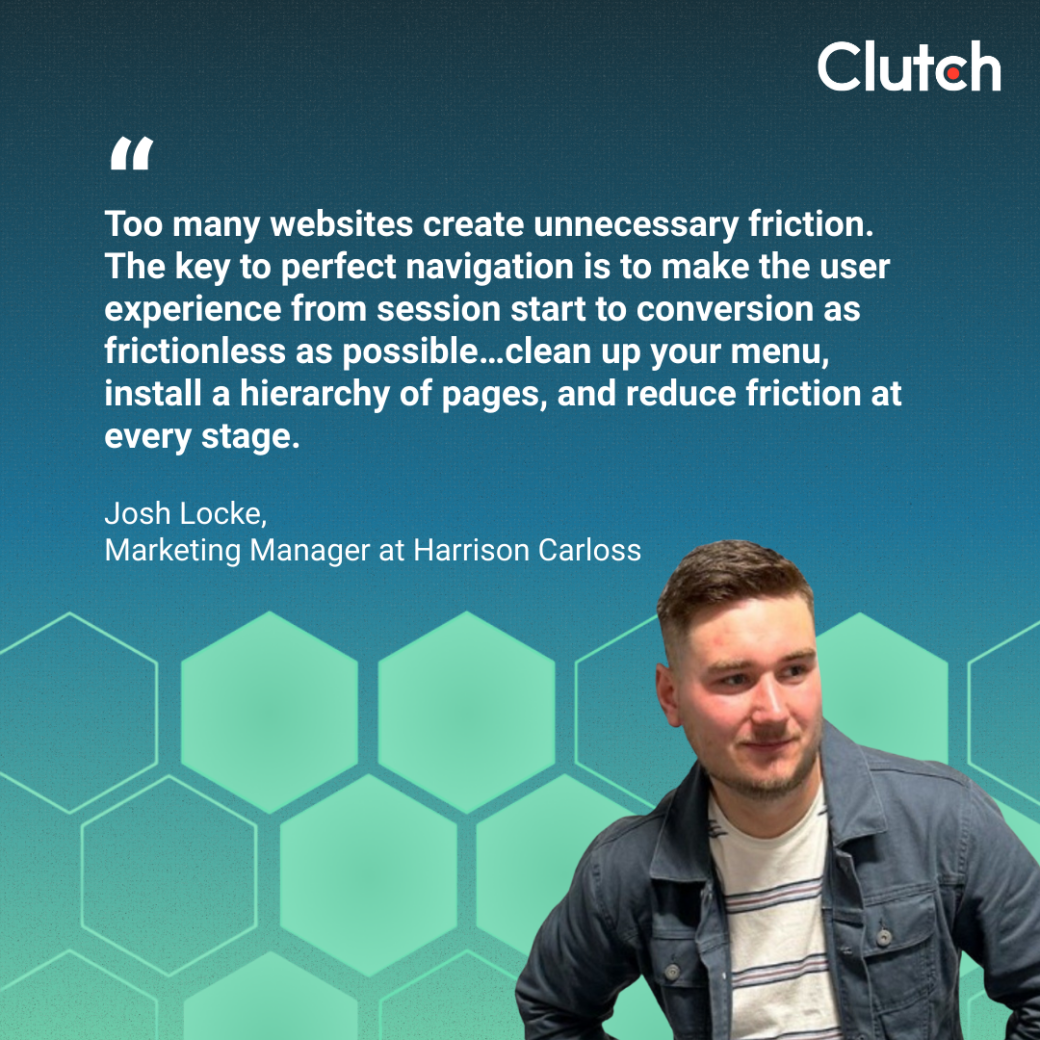
Next, look for opportunities to simplify your website's navigation. Josh Locke, Marketing Manager at Harrison Carloss, says, “Too many websites create unnecessary friction. The key to perfect navigation is to make the user experience from session start to conversion as frictionless as possible…clean up your menu, install a hierarchy of pages, and reduce friction at every stage.”
So, how do you do it? Here are some tips:
Even minor changes in navigation can lead to big lifts in engagement over time. The key will be watching user data and refreshing your site as it evolves.
Finally, look for opportunities to speed up your site. Heral, Managing Director at a WooCommerce Agency, says, “The biggest culprits are oversized media, bloated themes, page builders, and poor hosting environments.” These elements create friction and delays in the user’s shopping journey. They can also be a signal for unreliability, especially for first-time users who don’t know whether to trust your site yet.
Here’s an optimization checklist you can follow to find and fix your speed-related issues:
Some of these issues require technical expertise to solve. You may have what you need internally. But if you don’t, it could make sense to partner with a web design agency that can help you find and fix the main issues slowing down your website.
If your main goal is to increase customer loyalty or your average CLV, launching a loyalty program could be one of the best ways to do it. That process typically means:
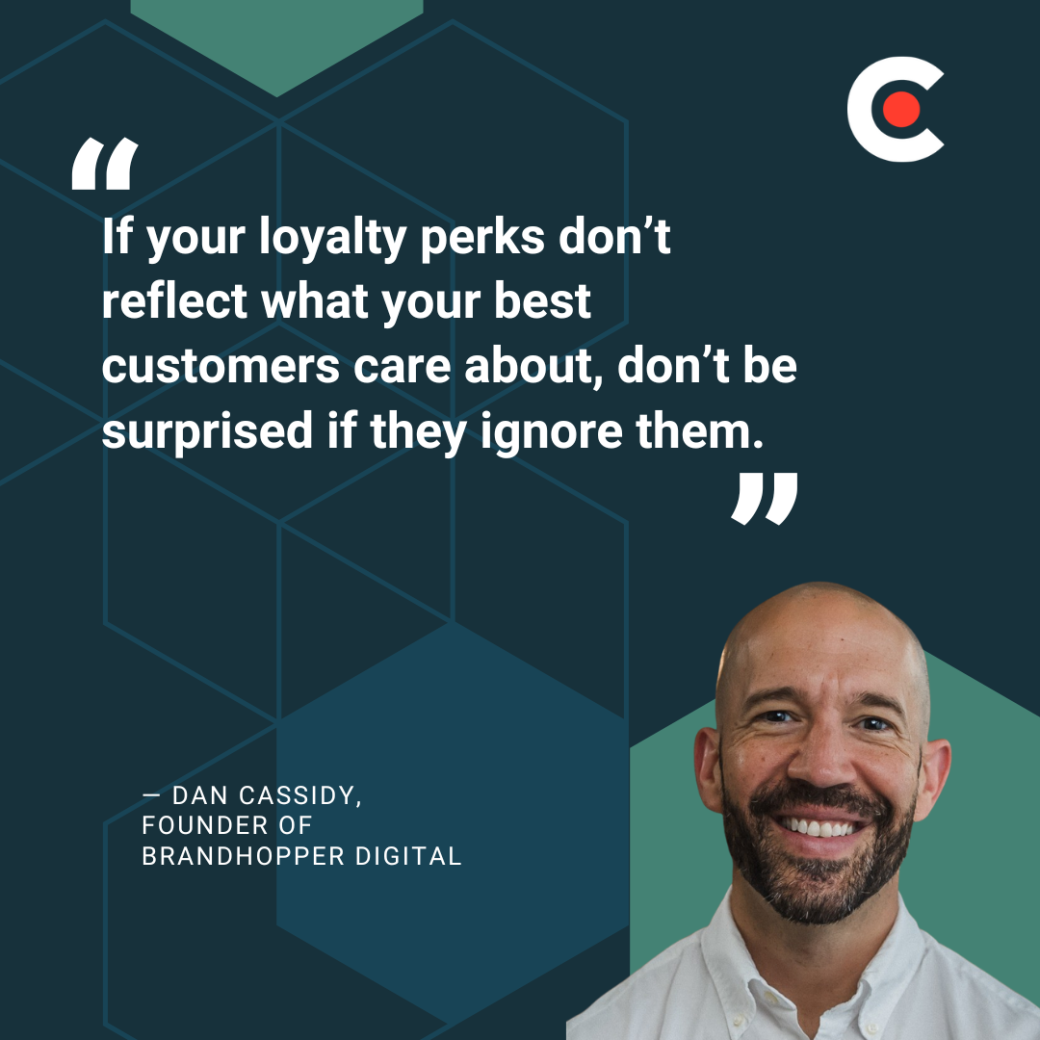
Dan Cassidy, Founder of Brandhopper Digital, emphasizes the importance of designing a program that aligns with your customers’ desires. He says, “If your loyalty perks don’t reflect what your best customers care about, don’t be surprised if they ignore them.”
Ultimately, loyalty programs align what’s best for your company with what’s best for its customers. When you reward people for every purchase they make, it increases their odds of returning and buying more. That's why launching a rewards program is one of the best options for increasing website traffic and selling more products.
Your e-commerce site’s quality can directly impact its profitability. That’s why brands with frequent typos, broken elements, and slow load times often struggle to build loyalty and grow profitability. Users simply don’t trust these sites or prefer to shop on alternative platforms that work properly.
The sooner you address these issues, the sooner you can get back to focusing on growth. So, when you’re ready to get started, you can work through the problems covered in this article independently or partner with a web designer who can do the job for you.