
How UGC Video Ads Outperform Traditional Creative in Paid Social Campaigns (With Real Examples)
Learn why UGC video ads outperform traditional creative in paid social, with real examples, best practices, and proven strategies.
Updated April 6, 2026

Watching videos in bite-sized bursts has become the norm for consumers. If you want to get ahead in the attention economy, you need to feed their appetite for content with micro-moments.
If you spend a lot of time online, your attention is becoming more fragmented. Your fingers practically run a marathon as you scroll through your social media feed, occasionally pausing for a viral skit or a friend's vacation Reel. Then you hop over to your email, wander to the fridge for a snack, watch a few TikTok videos — all in the space of only a few minutes.
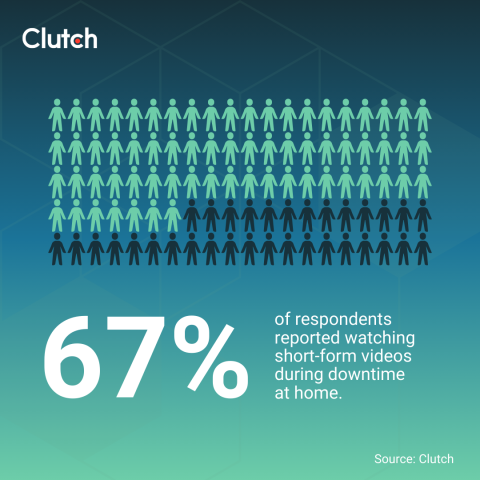
To better understand how people interact with short-form video content, Clutch recently surveyed 483 consumers in 2025 about their thoughts on this format. Two out of three (67%) respondents reported watching short-form videos at home during downtime. That often involves multitasking. Someone may watch dozens of YouTube Shorts while tossing the dog a ball or folding laundry.i
Looking for a Video Production agency?
Compare our list of top Video Production companies near you
With attention more fleeting than ever, brands have only a few seconds to capture viewers. This guide explores how you can capitalize on these micro-moments by creating relevant, snackable content that aligns with your audience's viewing habits.
Micro-moments are brief windows when people consume quick entertainment or information. They often happen in the middle of or between other activities. A long workday or spring cleaning session could be packed with dozens of micro-moments via mobile video consumption.
Sometimes, a specific need drives these interactions. A coworker mentions that they love a new cleaning gadget, so you watch a video of someone testing it on a grimy rug. At other times, people reach for their smartphones as a mental break or even a reward. Did you finally write an email you've been dreading? Congratulate yourself with five minutes of TikTok scrolling.
Short-form content fits these windows perfectly. Instead of getting sucked into a lengthy video or article, viewers can satisfy their craving in just a few minutes and return to their previous activity. No commitment necessary.
Watching this content feels good, too. The brain releases small amounts of dopamine when scrolling through short videos of snackable content, which can create emotional connections. If you've ever reached for your phone right after putting it down, you know how irresistible these quick hits can be.
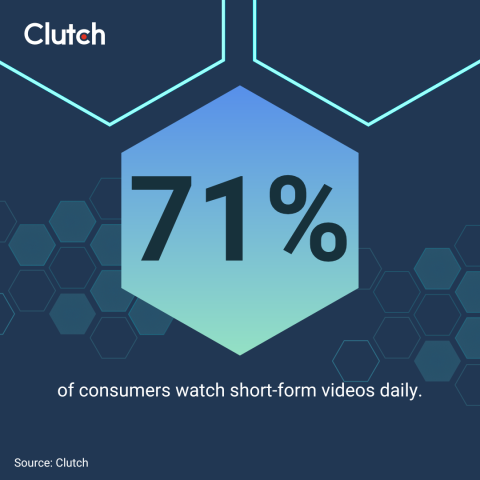
Our survey found that a majority (71%) of consumers watch short-form videos every day, and 67% do so during downtime at home.
That might involve a few minutes of mindless scrolling in your driveway before heading inside to start dinner. Once your pasta's boiling on the stove, you may sneak in a few more Instagram reels. And, of course, you're going to fire up more videos when you snuggle up on the couch. It's a way to decompress after work and stay entertained during everyday routines.
During these cozy micro-moments, consumers are more open to low-effort content. Of course, that doesn't mean they'll tolerate shoddy or unprofessional videos. However, they're more willing to engage with content that feels casual and light.
Brands can capitalize on this relaxed state of mind by creating approachable content. Focus on relatable scenarios that will instantly put customers at ease or make them send your video to a friend with a simple "Us lol."
Piglet in Bed, for instance, frequently shares TikTok videos of women drinking coffee in bed with their cozy linen sheets. One recent video shows a woman munching on toast in bed with the caption, "away with the fairies (decorated my bedroom like a whimsical lady of leisure who lives in a British countryside cottage. Meanwhile, I work a corporate [sic] 9-5 and live in the 5th-floor apartment." Consumers may feel annoyed by grammar mistakes in a documentary or novel, but they're perfectly acceptable — charming, even — in a nine-second video.

Calming visuals also help capture the attention of at-home browsers. Include warm colors and plenty of nature imagery.
The meditation app Calm is one brand that has mastered creating soothing videos. Its Instagram feed is full of dozing cats, scenic woods, and people cozied up in bed. One video shows a golden autumn forest with the caption, "If you can't sleep, listen to this for 60 seconds and see what it does to your brain."
In the background, a chorus of birds sings while leaves rustle in the breeze. This type of content helps viewers associate your brand with positive emotions, such as relaxation and joy.
Resist the urge to cram too much action into your short videos. People lounging in bed want a casual pace, not a miniature episode of The Fast and the Furious. Keep transitions and cuts to a minimum and show only one or two scenes per video. A more leisurely approach will fit your audience's vibe perfectly during these brief moments of downtime.
The best part? This simple, approachable content requires minimal effort and time. Instead of filming an elaborate skit, show people (or pets) using your products in everyday, laid-back situations. Or record a sunset for 20 seconds and add a caption. Ta-da — another task checked off your to-do list.
When you post your content, you may picture your audience watching with rapt attention. But that's probably not the case. According to Clutch data, only 9% of consumers pay full attention when watching short-form videos.
What's taking up the rest of their focus? Multitasking. They're keeping one eye on your video and another on their roaming toddler, the latest Love Is Blind episode, late-night texts from their boss — sometimes all at the same time.
Of course, that doesn't mean they don't care about your content, but they often only have partial attention to spare. Viewers may also frequently glance away from the screen, making audio absolutely critical. Don't feel discouraged, though. With a little creativity, you can make your videos multitasking-friendly:
And don't forget a strong hook. The majority (88%) of consumers say a video has 30 seconds or less to capture their attention, according to Clutch data. If you don't engage them immediately, they'll swipe right past your video or ad.
Relevance is absolutely critical for video engagement. When content doesn't match the setting or mood, people are more likely to keep scrolling.
Start by researching when your audience's micro-moments happen. Sure, they're spontaneous, but humans are creatures of habit. A busy parent may rarely have time to check their phone during hectic school mornings, but 8 a.m. on a Saturday is fair game. For retirees, micro-moments can occur throughout the entire day. Survey your customers to find out when they're most likely to go online.
Track engagement data, too. Every major social media platform has built-in analytics tools that show when your audience is active and interacting with your content. Try posting short videos at different times, and look for patterns. Calming content may get the most views in the evening, while snappy videos are popular during lunch breaks.
Once you learn your audience's rhythms, adapt your content to their everyday routines. In the morning, post quick, lighthearted clips that people can easily watch during their commutes. Be sure to add captions so they can watch it on mute if they don't have headphones. During breaks, keep the upbeat energy going with funny skits or optimistic "hope-core" content.
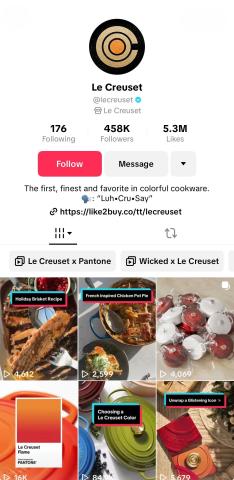
Shift to more relaxing content after work hours and on the weekends. That's often when people plan their weeks, so share simple hacks or tips that make their lives easier. Le Creuset, for instance, often shares delicious recipes made with its signature cookware. If someone scrolls to one of these videos while writing their grocery list, they may add the ingredients to try themselves.
For late-night scrollers, offer plenty of cozy videos that help them wind down. Use gentle background audio and soft-spoken, soothing narration. You should also consider how your videos look when viewers use dark or bedtime mode on their phones. Soft lighting and muted colors work better for dark screens and won't irritate sensitive eyes.
Above all, match energy. The highest video engagement occurs when the content aligns with the viewer's mood and environment. That way, your brand will become a welcome part of their routine, rather than a disruption.
The explosion of short-form video has drastically changed viewing habits. While some people still happily delve into hours-long videos, most now prefer snappier content. They're also watching it at home during downtime, often with only one eye on the screen (or none).
Brands win when they create videos that seamlessly integrate into everyday routines. Take the time to learn about your audience's habits and daily rhythms. Millennials may do most of their scrolling after the kids go to bed. For Gen Z or teens with lots of downtime, their entire day might be a series of micro-moments.
By adapting your short form video strategy to these short bursts of attention, you can make authentic connections with your audience everywhere they go. And, while you can't eliminate distractions, simple tactics like adding audio cues and writing brief captions will help you cut through the noise. It's all about meeting customers on their terms, with fragmented attention, and all.